If you are purchasing premium Indonesian edible bird's nest , you may have noticed three main color grades: white , yellow , and red . Many first-time buyers wonder – are they really that different, or is it just a marketing gimmick?
In short: the color reflects the natural environmental factors during the formation of the bird's nest , not artificial dyeing. All three types originate from the saliva of the same swiftlet, but their mineral content, texture, rarity, and traditional benefits differ significantly. Below is a complete scientific analysis to help you choose the most suitable bird's nest based on your health goals.
Quick Comparison Table
| Features | White bird's nest | Yellow bird's nest | Red bird's nest (blood bird's nest) |
|---|---|---|---|
| Color formation | Pure swiftlet saliva, with minimal oxidation. | Reacts moderately with nitrogen-containing compounds | Highest degree of contact with active nitrogen-containing substances |
| Rarity | Most common (accounting for over 80% of the supply) | rare | Most rare |
| Price range | Most affordable | 2–3 times that of white bird's nest | 5–10 times the price of white bird's nest (the most expensive). |
| texture | The softest, the finest, and the easiest to melt | Slightly firmer and crispier | The crispiest and the most tightly packed bird's nest strands. |
| taste | The lightest, cleanest, and neutral in flavor. | It has a faint natural scent. | More concentrated, with a pronounced mineral flavor |
| Main nutrients | Glycoproteins and collagen-like proteins have the highest content. | High mineral content | Highest content of minerals and iron |
| Most suitable for | Daily skincare, boosting immunity, for first-time users | Pregnancy care, energy replenishment, and middle-aged health maintenance | Post-operative recovery, blood and qi replenishment, top-grade tonic |
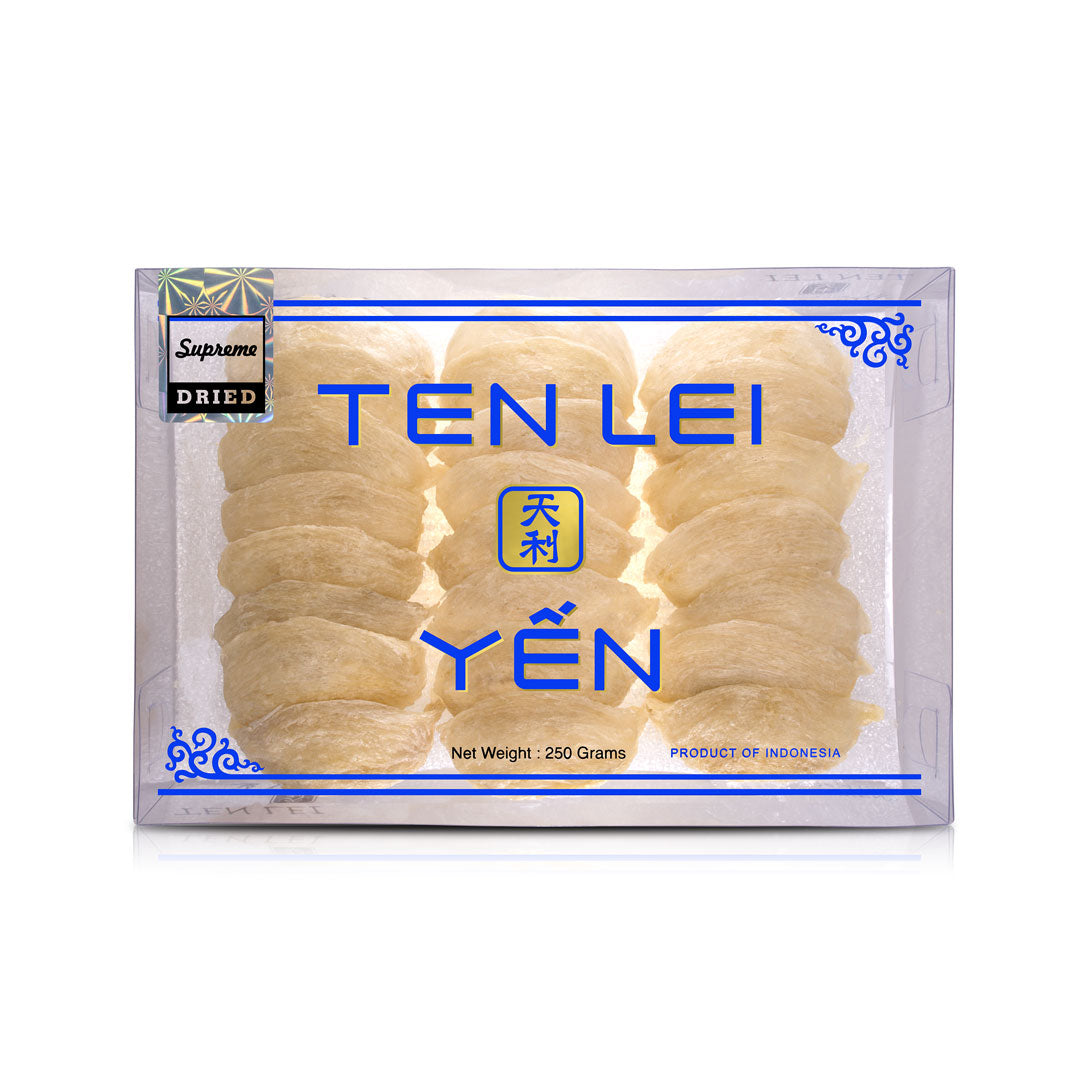
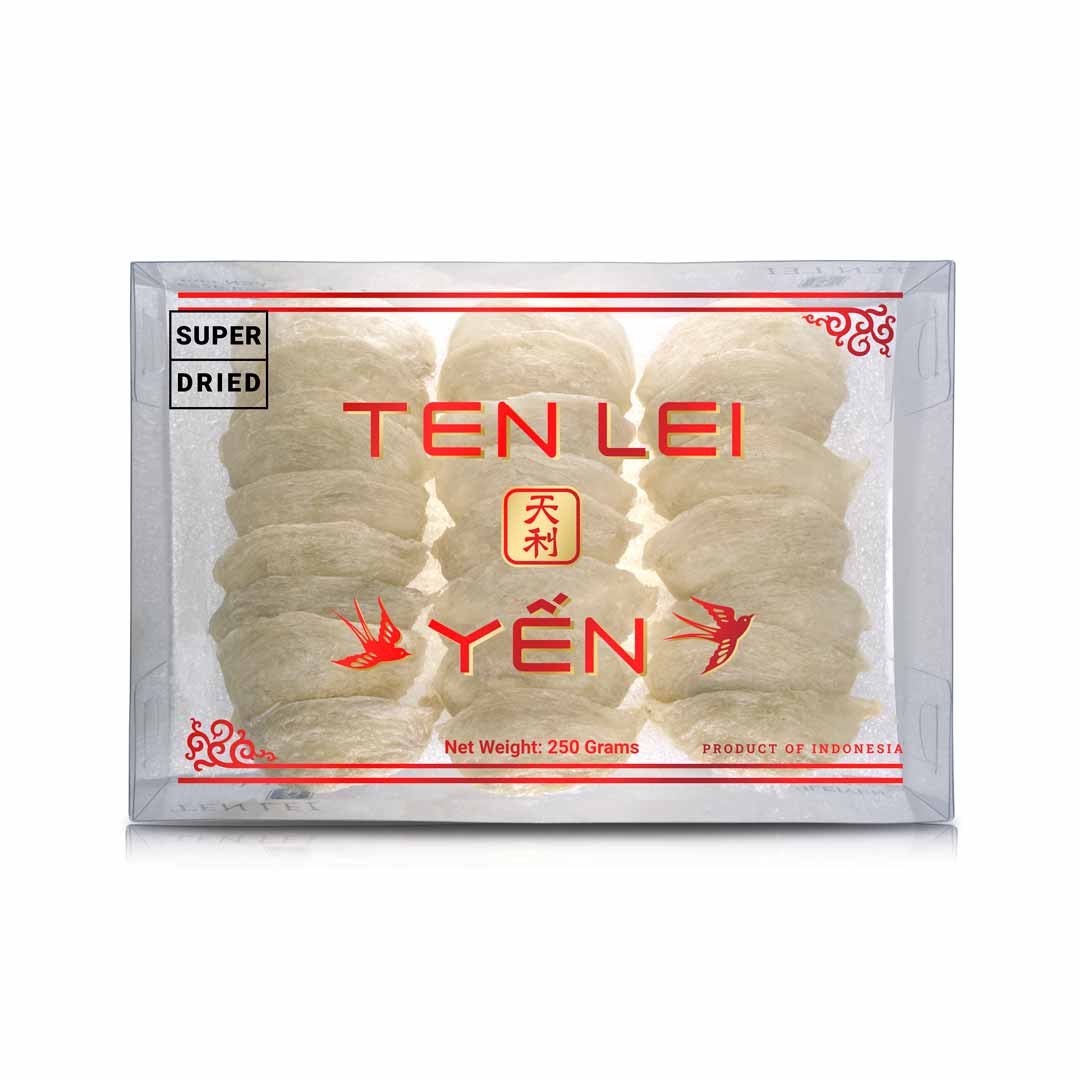
1. White Bird's Nest (A Luxurious Choice for Daily Enjoyment)
- Most popular and widely available —especially from farmed swiftlets in Indonesia.
- It ranges in color from pure white to ivory white due to its minimal contact with cave minerals.
- It has the highest glycoprotein content and is rich in active ingredients that promote collagen production, making it excellent for improving skin elasticity, moisturizing, and comprehensively enhancing immunity.
- With its incredibly smooth texture and delicate, pure flavor, it's perfect for first-timers and everyday nourishment.
- Suitable for: those with radiant skin, daily health maintenance, children, and those seeking long-term wellness.
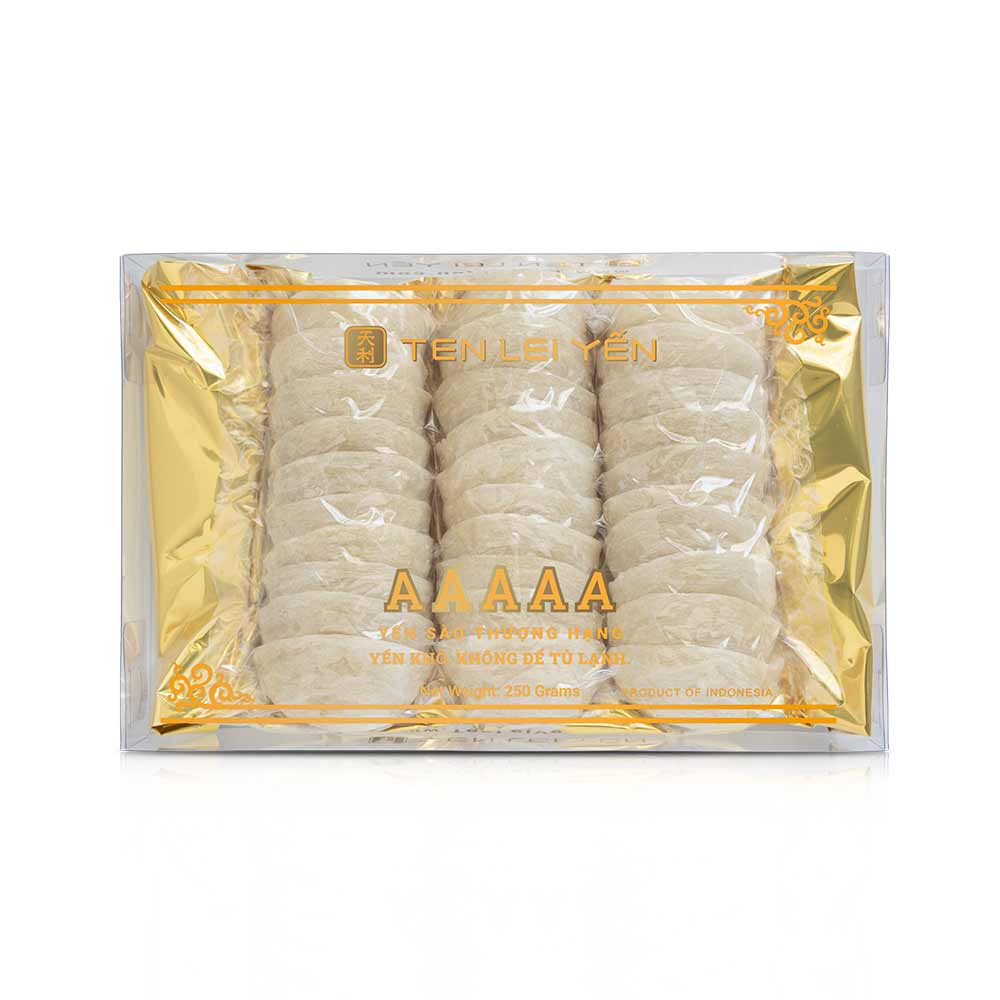
Tip: Tianlei Yan's top-grade Indonesian white bird's nest is highly regarded for its silky smooth, gelatinous bird's nest strands and consistently pure quality.
2. Yellow Bird's Nest (A Balanced, High-End Choice)
- Also known as "golden bird's nest" or "golden swallow" in Chinese.
- Moderate natural nitrification (the reaction of salivary proteins with nitrogenous compounds in the environment) gives it a warm golden amber color.
- Its mineral content (calcium, iron, magnesium) is slightly higher than that of white bird's nest.
- The texture is firmer and crisper, with a subtle natural depth.
- Traditionally, it is especially recommended for pregnant women and middle-aged people to supplement extra energy and minerals.
Many bird's nest connoisseurs favor yellow bird's nest because of its beautiful color, balanced nutrition, and lower price compared to red bird's nest.
3. Red Bird's Nest (Rare "Blood Bird's Nest")
- Also known as blood bird's nest (血燕) — the highest grade and most sought-after delicacy.
- The rich red color is formed when white bird's nest is exposed to an environment with a high concentration of active nitrogenous substances, which in turn produces 3-nitrotyrosine—a natural compound that is the source of its color.
- It has the highest mineral density and is rich in iron—traditionally used to replenish blood and qi, aid in postoperative recovery, and combat fatigue.
- It has the densest and crispiest texture and the richest flavor.
- It is extremely rare because only specific cave environments can consistently produce genuine red bird's nests.
Note: Modern science has confirmed that the red color is 100% naturally formed (unrelated to blood) and originates from nitrification in the environment, not from artificial processing.
Which one is best for you?
- If you're looking for the best value for money, convenient daily nourishment, and want to maximize skin-beautifying and immune-boosting effects, then white bird's nest is the way to go .
- Choose yellow bird's nest for its richer mineral content and exquisite visual presentation—perfect as a gift or for prenatal care.
- Choose red bird's nest if you seek the ultimate in luxurious nourishment, crave the highest mineral content and a rich traditional heritage.
Most people start with white bird's nest , occasionally upgrading to yellow or red bird's nest on special occasions. All three types of bird's nest can provide the core benefits of consuming bird's nest (beautifying skin, boosting immunity, and replenishing energy), and the color simply reflects different degrees of interaction between natural minerals.