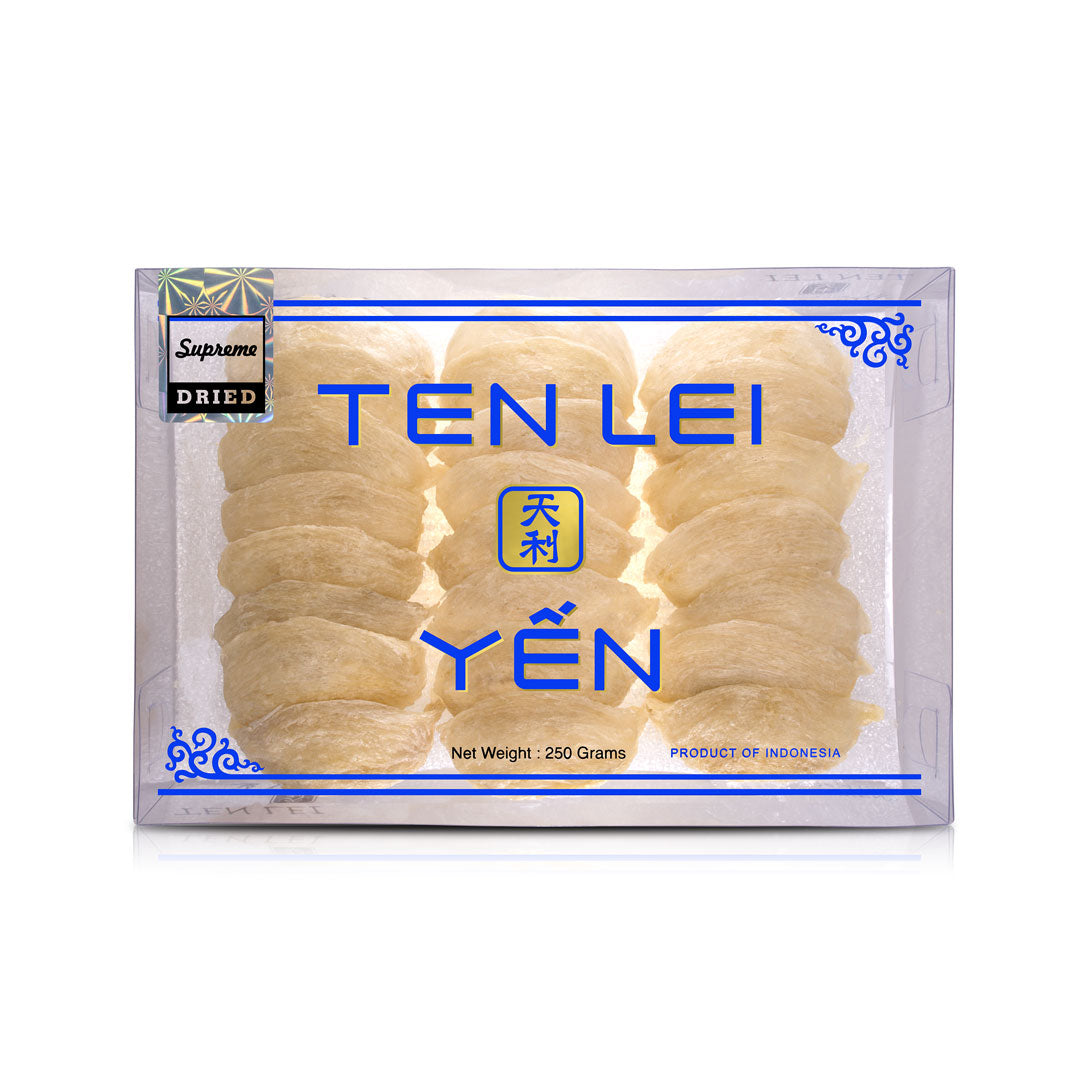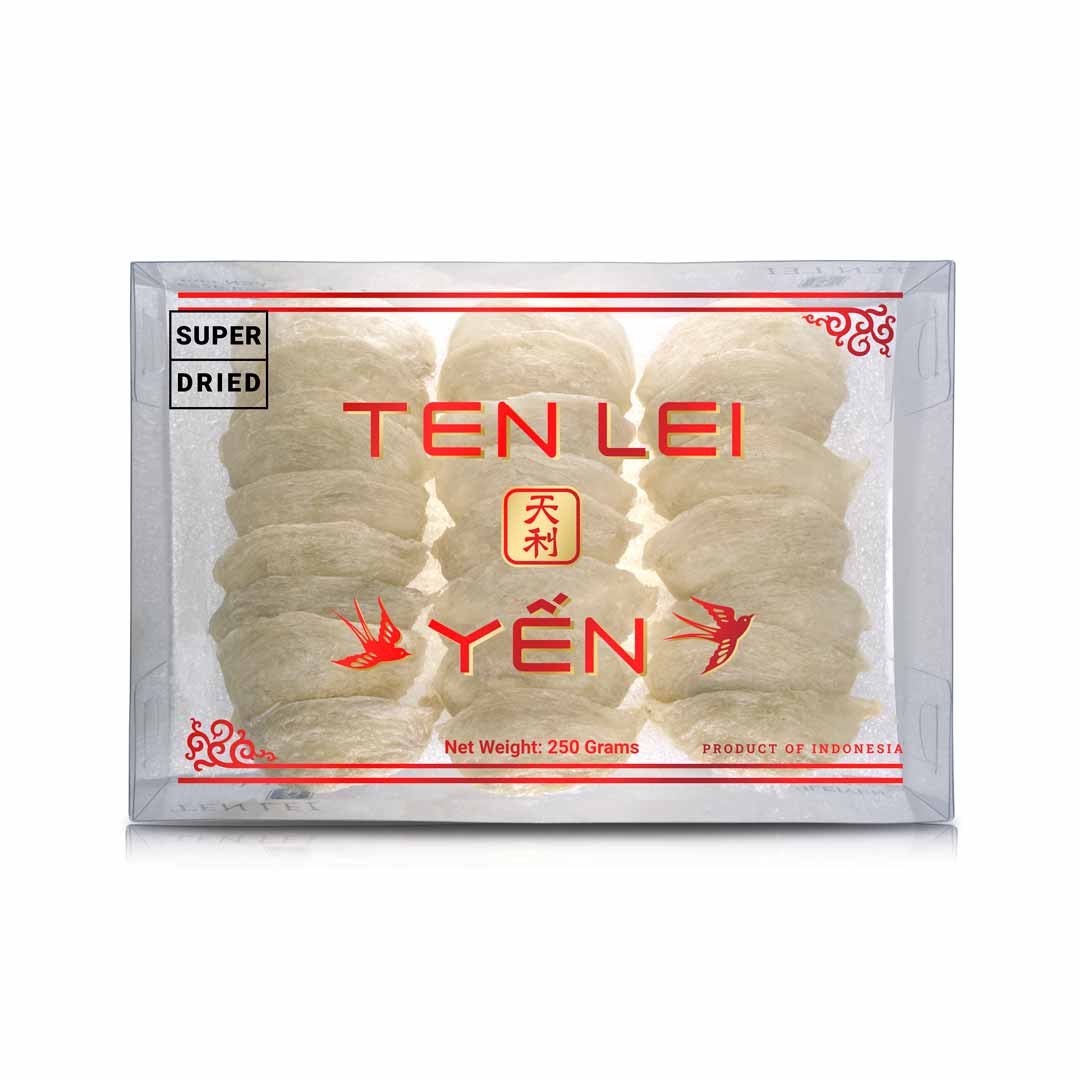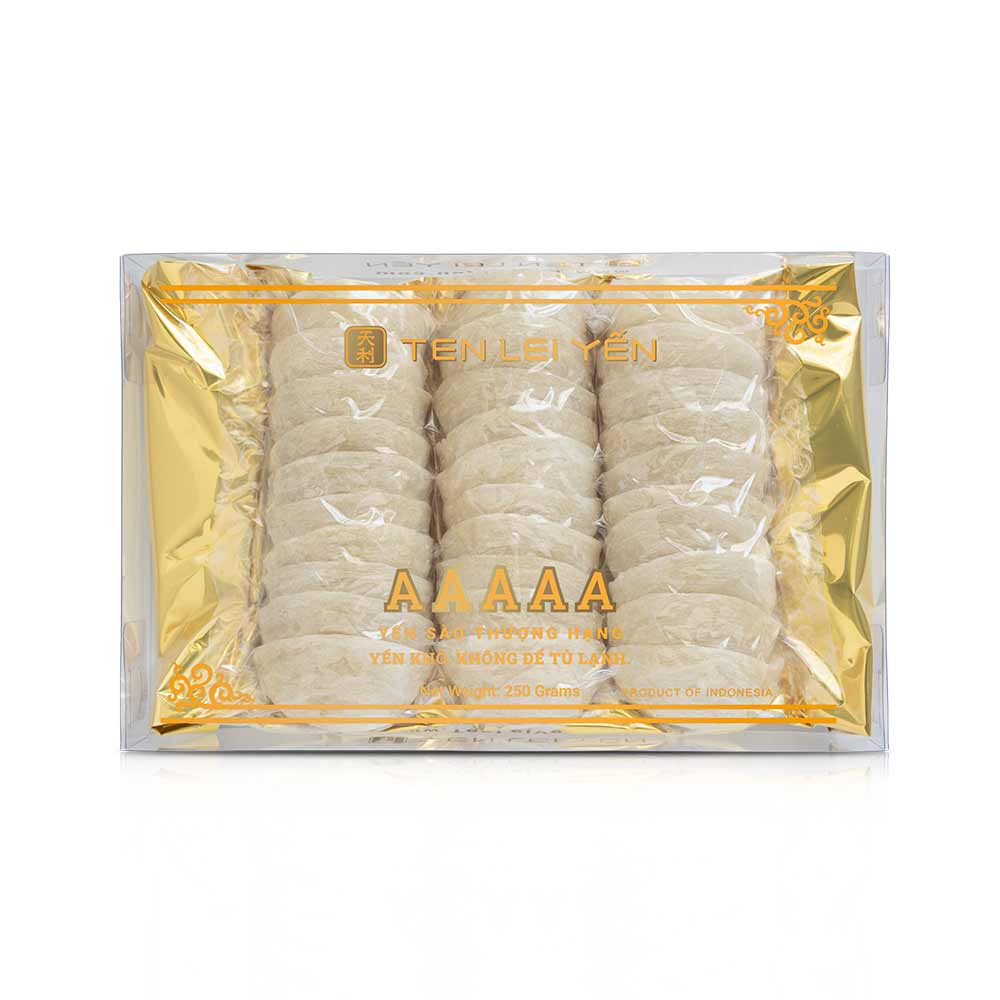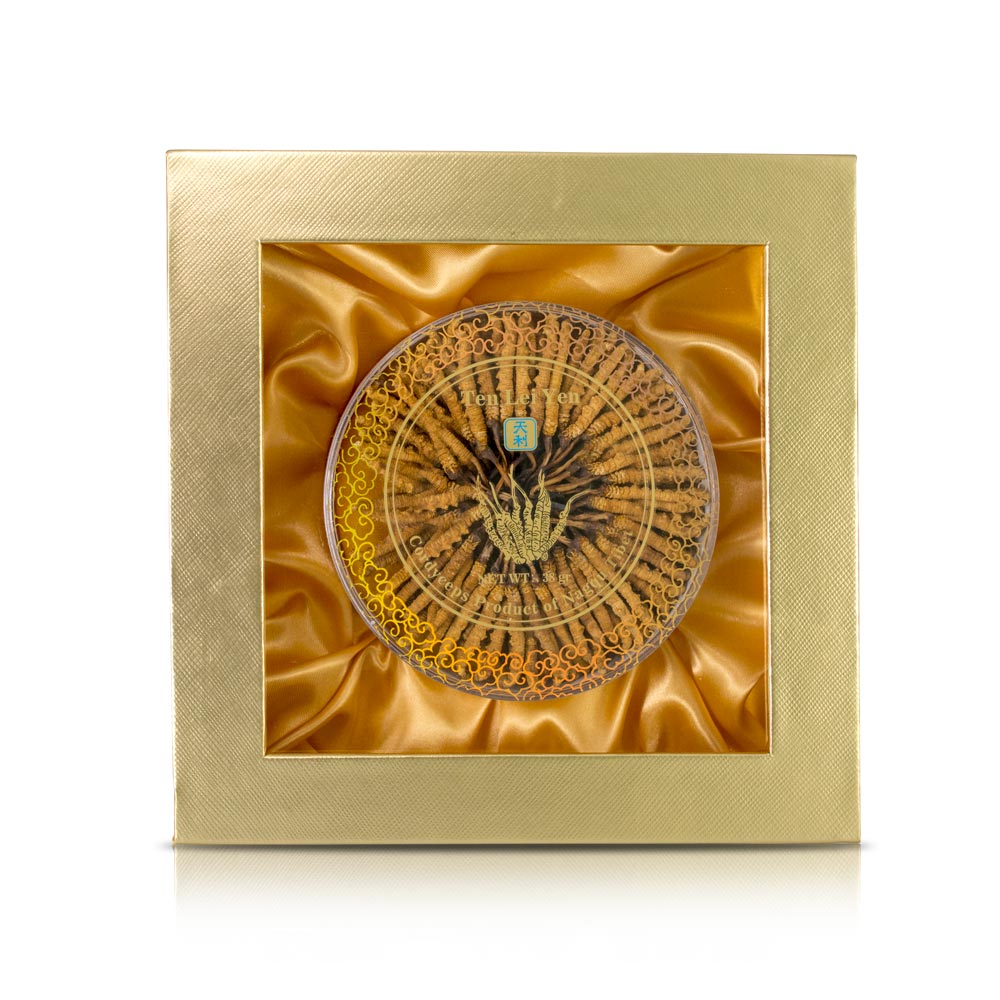
Pregnancy is one of the most extraordinary chapters of a woman’s life — a time when every nutrient matters for both the mother and the developing baby. For centuries, edible bird’s nest has held a revered place in Traditional Chinese Medicine (TCM) as a premium superfood for expectant mothers. At Ten Lei Yen, America’s largest premium bird’s nest retailer, we believe every mother deserves the very best during this precious time.
What Is Edible Bird’s Nest?
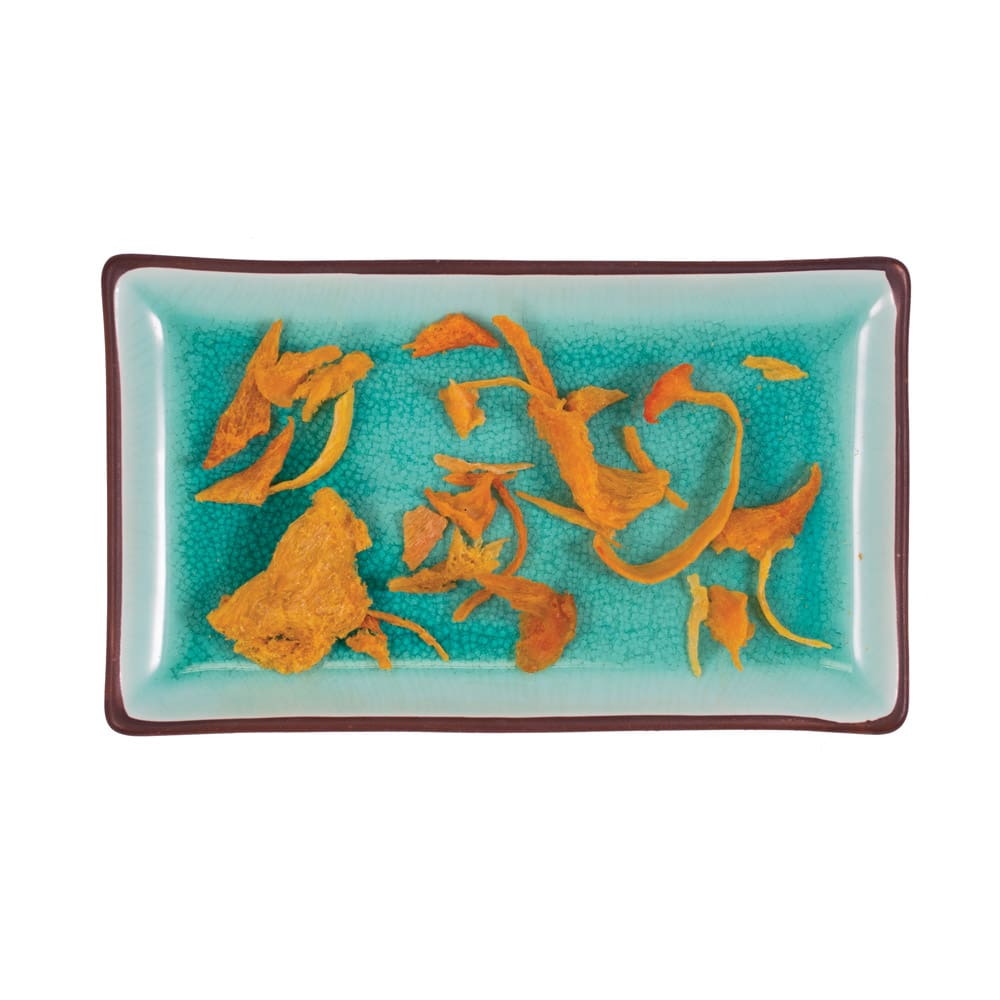
Edible bird’s nest is made from the solidified saliva of swiftlet birds, primarily found in Southeast Asia. Rich in glycoproteins, sialic acid, amino acids, calcium, iron, and potassium, it has been treasured for over 400 years as a nourishing delicacy often called “the Caviar of the East.” Its protein content ranges from 40–60%, making it a nutritional powerhouse that is gentle on the stomach and easy to digest.
When Can Pregnant Mothers Start Eating Bird’s Nest?
First Trimester (Weeks 1–13)
The first trimester is a critical period as your baby transforms from a fertilized egg into a fully formed fetus. All major organs and systems are developing. TCM practitioners recommend starting bird’s nest consumption during this period to support the baby’s foundational growth. Sialic acid found in bird’s nest is a natural brain nutrient that promotes fetal brain development and strengthens neural connections. Some sources recommend 3–5 grams of dried bird’s nest every day or every other day during this stage.
Note: Some traditional sources advise caution during the first trimester due to morning sickness sensitivities. If nausea is severe, start with smaller portions and consult your healthcare provider.
Second Trimester (Weeks 14–28)
This is typically the most stable period for both mother and baby. Your appetite returns and nutrient absorption improves. Continuing with 3–5 grams of bird’s nest daily or every other day is ideal. The amino acids and Epidermal Growth Factor (EGF) in bird’s nest support healthy skin elasticity, which can help reduce the appearance of stretch marks.
Third Trimester (Weeks 29–40)
During the final trimester, the baby is growing rapidly and the mother’s body needs extra nutritional support. Bird’s nest continues to provide essential amino acids, calcium, and iron for bone development and healthy blood flow. Some practitioners recommend maintaining or slightly increasing consumption during this period.
Postpartum Recovery
Bird’s nest is equally valuable after delivery. Its high protein content aids tissue repair, and its immune-boosting properties help new mothers regain strength. It may also improve the quality of breast milk, supporting the baby’s physical and intellectual development.