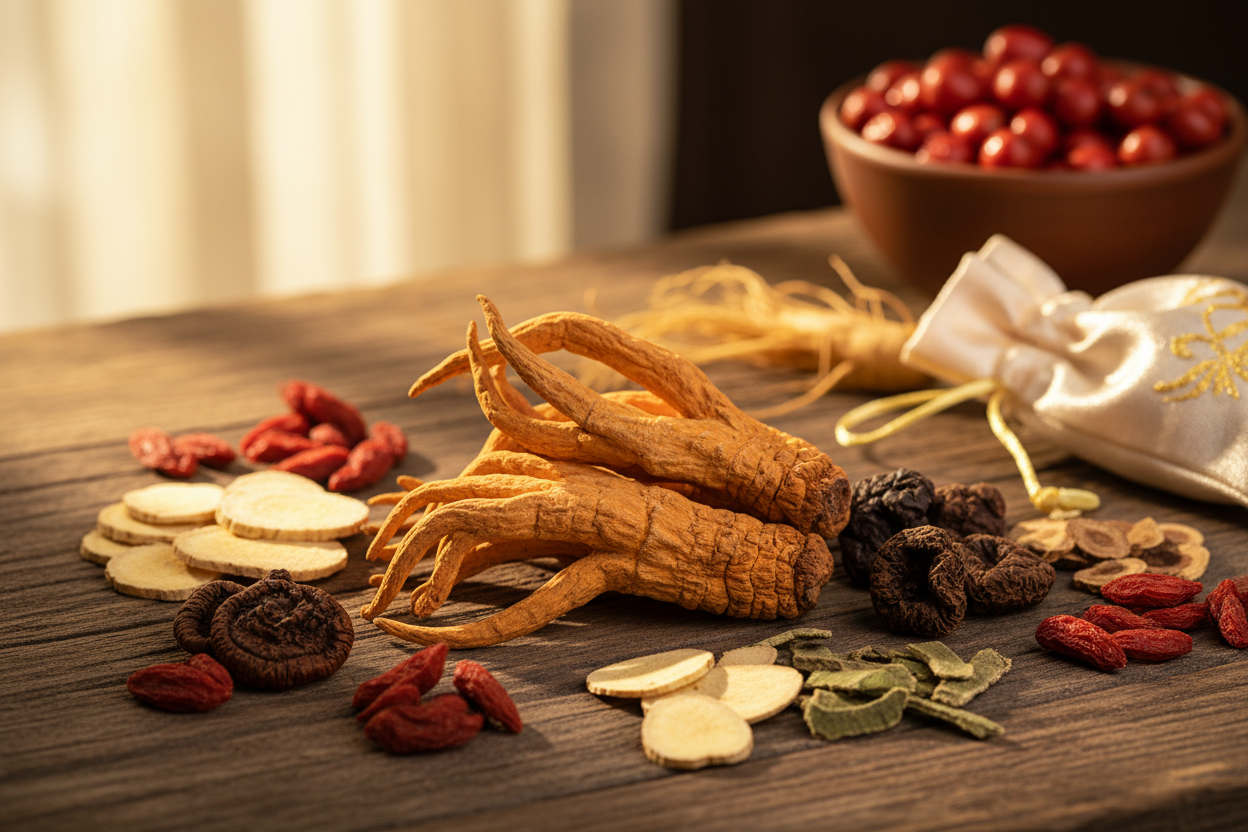
Cordyceps sinensis (now formally Ophiocordyceps sinensis), known as Yartsa Gunbu in Tibetan or Dong Chong Xia Cao in Chinese, is one of the most revered medicinal fungi in traditional Tibetan and Chinese medicine. Wild-harvested from the high-altitude Tibetan Plateau, it has been used for centuries as a supreme adaptogen to boost vitality, strengthen the body, and promote longevity.
Modern research has explored its bioactive compounds—primarily polysaccharides, cordycepin, adenosine, sterols, and peptides—which contribute to a wide range of pharmacological effects. While wild Tibetan specimens are considered the most potent, cultivated mycelium (including strains derived from natural Cordyceps) is widely studied and used in supplements.
Here’s a comprehensive exploration of its medicinal benefits, based on traditional use and current scientific evidence:
1. Energy, Endurance & Anti-Fatigue Effects
Cordyceps is prized for enhancing physical performance and reducing fatigue. It supports ATP (cellular energy) production and improves oxygen utilization.
- Clinical studies show supplementation can improve aerobic capacity, VO₂ max, and exercise recovery in healthy adults and older individuals.
- It’s commonly used by athletes for better stamina and faster post-workout recovery. Traditional Tibetan herders consume it during harsh high-altitude work for sustained energy.
2. Immune System Modulation
Cordyceps acts as an immunomodulator—it can strengthen immune defenses while helping balance overactive responses.
- It increases natural killer (NK) cell activity, stimulates lymphocyte proliferation, and supports overall immune resilience.
- Traditionally used after illness or during cold/flu season to speed recovery and prevent infections.
- Some studies note benefits for post-viral fatigue and immune support in chronic conditions.
3. Kidney Protection & Renal Health
One of the strongest evidence-backed areas. In traditional medicine, it’s a classic kidney tonic.
- Multiple clinical trials (including meta-analyses of dialysis patients) show it can lower creatinine, blood urea nitrogen (BUN), and inflammatory markers like C-reactive protein (CRP).
- It improves albumin and hemoglobin levels, supporting nutritional status and reducing micro-inflammation in kidney disease.
- May help protect against chronic kidney issues and support post-transplant recovery.
4. Antioxidant, Anti-Aging & Anti-Inflammatory Properties
Rich in antioxidants that combat oxidative stress and cellular damage.
- Cordycepin, a key compound, shows strong anti-inflammatory effects at the genetic level (inhibiting mRNA polyadenylation).
- Potential benefits for slowing age-related decline, supporting skin health, and protecting against chronic inflammation-related conditions.
- Early research links it to anti-aging effects on the nervous system, liver, and overall vitality.
5. Respiratory & Lung Support
Traditionally used for lung tonification and breathing issues.
- May improve lung function, reduce asthma-like symptoms, and support respiratory health.
- Gained attention during the 2003 SARS outbreak in China for its supportive role.
6. Cardiovascular & Metabolic Benefits
Promising effects on heart health and metabolism:
- Anti-hypertensive, anti-arteriosclerosis, and potential blood-sugar balancing properties.
- May support healthy cholesterol levels and vascular function.
- Some studies suggest benefits for arrhythmia and overall cardiovascular protection.
7. Other Promising Areas
- Sexual & reproductive health: Traditionally an aphrodisiac; may support libido, testosterone, and fertility.
- Antitumor potential: Polysaccharides and other compounds show anti-proliferative effects in lab and animal studies (not yet a cancer treatment).
- Brain health: Emerging evidence for anti-depressant-like effects and improved learning/memory in some models.
Evidence Levels & Important Notes
- Strongest clinical support: Kidney health in dialysis patients and exercise performance.
- Traditional + preclinical: Most other benefits (immune, antioxidant, anti-inflammatory) are well-documented in lab/animal studies and centuries of use, with growing human trials.
- Cultivated vs. wild: Cultivated mycelium (e.g., Cs-4 strain) shows similar benefits and is far more accessible and sustainable than rare wild Tibetan Cordyceps.
Typical dosage: 1–3 grams per day of extract or powder, often taken in the morning for energy. It’s generally very safe with few side effects, but consult a healthcare provider if you have medical conditions, are pregnant, or take medications.
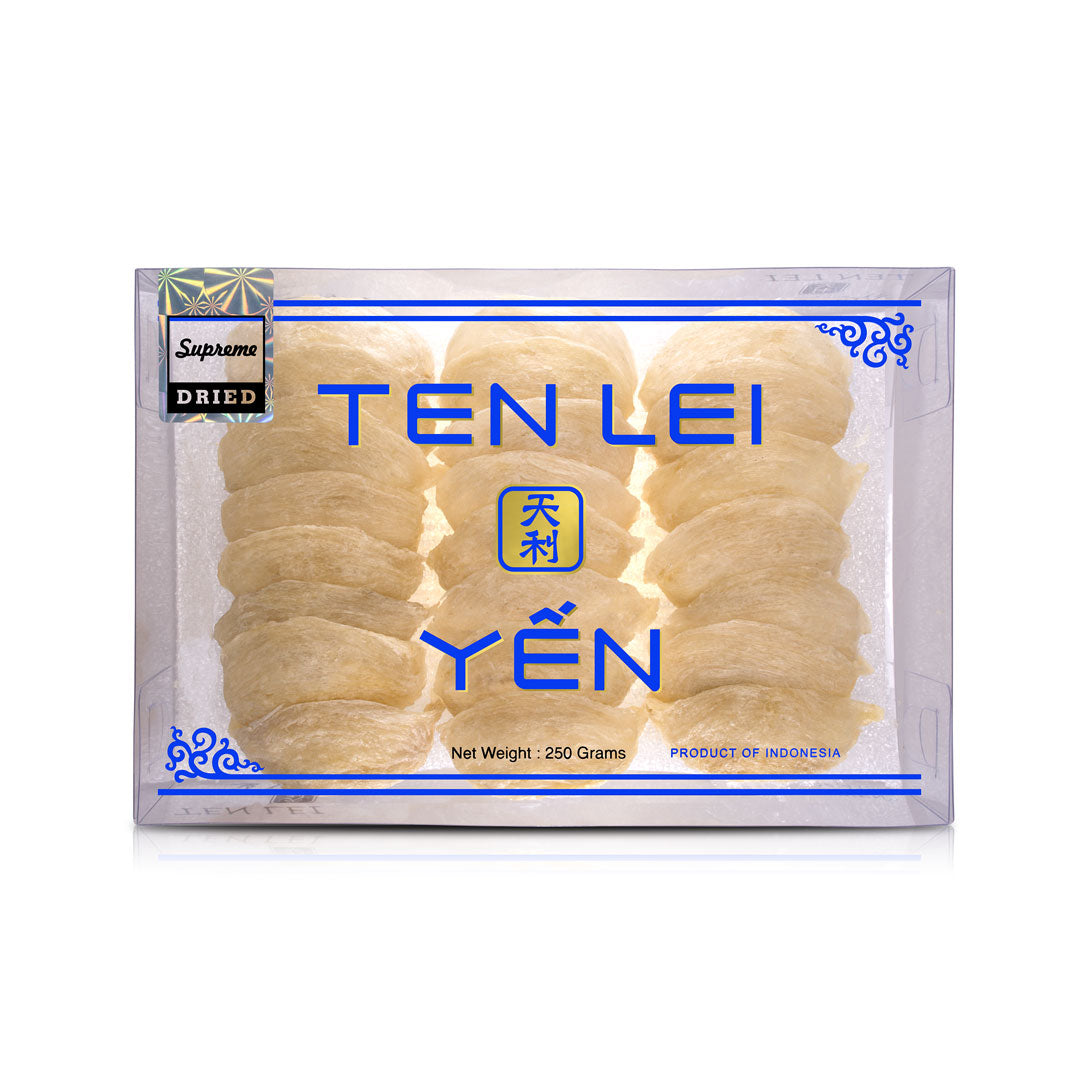
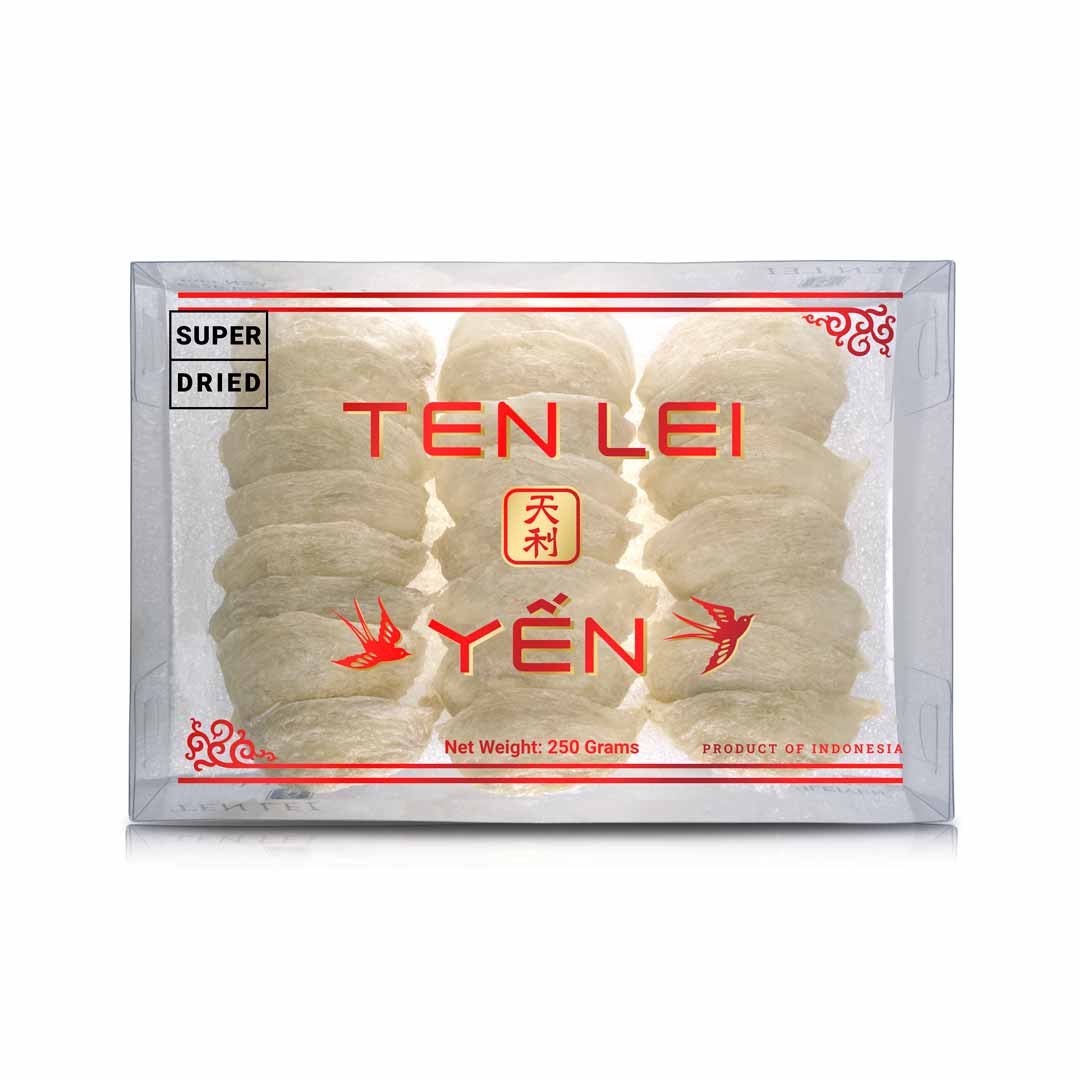
Cordyceps pairs beautifully with other tonics like edible bird’s nest—many people use Cordyceps in the morning for vitality and bird’s nest in the evening for recovery and skin support.
In summary, Tibetan Cordyceps stands out as a versatile adaptogen with broad adaptogenic, protective, and restorative properties. While not a miracle cure, the combination of ancient wisdom and modern research makes it a valuable addition to wellness routines focused on energy, immunity, and long-term vitality. Research continues, especially on its bioactive compounds for targeted therapies.