Edible bird's nest has been treasured in Chinese food culture for generations, and one of its most common associations is with the lungs and throat. This article explains where that traditional association comes from, takes an honest look at what current research does and does not establish, and describes how the delicacy is traditionally prepared and enjoyed. It is general information about a food and its culinary tradition — not medical advice, and not a claim that bird's nest treats, prevents, or cures any condition.
An honest note: edible bird's nest is a food and a delicacy, not a medicine. Nothing here is a health claim. If you have a medical condition or a specific health goal, please talk to a qualified healthcare professional.
Edible bird's nest in traditional Chinese culture
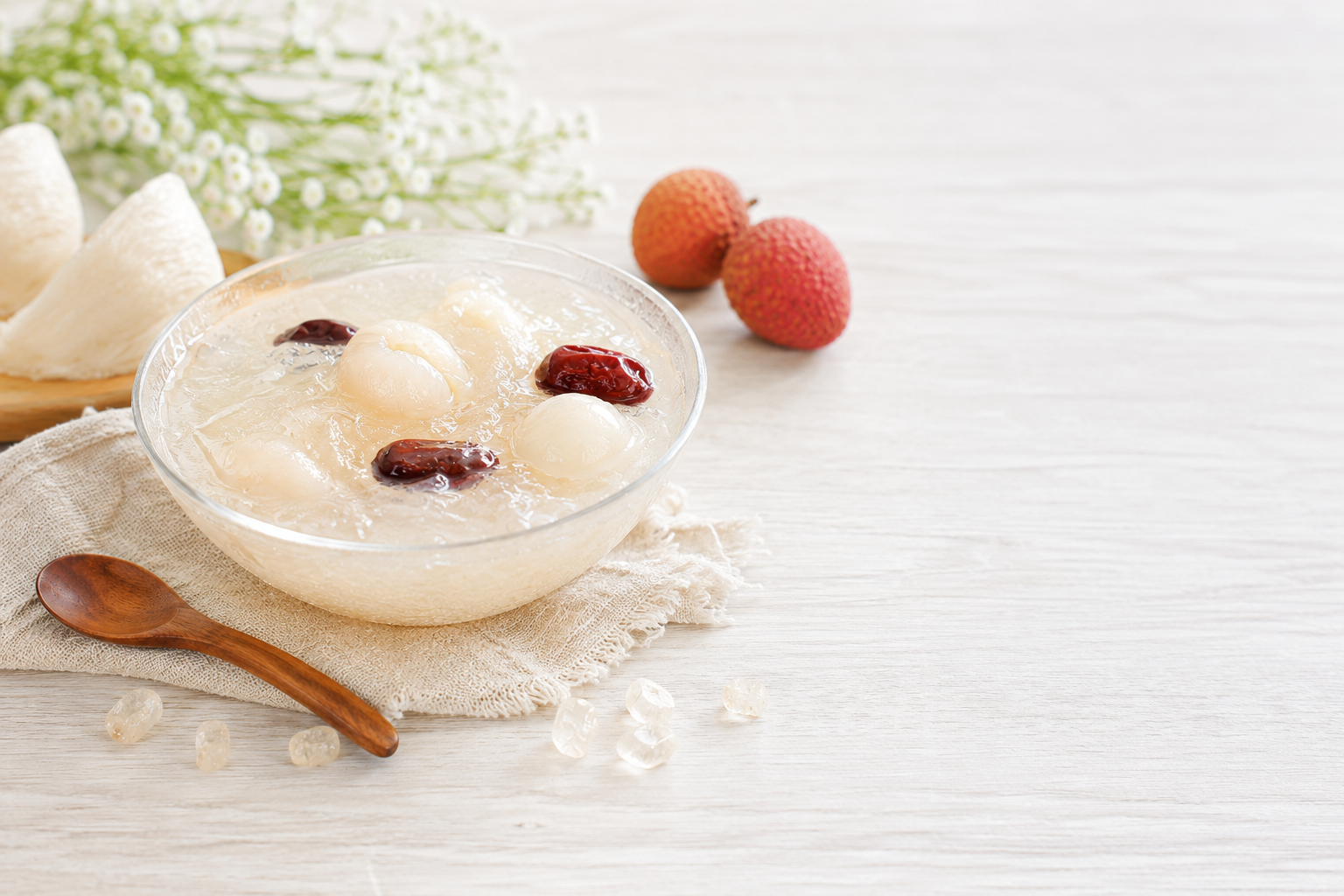
In traditional Chinese culinary culture, edible bird's nest has long been regarded as a refined, nourishing food, and it is often associated with the lungs and throat. It has customarily been served warm — gently double-boiled and lightly sweetened — as a comforting dish at family gatherings and during the cooler, drier months. These associations are cultural and historical: they reflect long-standing custom and belief, not a medical assessment of what the food does in the body.
What the research actually shows
Edible bird's nest has been studied scientifically, but the published research is still limited and largely preliminary — much of it laboratory or animal work rather than large, conclusive human trials. That means it is not a basis for specific health claims, and bird's nest should not be thought of as a treatment for any condition. The honest summary is simple: it is a traditional food enjoyed for its taste, texture, and cultural meaning. If you are looking to address a respiratory or other health concern, a healthcare professional is the right resource — not a delicacy.
How it's traditionally enjoyed
Bird's nest has a delicate, mild character and is usually prepared simply so its texture comes through:
- Soak the dried nest in clean, room-temperature water for about 4–6 hours, or overnight, until it expands and softens.
- Rinse gently and remove any fine particles.
- Double-boil for around 40 minutes, until tender.
- Serve warm, on its own or lightly sweetened with rock sugar to taste.

Many people simply enjoy a small warm bowl as a soothing, comforting treat — much like any gentle, warming food on a cool day.
If you're thinking about trying it
Edible bird's nest is enjoyed by many people purely as a traditional delicacy. If you are pregnant, nursing, considering it for a child, or managing a health condition, check with your doctor or pediatrician first — as you would with any new food. Introduce it in small amounts at first and stop if you notice any reaction, since bird's nest can be an allergen for some people.
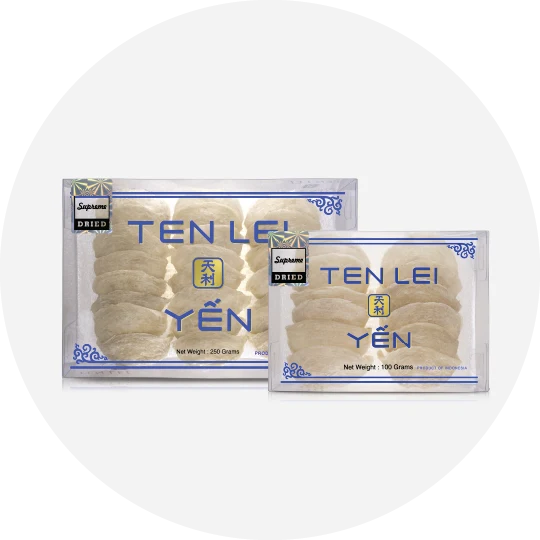
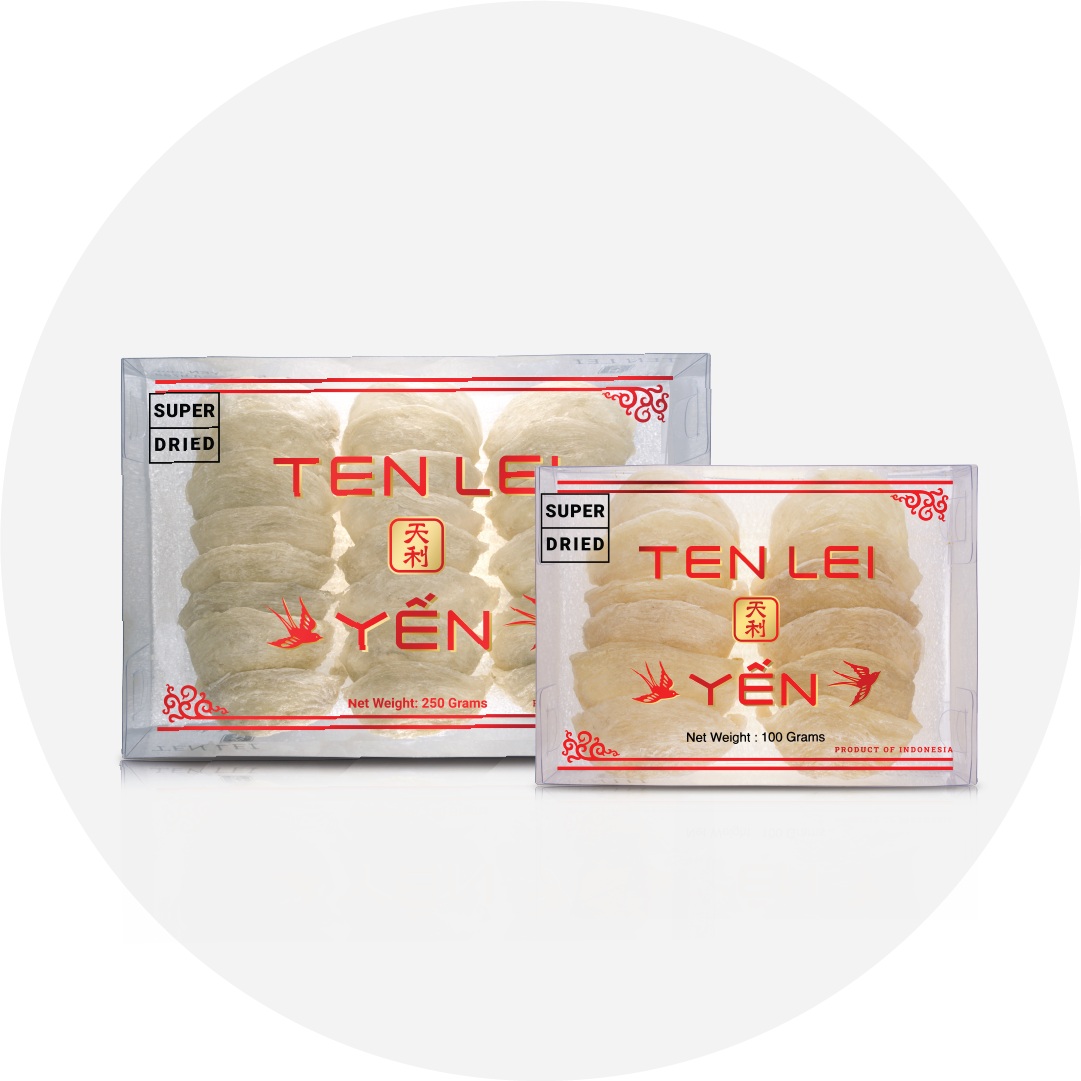
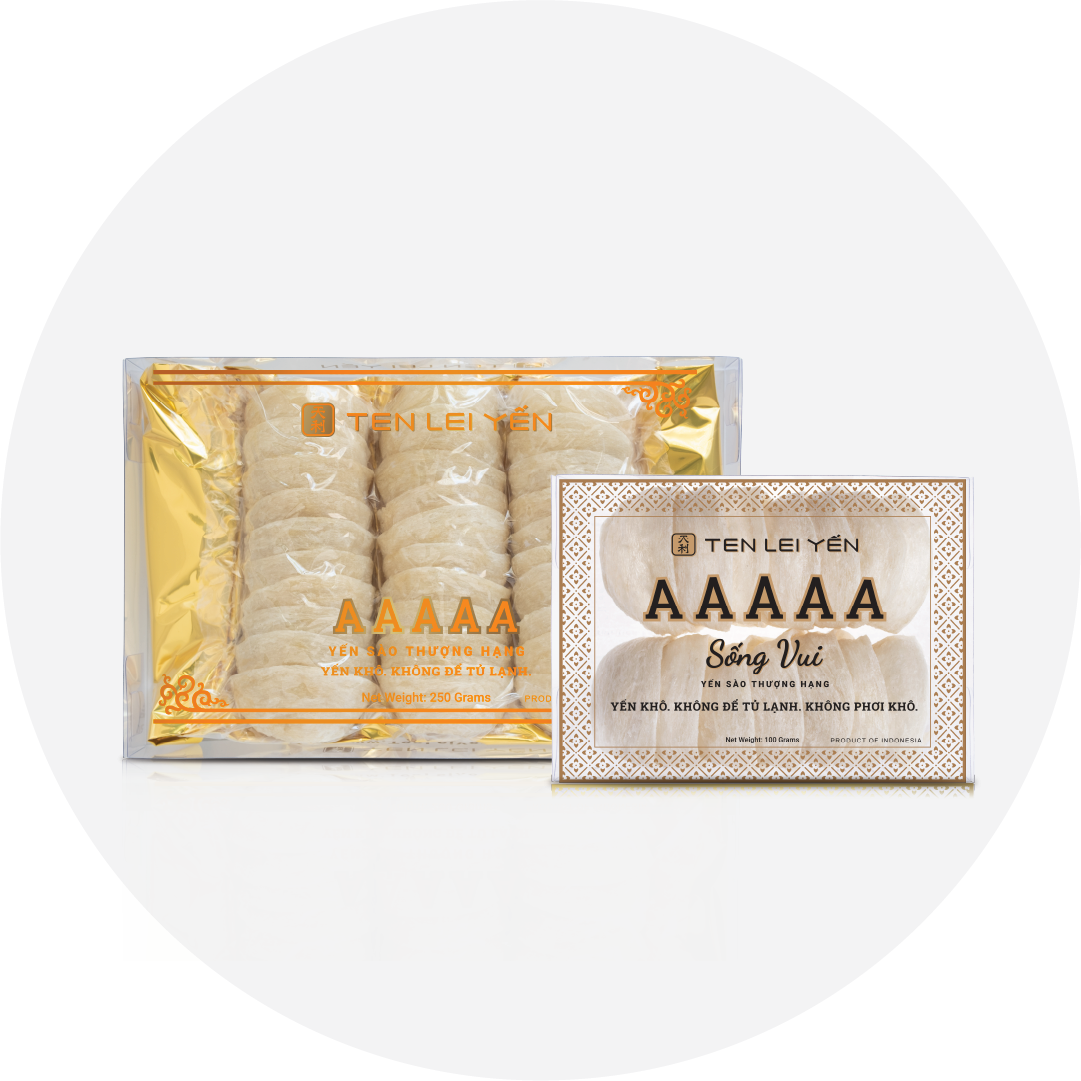
You can explore our selection on the Blue Label and Red Label collections.
This article is general information about a food and its culinary tradition. It is not medical or dietary advice, and these statements have not been evaluated by the Food and Drug Administration. Edible bird's nest is not intended to diagnose, treat, cure, or prevent any disease. For guidance about your own health, please consult a qualified healthcare professional.