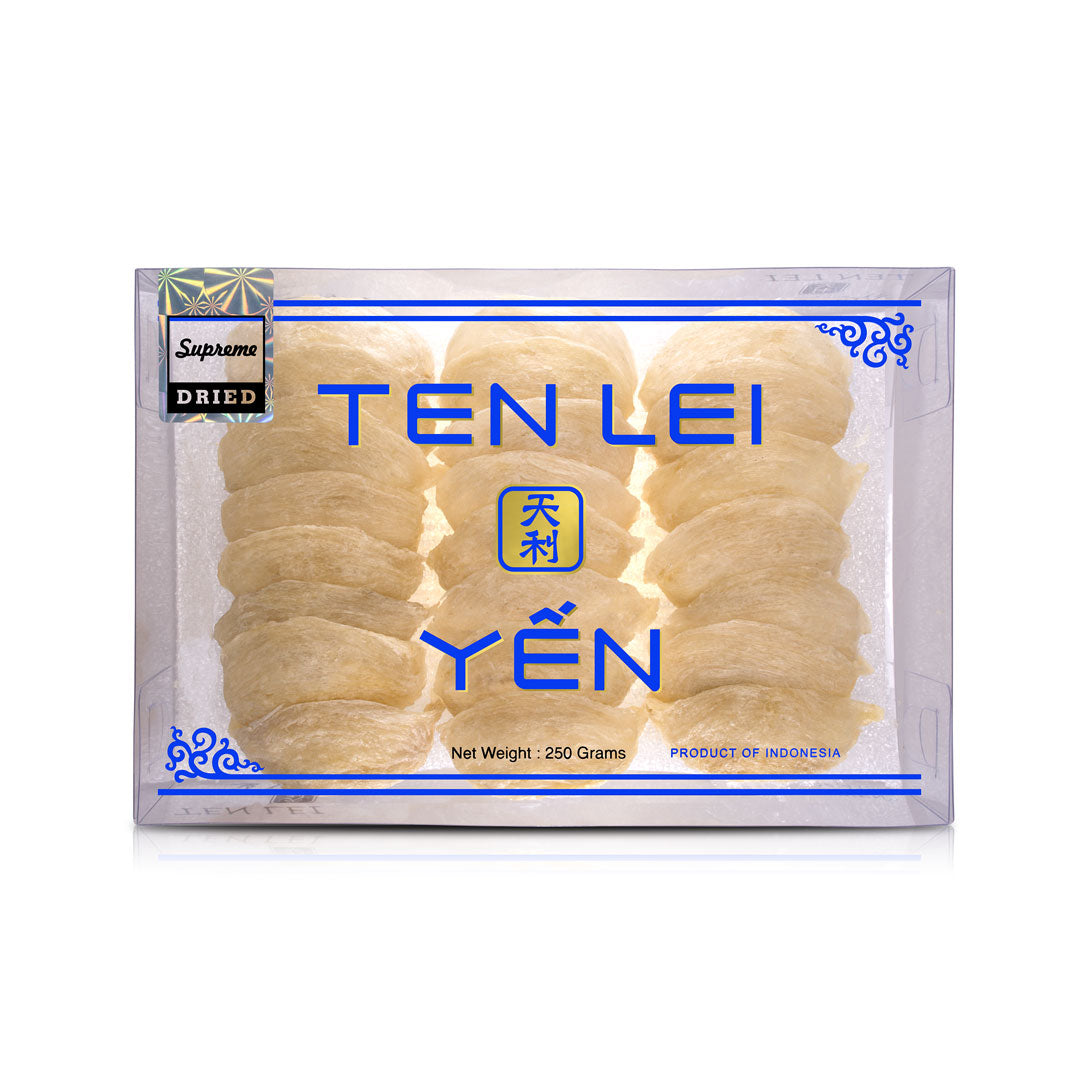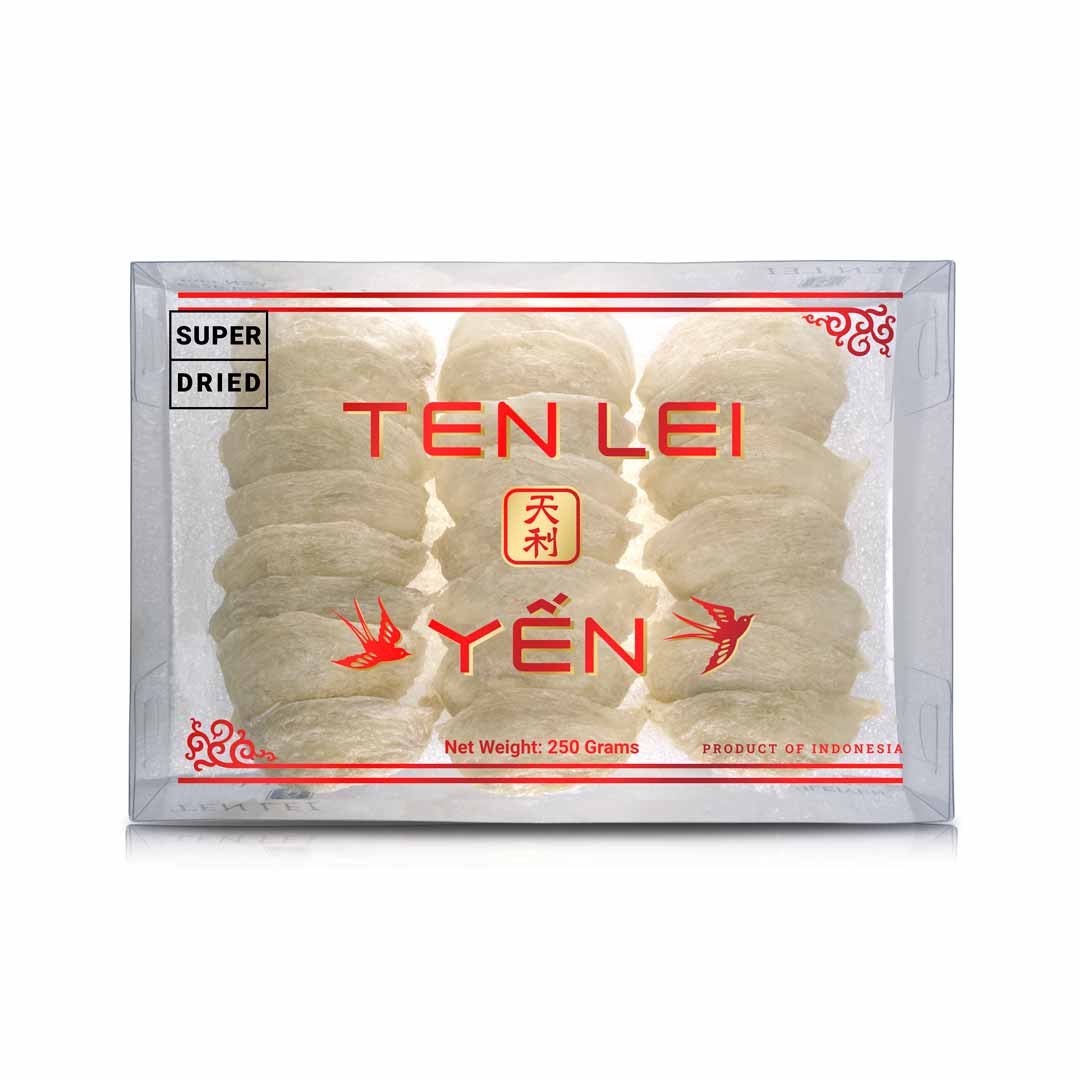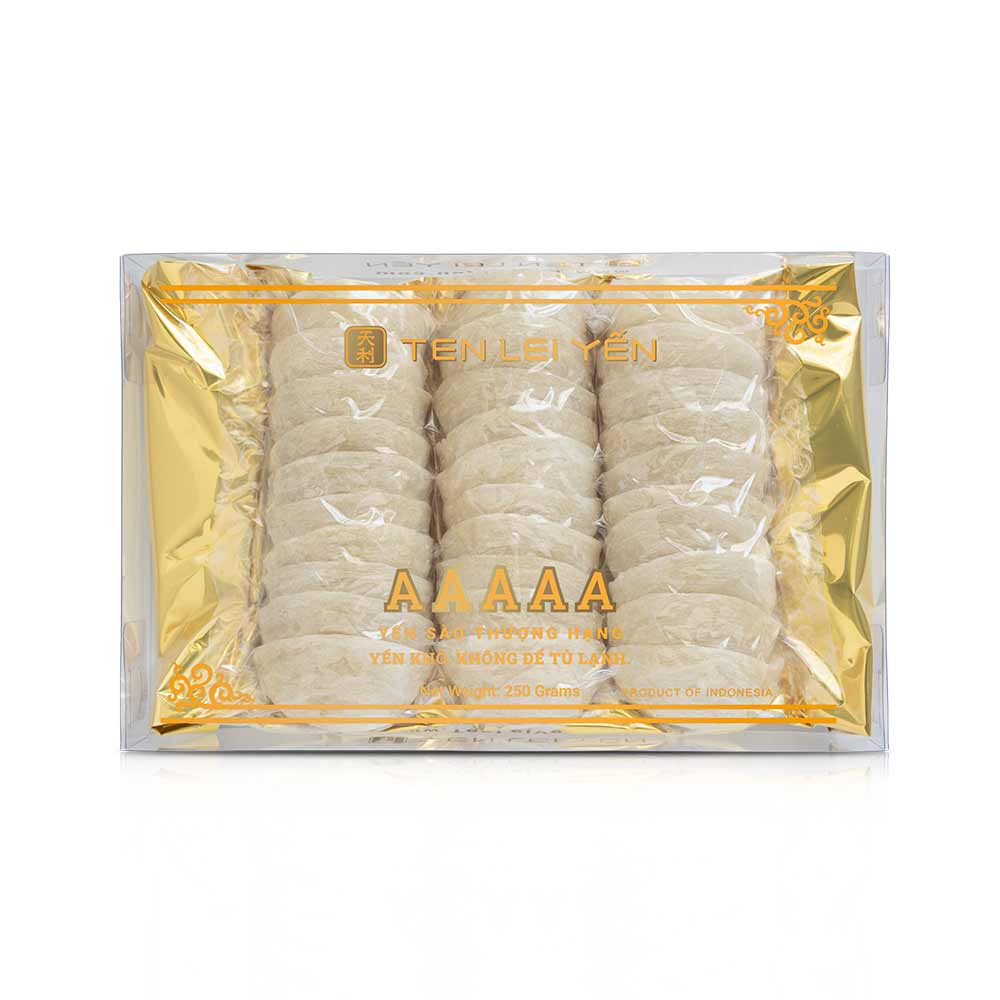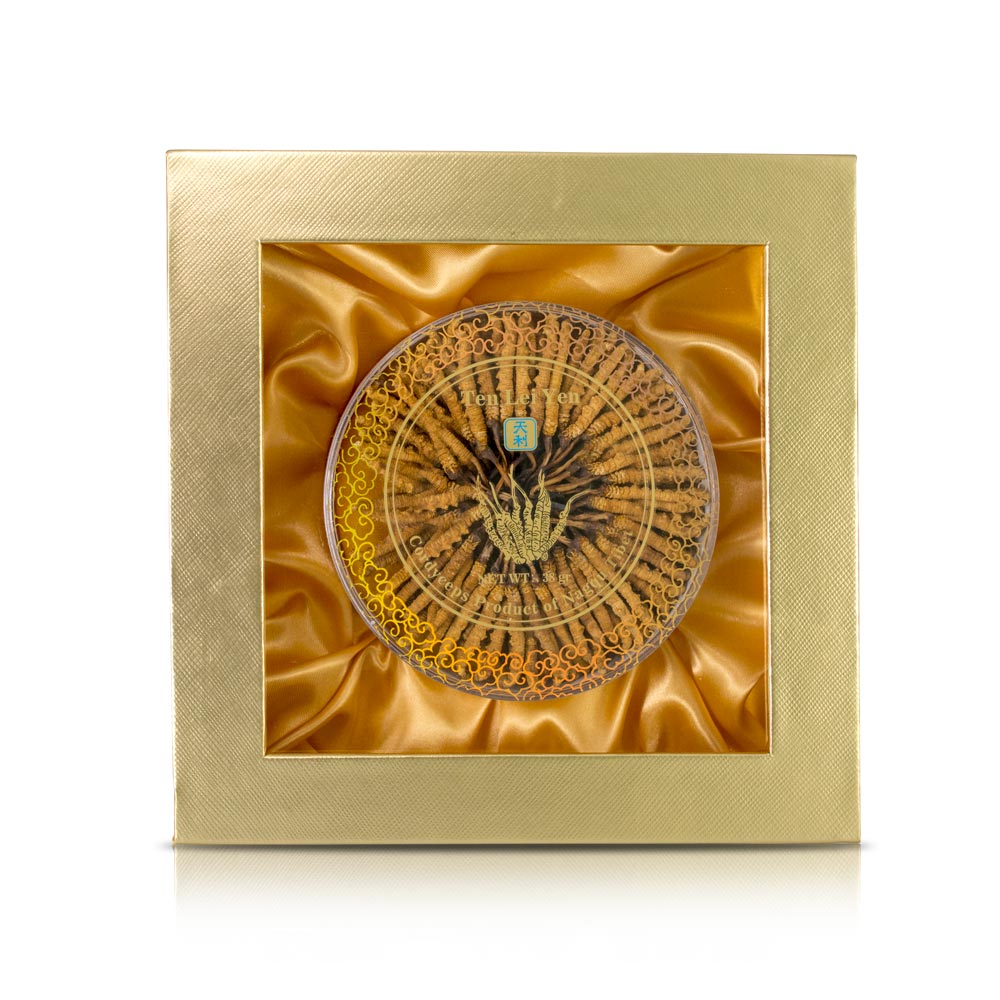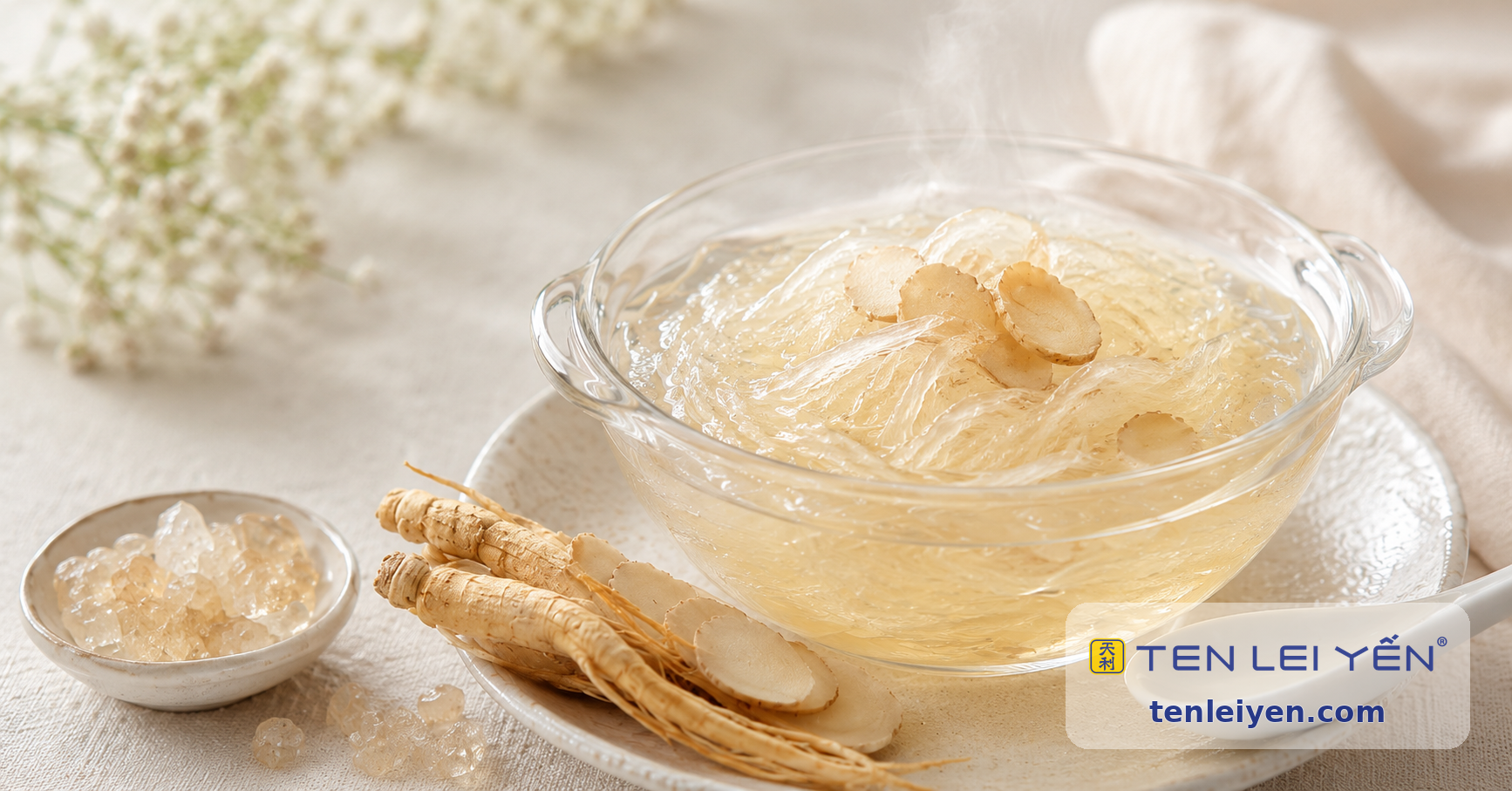
印尼食用燕窝本身的味道非常清淡,几乎接近中性。人们选择它并非因为浓烈或强劲的风味。其鲜明特点在于煮熟后细滑、如凝胶般的质地,口感柔软并带有轻柔的嚼劲,有点像精致的冬粉或清淡的布丁。
要点速览
- 生燕窝味道淡雅、纯净,带有一丝蛋清气息和极轻微的海洋气息。
- 煮熟的燕窝质地丝滑、如凝胶般,带有柔软、分明的燕丝。
- 色泽较浅、较白的等级味道更纯净、更接近中性;色泽较深、偏红的等级带有略深、更具矿物感的气息。
- 燕窝很容易吸收与之同煮的食材,因此调料决定了您所尝到的大部分风味。
- 浸泡4至6小时或过夜,然后隔水炖煮;白燕窝通常需要约40分钟。
印尼食用燕窝是什么
食用燕窝是金丝燕用自身唾液丝筑成的杯状巢。印尼房养燕窝是市场上最常见的种类之一,常被形容为洁净、细滑、丝般顺滑,羽毛或杂质相对较少。由于燕丝纤细均匀,燕窝经清洗和炖煮后,其天然的清淡特质便清晰呈现。
味道和气味如何
燕窝本身的气味轻盈而纯净,而非腥味或刺鼻。大多数人会注意到淡淡的蛋清气质,以及一丝轻微的海洋气息,还夹杂着一缕若有若无的土壤气息。风味十分含蓄,因此初次品尝者常说它比想象中清淡许多。
煮熟后的质地
质地才是重头戏。浸泡得当并温和炖煮的燕窝会变得半透明而滑润,化为悬浮在汤汁中的柔软燕丝。口腔感受细滑柔润,带有轻柔的弹性,烹煮得当时绝不会软硬发韧。
味道如何随等级与颜色变化
风味会随等级与颜色略有变化。较洁净、较白的燕窝往往味道最为中性、淡雅。金黄色和偏红的燕窝通常带有略为明显、偏矿物感的气息,不过差异颇小,整体仍然细腻含蓄。您可以在我们的Blue Label 系列中探索色泽较浅的等级,在Red Label 系列中探索色调较深的等级。
风味如何随烹煮变化
由于燕窝味道如此清淡,您所体验到的味道在很大程度上取决于烹调方式:
- 甜味款(最受欢迎):与冰糖和少许人参一同炖煮,口感清甜淡雅,回味纯净。
- 咸味款(许多印尼家庭常见做法):以清鸡汤加香草炖煮,带有淡淡的蛋香咸鲜,同时保持细腻。
两种做法中,燕窝都是增添料理的浓稠度与细滑口感,而非与其他食材争味。
如何在家烹制
- 将干燕窝在凉水中浸泡4至6小时或过夜,直到燕丝松散并涨发。
- 轻轻冲洗,挑去残留的羽毛或碎屑。
- 隔水炖煮。白燕窝通常约40分钟即变软嫩;质地较密的等级可能需要稍长时间。
- 在接近煮好时加入冰糖、人参或汤底,以保持质地清盈。
常见问题
印尼燕窝尝起来腥吗?
不腥。味道清淡纯净,至多带有极轻微的海洋气息,而非浓重的腥味。
最受欢迎的食用方式是什么?
经典的甜味做法,以冰糖、并常加少许人参炖煮,最受欢迎,带来淡淡的甜味和如凝胶般的质地。
我应该浸泡多久?
浸泡4至6小时或过夜,直到燕丝变软涨发后再烹煮。