By Alina @ TLY
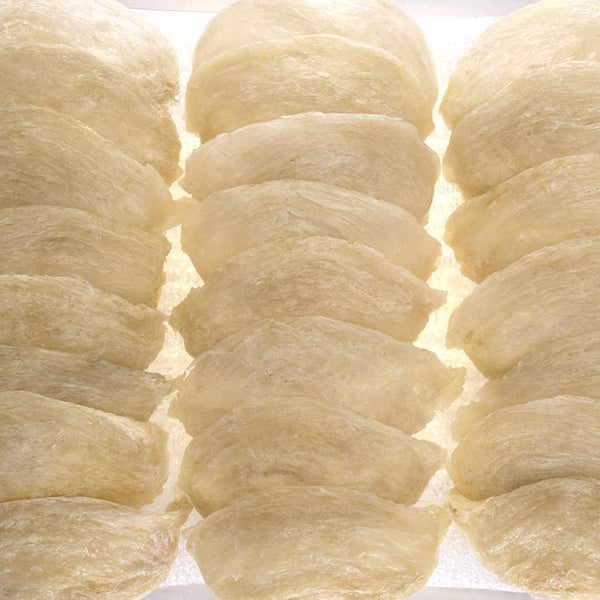
Bird's nest changes shape depending on where it's served: a small lidded bowl of sweet tong sui in a Hong Kong dessert shop, a chilled cup in Singapore, a home-stewed gift in a Vietnamese kitchen, or a Sunday-dinner bowl in a Chinese- or Vietnamese-American household. The nest itself stays the same fine, translucent strand — what changes is the temperature, the vessel, and the occasion.
- Hong Kong dessert shops serve bird's nest as tong sui (sweet soup), traditionally warm in cooler months and cooled when the weather turns mild.
- Singapore leans toward convenience — bird's nest with rock sugar served chilled or at room temperature, often from small ready-to-drink servings.
- In Vietnam, chưng yến (stewing bird's nest with rock sugar at home) is treated as a personal, hands-on gesture rather than a shop purchase.
- Chinese- and Vietnamese-American homes often blend both customs — a double-boiled bowl on a cool evening, using the same 4-6 hour soak and roughly 40-minute double-boil as the traditional method.
- A standard serving is 3-5 g of dry nest; a whole-nest bowl (one whole nest) works out to about 2-4 standard servings, whichever kitchen it's served in.

Hong Kong: A Sweet Soup Served by the Spoonful
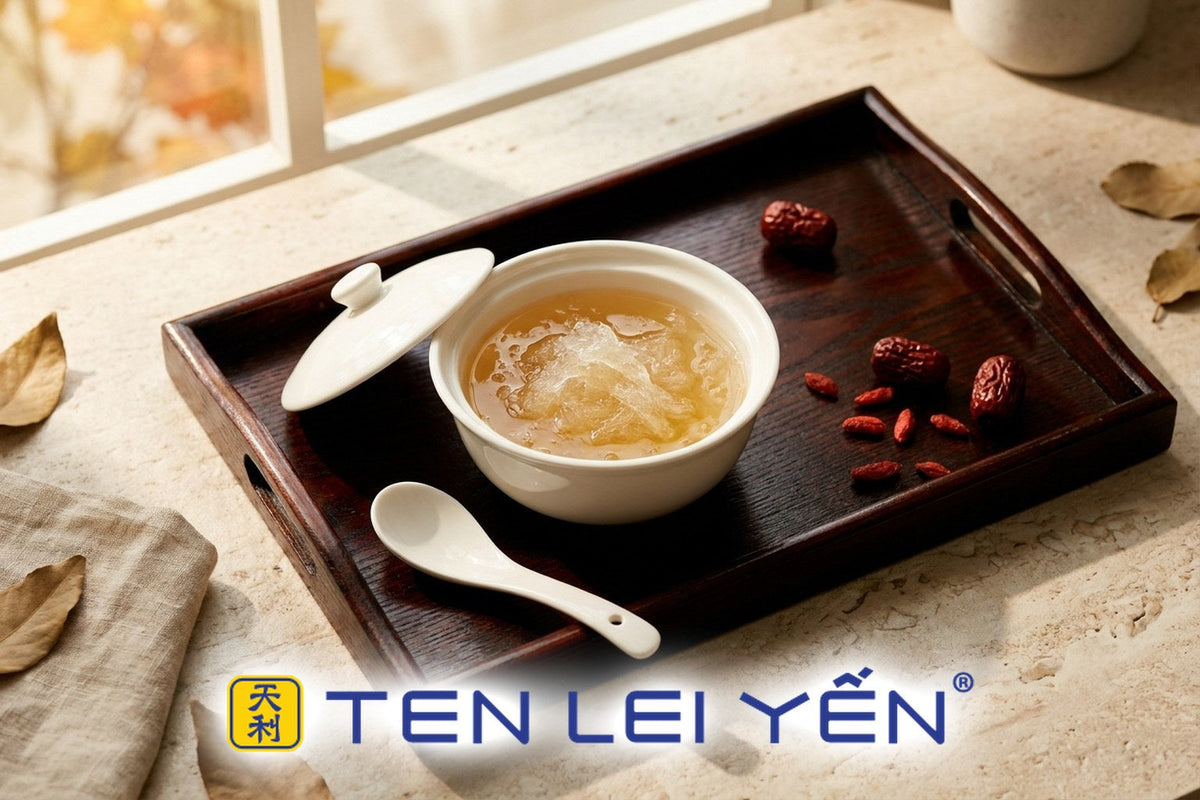
Hong Kong's tong sui shops grew out of the postwar years, when sweet-soup traditions from across southern China converged into the small, lidded-bowl culture the city is known for today. Bird's nest tong sui is typically served warm through the cooler months and eased toward room temperature or lightly chilled once the weather softens — the same rhythm that governs the rest of a dessert shop's menu. Because the nest itself is delicate and prized for its texture, dessert shops serve it in a generous single portion rather than diluting it across a large bowl, usually in a small lidded porcelain bowl with its own spoon, meant to be eaten slowly, strand by strand.
Singapore: Convenience Without Losing the Ritual
Singapore's bird's nest culture leans practical. Alongside home-stewed bowls, small ready-to-drink servings with rock sugar are common on shelves — sold to be taken chilled from the refrigerator or gently warmed, depending on the season and the moment. The appeal is that the ritual of a small, sweet bowl travels well into a busy day: an afternoon pause taken cold, or a quiet evening pour taken warm. Either way, the serving stays modest — a single cup or small bowl, not a shared tureen — which keeps the texture the focus rather than the volume.

Vietnam: A Home-Stewed Gesture Passed Between Generations
In Vietnamese households, chưng yến đường phèn — bird's nest stewed slowly with rock sugar, often alongside a few red dates — tends to happen at home rather than at a shop counter. Cleaning and soaking the raw nest before stewing is treated as a hands-on task, frequently taken on by one family member preparing a bowl for another as a personal gesture rather than a routine dessert order. The nest is stewed on low heat until softened, with rock sugar stirred in only near the end so it dissolves without overcooking the delicate strands, then served warm in a small individual bowl — one bowl per person rather than a communal pot.
Chinese- and Vietnamese-American Homes: Old Customs, New Kitchen
In diaspora kitchens across the U.S., the two traditions often blend. A double-boiler or a simple heatproof bowl set in a pot of water still does the work a dessert shop's kitchen once did, and the timing hasn't changed: dried nest soaks 4-6 hours or overnight, then double-boils for about 40 minutes until the strands turn tender and translucent. As evenings cool into October, that warm, slow-cooked bowl fits naturally into a family's routine — served in individual white porcelain bowls at the end of a weeknight dinner rather than reserved only for banquets. Leftovers keep refrigerated for 3-5 days, so a single stewing session can cover a few quiet evenings rather than just one. For a look at how the same ingredient shows up at more formal occasions, see how bird's nest is served in a traditional banquet course.
Choosing How to Serve It at Home
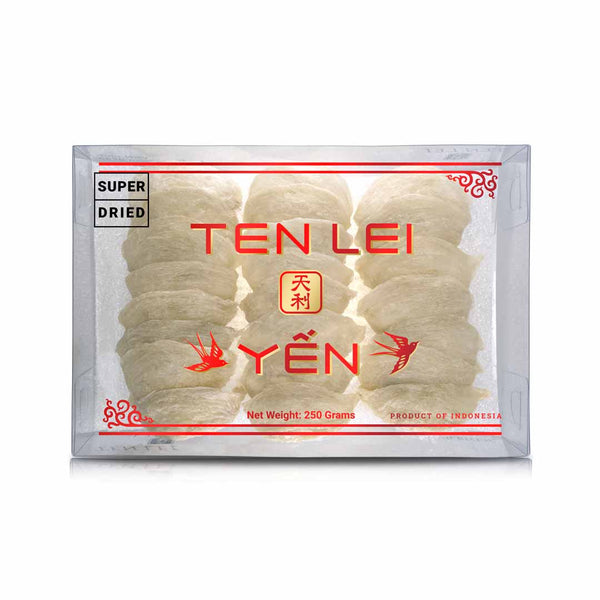
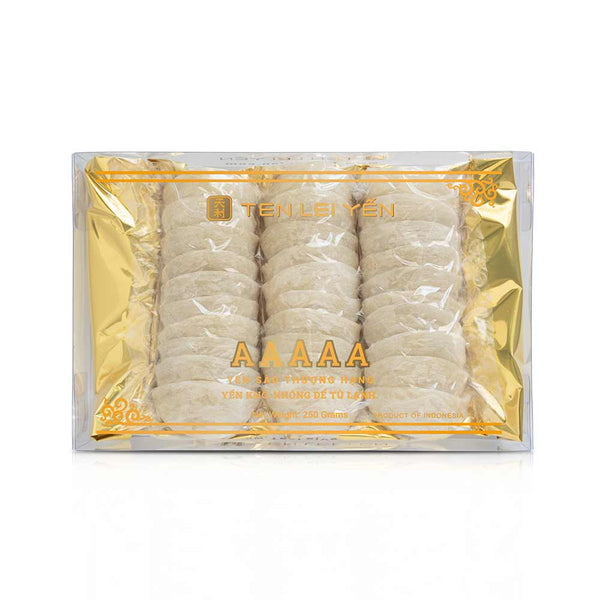
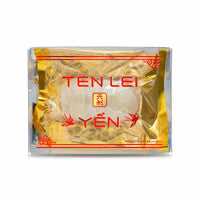
Whichever regional style a household leans toward, the underlying serving math stays consistent: a standard serving is 3-5 g of dry nest, and a whole-nest bowl — using one whole nest — works out to roughly 2-4 standard servings, so it's easy to plan a bowl around one person or a small family. If you're curious how the texture itself compares across grades before deciding how to serve it, what does bird's nest taste like is a useful starting point. Ten Lei Yen's Blue Label, Red Label, and 5A lines each come packed 250 g to a box, so the serving count simply depends on the grade you start with.

Frequently Asked Questions
Is bird's nest always served sweet?
No. Sweet preparations with rock sugar are the most common across Hong Kong, Singapore, and Vietnamese homes, but bird's nest also appears in savory broths in some banquet-style kitchens, where seasoning stays light so the nest itself remains the focus.
What's the main difference between how Hong Kong and Vietnam serve bird's nest?
Hong Kong's version is largely a dessert-shop tradition — a small lidded bowl of tong sui ordered and eaten on the spot. Vietnam's chưng yến đường phèn is more often a home-stewed dish, prepared by one family member for another rather than bought ready-made.
What's the traditional vessel for serving bird's nest?
A small lidded porcelain bowl with its own spoon is the most common serving vessel across these traditions, whether the bowl holds a warm dessert-shop portion or a home-stewed family serving.
How long should dried bird's nest soak before cooking?
Dried bird's nest should soak for 4-6 hours or overnight in cool water before double-boiling for about 40 minutes, regardless of whether it will be served sweet or savory, hot or chilled.




 或
 或