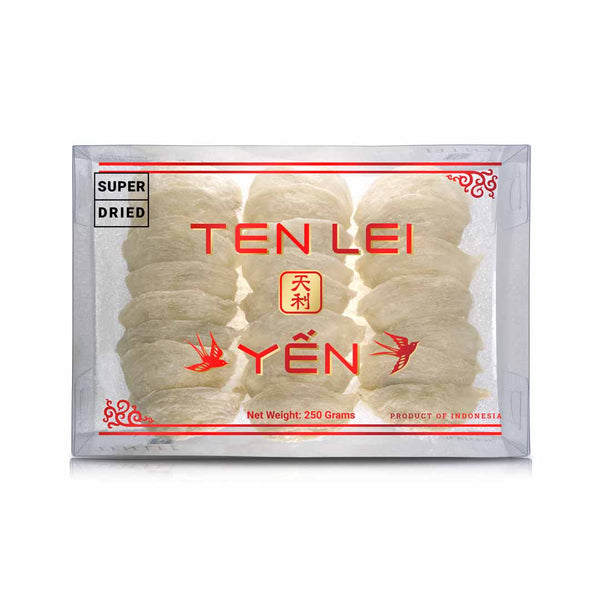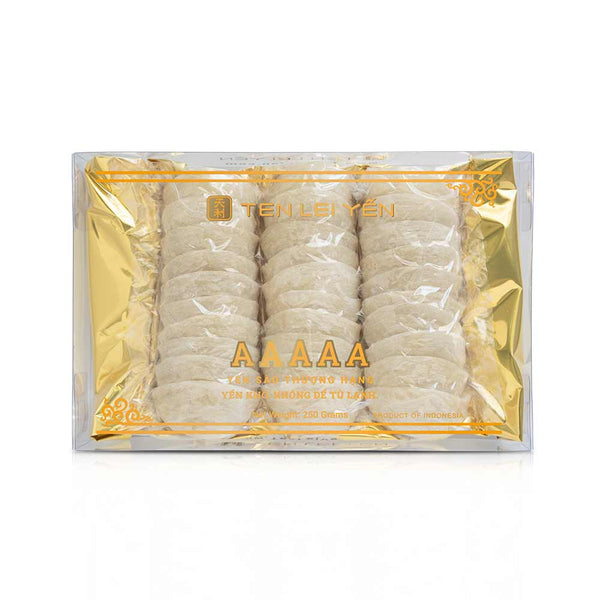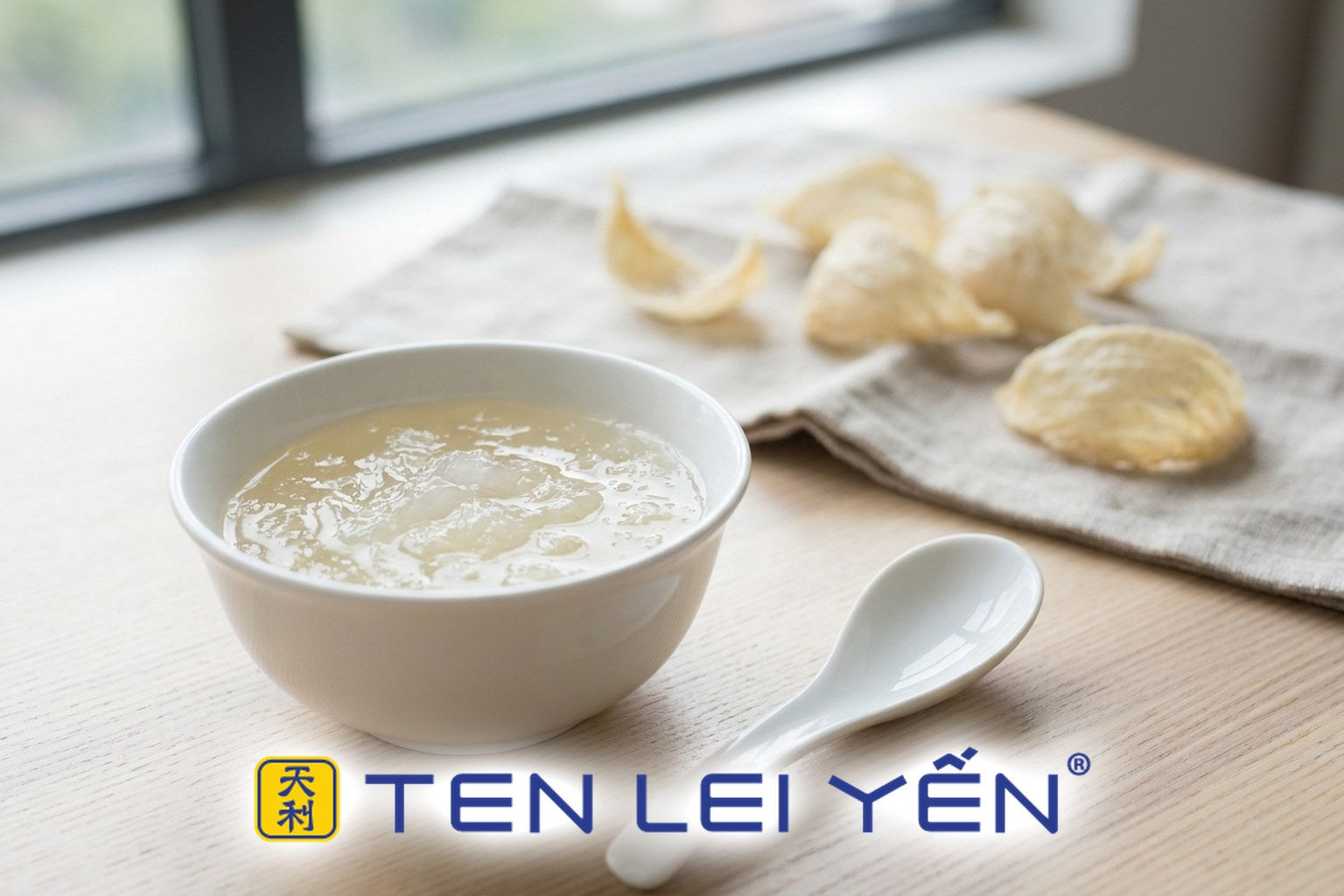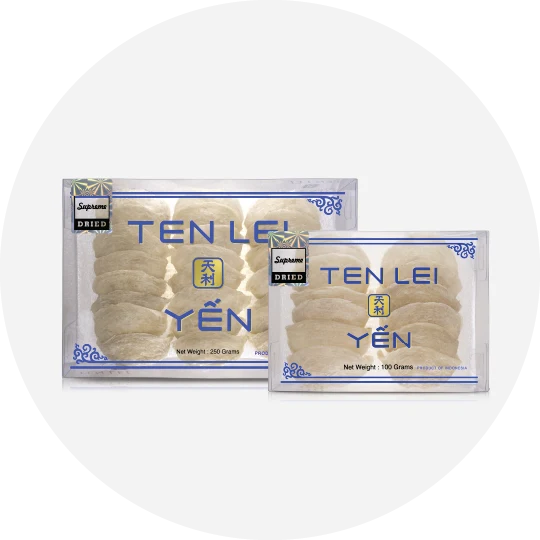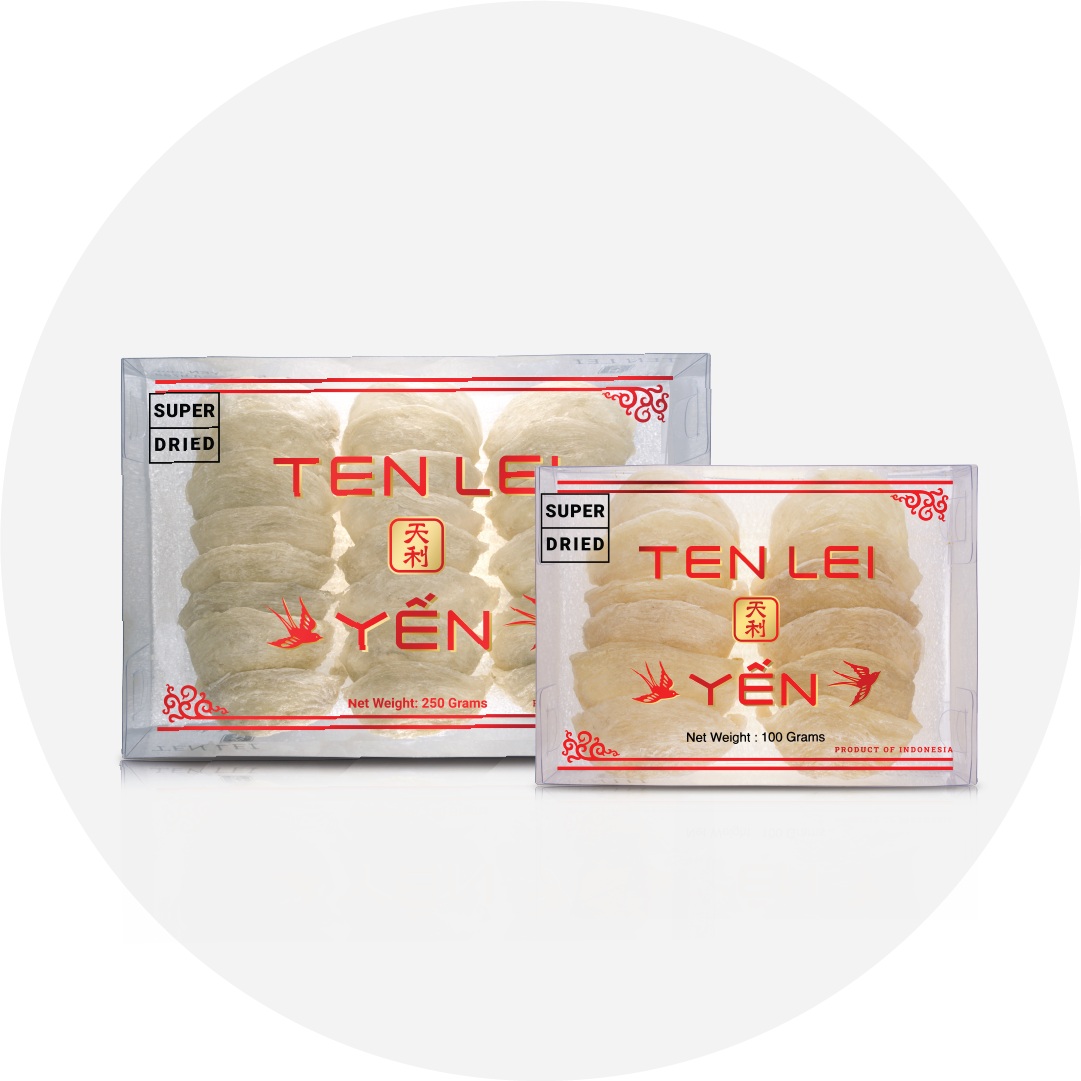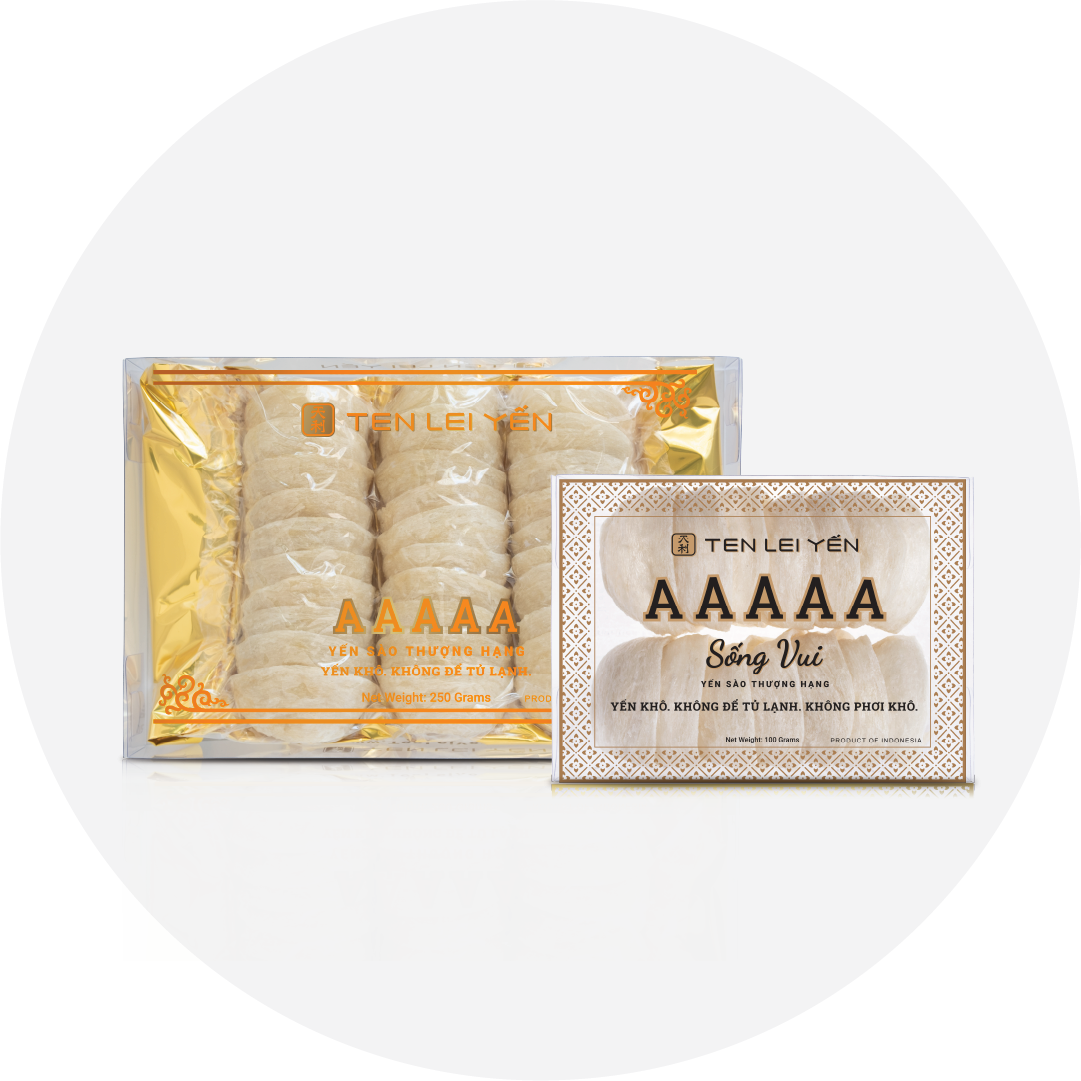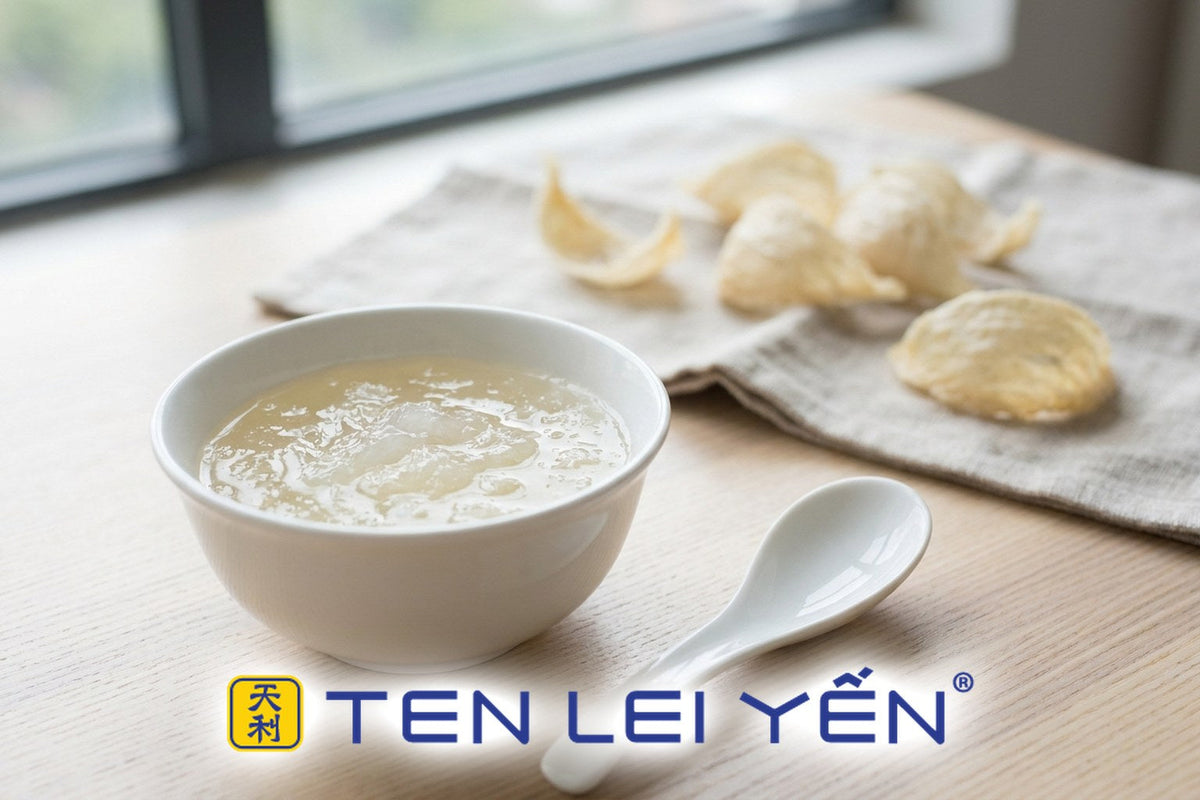
On its own, edible bird's nest has a very mild, delicate, almost neutral taste, with a faint egg-white or clean aquatic note and a soft, silky, slightly springy gel-like texture. Most of the flavor in a finished bowl actually comes from what the nest is cooked with, not from the nest itself.

Regular price
$800
Sale price
$725
Key takeaways
- Plain bird's nest tastes very subtle and clean, with a light egg-white or fresh, faintly aquatic note, and no strong or gamey flavor.
- Its signature is texture, not taste: soft, silky, and slightly springy, similar to very light, tender strands of set gelatin.
- Because it is so neutral, bird's nest takes on the flavor of whatever it is prepared with, sweet or savory.
- Sweet preparations use rock sugar, ginseng, red dates, longan, or fresh fruit; savory versions use light broths.
- Fresh, clean, well-prepared nest should smell faintly of egg white, never fishy, musty, or heavily perfumed.
What plain bird's nest actually tastes like
If you tasted a spoonful of double-boiled bird's nest with nothing added, the first thing you would notice is how little it tastes of anything. The flavor is soft and clean, with a faint egg-white quality and a light, almost aquatic freshness. There is no strong savory, sweet, or gamey character to it. This mildness is not a flaw. It is the whole point, and it is why bird's nest has been treated for centuries as a delicate base rather than a bold ingredient.
Why the texture matters more than the taste
Ask people who enjoy bird's nest what they love about it, and most will describe the texture before the flavor. Properly prepared, the fine strands turn soft, silky, and lightly springy, holding a gentle bite without ever becoming rubbery or slippery. It sits somewhere between a very light gelatin and a tender, delicate noodle, suspended in clear liquid. That mouthfeel, smooth and a little bouncy, is the reason bird's nest is prized as a texture ingredient.

Why bird's nest is so mild
Edible bird's nest is built almost entirely from the fine, interwoven strands a swiftlet forms into a cup or boat shape. Once soaked and gently cooked, those strands are what you eat. There is very little in a clean, well-processed nest to create a strong flavor, which is exactly why it reads as neutral. A good-quality white nest, properly cleaned, should have only that light egg-white scent and taste, with nothing fishy, musty, or overly perfumed.
How preparation changes the flavor
Because plain bird's nest is such a blank canvas, the finished flavor comes almost entirely from how you cook it. The traditional method is to soak the dry nest in clean water for four to six hours or overnight until it fully expands, rinse it gently, then double-boil it with water for about forty minutes. From there, the direction is up to you.
Sweet preparations
The classic sweet version is double-boiled with rock sugar, which adds a clean, gentle sweetness without covering the nest's delicate character. From there you can add ginseng for a mild bittersweet depth, red dates and longan for a rounder, warmer note, or fresh seasonal fruit for a lighter, cooler bowl. For a version with no added sugar, ripe fruit or a zero-sugar sweetener like monk fruit can carry the sweetness instead.
Savory preparations
Bird's nest is just as at home in savory cooking. Added to a light chicken broth or double-boiled into a clear soup, it keeps its silky texture while taking on the flavor of the broth around it. The nest stays subtle; the broth does the talking.
What good bird's nest should not taste like
Freshness and cleaning matter. A quality nest should smell and taste faintly of egg white and nothing else. A strong fishy, sour, musty, or chemically perfumed smell is a sign of a lower-quality or poorly processed nest, or one that has not been stored well. If you want to understand what to look for before buying, our bird's nest buying guide walks through grades, types, and cleaning.
How to enjoy it for the first time
If you are trying bird's nest for the first time, start simple: double-boiled with just a little rock sugar, so you can taste the nest and feel its texture clearly before adding anything bolder. Once you know that clean, mild baseline, it becomes easy to see why so many cooks build sweet and savory bowls around it. For ideas on what to add, see what goes well with bird's nest, and browse our 5A white nest and specialty nest collections to choose a grade to start with.
By Alina @ TLY