Blogs

Underground for Years: The Moth Behind Wild Cordyceps
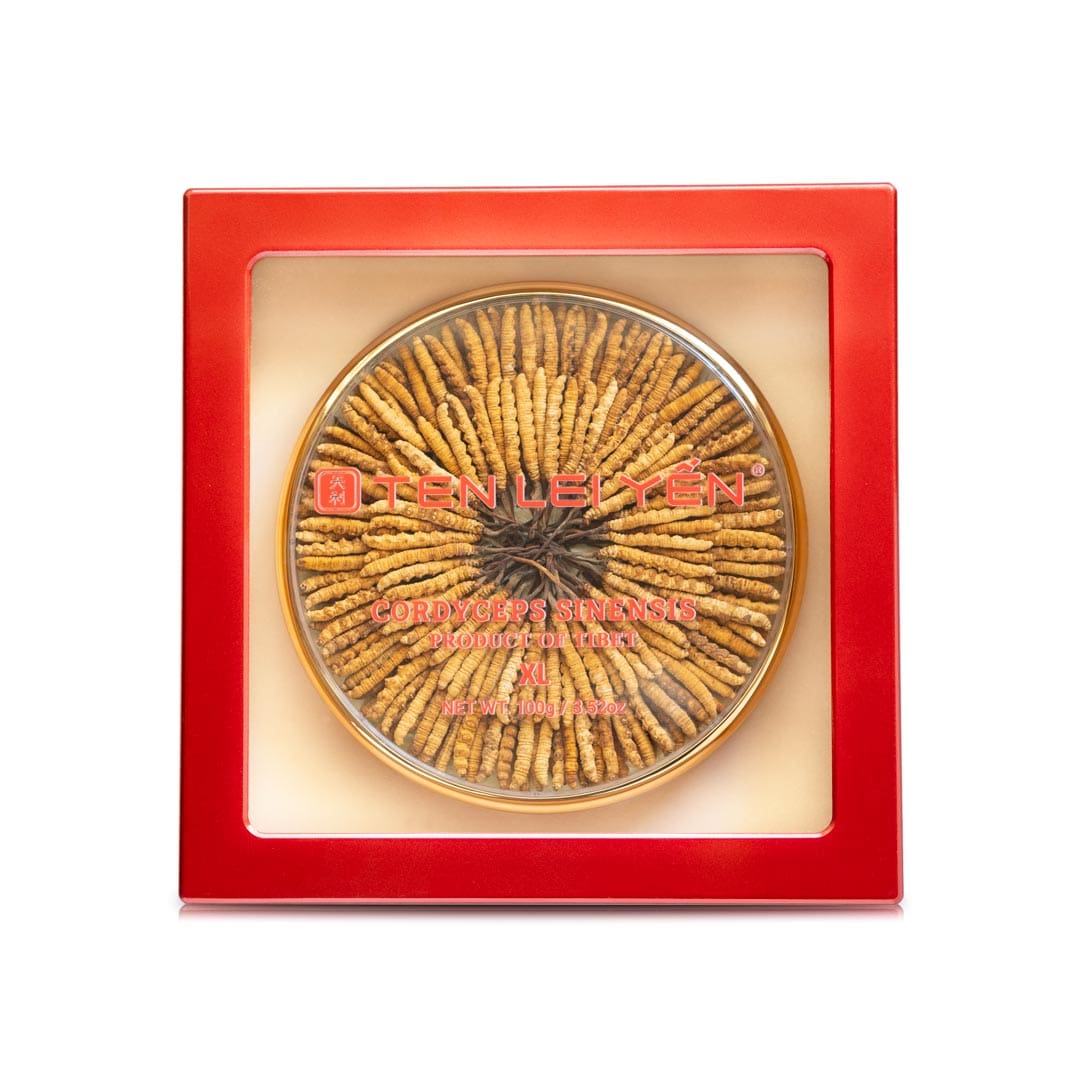
The ghost moth spends years as a larva underground before a fungus can slowly turn it into wild cordyceps, real Thitarodes and Ophiocordyceps biology, zero folklore.
Learn more
Roasted Chestnut and Bird's Nest, Double-Boiled with Ginseng
A double-boiled bird's nest bowl with roasted chestnut and ginseng, made for early autumn with no added sugar.
Learn more
Wild Cordyceps at a Double Ninth Gathering: Cooking for the Elders
How to cook and serve wild cordyceps for a Double Ninth gathering on October 18, 2026, with portioning and presentation guidance for a multi-generation table.
Learn more
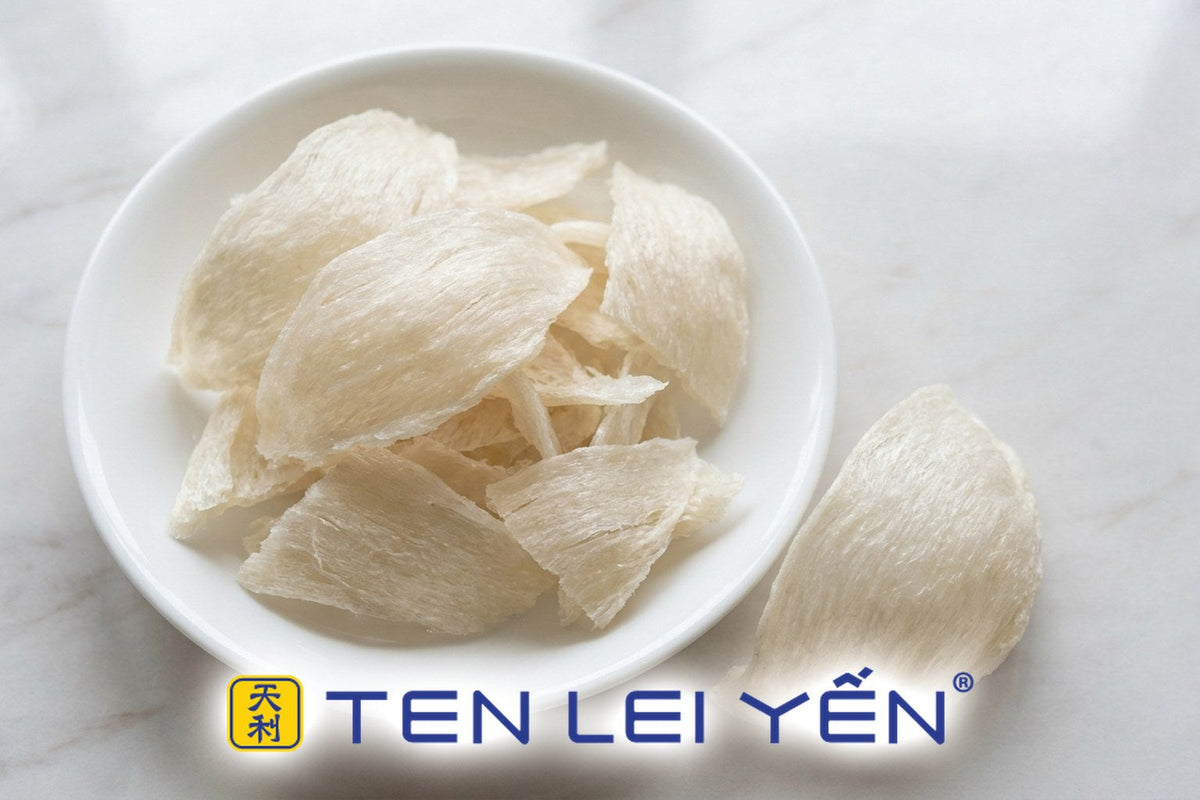
Portioning Bird's Nest Without a Kitchen Scale
A whole nest splits cleanly into standard servings by piece, not the gram, so you can portion bird's nest accurately without ever owning a scale.
Learn moreHow to Cook Dried Bird's Nest with Rock Sugar (Double-Boil Method)
Learn how Ten Lei Yen cooks dried bird's nest with rock sugar: soak, double-boil 40 minutes, recipe card with grams, texture cues, add-ins and storage.
Learn moreIs It Legal to Buy or Bring Edible Bird's Nest Into the United States?
Is it legal to buy or bring edible bird's nest into the US? Ten Lei Yen explains what CBP allows, why luggage nests are seized, and how to buy legally.
Learn moreWhere to Buy Edible Bird's Nest in Orange County, CA (Little Saigon)
Where to buy edible bird's nest in Orange County: Ten Lei Yen, a family-run Little Saigon specialist in Westminster, CA with hours, prices and a shop checklist.
Learn more
Cordyceps and Water: How Much Liquid a Double-Boil Actually Needs
Concrete water ratios for double-boiling cordyceps, plus why the outer pot's water level matters more than people expect.
Learn more
Strand by Strand: How a Swiftlet Builds Its Nest
How a swiftlet actually builds an edible nest: the saliva, the roughly 35-day timeline, and why every nest keeps the same half-cup shape fixed to the wall.
Learn more