By Alina @ TLY
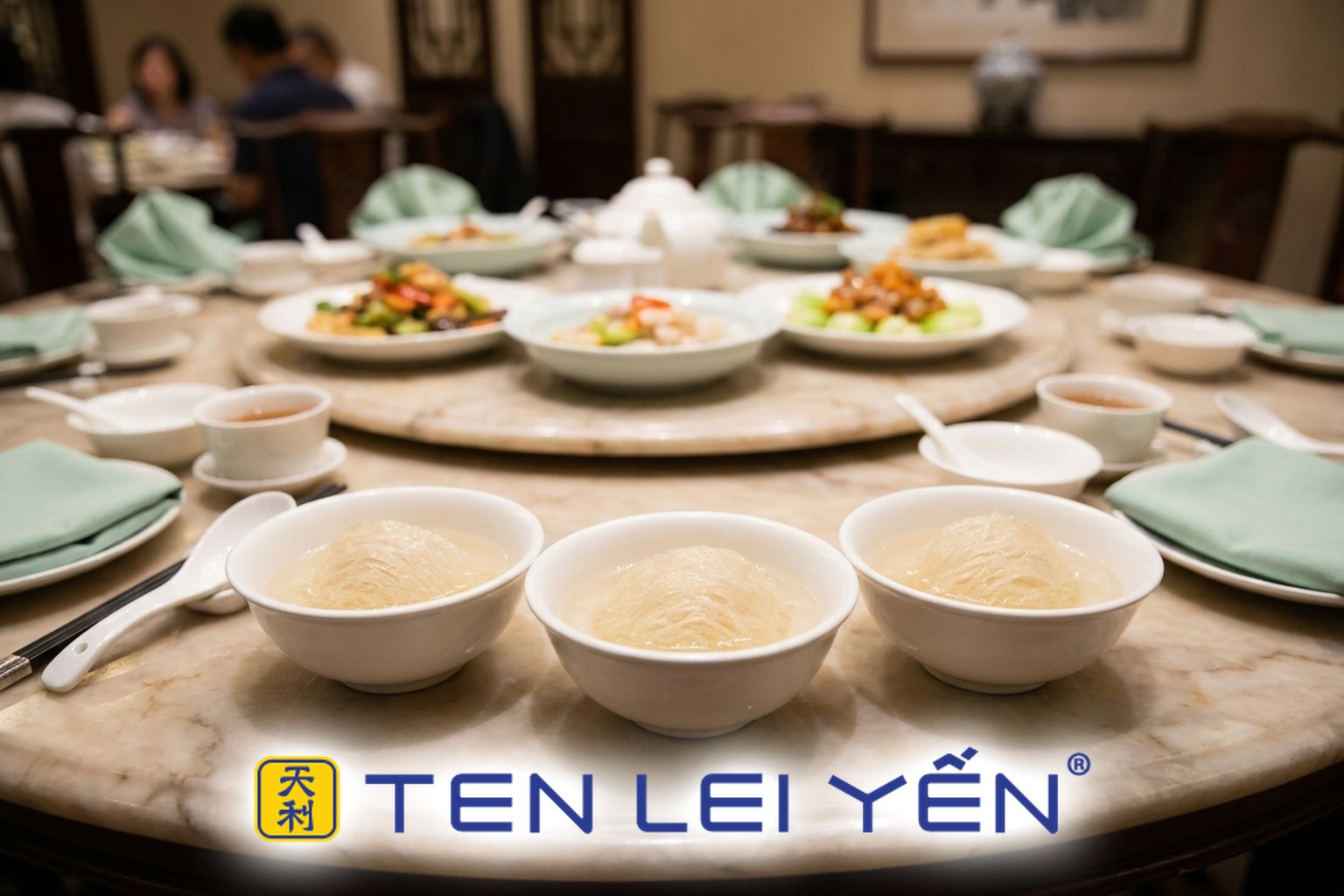
At a traditional Chinese banquet, edible bird's nest is served as its own individual course rather than folded into another dish. Most commonly it appears as a warm, double-boiled soup soon after the cold appetizers, though many banquets today place it later as a sweet dessert course. In both cases, it is ladled into small individual bowls, one per guest, rather than passed around in a single shared tureen.
Key takeaways
- Bird's nest is almost always served as its own course, not mixed into another dish.
- It can appear savory (early in the meal, as a soup course) or sweet (late, as a dessert course), depending on the banquet.
- Portions are individual — one small bowl per guest — never a single communal tureen.
- Rock sugar with a few ginseng or red date accents are the classic sweet-course additions.
- Serving it warm signals hospitality at a formal dinner; a chilled version is common at summer banquets.
When in the Meal Does Bird's Nest Appear?
Placement varies by region and by host, but two patterns are most common. In the older, more formal pattern, bird's nest soup follows the cold appetizers as a savory course, alongside other prized double-boiled soups. Soup at this point in a banquet is meant to signal a gentle, cleansing transition into the richer dishes still to come. In the more common pattern at modern banquets and family celebrations, bird's nest is saved for the dessert course, served sweet after the last savory plate has been cleared, alongside items like sweet red bean soup or lotus seed buns.
Savory Opening Course or Sweet Closing Course?
Either service is authentic; the difference is mostly regional custom and the tone the host wants to set. A savory bowl early in the meal is unsweetened or lightly salted, often built on a light chicken or seafood broth. A sweet bowl at the end is simmered with rock sugar and sometimes a few slices of ginseng or red dates, and may be served warm or chilled depending on the season.
| Savory Opening Course | Sweet Closing Course | |
|---|---|---|
| When it's served | Just after cold appetizers | After the last savory dish |
| Base | Light broth | Water with rock sugar |
| Common additions | A little white pepper, light seafood | Ginseng slices, red dates |
| Temperature | Always warm | Warm or chilled by season |
| Portion | Small individual bowl | Small individual bowl |
Why Individual Bowls, Not a Shared Tureen
Because a whole dried nest is portioned by the piece rather than by the ladleful, hosts typically prepare one nest per guest and double-boil each portion so every bowl holds a fair, visible share of the actual nest — not just broth. Serving it already divided into individual bowls also keeps the delicate, tightly woven strands intact instead of breaking them apart while serving from a shared pot.

Hosting a Bird's Nest Course at Home
To recreate a banquet-style course at home, soak dry bird's nest for 4-6 hours or overnight until fully expanded, then double-boil it gently for about 40 minutes with water and, for a sweet course, rock sugar and a few ginseng slices. One dry nest (about 8-14 g) makes one generous whole-nest bowl — about 2-4 standard servings of 3-5 g each — matching the one-bowl-per-guest banquet custom. Serve immediately after cooking for the best texture, or refrigerate and use within 3-5 days.
Frequently Asked Questions
Can I serve a bird's nest course for a smaller dinner at home?
Yes. The same one-nest-per-guest, individual-bowl approach used at banquets works well for a home dinner of any size.
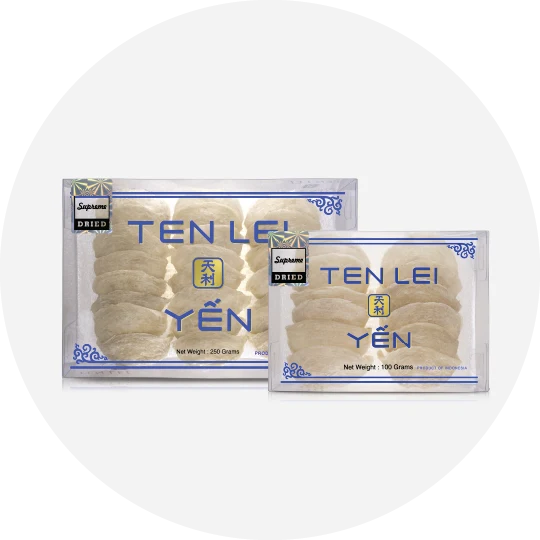
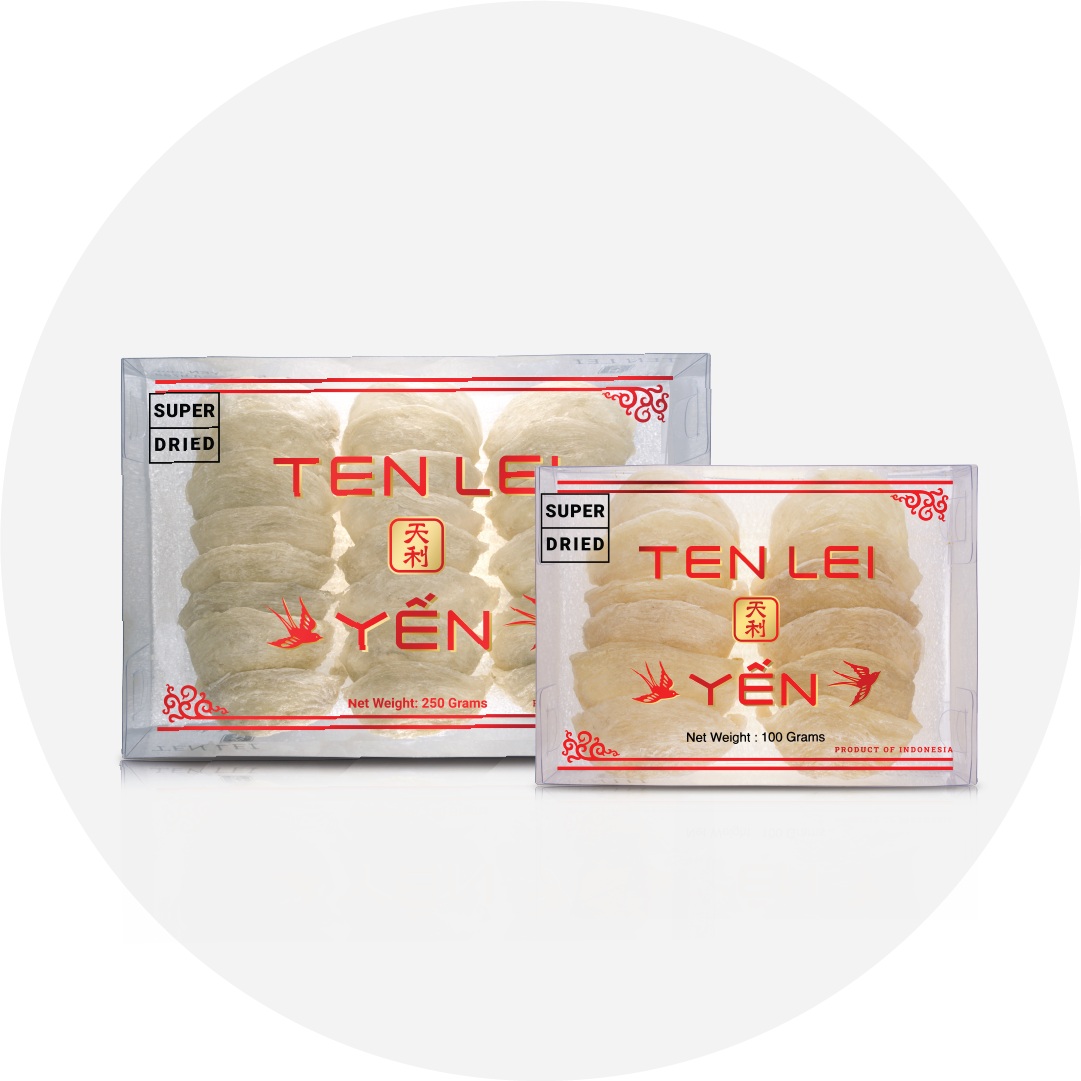
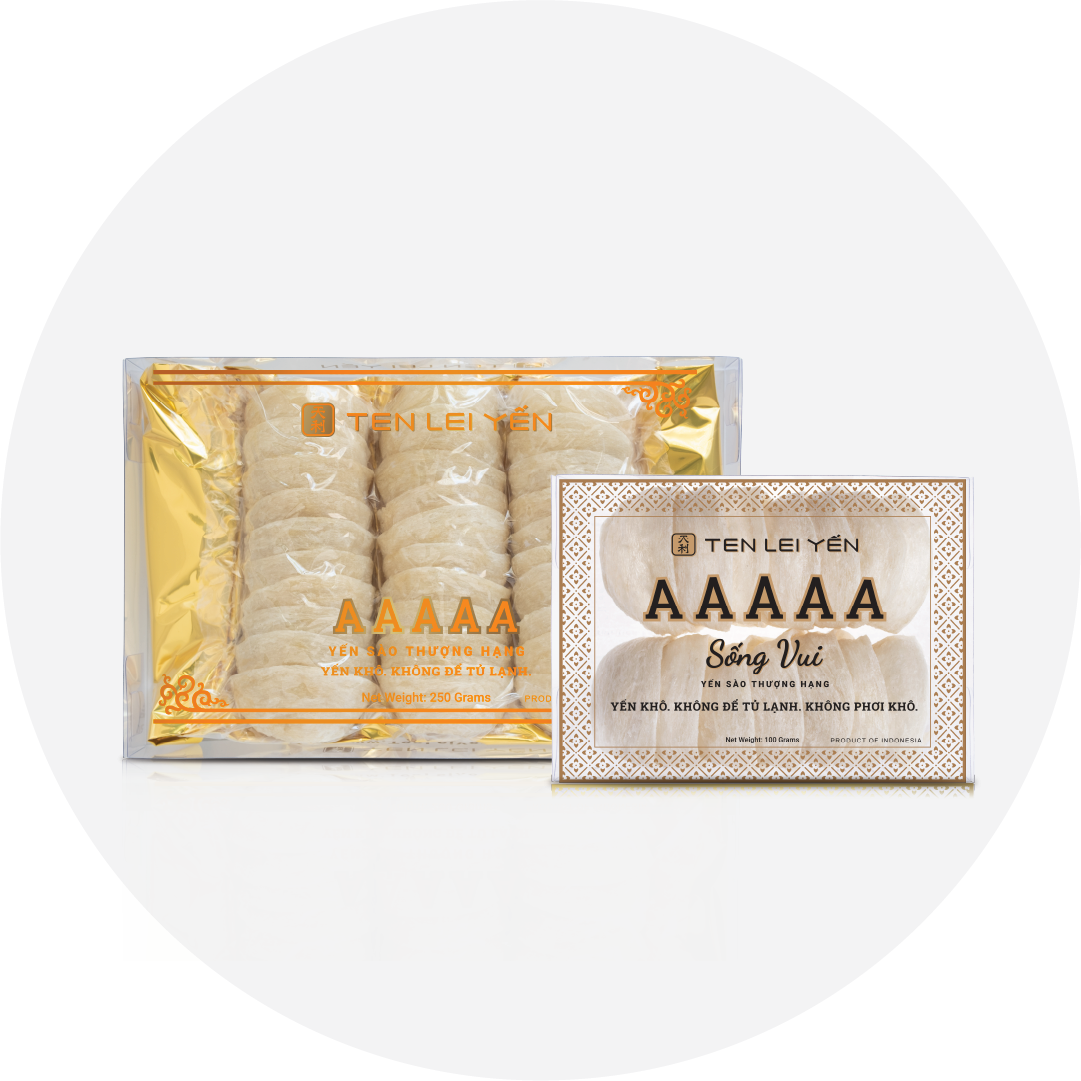
Explore Ten Lei Yen's Blue Label, Red Label, 5A, and Specialty Nest collections to portion a banquet-style course at home. Related reading: Why Bird's Nest Has Been Prized for Centuries and How Much Bird's Nest Is a Serving?