Blogs
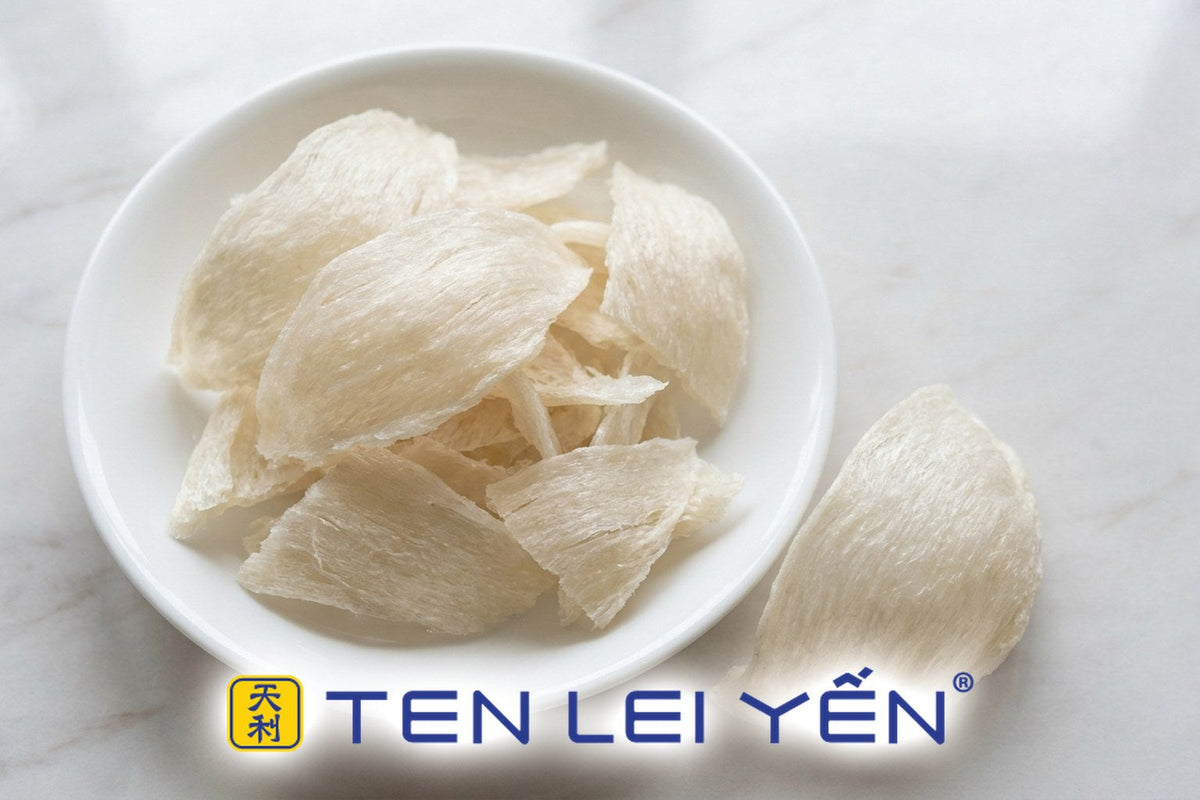
Is It Legal to Buy or Bring Edible Bird's Nest Into the United States?
Is it legal to buy or bring edible bird's nest into the US? Ten Lei Yen explains what CBP allows, why luggage nests are seized, and how to buy legally.
Learn more
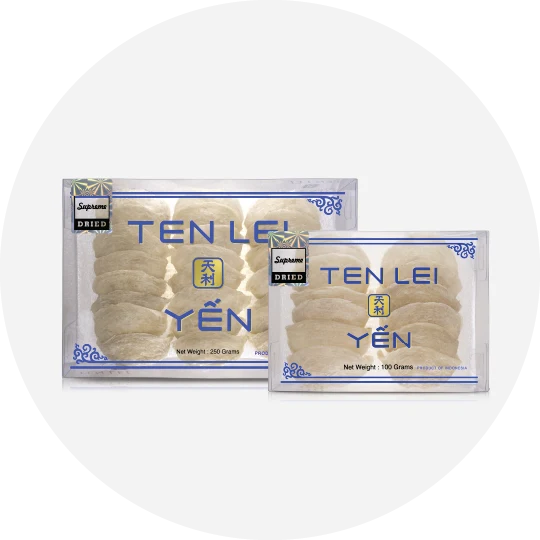
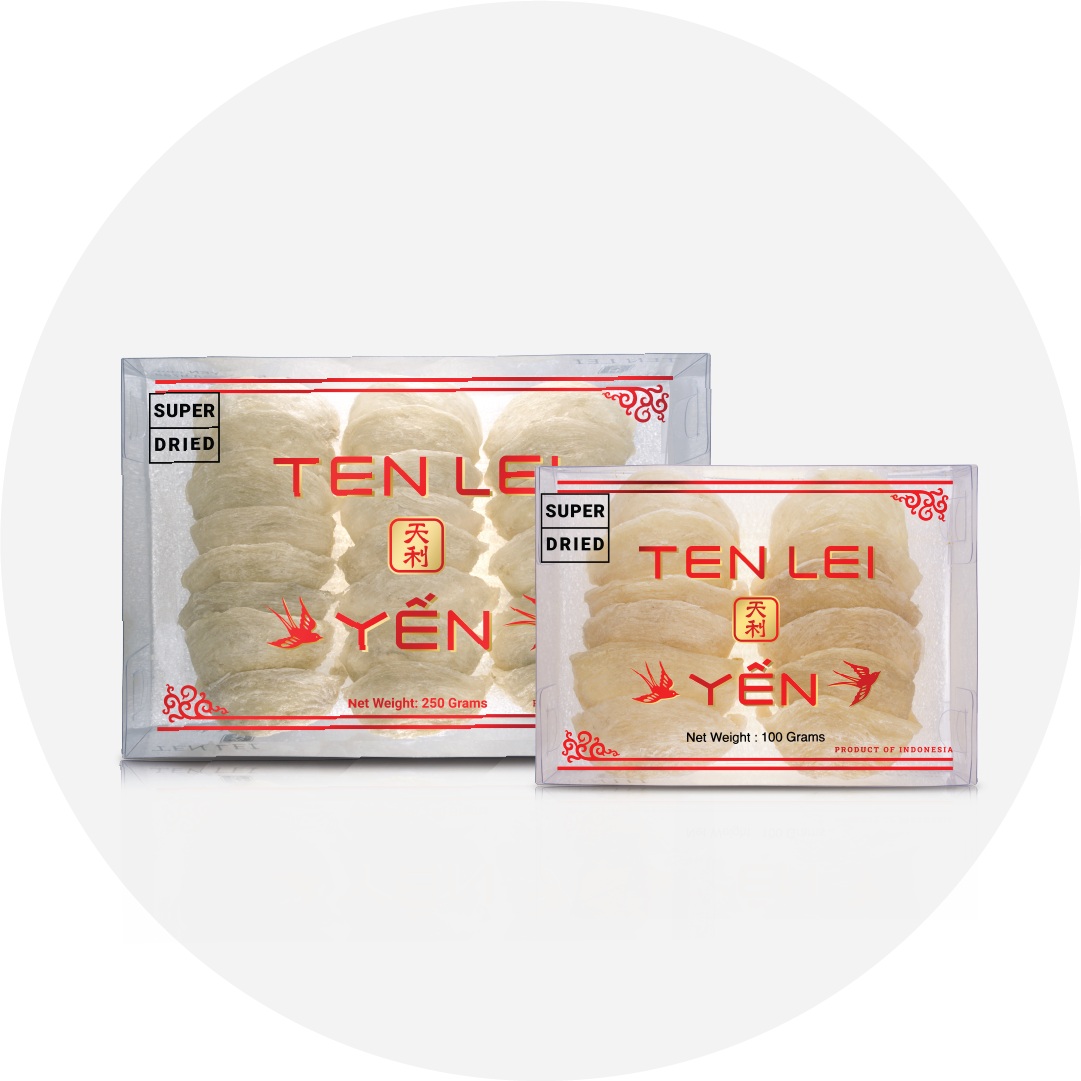
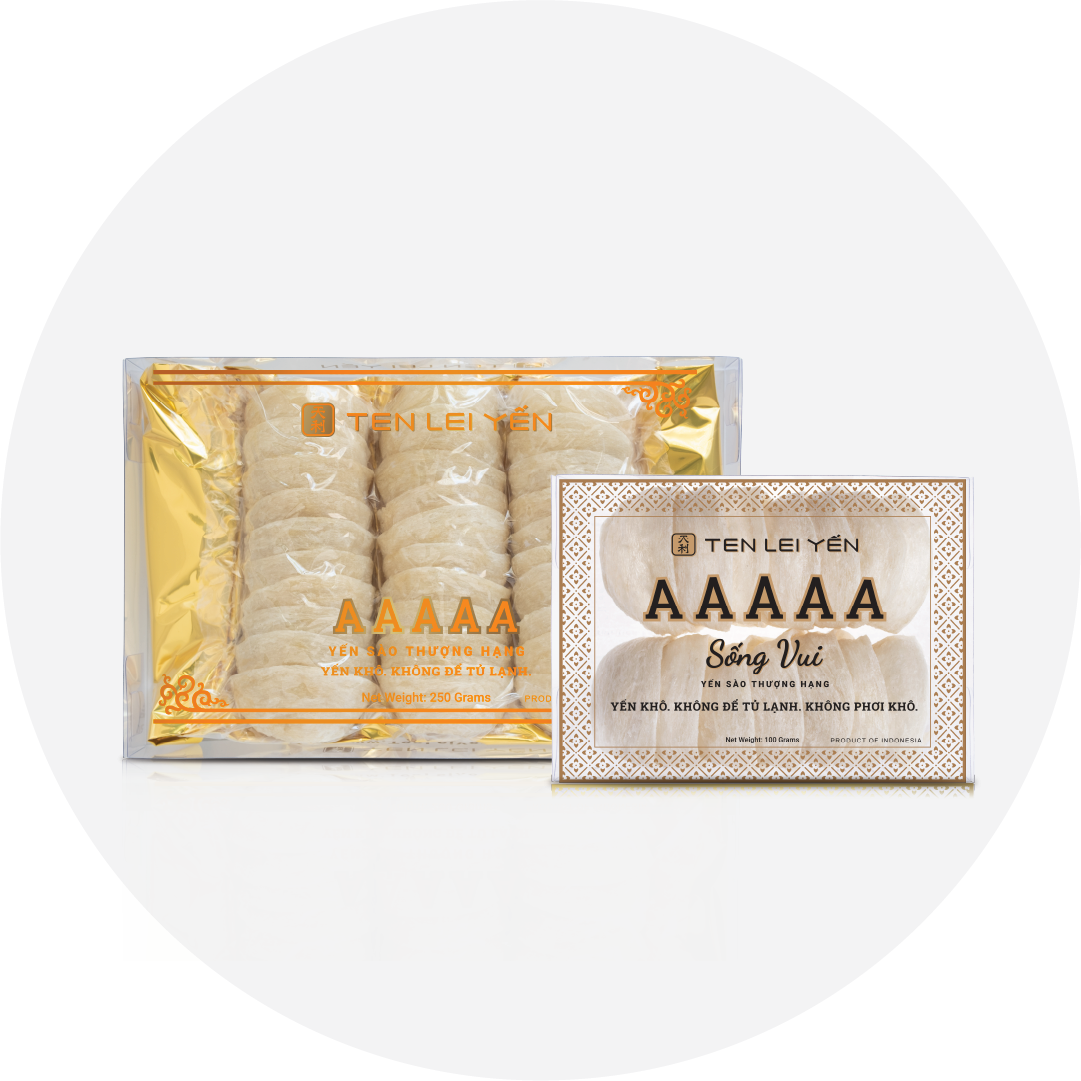
Bird's Nest Grades Explained: Ten Lei Yen's S and A Grades
How Ten Lei Yen grades its bird's nest into S and A - what S grade (Blue Label Supreme, Red Label Super) and A grade mean, and how grading is judged.
Learn more
Real Whole Bird's Nest vs. Processed Nest: How to Tell the Difference
How to tell genuine whole bird's nest from processed or reshaped nest - soak time, strand structure, shape, and value.
Learn more
Bird's Nest Terms, Decoded: A First-Time Buyer's Glossary
A plain-English glossary of bird's nest terms — cup, boat, tael, S grade, double-boil, and more — each definition linking to a deeper TLY guide.
Learn more
Where Fish Maw Sits on a Banquet Menu
Fish maw usually gets its own course, or a place in the soup course, at a formal multi-course banquet — a sign of a higher-budget, celebratory meal.
Learn more
Inside a Sorting Room: How Bird's Nest Is Graded by Hand
A look at the sorting bench where every dried bird's nest is graded by hand under strong light — long before it ever reaches a box.
Learn more
Cordyceps Militaris or Cordyceps Flower: Same Thing, Two Names?
Cordyceps militaris and cordyceps flower (虫草花) are the same product under two different market names. Wild Cordyceps sinensis is a separate species entirely, not a naming variant.
Learn more
Same Weight, Different Nest: Why It Looks Different
Two boxes of edible bird's nest at the same gram weight can look completely different. Strand thickness, cup depth, weave density, and drying explain why.
Learn more
How to Store Edible Bird's Nest: Dry and Cooked Storage Guide
A practical guide to storing edible bird's nest — keep dry nest cool, dark, and airtight for 2-3 years, and refrigerate cooked nest for 3-5 days.
Learn more