Blogs


How to Read an Edible Bird's Nest Label: What Honest Packaging Should Tell You
A clear edible bird's nest label states the country of origin, nest type and grade, net dry weight, cleaning level, ingredients, and storage. Here is how to read one before you buy.
Learn more
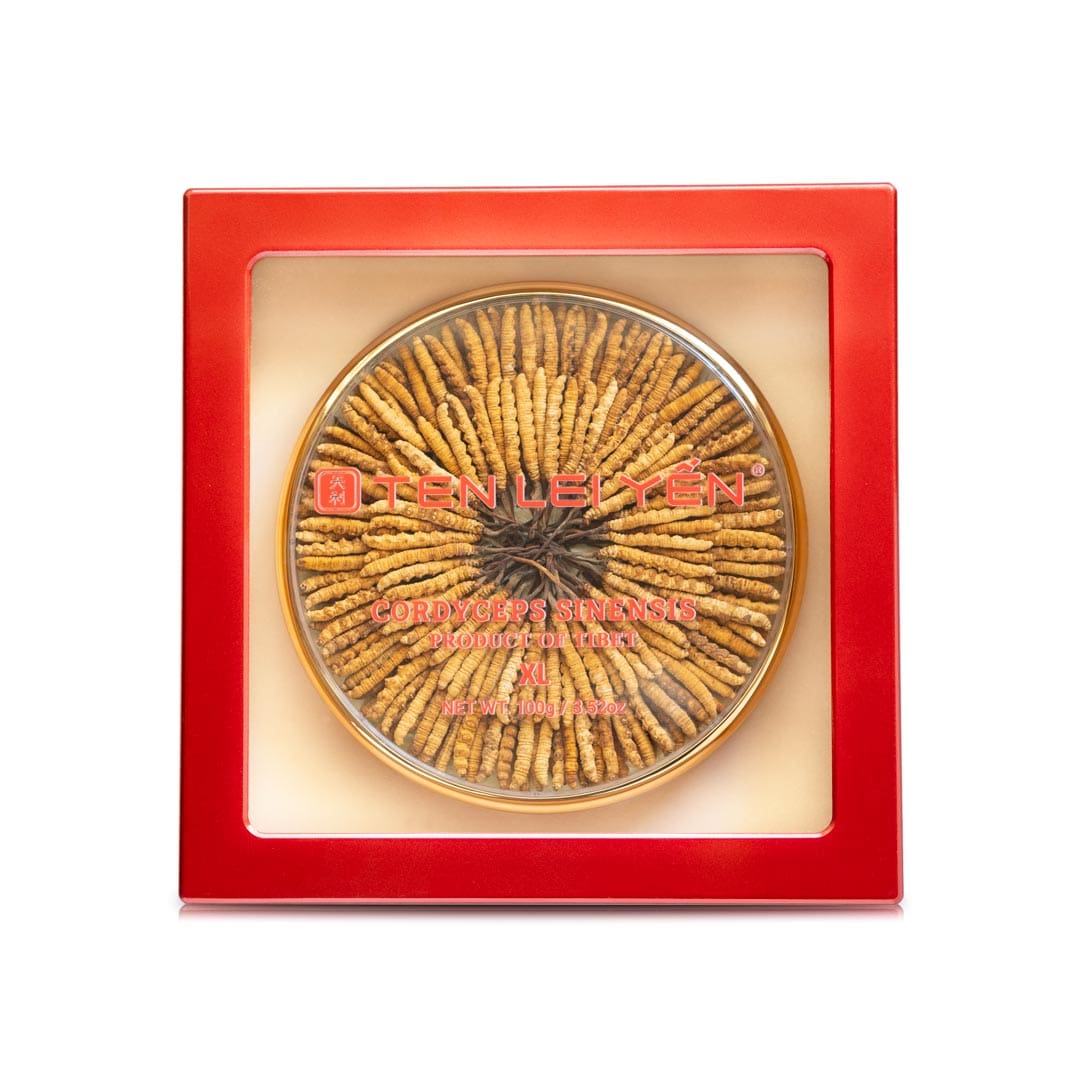
What Real Cordyceps Looks Like (and How Imitations Are Faked)
Real Cordyceps sinensis is light, flexible, and has a caterpillar body with visible legs and a dark stalk. Here's how to tell genuine pieces from imitations.
Learn more
Should You Buy Raw, Semi-Cleaned, or Fully Cleaned Bird's Nest?
The three cleaning levels — raw, semi-cleaned, and fully cleaned — differ in home prep, price, and convenience. Here's what each means before you buy.
Learn more
Wild Cordyceps Grades: How Size, Count, and Origin Shape the Price
Wild cordyceps is graded by piece size and pieces per gram, with origin and intactness shaping the price. Here's how to read the grades and judge value.
Learn more
How Much Does Dried Bird's Nest Expand When Soaked?
Dried edible bird's nest expands to about six to eight times its dry weight when soaked. Here's how dry, soaked, and cooked weights compare — and what it means for value.
Learn more
Buying Bird's Nest Online? Here's What to Check First
Buying edible bird's nest online? Here's what to check first — origin, type, net dry weight, cleaning level, ingredients, price per gram, and seller transparency.
Learn more
Bird's Nest Priced by the Piece vs by the Gram: How to Compare Value
Bird's nest is sold by piece, by gram, by gift box, or by bottle. Learn how to normalize to price per gram so you can compare value fairly.
Learn more
What's Actually in Ready-to-Drink Bird's Nest? Ingredients and Content Explained
Bottled bird's nest is mostly water and rock sugar with a small percentage of nest plus stabilizers. Here's how to read the label and compare products.
Learn more
How to Identify Genuine Edible Bird's Nest: Spotting Bleaching and Adulteration
A practical, factual checklist for telling genuine edible bird's nest from bleached or adulterated products, using color, shape, aroma, and a simple soak test.
Learn more