Wild cordyceps is sold by weight — almost always by the gram — so the clearest way to compare value is to work out the price per gram, then check what you actually get for that weight: the species, the size of the pieces, the origin, and whether you are buying whole pieces or a blend.
Key takeaways
- Cordyceps is priced by weight (per gram), not by the piece — so normalize every offer to price per gram.
- Size matters: larger, thicker pieces mean fewer pieces per gram and usually a higher price.
- Whole wild Cordyceps sinensis costs more than cultivated militaris or blends — compare like with like.
- Check the net weight, species, and origin (such as Nagqu) before comparing prices.
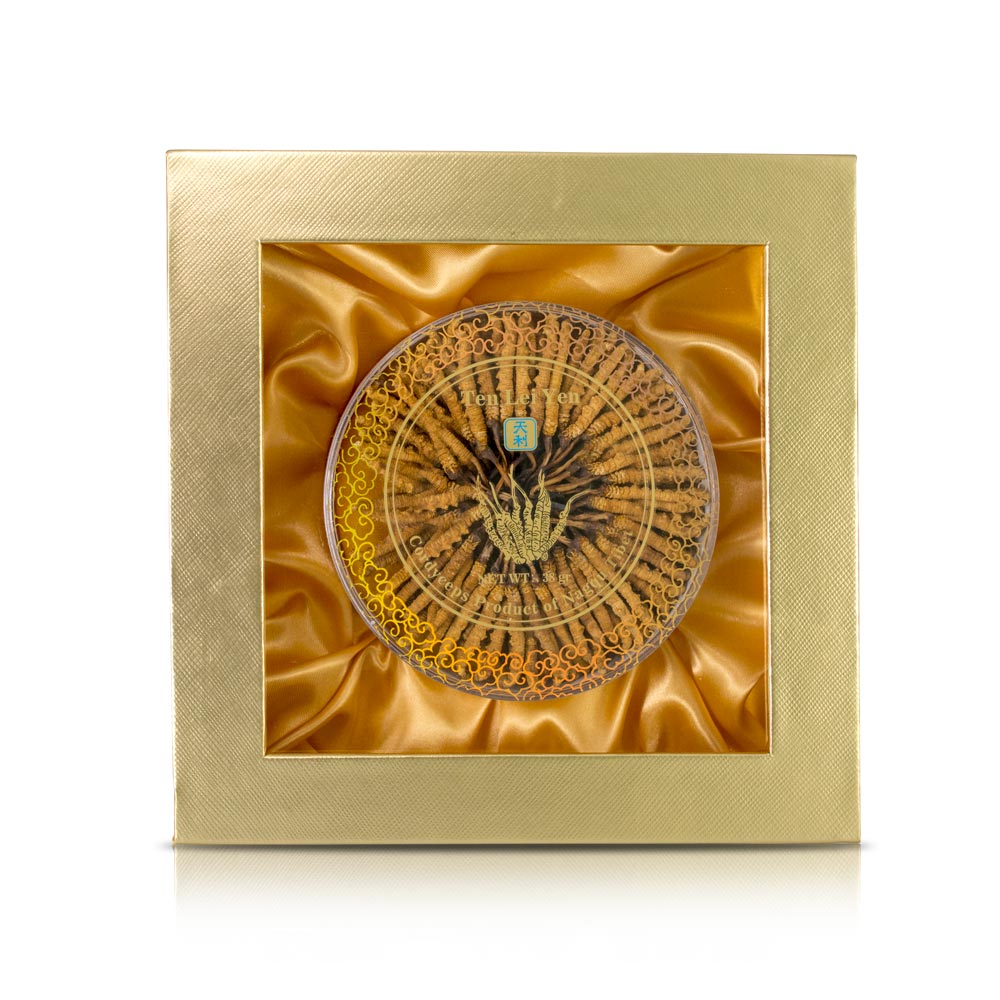
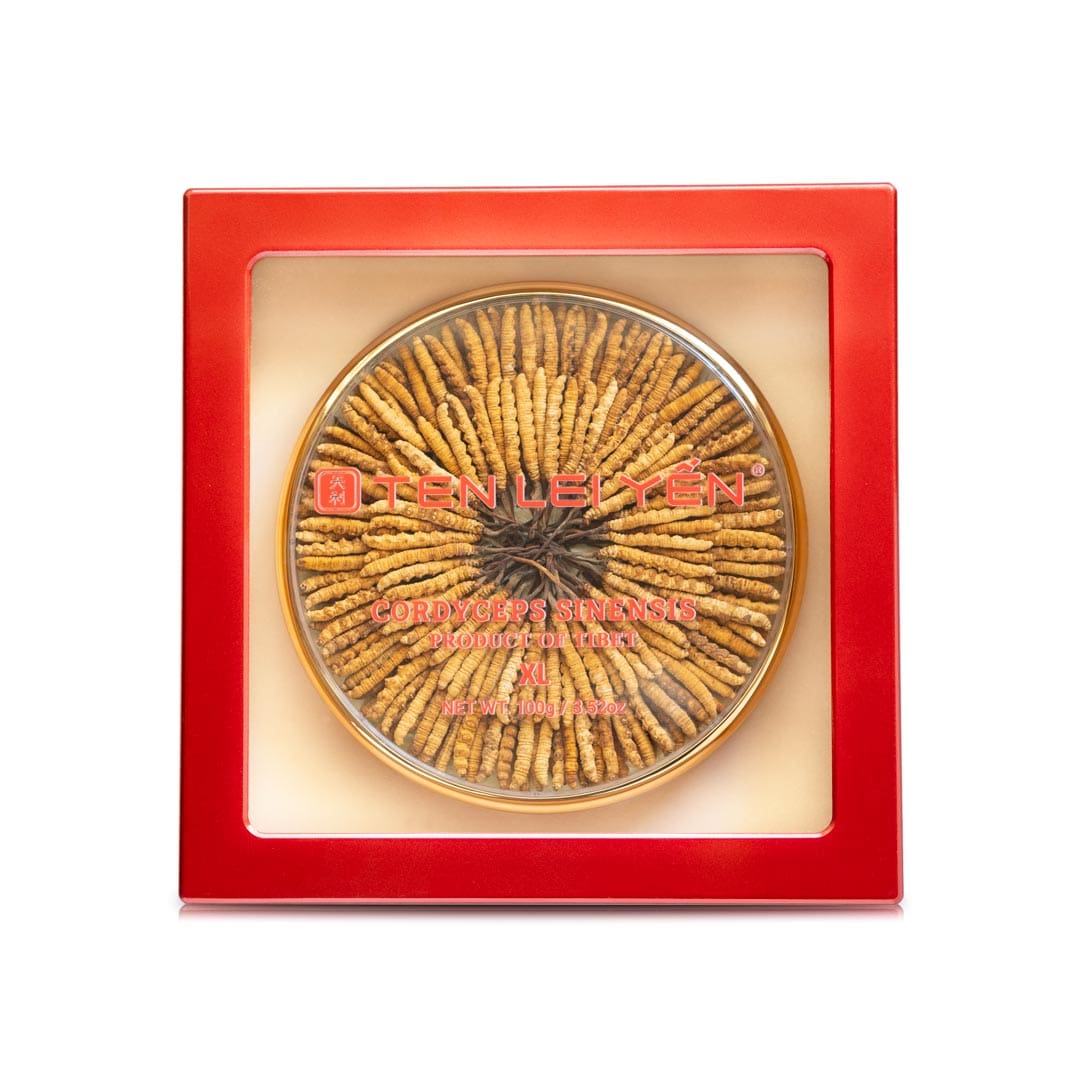
- Gift boxes bundle a set net weight; divide the price by the grams of actual cordyceps to compare.
Cordyceps is sold by the gram
Unlike many foods, cordyceps is weighed in grams rather than counted by the piece or sold by volume. Wild cordyceps is typically offered in small gram sizes — for example 4 g, 19 g, or 38 g — so the first step in comparing two options is simply price divided by grams.
What “by the piece” really tells you
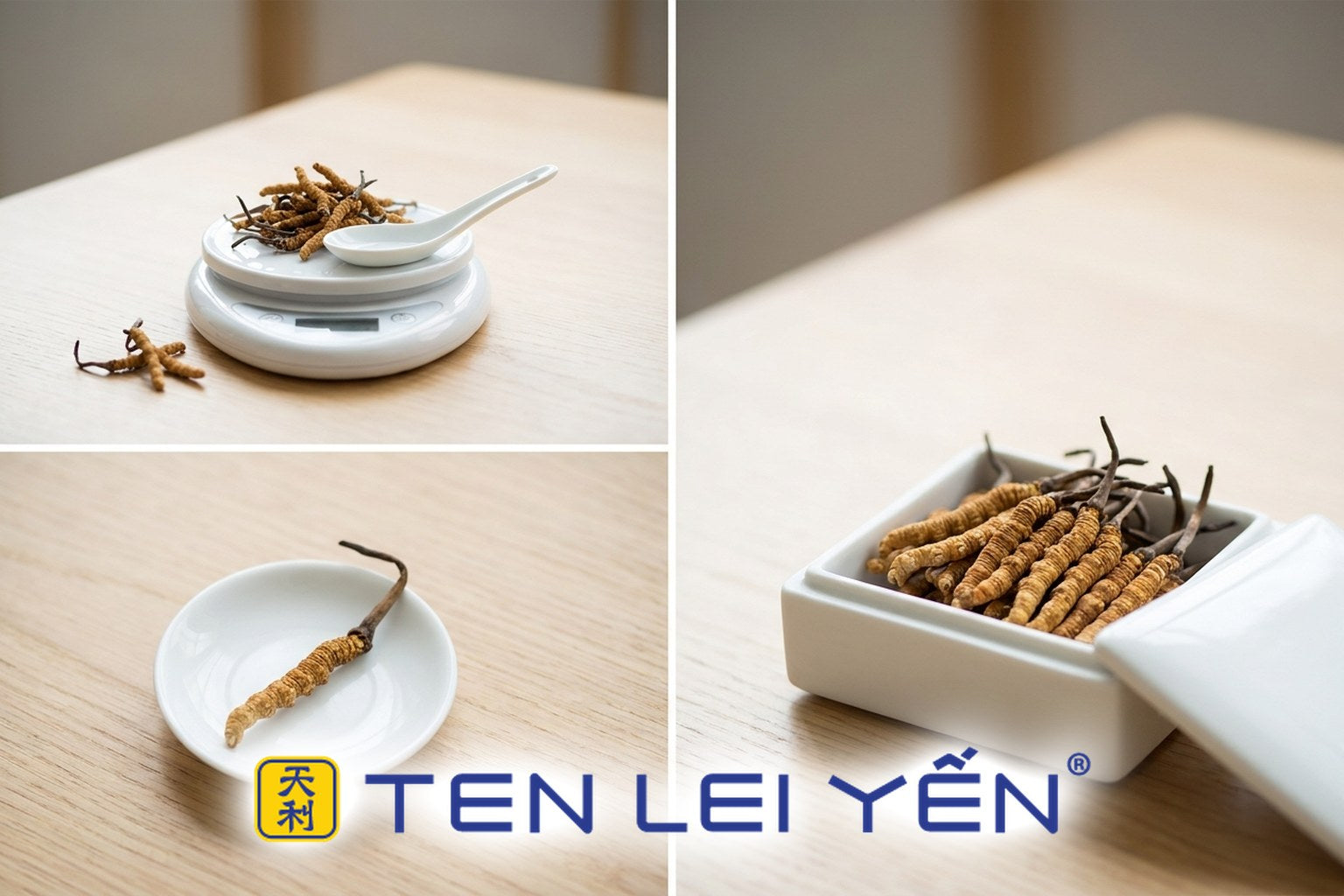
You will often see cordyceps described by how many pieces make up a given weight. That is a size signal, not a separate pricing unit: fewer, larger pieces per gram means thicker, more robust cordyceps and usually a higher price, while more, smaller pieces per gram is more affordable. As a rough idea, a few grams of whole wild cordyceps is often a handful of pieces. For how size and origin set the grade, see wild cordyceps grades.

Whole pieces, blends, and other forms
Whole cordyceps is priced per gram of cordyceps. Blends — for example cordyceps with goji, longan, or red dates — and processed forms such as powders or capsules are packaged differently, so compare the cordyceps content rather than the package weight. Our guide to whole cordyceps versus powders, capsules, and drinks breaks down the formats, and what an honest label should tell you covers what to look for.
Gift boxes and sets
A gift box bundles a set net weight of cordyceps plus the presentation and packaging. To compare a box against loose cordyceps, divide the price by the grams of cordyceps inside to get a price per gram, then weigh up the packaging separately as part of the gift.
A simple value checklist
| How it’s sold | What to check | How to compare |
|---|---|---|
| By the gram | net weight, species | price ÷ grams |
| By piece count | pieces per gram (size) | larger = premium |
| Gift box / set | grams of cordyceps inside | price ÷ grams |
| Blend / powder | grams of cordyceps | compare cordyceps content |
Browse options by weight in wild cordyceps and cultivated cordyceps.
Frequently asked questions
Why is wild cordyceps so expensive?
It is rare, hand-collected, and graded by size and origin. See where wild cordyceps comes from and why it’s rare.