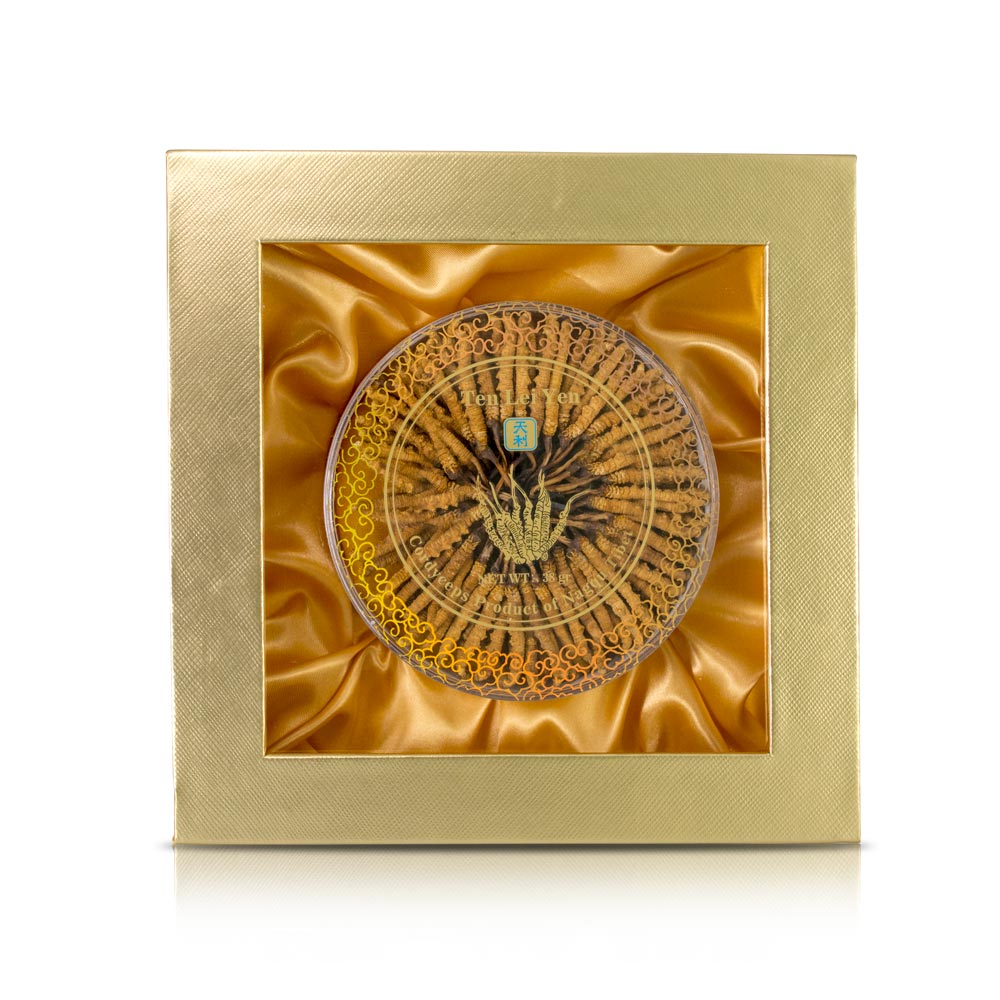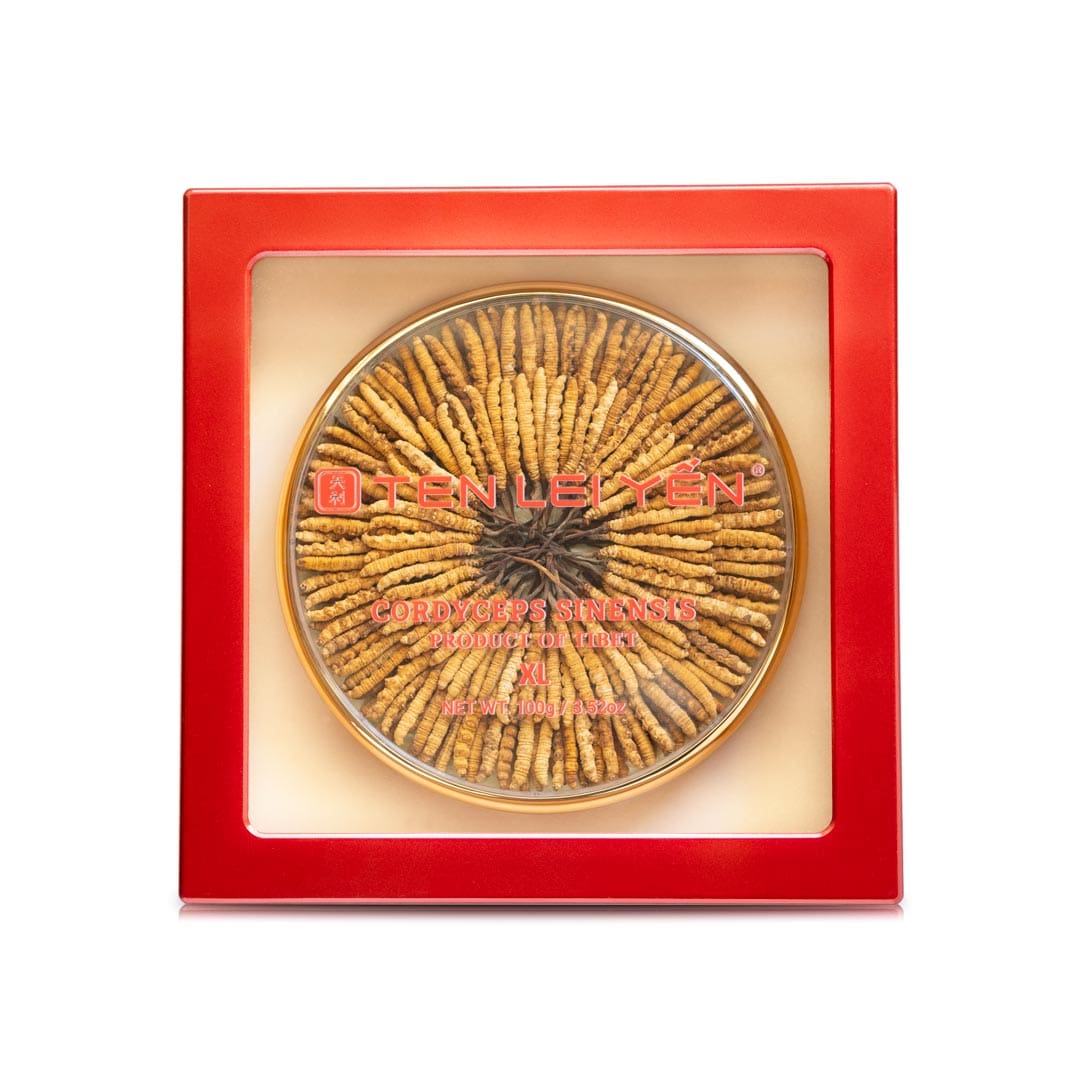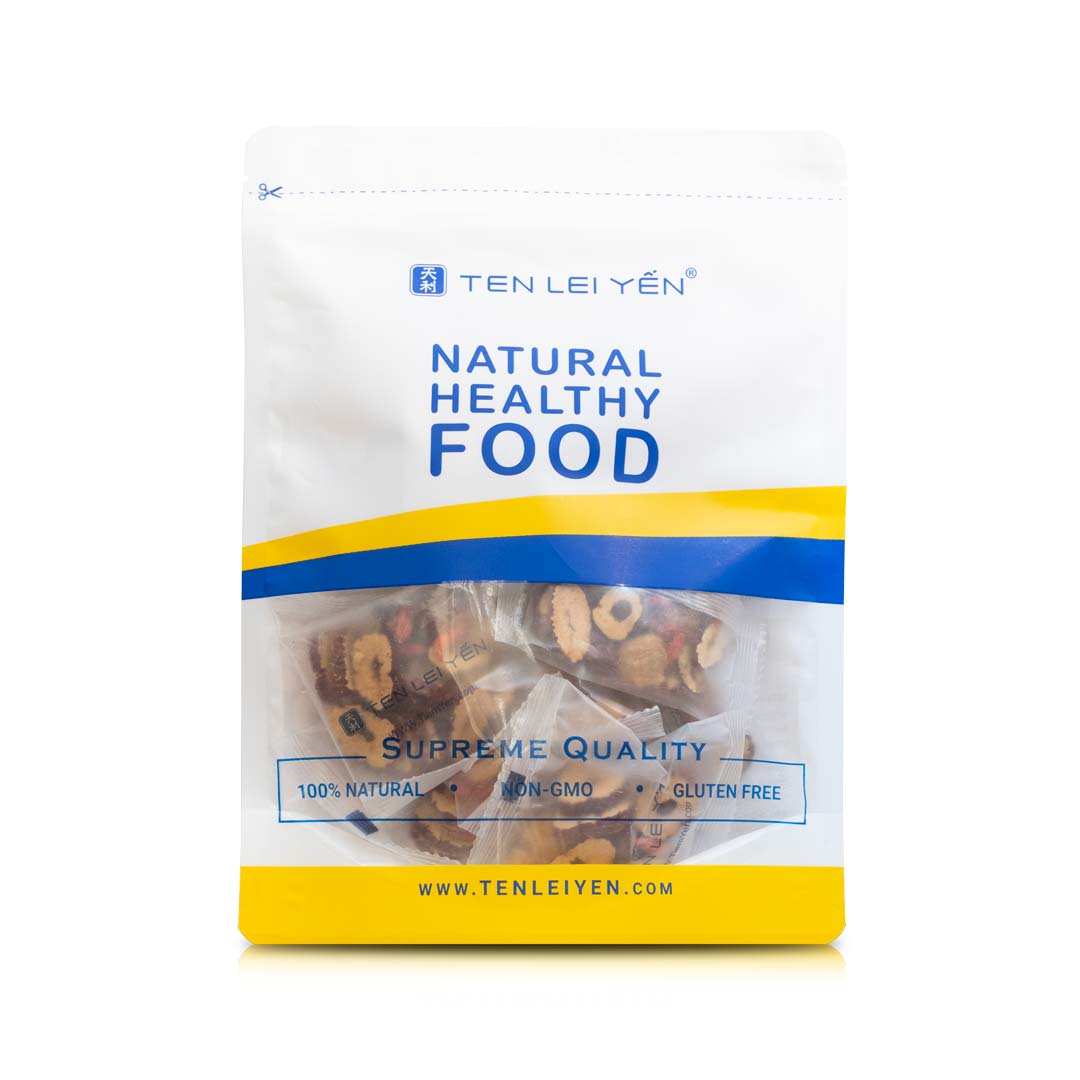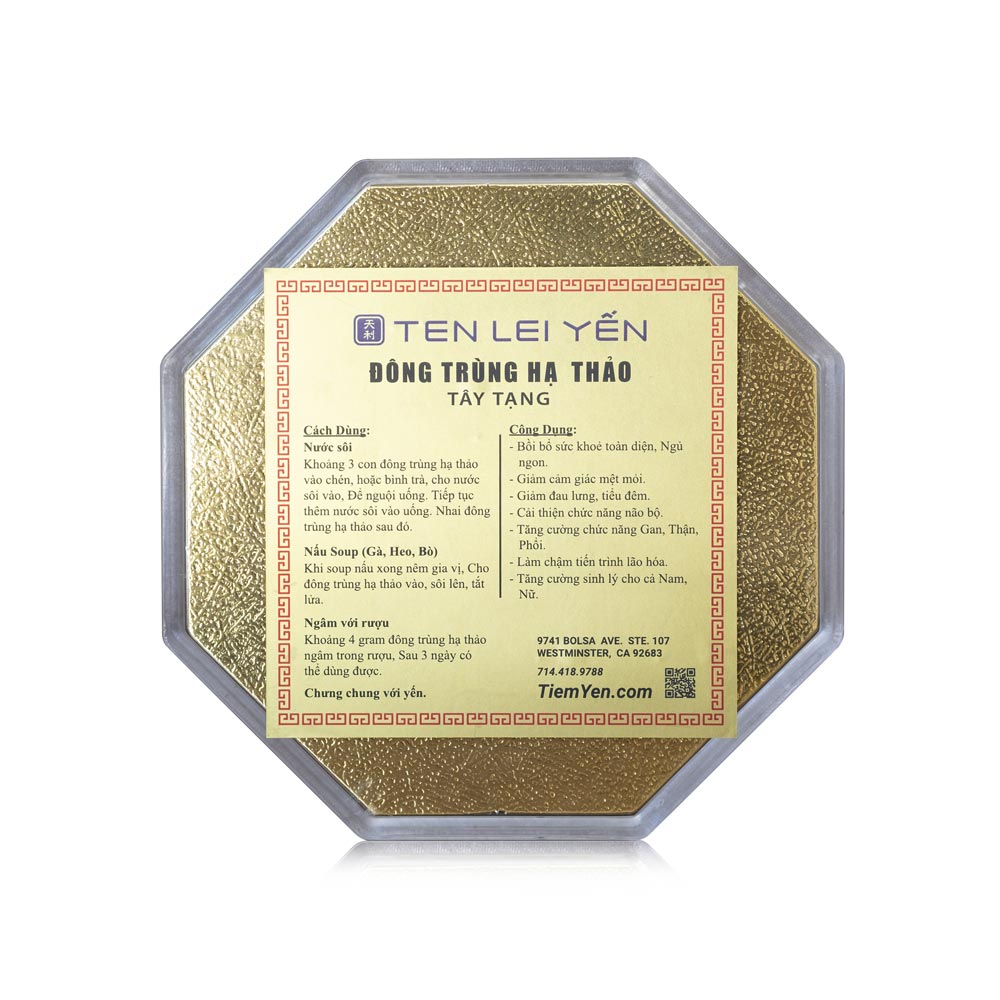
An honest cordyceps label should clearly state the species, whether it is wild or cultivated, where it is from, the form (whole, powder, or extract), and the net weight. The most useful labels match a real photo to the actual product inside and do not hide key details in fine print. Reading these few things helps you know exactly what you are buying.
Key takeaways
- Species: Cordyceps sinensis (the classic Himalayan, caterpillar-and-stalk type) or Cordyceps militaris (commonly cultivated).
- Wild or cultivated: a clear label says which, plainly.
- Origin: for wild sinensis, a region such as the Tibetan plateau (for example, Nagqu); for cultivated, that it is farm-grown.
- Form and net weight: whole pieces, powder, or extract - and how much you are getting, by weight.
What to look for on the label
Species
Sinensis is the wild, caterpillar-and-stalk type from high altitude; militaris is widely cultivated. A clear label names the species rather than just saying cordyceps.
Wild or cultivated
Both are legitimate. The label should simply tell you which, so the price and the product make sense together.
Origin
For wild cordyceps, a specific region - such as Nagqu on the Tibetan plateau - is a sign of transparency. For cultivated cordyceps, it should say it is farm-grown.
Form
Whole dried pieces, ground powder, or a concentrated extract. If it is an extract or biomass, that should be stated, not implied by a photo of whole pieces.
Net weight, count, and size
Cordyceps is sold by weight. A size or pieces-per-gram grade tells you about the pieces themselves.
Ingredients
For whole cordyceps, the only thing inside should be cordyceps. Any additions should be listed.

Red flags and questions to ask
- A photo of whole wild cordyceps on the front, but powder, extract, or cultured on grain in the fine print.
- No species, origin, or net weight stated.
- Vague wording with no detail. If the label does not say, ask the seller for the species, origin, form, grade, and net weight.
| Label says | What it means |
|---|---|
| Cordyceps sinensis, wild, Nagqu | Classic wild Himalayan type, named origin |
| Cordyceps militaris, cultivated | Farm-grown species |
| Whole, net 4 g | Whole pieces, sold by weight |
| Extract or powder | A processed form, not whole pieces |
For more, see wild vs cultivated cordyceps, where wild cordyceps comes from, and what real cordyceps looks like, and browse wild cordyceps and cultivated cordyceps.