Blogs
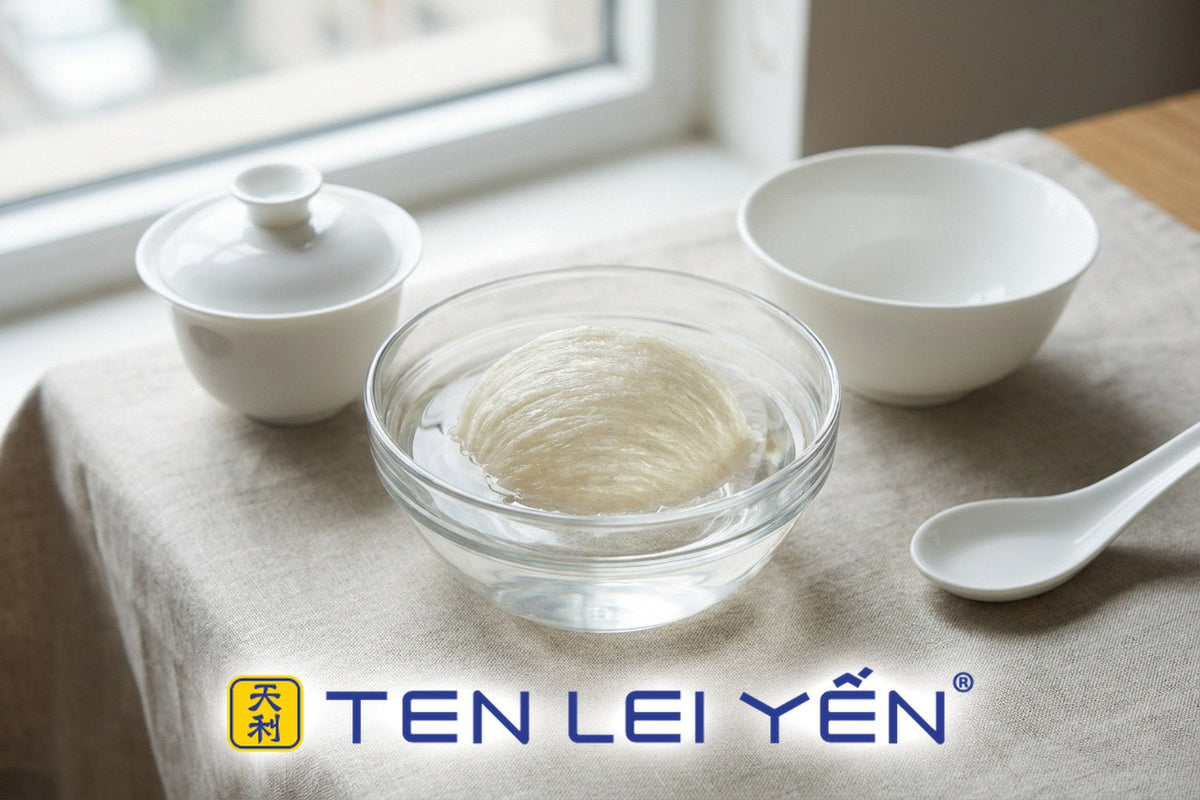

Cooking With Golden Bird's Nest: What Changes From White in the Bowl
How golden bird's nest looks and behaves in the bowl compared with white — colour, strand appearance and how it takes sweetening, with no change to soak or cook time.
Learn more
Scaling a Double-Boil From One Bowl to Eight: Bird's Nest for a Gathering
How to scale bird's nest servings for a gathering, from soaking through a single double-boil, and why the cook time stays the same as the batch grows.
Learn more
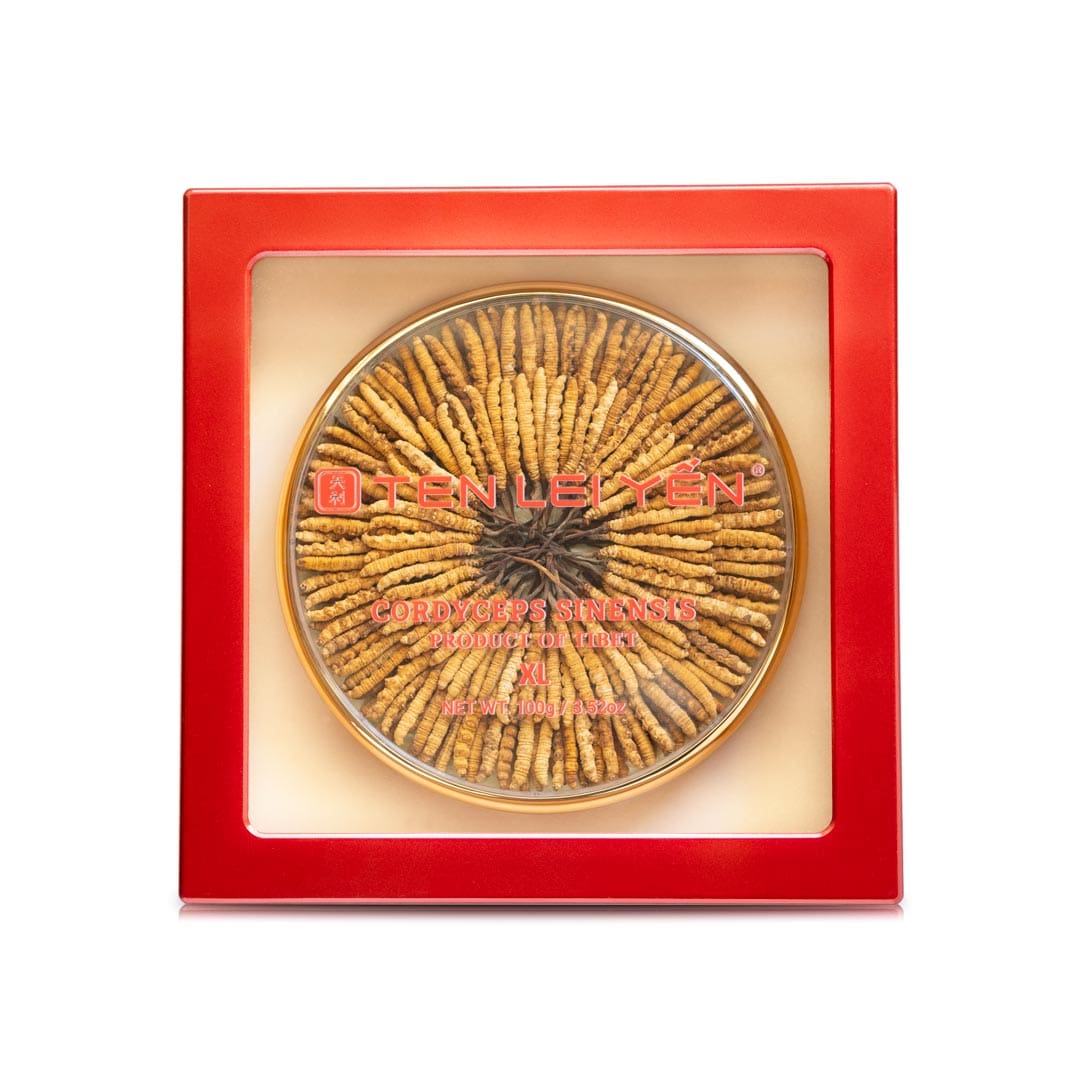
Nagqu Medium, Large, Extra Large: Reading Ten Lei Yen's Wild Cordyceps Tiers
What physically separates Ten Lei Yen's Medium, Large, and Extra Large Nagqu wild cordyceps tiers, and what each price reflects.
Learn more
Blue Label Kali and Timur: What the Region Names on the Boxes Mean
Kali and Timur are Indonesian sourcing regions printed on Blue Label boxes. Here is what a region name tells you, and what it does not guarantee.
Learn more
Why Ten Lei Yen's Cordyceps Packs Weigh 3.78 g, 18.9 g and 37.8 g
Why Ten Lei Yen's cordyceps packs are sized at 3.78 g, 18.9 g and 37.8 g, and which pack suits which cooking pattern.
Learn more
Corner Cut, Small Broken, Medium Broken, Large Broken: Reading Ten Lei Yen's Broken-Nest Grades
Ten Lei Yen's broken-nest grades are sorted by shape, not strand quality, and cost less than whole nest of the same tier. Here is what each grade suits.
Learn more
Wild Cordyceps at a Double Ninth Gathering: Cooking for the Elders
How to cook and serve wild cordyceps for a Double Ninth gathering on October 18, 2026, with portioning and presentation guidance for a multi-generation table.
Learn more
Portioning Bird's Nest Without a Kitchen Scale
A whole nest splits cleanly into standard servings by piece, not the gram, so you can portion bird's nest accurately without ever owning a scale.
Learn more
Cordyceps and Water: How Much Liquid a Double-Boil Actually Needs
Concrete water ratios for double-boiling cordyceps, plus why the outer pot's water level matters more than people expect.
Learn more