Blogs

How Much Cordyceps Flower Should You Use in Cooking?
A simple guide to how much dried cordyceps flower to use per soup, dish, or cup, and why a little goes a long way.
Learn more
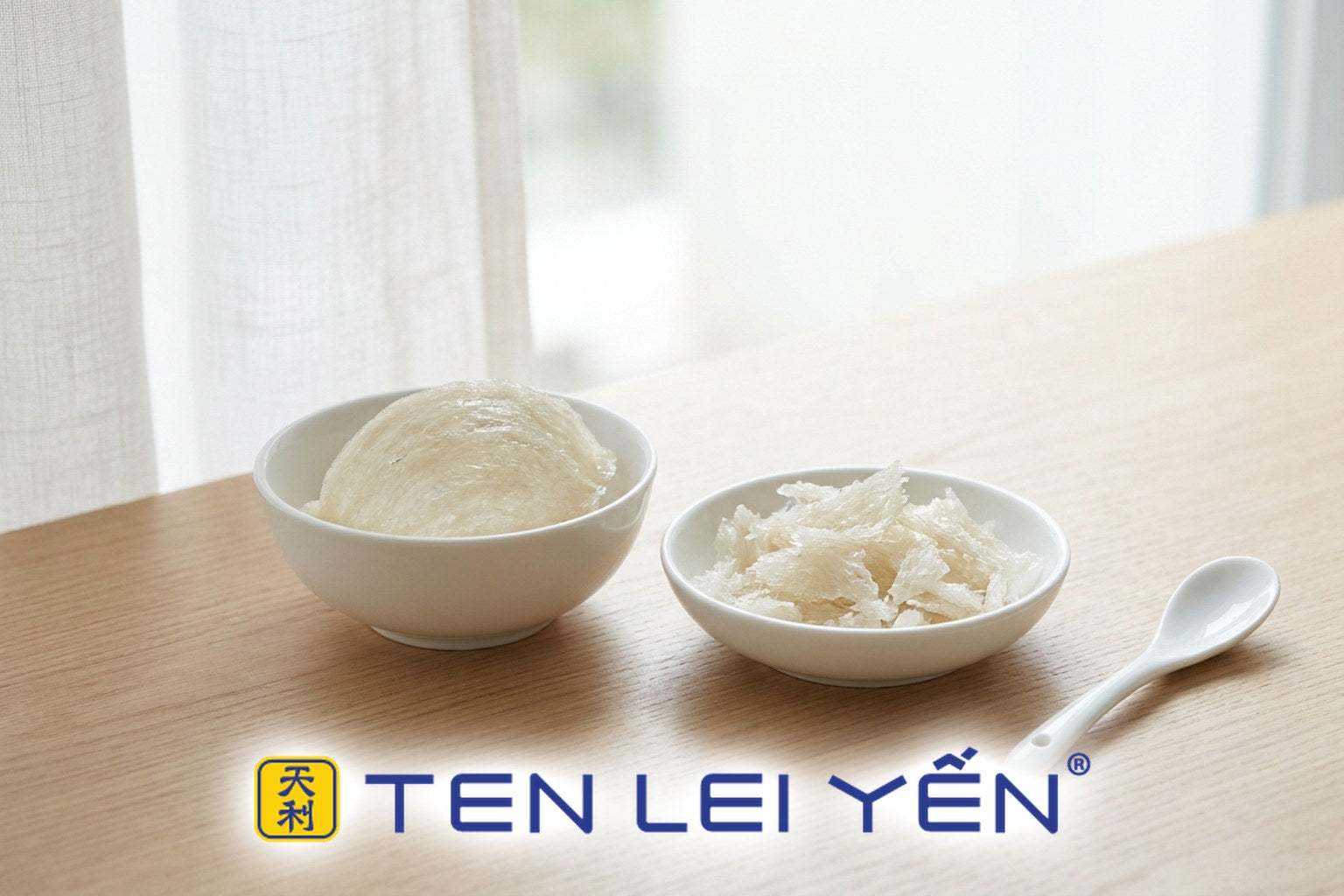
Can You Reheat Bird's Nest? Warming It Gently Without Losing the Texture
Yes, you can reheat cooked bird's nest. The trick is gentle warmth so the fine strands keep their soft, springy texture.
Learn more
How to Read Cordyceps Flower Quality: Color, Size, and Shape
How to judge cordyceps flower quality by color, size, and shape, what bright orange, faded, or bleached stalks tell you, and how to store it.
Learn more
Is the White Fuzz on Cordyceps Mold? Mycelium, Explained
A little dry white fuzz on cordyceps is usually natural mycelium, not mold. The three checks — color, texture, smell — and how to store it.
Learn more
Bird's Nest as a Mid-Autumn Festival Gift
Edible bird's nest is a traditional, elegant Mid-Autumn Festival gift. Mid-Autumn 2026 is September 25 — how to choose a tier and give it well.
Learn more
Can You Cook Cordyceps and Bird's Nest Together?
Yes, cordyceps and bird's nest can share a bowl. Here is how to combine them in a gentle double-boiled soup, with timing so each keeps its texture.
Learn more
How to Tell If Bird's Nest Has Spoiled: Signs in Dry and Cooked Nest
Dry bird's nest keeps for years, but cooked nest only lasts days. Here is how to check both for spoilage, what fresh nest should look and smell like, and how humid summer weather changes storage.
Learn more
Don't Toss the Cordyceps Broth: Getting Full Value from Every Piece
The cordyceps cooking broth is where the flavor goes. How to keep and use the golden broth, reuse the pieces, and store leftovers with nothing wasted.
Learn more
What Goes Well with Bird's Nest? A Guide to Classic Add-Ins
A practical guide to what pairs well with bird's nest — sweeteners, warm aromatics, fragrant leaves, dairy, and fresh fruit.
Learn more