Cordyceps is a classic, respectful gift in many Asian households because it is rare, recognizable, and presents beautifully in a box. To give it well, match the form - whole wild cordyceps, cultivated cordyceps, or a blend - and the grade to the occasion, then choose packaging that protects the delicate pieces. Here is a practical guide.
- Cordyceps is valued as a gift for its rarity and elegant presentation.
- Whole wild cordyceps reads as the most premium; blends are approachable everyday gifts.
- Larger, cleaner, more intact pieces sit at the top of the range.
- A rigid gift box protects the fragile caterpillar-and-stalk pieces.
- Check the label: species, wild or cultivated, origin, and net weight.

Choose the form
Whole wild cordyceps (sinensis)
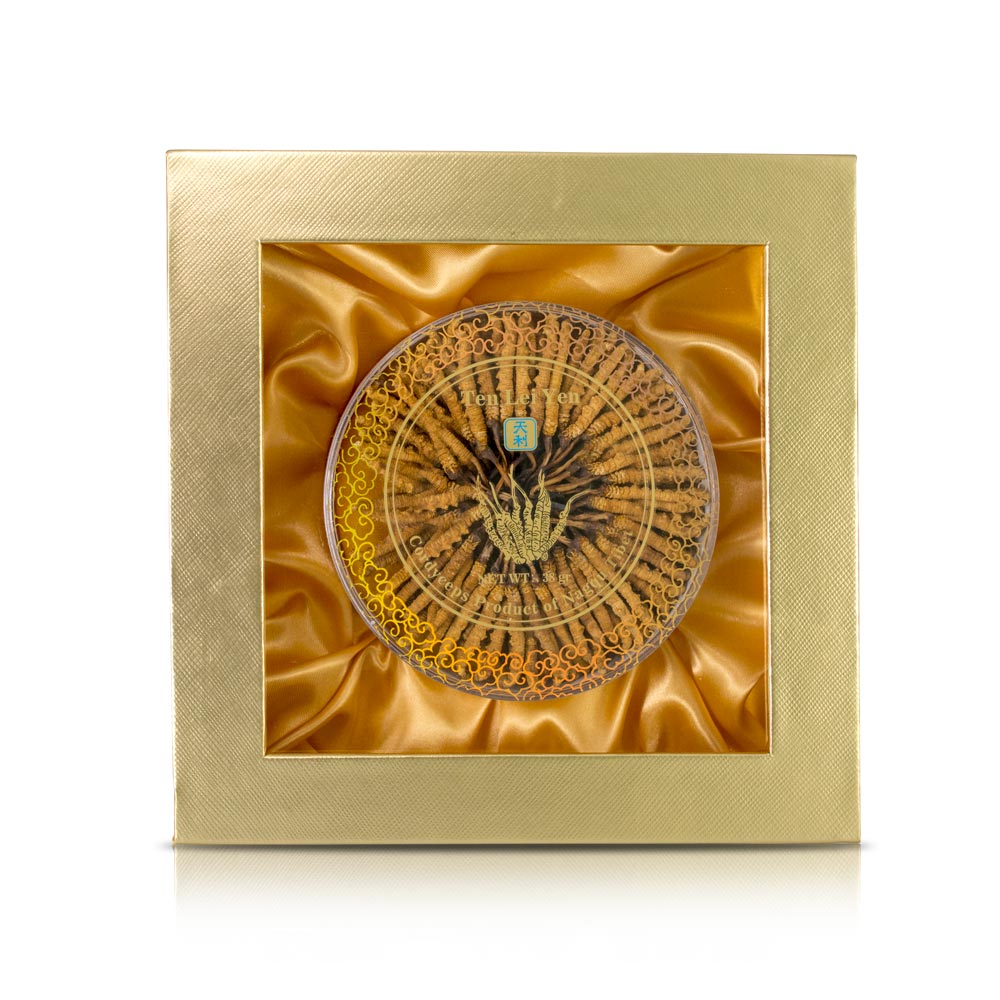
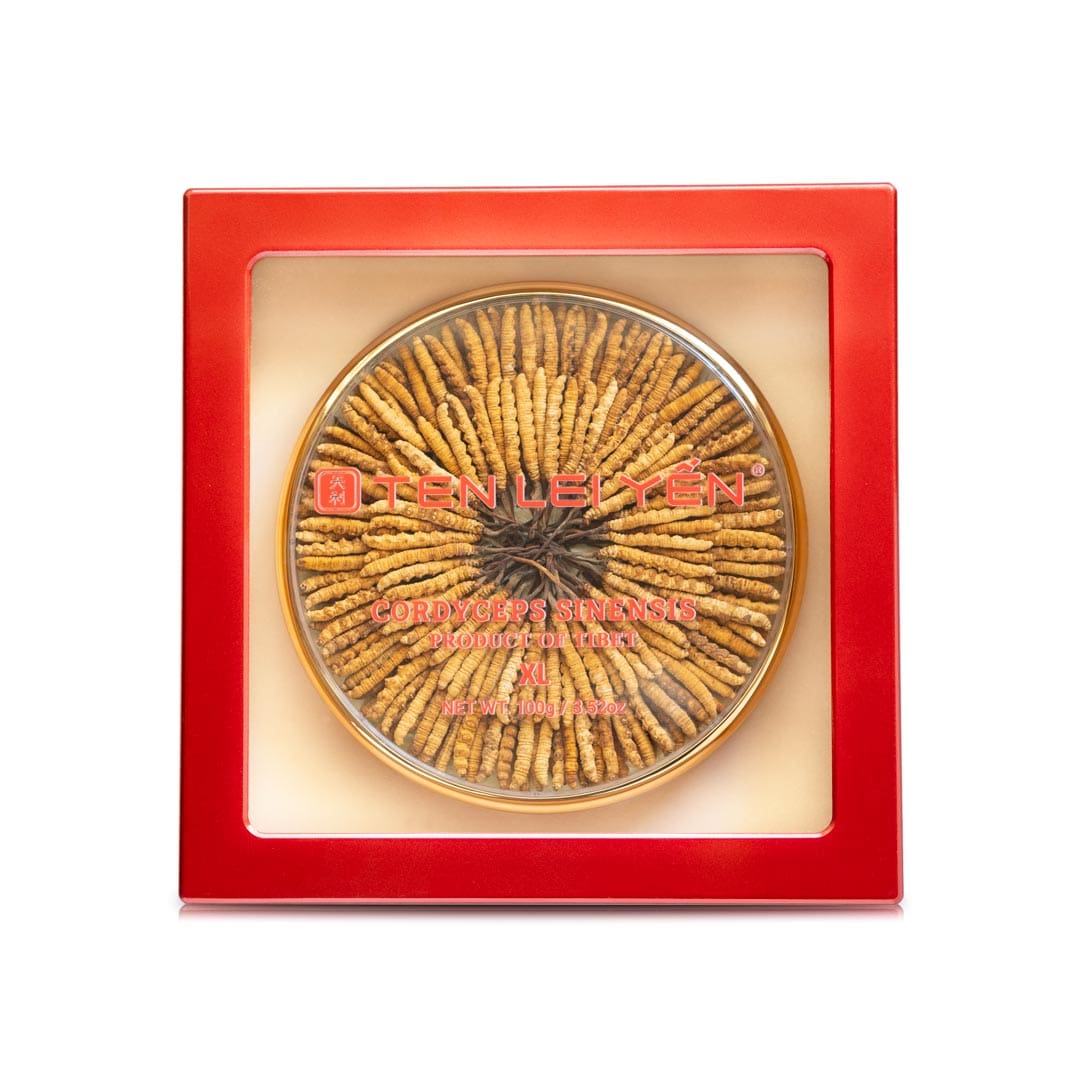
The caterpillar-and-stalk pieces from the Tibetan Plateau are the most prestigious choice - recognizable and traditionally given for important occasions. They are sold by weight, often in small gift boxes. Browse wild cordyceps.
Cultivated cordyceps
Cultivated cordyceps offers a similar look at a gentler price - a thoughtful gift without the wild premium.
Cordyceps militaris and blends
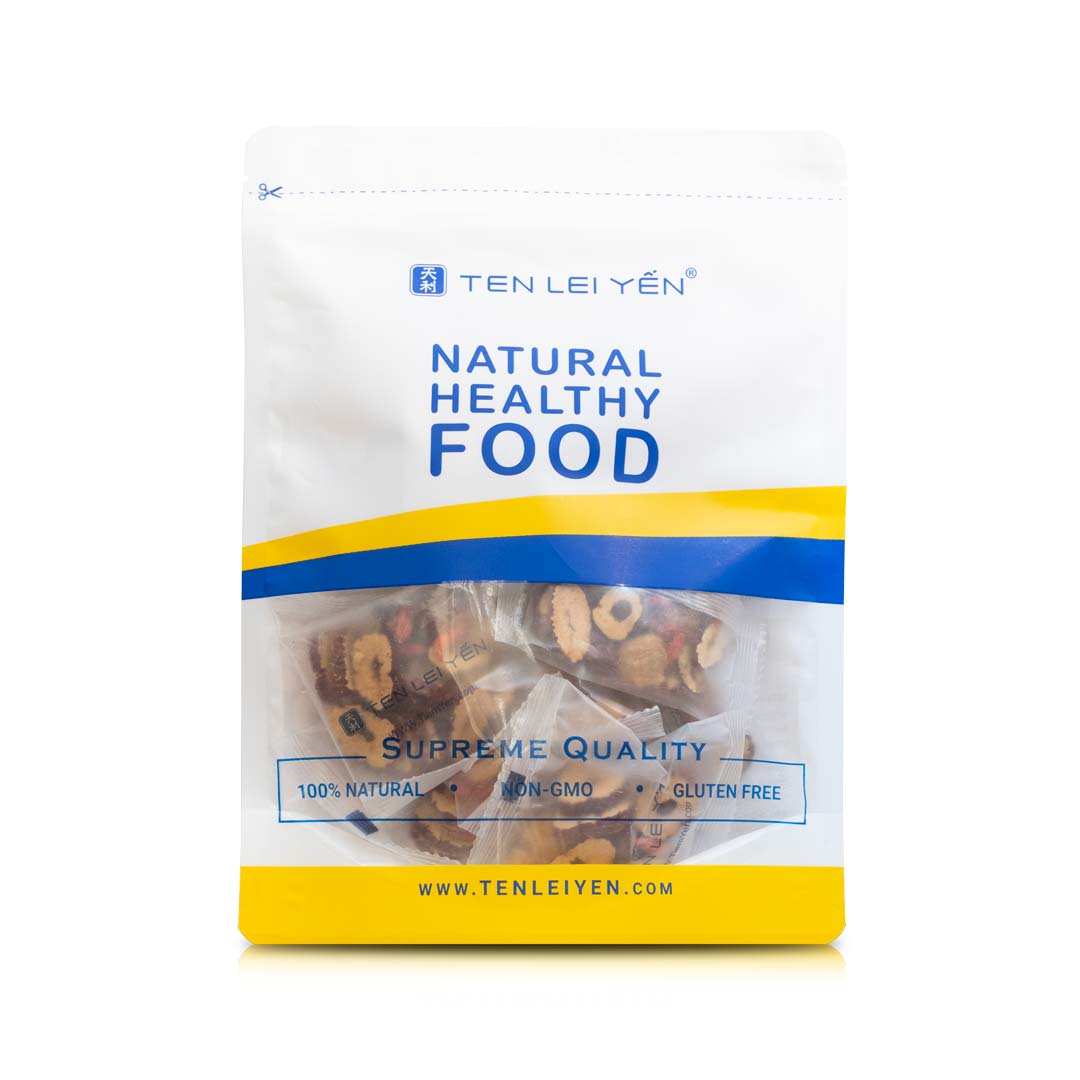
Bright-orange militaris (the 'cordyceps flower') and ready-to-steep blends like a cordyceps-and-red-date mix make easy, everyday gifts for someone who wants convenience.
Match the grade to the occasion
Cordyceps is graded by size, pieces per gram, how intact the pieces are, and origin. For a milestone - a wedding, a major birthday, the Lunar New Year, or visiting elders - larger, cleaner, fuller pieces make the strongest impression. For a casual thank-you, a smaller grade or a blend is perfectly appropriate. See our guide to cordyceps grades.
Presentation matters
- A rigid, lined gift box keeps the brittle stalks from snapping.
- Look for a clear window or a tidy interior tray.
- Keep the box sealed, cool, and dark until you give it.
- Include the label so the recipient knows exactly what they received.
Read the label before you buy
An honest cordyceps gift should state the species (Cordyceps sinensis or militaris), whether it is wild or cultivated, the origin (for example, Nagqu in Tibet), the form, and the net weight. See what an honest cordyceps label should tell you.
Occasions where a cordyceps gift fits
Lunar New Year, weddings, milestone birthdays, visiting parents or elders, and corporate gifting are all common moments for a cordyceps gift. It signals care and good wishes, and its rarity makes it feel special. Browse current cordyceps offers.