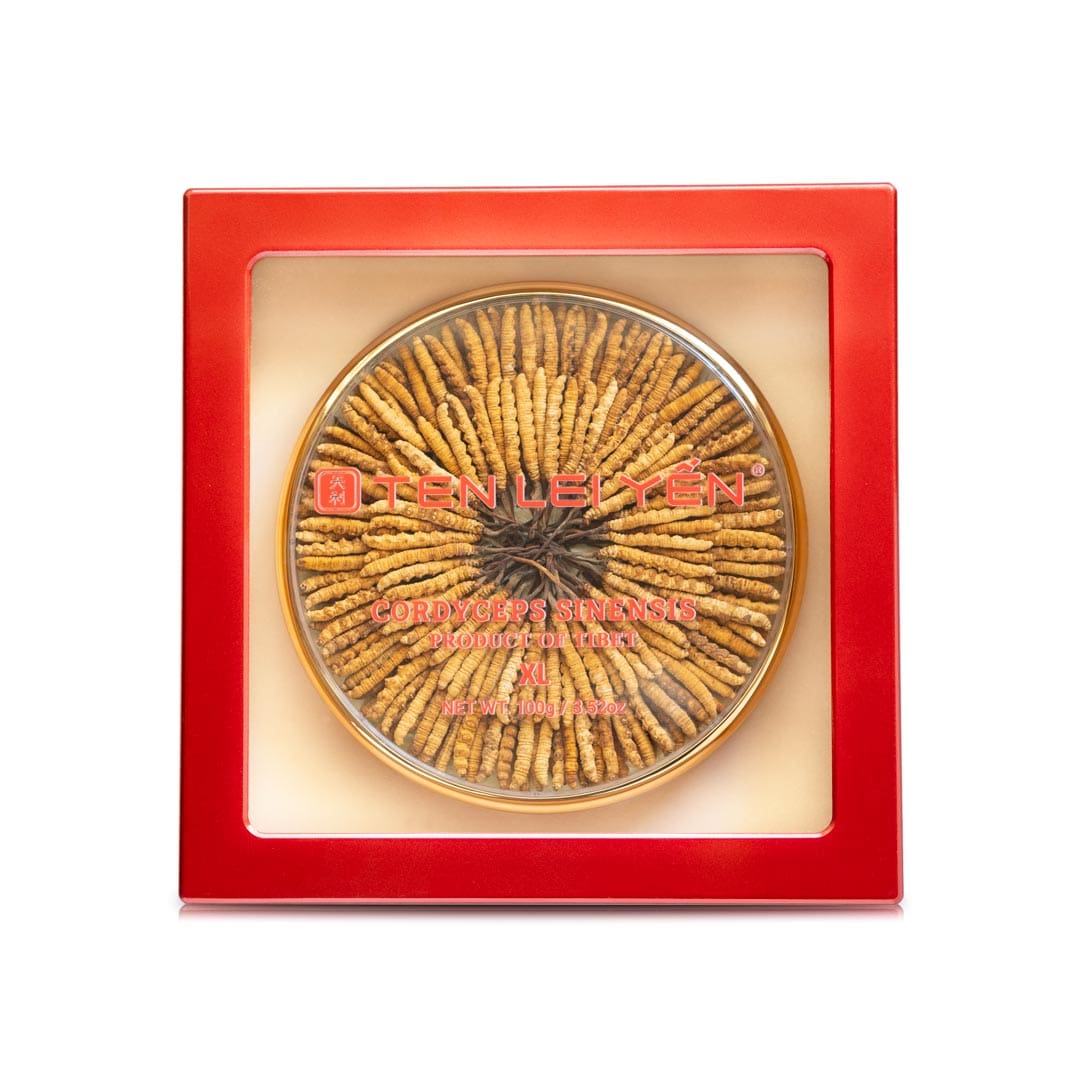
Wild cordyceps is graded mainly by the size of each piece and the number of pieces it takes to make up a gram, with origin and intactness also shaping the price. Larger, whole pieces from recognized high-altitude regions sit at the top of the scale; smaller pieces are more affordable. Knowing how grading works helps you compare value with confidence.
Key takeaways
- Grading is based on piece size: larger pieces mean fewer pieces per gram and a higher grade.
- Origin matters — cordyceps from the high-altitude Tibetan plateau (such as Nagqu) is prized.
- Whole, intact, clean pieces are graded above broken or debris-heavy lots.
- Cordyceps is sold by weight in grams, with the grade and size set on the label.
- Compare price per gram within the same size grade for a fair comparison.
How wild cordyceps is graded
The single biggest factor is piece size. Because cordyceps is sold by weight, larger specimens mean you receive fewer, bigger pieces per gram, while smaller specimens pack more pieces into the same gram. Sellers usually label sizes along a scale such as Small, Large, and Extra Large. For the same weight, a larger size is rarer and commands a higher price.
Why size changes the price
Bigger, fuller pieces are less common in any harvest, so they cost more per gram than smaller pieces. This is purely a matter of size and scarcity, not a different kind of cordyceps. Buyers who want presentation — for gifting or display — often choose larger grades, while smaller pieces offer the same whole cordyceps at a friendlier price.
Origin and intactness
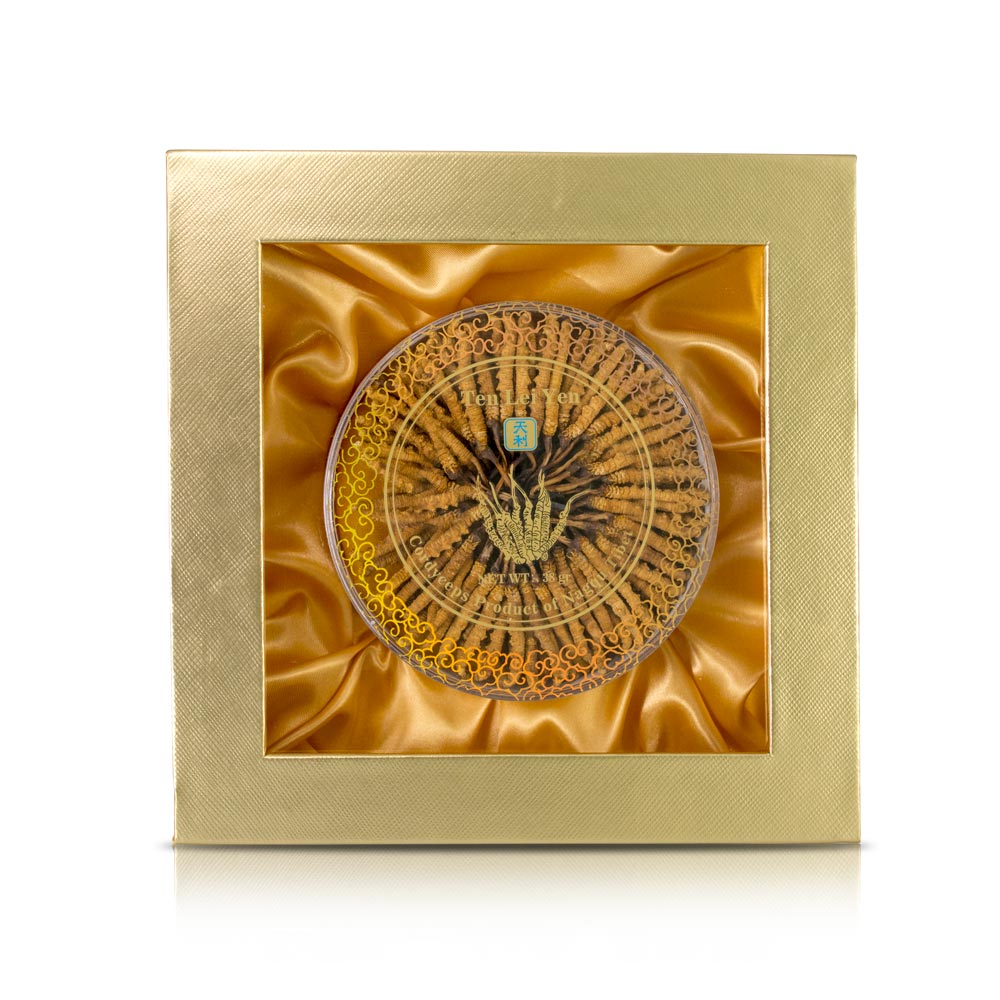
Where the cordyceps grows is part of its grade. Pieces from the high-altitude Tibetan plateau, including the Nagqu area, are especially sought after. Beyond size and origin, graders also look at how whole and clean the pieces are: intact bodies with their stalks attached, free of excess soil or broken fragments, rank above damaged or debris-heavy lots. To see what genuine pieces look like, read what real cordyceps looks like.
How it is sold
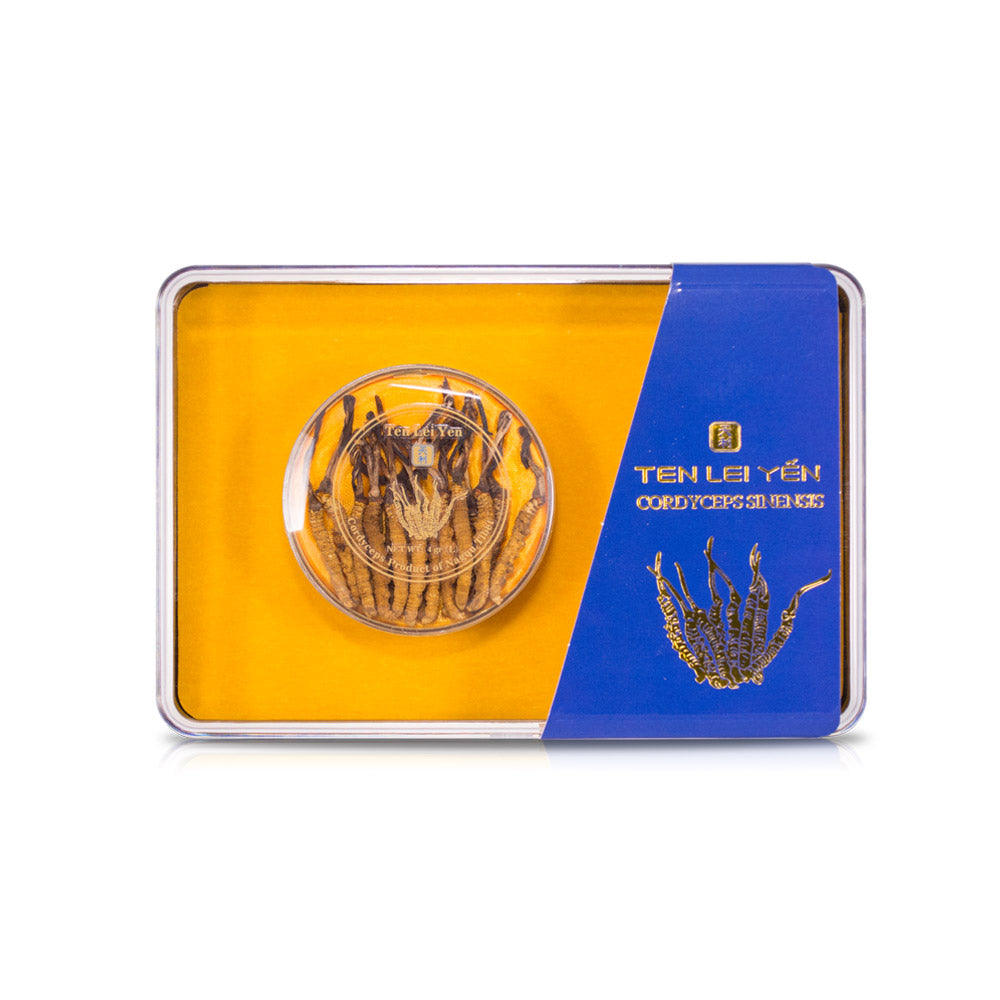
Wild cordyceps is sold by weight, with the size grade noted on the package. Ten Lei Yen, for example, offers wild Cordyceps sinensis from Nagqu, Tibet in Small, Large, and Extra Large sizes and in pack weights ranging from small sample sizes up to larger boxes. If you are weighing wild against farmed options, our guide on wild vs cultivated cordyceps can help.
| Grade factor | Higher grade | More affordable |
|---|---|---|
| Piece size | Larger (fewer per gram) | Smaller (more per gram) |
| Intactness | Whole, stalk attached, clean | Broken or debris-heavy |
| Origin | High-altitude plateau (e.g., Nagqu) | Less specified |
How to judge value
Decide what matters to you — size and presentation, or price — then compare price per gram within the same size grade and origin. That keeps the comparison fair, since a larger grade will naturally cost more per gram than a smaller one.
FAQ
What does "Nagqu" mean on the label?
Nagqu is a high-altitude area of the Tibetan plateau known as a sought-after origin for wild cordyceps.