Blogs


Inside a Sorting Room: How Bird's Nest Is Graded by Hand
A look at the sorting bench where every dried bird's nest is graded by hand under strong light — long before it ever reaches a box.
Learn more
Cordyceps Militaris or Cordyceps Flower: Same Thing, Two Names?
Cordyceps militaris and cordyceps flower (虫草花) are the same product under two different market names. Wild Cordyceps sinensis is a separate species entirely, not a naming variant.
Learn more
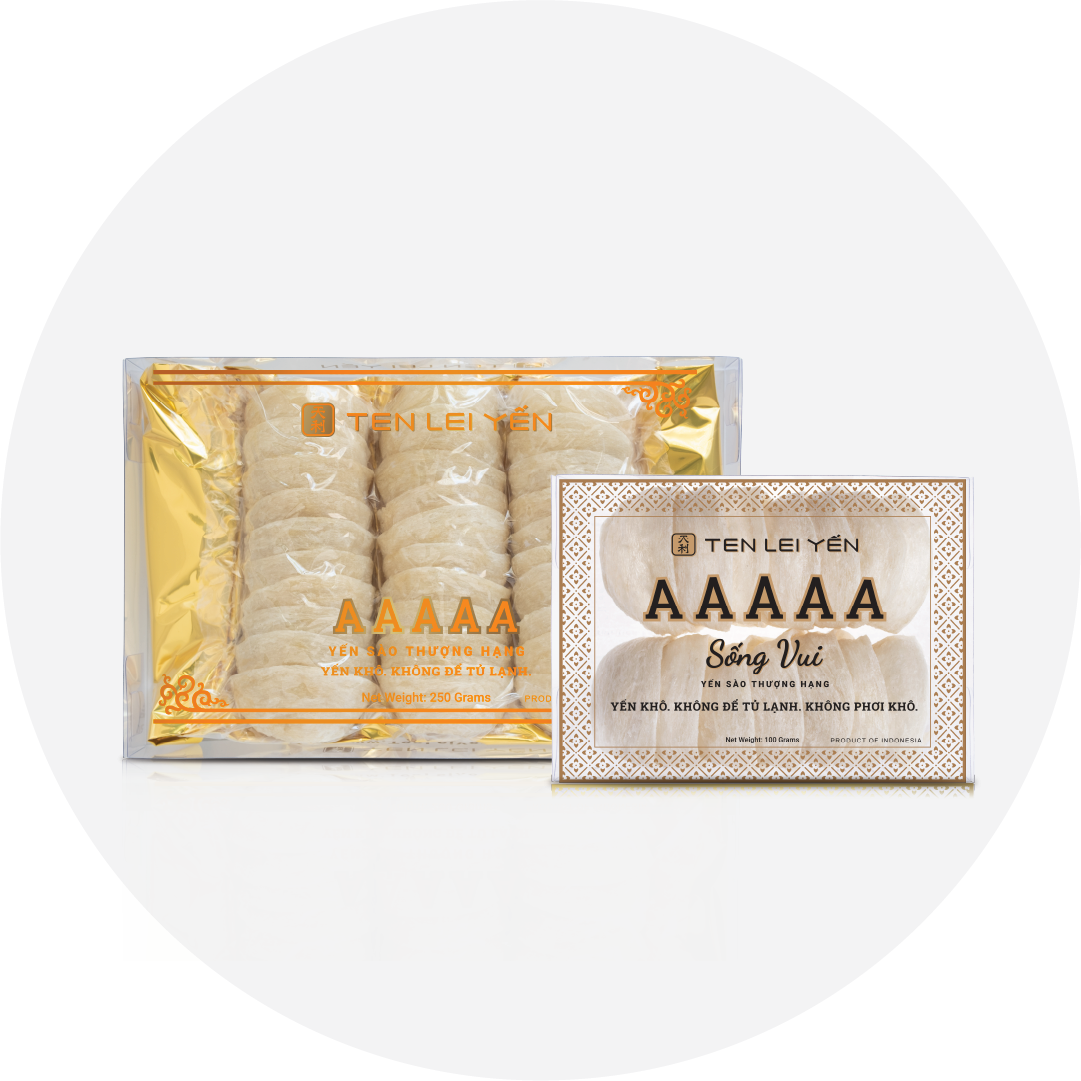
Same Weight, Different Nest: Why It Looks Different
Two boxes of edible bird's nest at the same gram weight can look completely different. Strand thickness, cup depth, weave density, and drying explain why.
Learn more
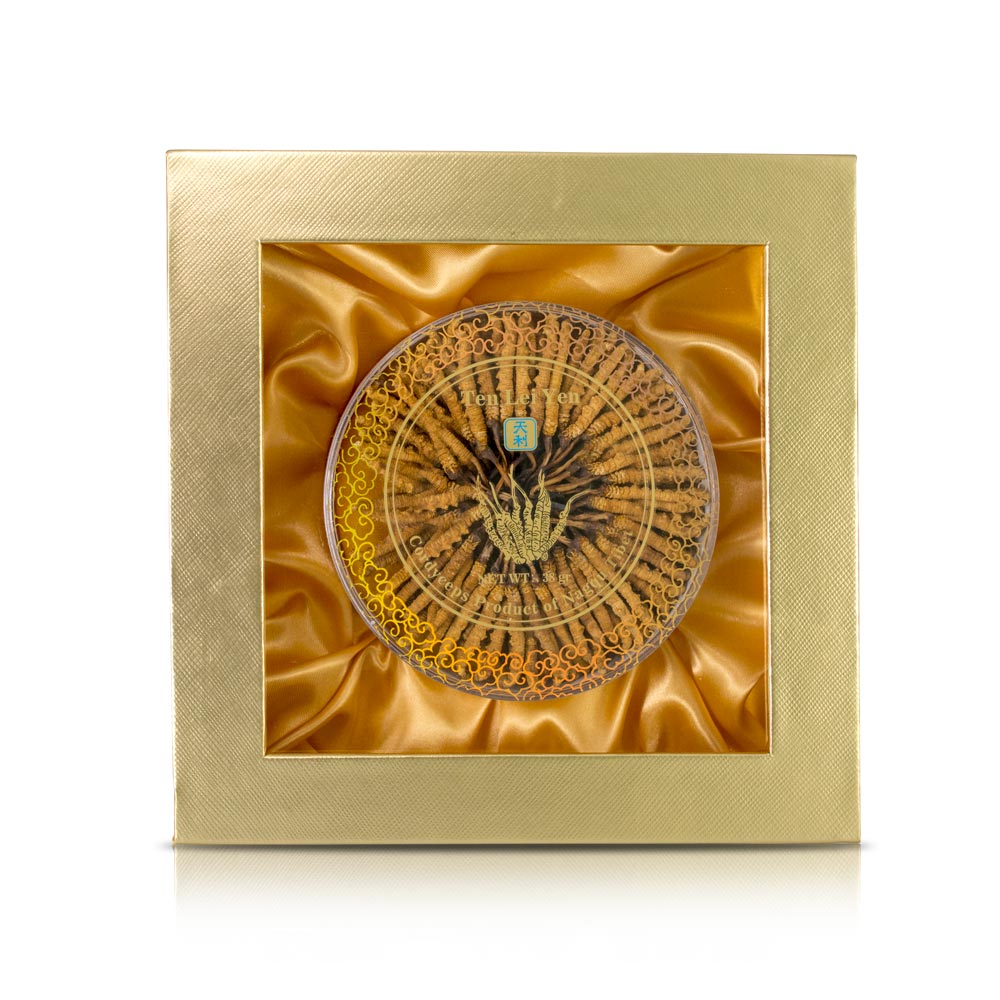
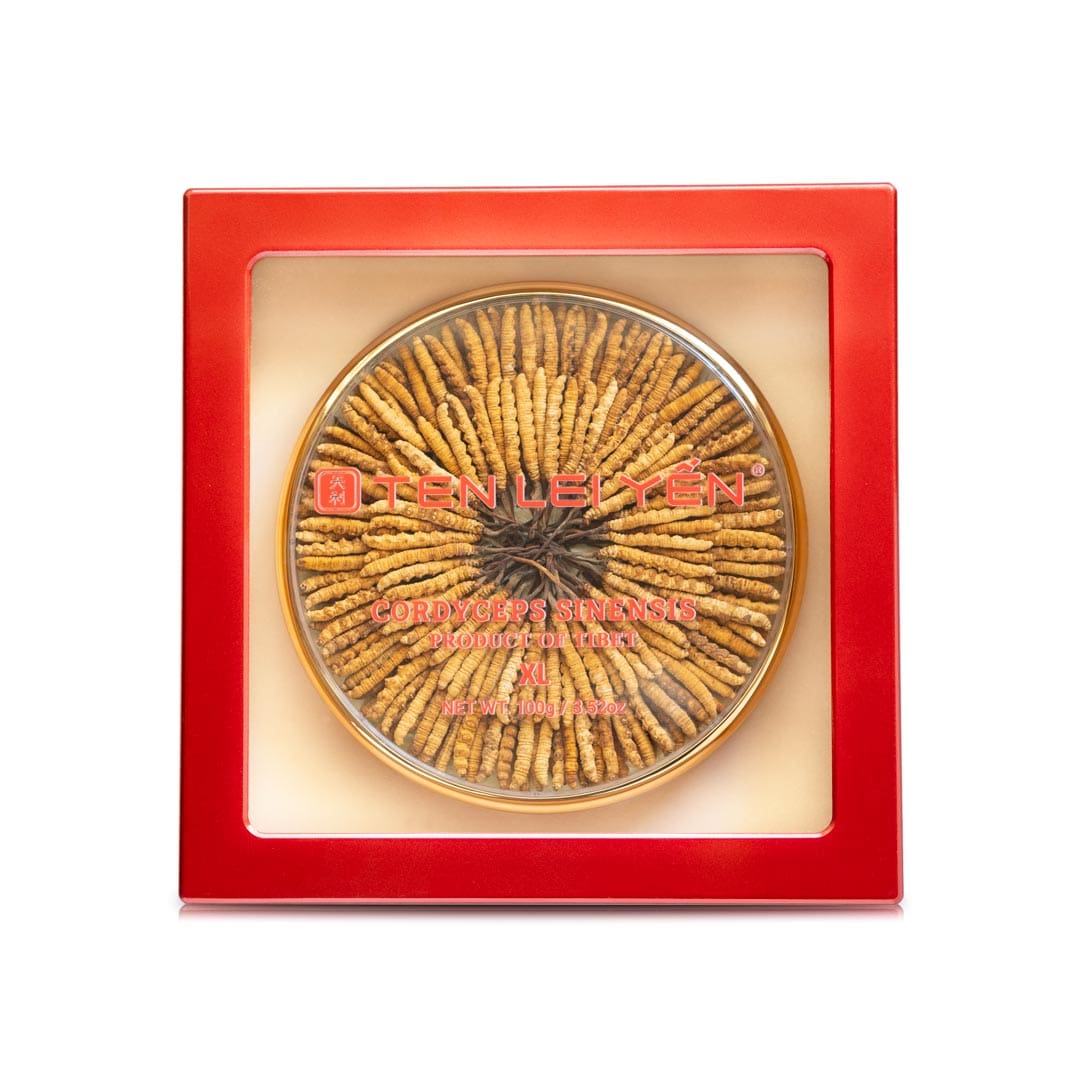
From a Tibetan Meadow to Your Table: The Six-Stage Journey of Wild Cordyceps
Wild cordyceps moves through six stages -- dig, brush and sort, grade, pack, ship, and kitchen -- before it reaches your table. Here is the full timeline, stage by stage.
Learn more
What Is Fish Maw, Really? The Swim Bladder Behind the Delicacy
Fish maw is the dried swim bladder of certain large fish. Here is what it fundamentally is, which species are typically used, and how it goes from raw organ to the golden-amber, silky-grained ingredient sold in kitchens.
Learn more
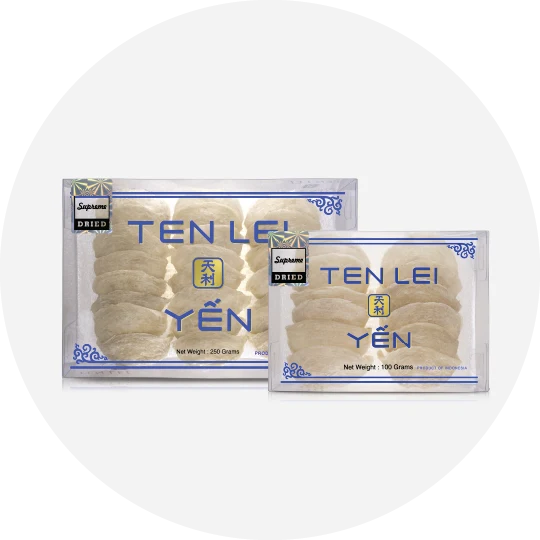
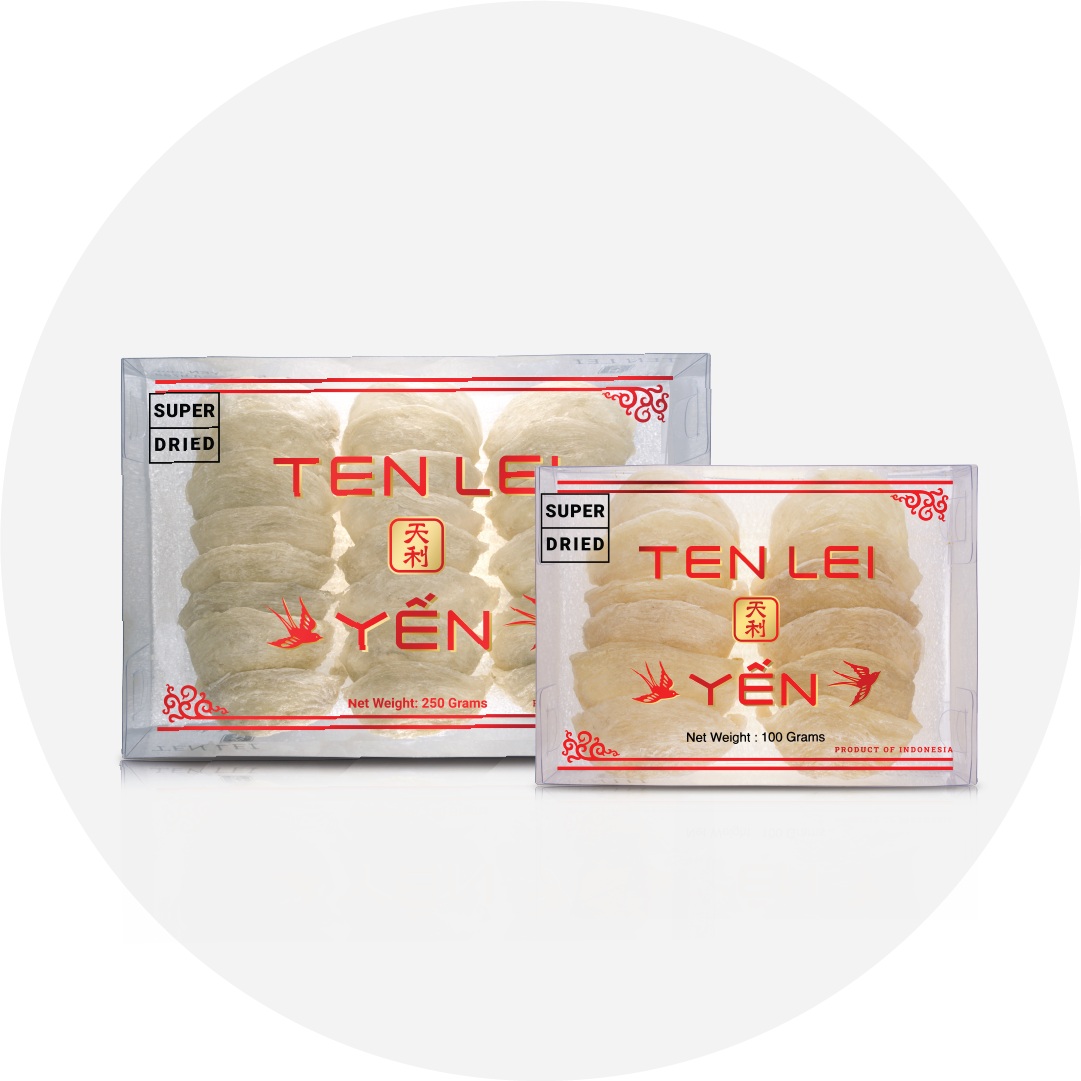
What TLY's Clear Bird's Nest Packaging Actually Protects Against
Good bird's nest packaging blocks light, controls moisture, prevents crushing, and shows tampering — while making a 250g box ready to give as a gift.
Learn more
A Few Fine Feathers in Bird's Nest: Why a Little Is Normal
A few fine feather flecks in genuine dried bird's nest are normal and a sign of minimal processing. Here is why they appear, why flawless-looking nest is not always better, and how to rinse the last ones out during soaking.
Learn more
Why Wild Cordyceps Often Arrives with a Little Soil On It
A little natural soil on wild cordyceps is normal and can signal an unprocessed, genuine product. Learn what to look for and how to clean it before cooking.
Learn more
Is the White Fuzz on Cordyceps Mold? Mycelium, Explained
A little dry white fuzz on cordyceps is usually natural mycelium, not mold. The three checks — color, texture, smell — and how to store it.
Learn more