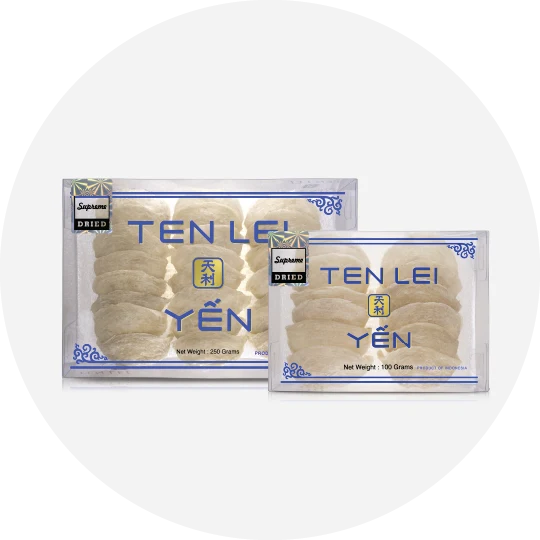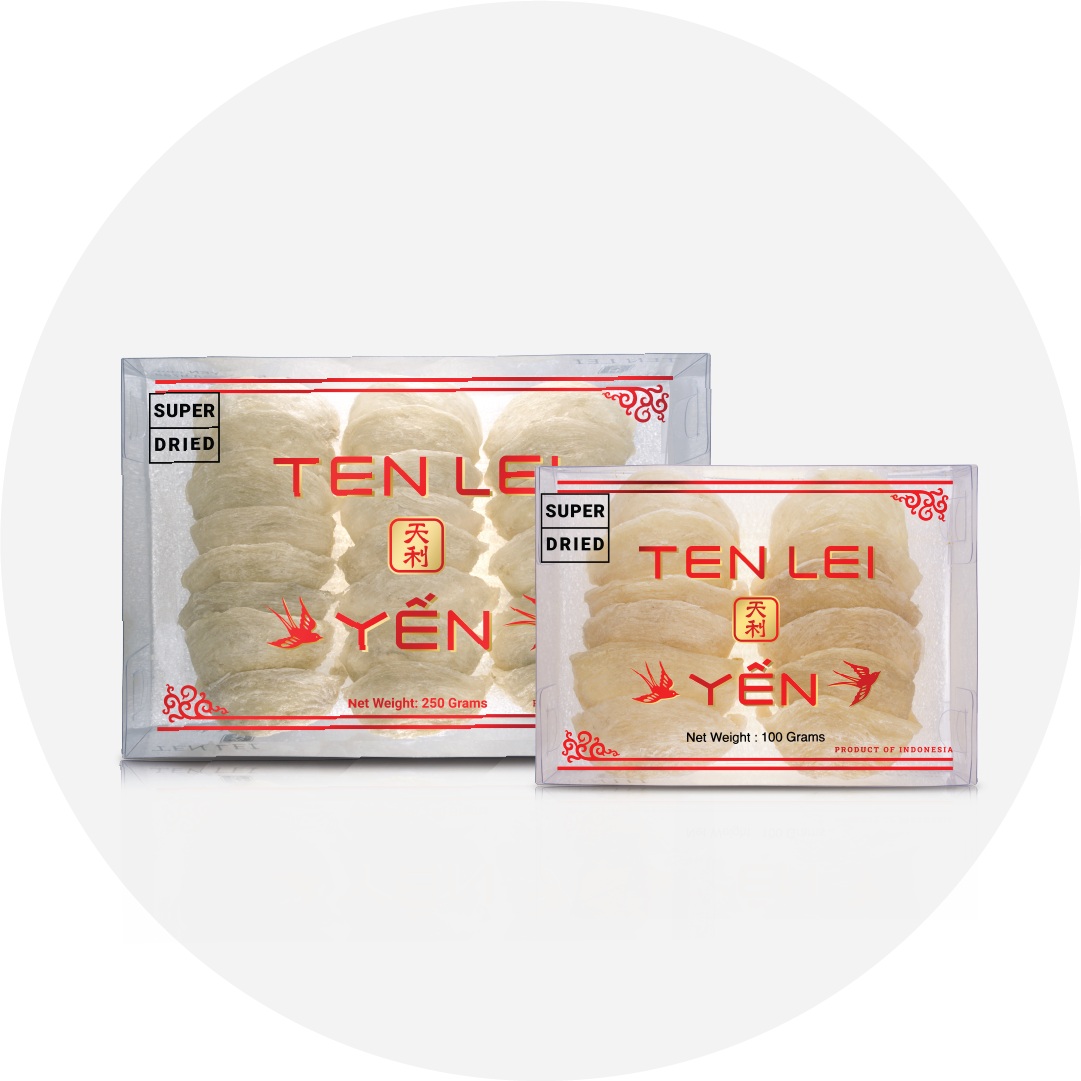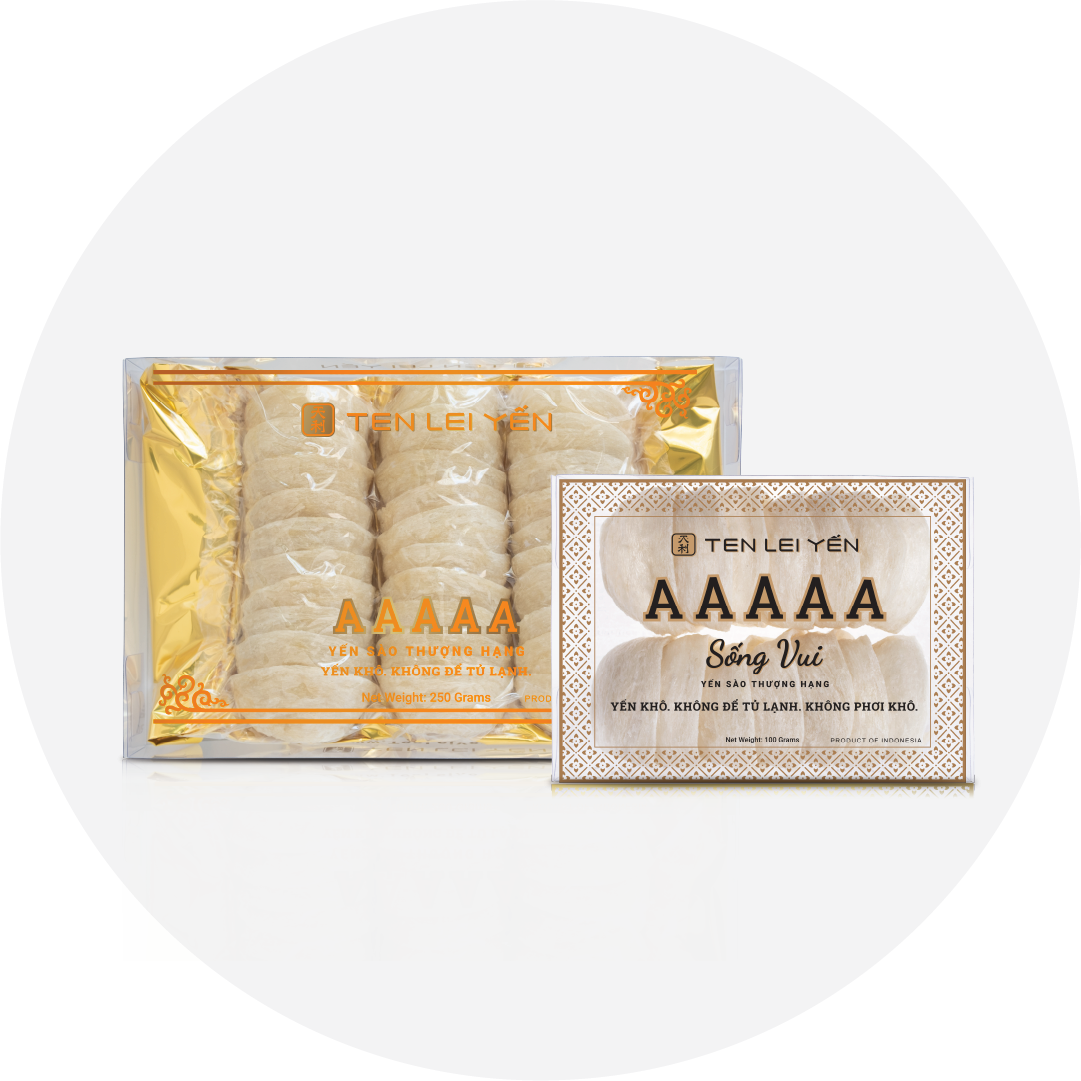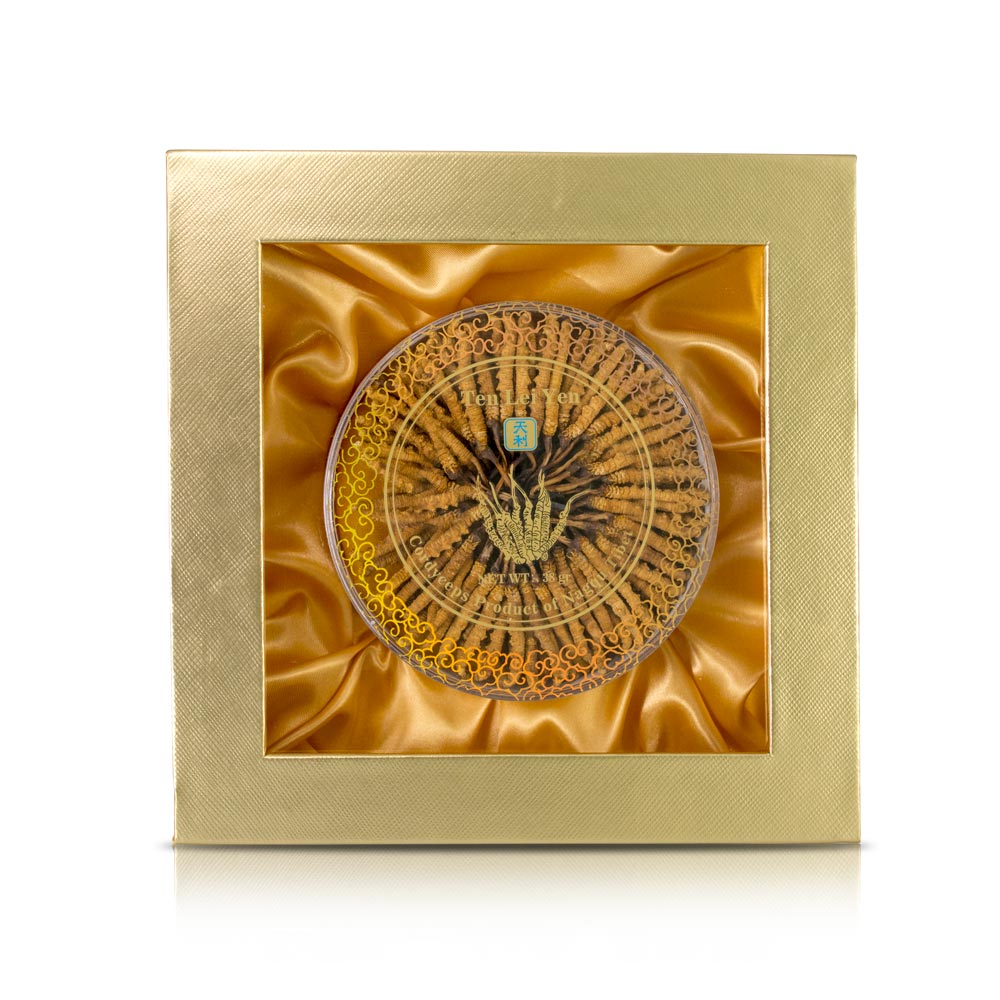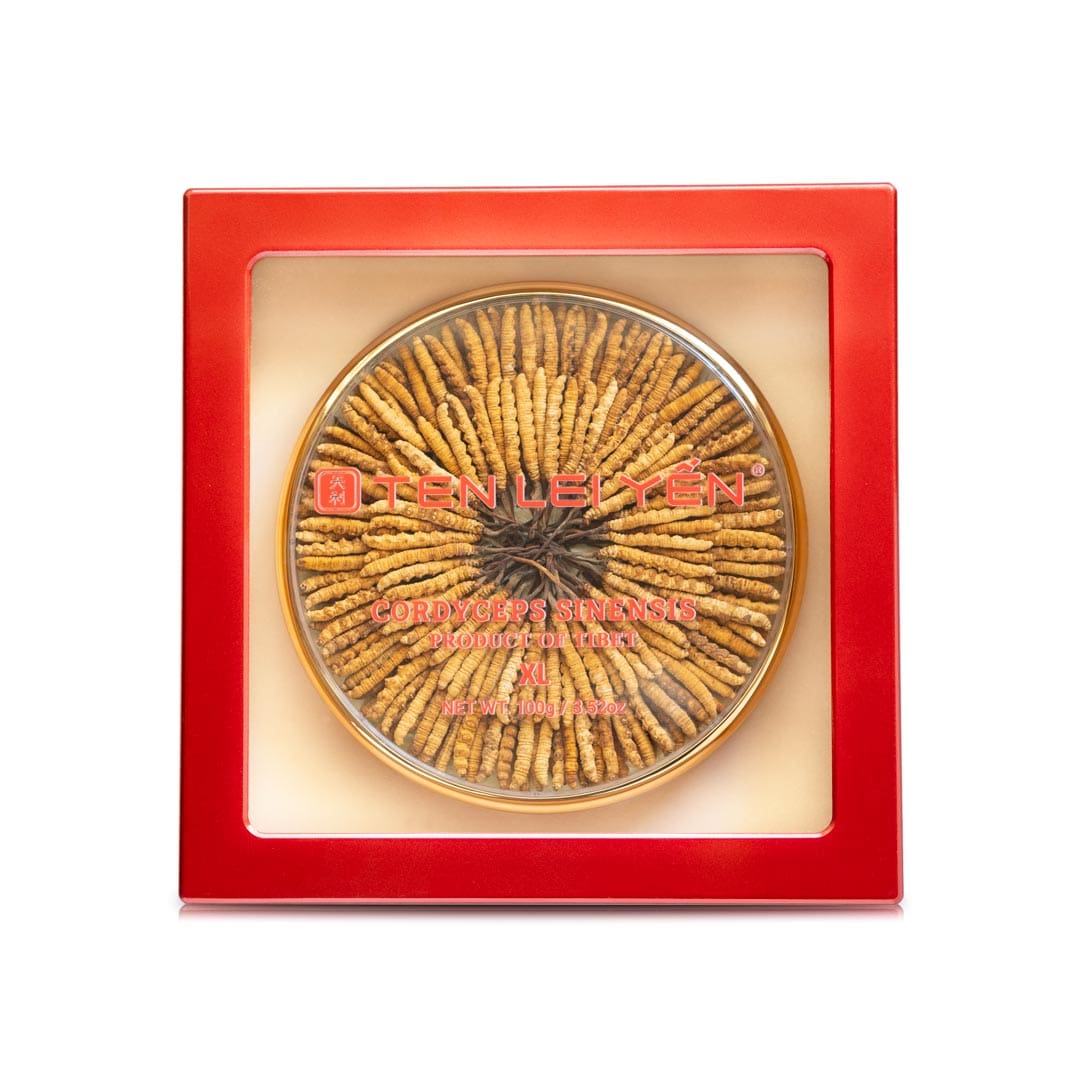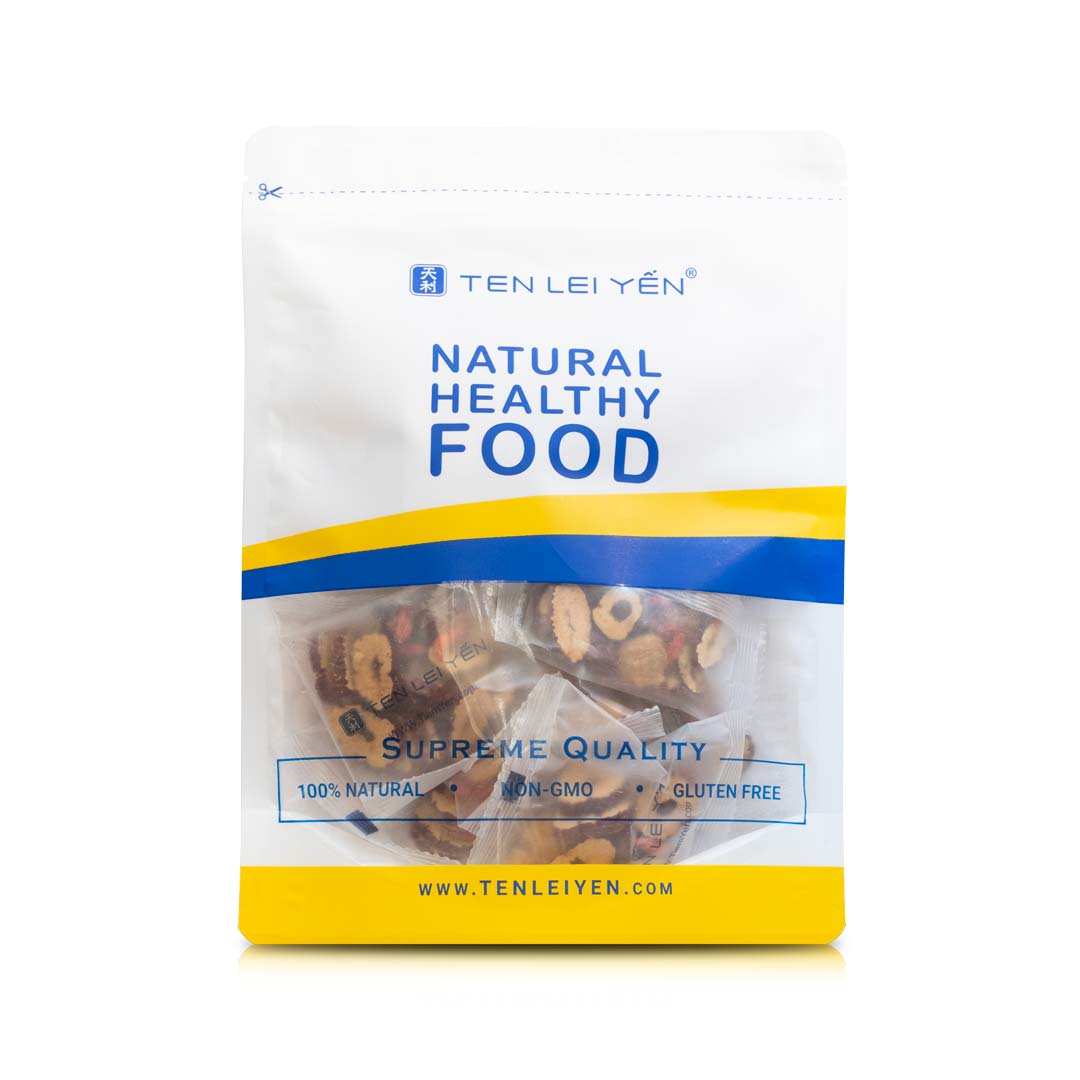
An honest edible bird's nest label should clearly state what you are buying: the country of origin, the type and grade of nest, the net dry weight, the cleaning level, the ingredients, and storage instructions. Reading the label carefully before you buy helps you compare products fairly and know exactly what is in the package.
Key takeaways
- Look for the country of origin and the type of nest (for example, white, golden, or red).
- Check the net dry weight in grams, not just the box size or piece count.
- The ingredient list for pure dry nest should read "edible bird's nest" only, with nothing added.
- Look for the grade or label tier, the cleaning level, and clear storage instructions.
- A transparent seller states the origin, weight, and form without vague wording.
What an edible bird's nest label should tell you
Country of origin
The label should state where the nest was harvested. Origin affects color, texture, and price. As an example, Ten Lei Yen sources house-farmed Indonesian nest. If a label avoids naming an origin, ask the seller directly.
Type and color of nest
White, golden, and red nests differ in color, shape, and price. The label should make the type clear so you can match it to the recipe and budget you have in mind. For background, see our white vs golden vs red guide.
Net dry weight
Weight is the fairest way to compare value. A single whole dry nest usually weighs about 8-14 g. Check the net weight in grams so you can compare price per gram across products, rather than relying on the size of the box.
Cleaning level and form
Labels may describe the nest as raw (with feathers), lightly cleaned, or fully cleaned and ready to cook. They may also note whether it is whole nest or broken nest. Both points affect preparation time and price.
Ingredients
For pure dry edible bird's nest, the ingredient list should contain one item: edible bird's nest. For bottled ready-to-drink products, expect to see water, rock sugar, and a small percentage of nest. Read the list so there are no surprises.
Storage and packaging details
Look for storage instructions and a packaging or lot reference. Dry nest keeps for about 2-3 years when stored cool, dark, and airtight; cooked nest should be refrigerated and eaten within 3-5 days.
Label terms to check at a glance
| Label term | What to look for |
|---|---|
| Country of origin | A named country (for example, Indonesia) |
| Type / color | White, golden, or red |
| Net dry weight | Weight in grams (a whole nest is about 8-14 g) |
| Cleaning level | Raw, lightly cleaned, or fully cleaned |
| Form | Whole nest or broken nest |
| Ingredients | "Edible bird's nest" only, for pure dry nest |
| Storage | Cool, dark, airtight; shelf life stated |
Questions to ask if the label is unclear
- Where was this nest harvested?
- What is the net dry weight in grams?
- Is it raw, lightly cleaned, or fully cleaned?
- Is it whole nest or broken nest?
- What exactly is in the package besides the nest?
For more on spotting quality, see how to identify genuine edible bird's nest and why edible bird's nest is priced the way it is. Browse the Blue Label, Red Label, and Specialty Nest collections to compare clearly labeled options.