Blogs


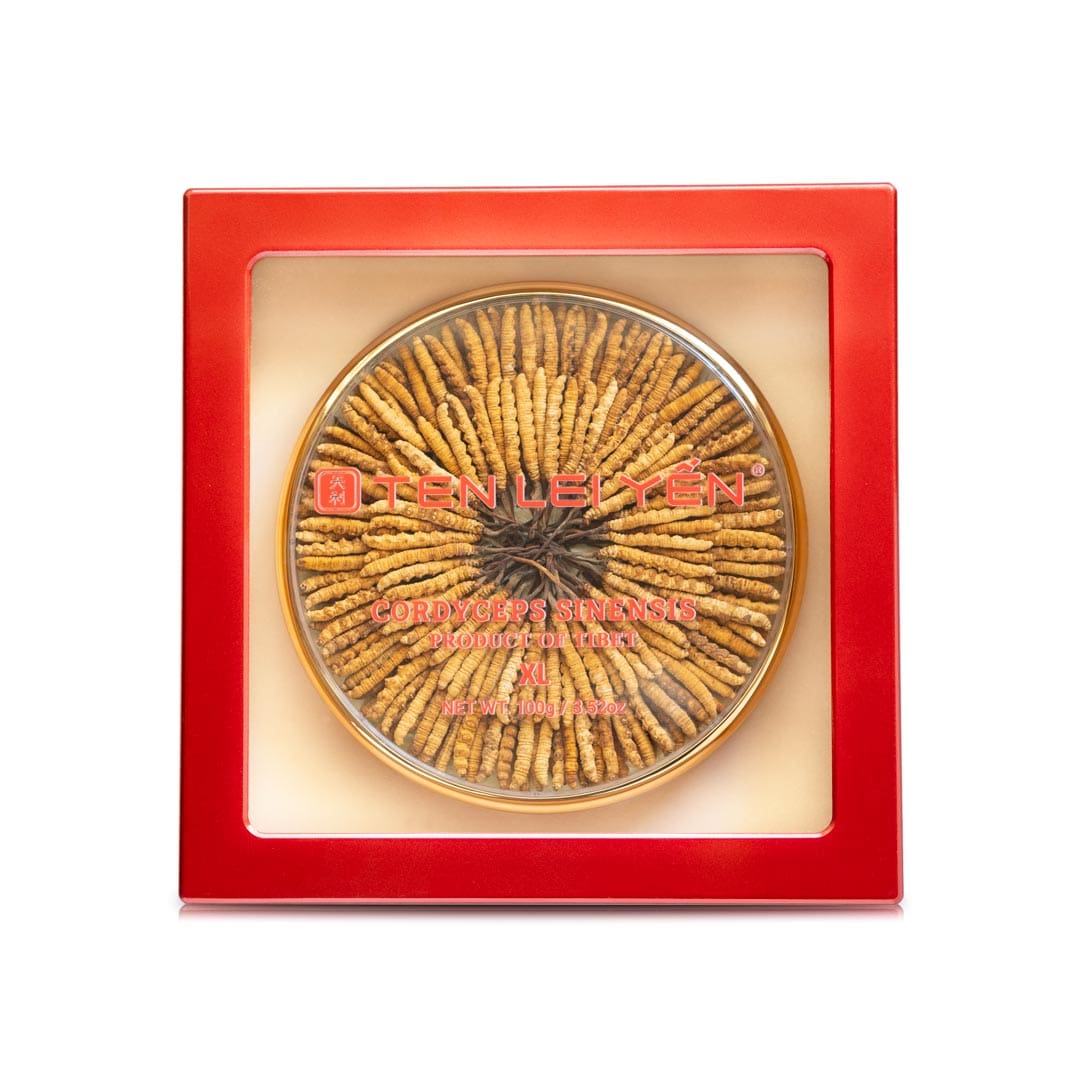
Why Ten Lei Yen's Cordyceps Packs Weigh 3.78 g, 18.9 g and 37.8 g
Why Ten Lei Yen's cordyceps packs are sized at 3.78 g, 18.9 g and 37.8 g, and which pack suits which cooking pattern.
Learn more
Fish Maw Still Smells Fishy? Here's How to Fix It
A cold soak with water changes, then a ginger-scallion-rice-wine blanch, removes the fishy smell from fish maw before you cook — plus how to tell normal marine smell from a spoilage red flag.
Learn more
What Makes One Piece of Fish Maw Cost So Much More Than Another?
Fish maw prices can differ 5-10x for the same weight. Here is why: species, size and thickness, whole-vs-cut form, drying quality, and age.
Learn more
How Much Wild Cordyceps to Buy: Planning by Occasion
For a single dish, 3-5 g of whole wild cordyceps is typically enough; a family double-boiled soup calls for about 8-19 g; and a gift is usually built around 19-38 g — here's how to plan a purchase by occasion.
Learn more
How to Soak Fish Maw Properly: Time, Water, and Texture
Soaking time depends on thickness: thin fish maw needs about 8-12 hours in cold water, thick tube-cut pieces need 12-24 hours (best done refrigerated overnight), and a quick ginger-and-scallion blanch always finishes the job.
Learn more
Real vs. Bottled vs. Freeze-Dried: What Are You Actually Paying For?
Real, home-cooked bird's nest can cost as little as $4.35 to $8.44 per serving — while ready-to-drink bottles and freeze-dried "instant" versions on the market often cost the same or far more, for far less actual nest. This video breaks down the real math behind all three formats, using our own current listed prices. Key takeaways Home-cooked whole nest (Ten Lei Yen): about $4.35 to $8.44 per serving, depending on grade. Ready-to-drink bottled versions: typically $4 to $6 per small 240ml bottle — mostly water and sugar, with a small amount of dissolved nest you can't see or measure. Freeze-dried "instant" versions: commonly $40 to $60 or more per single serving, reprocessed into a shape before drying. With whole nest, you see and weigh exactly what you're cooking — nothing diluted, nothing reformed. Watch the breakdown Your browser does not support embedded video. Watch the video here. Home-cooked, whole nest When you cook a whole dried nest at home, you see every strand — hand-cleaned, never bleached. Using our Blue Label Supreme grade, a traditional 3-nest pot yields about a liter of finished soup, or roughly 11 servings at 6 tablespoons each — about $8.44 per serving. Our 5A grade brings that down to about $4.35 per serving. You know exactly how many grams of real nest are in your bowl, because you put the whole piece in yourself. Ready-to-drink bottled A small 240ml bottle of ready-to-drink bird's nest typically runs $4 to $6 on the market. Most of that volume is water and sugar — the actual nest content is a small amount dissolved into the liquid. Once it's mixed in, there's no way to see or weigh how much real nest made it into your bottle. Freeze-dried, "instant" Freeze-dried versions are ground, reformed into a shape, then freeze-dried — you rehydrate with hot water before eating. A single serving like this commonly costs $40 to $60 or more on the market. Because the nest has already been processed and reshaped, there are no original whole strands left to inspect. What the price gap really means A higher price doesn't always mean more real nest — sometimes it's the cost of processing and packaging, not the ingredient itself. Whole nest you cook yourself is the only format where the price maps directly to something you can see and weigh. Browse our whole-nest grades in the Blue Label and 5A collections. Shop this article White Edible Bird's Nest – Blue Label Supreme – 250g (8.8 oz) $750 White Edible Bird's Nest – Red Label, Super Dried – 250g (8.8 oz) $650 White Edible Bird's Nest, 5A (AAAAA) – Ten Lei Yen – 250g (8.8 oz) $475 Browse all Bird's Nest →
Learn more
Why Wild Cordyceps Prices Change from Year to Year
Wild cordyceps is a once-a-year, hand-gathered harvest, so its price moves with each season. Here is how weather, the short picking window, and the year's grade mix shape what you pay.
Learn more
How Much Bird's Nest Should You Eat, and How Often? A Portion Guide
How much bird's nest is a serving? Ten Lei Yen, a Westminster, CA specialist since 2007, gives standard and whole-nest portions in grams, with cost per serving.
Learn more
How Wild Cordyceps Is Used in Traditional Chinese Cooking
A culinary and cultural look at how whole wild cordyceps is used in traditional Chinese cooking: in double-boiled clear soups, paired with poultry and pork, and served at banquets and festive tables.
Learn more