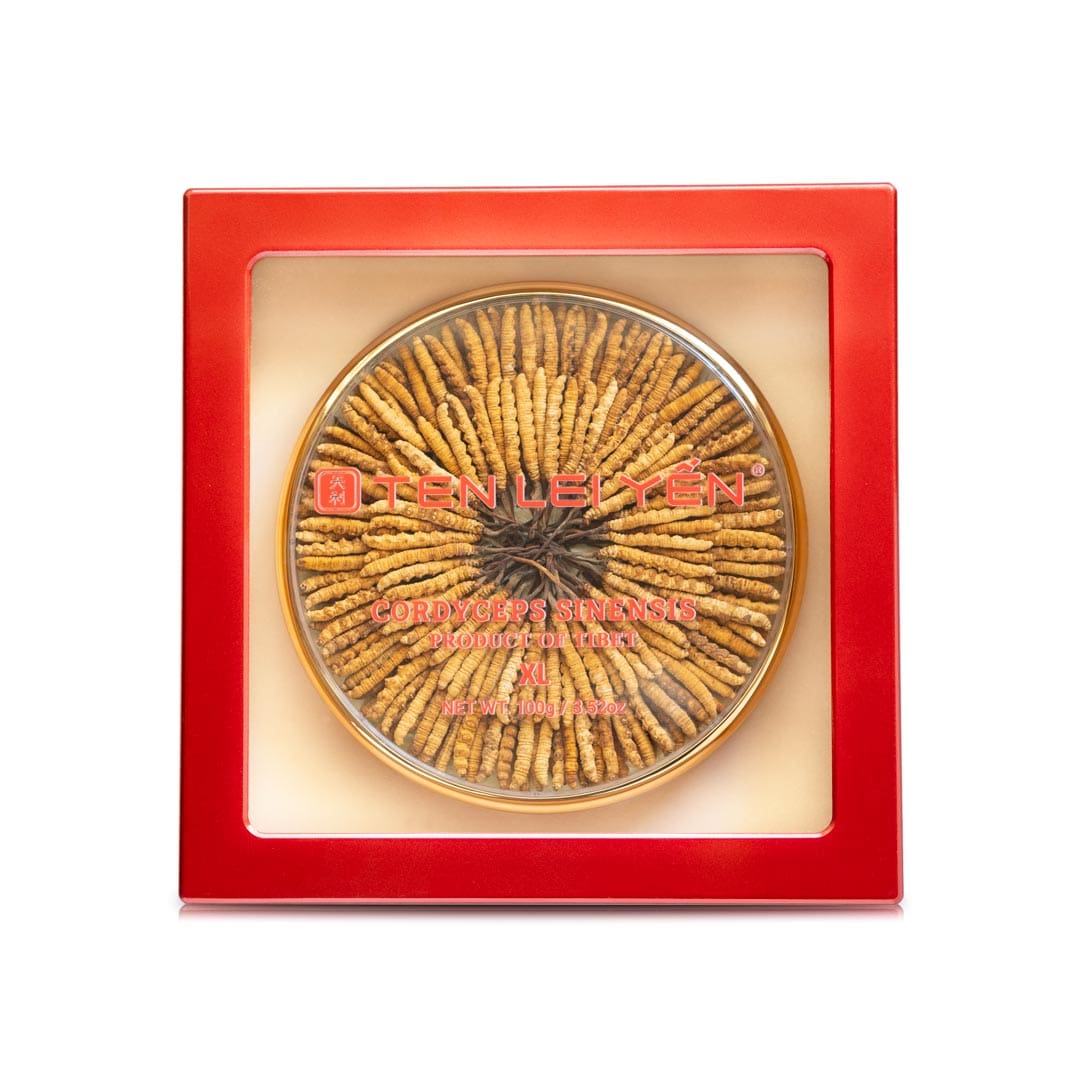
Wild cordyceps prices move from one year to the next mainly because it is a wild-gathered, once-a-year harvest. Every spring, collectors walk the high meadows of the Tibetan Plateau and gather whatever that season produced. Weather, the length of the picking window, and how much is found all change the supply, and supply is what sets the tone on price.
Key takeaways
- Wild Cordyceps sinensis is collected by hand each spring; there is no factory to raise output when interest climbs.
- Plateau weather, snowmelt timing, and rainfall change how much is found in a given year.
- The picking window is short and the terrain is remote, which caps how much can be gathered.
- The mix of sizes and grades shifts year to year, and that mix moves the average price.
- Currency, travel costs, and gifting-season timing add smaller ripples on top.
A wild crop, not a manufactured one
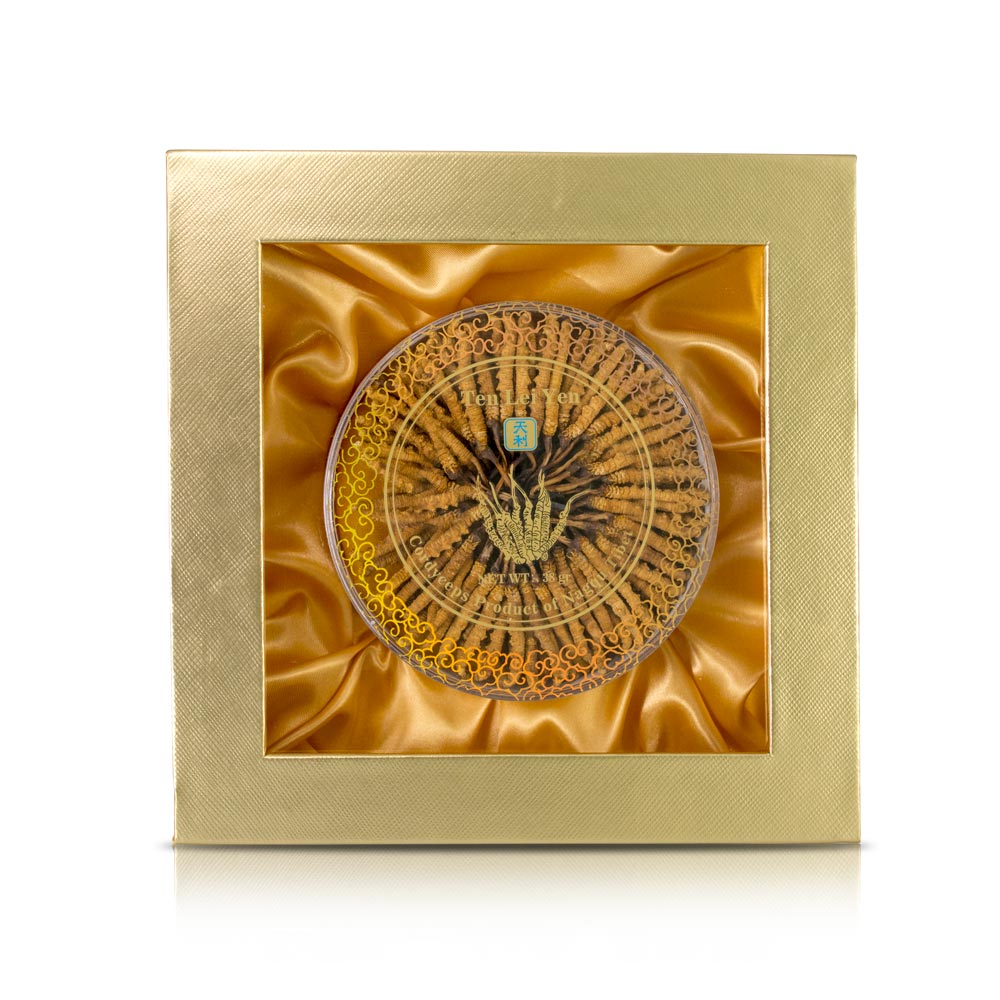
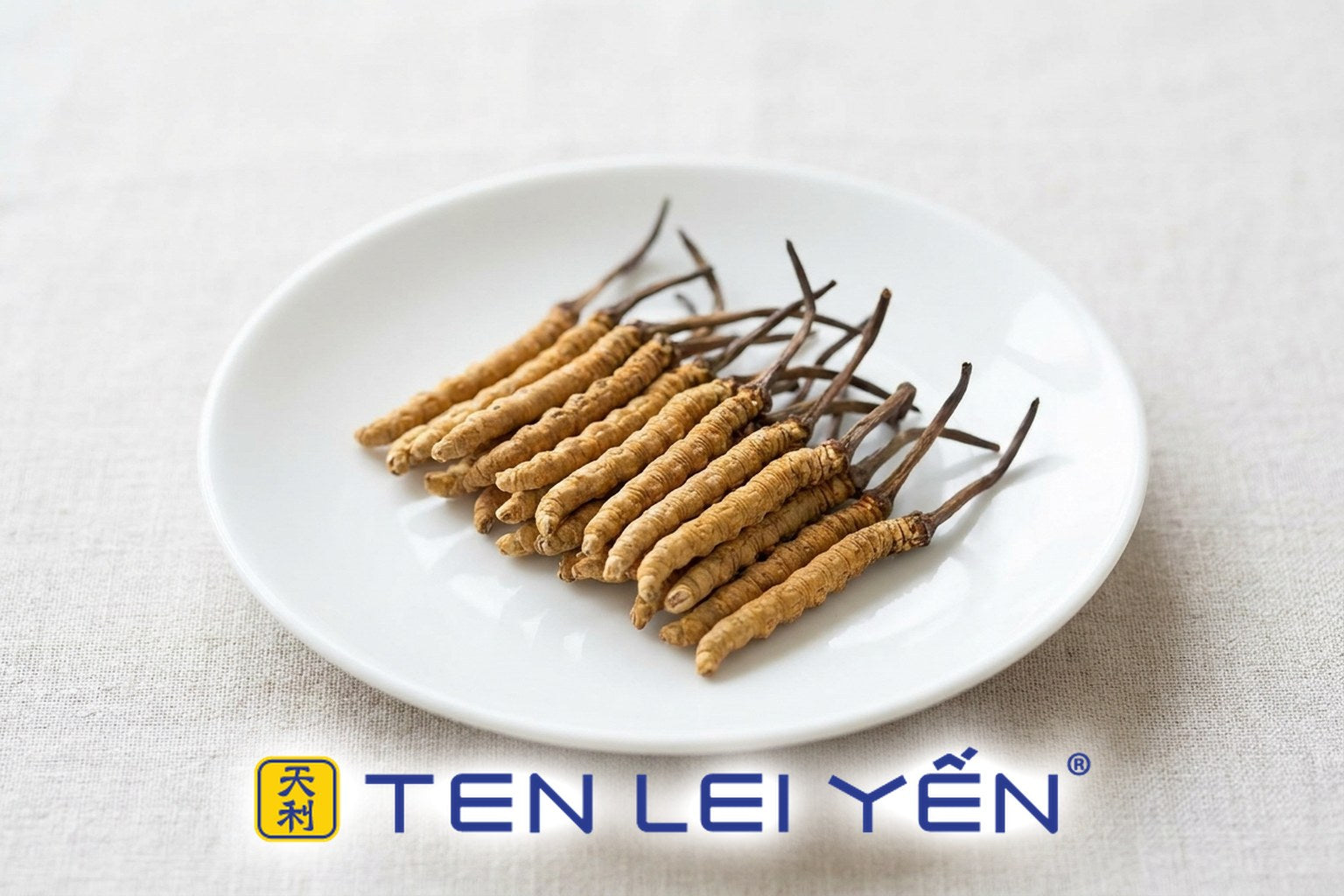
Wild cordyceps grows in the alpine grasslands of the Tibetan Plateau, where a slender tan-to-golden body carries a single thin, dark stalk. It cannot be scaled up on demand. When a food is farmed, a grower can plant more the next season. Wild cordyceps offers no such lever: the total each year is simply what people find and carry down from the mountains. That is the root reason its price behaves differently from most pantry items.

What the weather does to a season
The plateau's spring conditions decide how generous a harvest will be. A winter with steady snow followed by a gentle, well-timed thaw tends to bring a fuller season. A dry spring, an early heatwave, or late storms can shorten it. Because the harvest happens over just a few weeks, a single stretch of poor weather can weigh on the whole year's supply.
Why one region can differ from another
The plateau is vast, and elevation, rainfall, and soil vary from valley to valley. A strong year in one prefecture can sit beside a lean one nearby. Buyers often notice that pieces from higher, more remote meadows are scarcer, which is part of why origin is always worth asking about.
The harvest window is short
Collecting takes place mostly from late spring into early summer, when the small stalks are easiest to spot against the thawing ground. Miss the window and the pieces are harder to find intact. How many people reach the meadows, how far they travel, and how the weather holds during those weeks all feed into the season's total.
Grade and size mix shifts every year
Not every season yields the same balance of pieces. Some years bring more large, plump, intact bodies; others lean toward smaller or broken ones. Since larger, whole pieces command more than small or fragmented ones, a year heavy in big pieces will read as a more expensive year on average, even before anything else changes. This is why a headline price is only meaningful alongside the grade it describes.
Demand and timing add smaller ripples
On top of supply, ordinary market forces nudge the price. Currency shifts, transport and handling costs, and the pull of gifting seasons can all move figures modestly. These are usually gentler than a good or lean harvest, but they explain why quotes can drift even within a single year.
What this means for buyers
Rather than chase a single "right" price, compare like with like: the same grade, size, and origin, weighed the same way. If you are choosing wild pieces, browse our wild cordyceps collection. If a steadier, more predictable price matters more to you, cultivated cordyceps is grown in controlled conditions and tends to hold its price more evenly year to year. For everyday brewing and serving, a cordyceps infuser bottle makes whole pieces easy to use and reuse.
Frequently asked questions
Does a higher price mean better quality?
Not on its own. Price reflects the season's supply and the grade mix as much as the quality of any single piece. Always read the grade, size, and origin alongside the number.
Should I wait for prices to fall?
Because supply depends on each spring's harvest, prices are hard to time. It is usually more useful to choose by the grade and quantity you want than to wait for a dip that may not come.