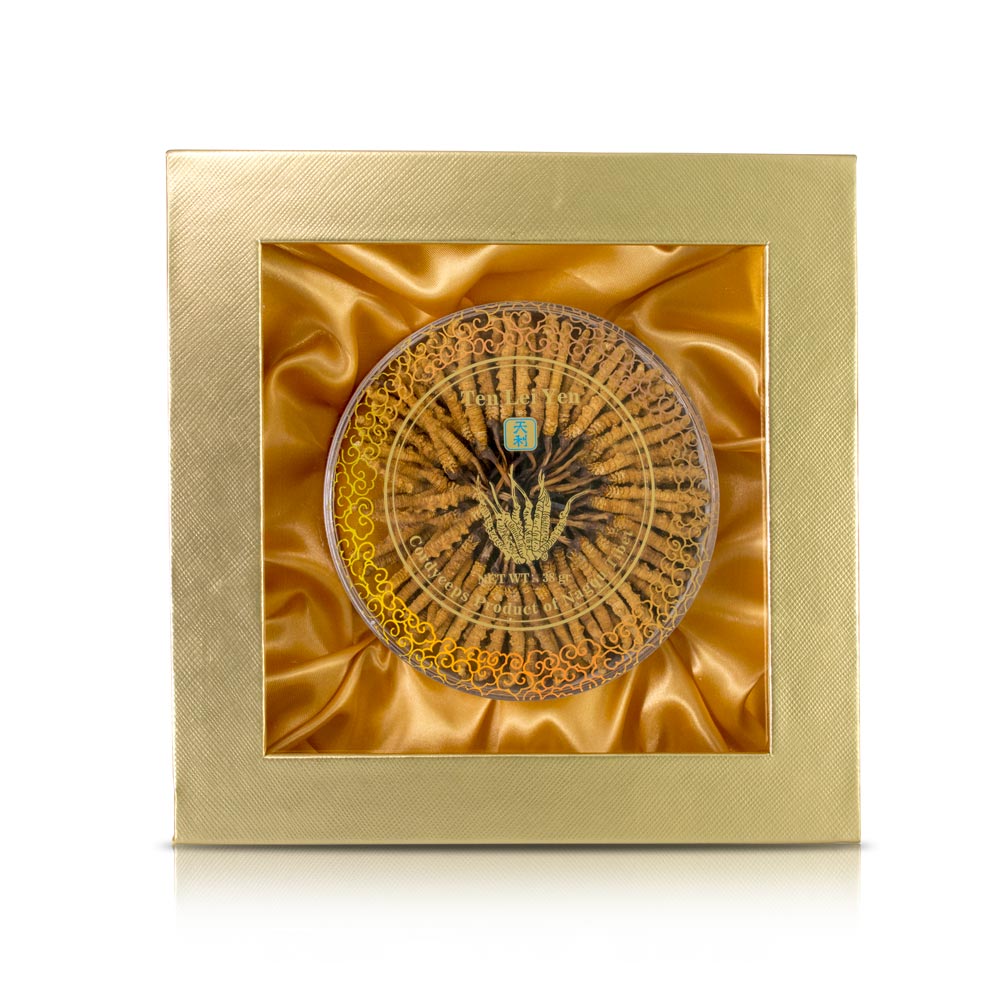
As the weather cools, cordyceps shifts from clear double-boiled soups to longer, richer braises — the same ingredient, but a slower cook with darker, more concentrated ingredients around it. The key change is timing: add cordyceps late in a long braise so it doesn't turn to mush.
Key Takeaways
- Clear double-boiled soups suit warmer months; as it cools, longer braises with richer ingredients take over.
- A double-boil runs about 40 minutes; a braise can run well over an hour, so cordyceps needs different timing in each.
- Add cordyceps in the final 20–30 minutes of a long braise, not at the start, so it holds its shape.
- Chestnuts, root vegetables, and dark soy-based braises are classic autumn pairings for cordyceps.
- This is the autumn counterpart to lighter summer preparations — see our earlier guide for the warm-weather version.
Alina @ TLY
The Seasonal Shift
Through the warmer months, cordyceps tends to show up in clear, double-boiled soups — pale broths built for a light finish, cooked gently for about 40 minutes and served with little else in the bowl. As mornings turn cooler and the table starts calling for heavier dishes, cordyceps moves naturally into braises: dishes built around a longer cook time, a darker sauce, and heartier ingredients like chestnuts, root vegetables, or mushrooms. The ingredient itself doesn't change — what changes is the dish it's built into and how long that dish spends on the heat.
How Cordyceps Behaves Over a Long Braise
A clear double-boil and a slow braise put very different demands on a piece of cordyceps. In a double-boil, the piece sits in gently simmering liquid for around 40 minutes and holds its shape well throughout. A braise runs much longer — often an hour or more — and if cordyceps goes in at the very start alongside the meat, it will have far more time in hot liquid than it needs, softening past the point of holding together and losing the texture that makes it worth adding at all.
When to Add It
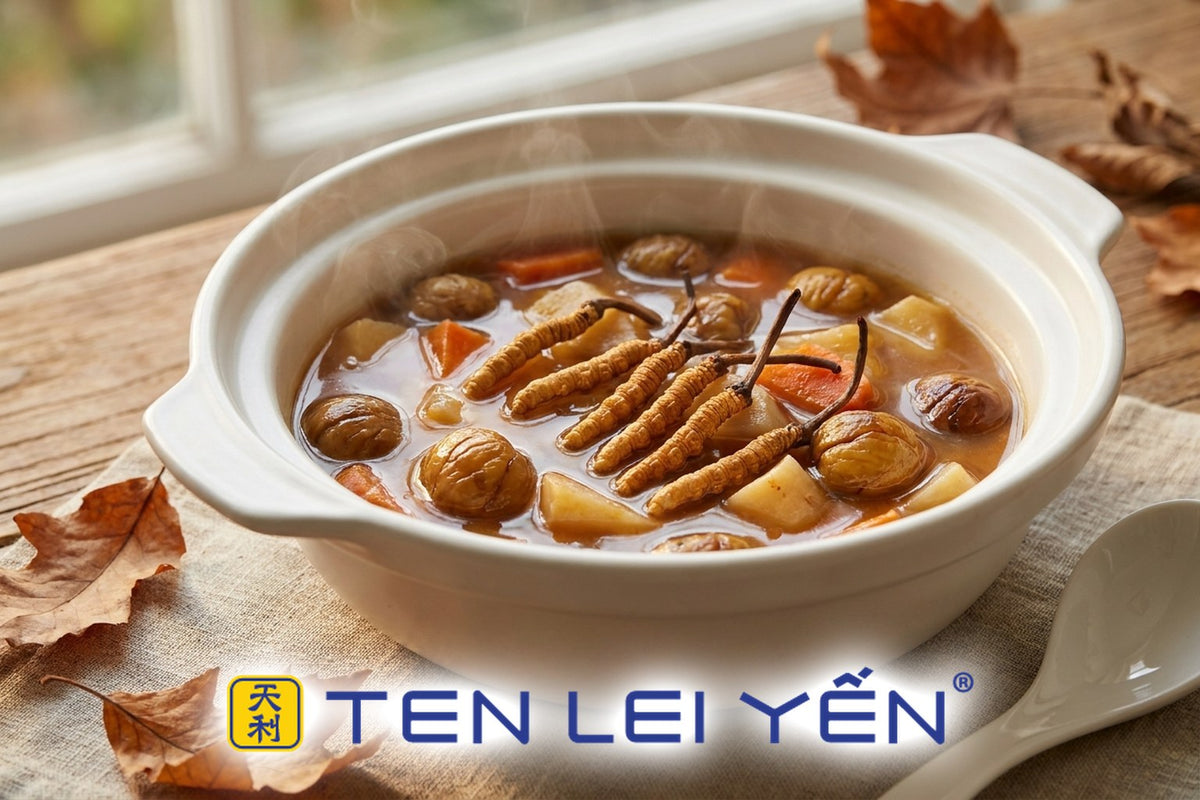
The fix is simple: add cordyceps in the final 20 to 30 minutes of a long braise, once the meat and vegetables are already most of the way cooked. This gives the piece enough time to warm through and pick up the flavour of the braising liquid without sitting in near-boiling liquid for the full cook. Chestnut and Cordyceps Braised Chicken is a good example of this timing in practice, with cordyceps added well after the chicken itself has started to braise.
Autumn Pairings Worth Trying
Chestnuts are the classic autumn partner — their starchy sweetness sits well against cordyceps' earthy, faintly mushroom-sweet flavour, and both hold their shape through a braise if added with the same care around timing. Root vegetables like daikon or taro work similarly, softening slowly and taking on the darker braising liquid. A darker, soy-based braise with chicken or pork gives cordyceps a richer backdrop than the clear broths of warmer months, which is really the whole point of the seasonal shift.
Not a Replacement for the Summer Version
This isn't a claim that braises are somehow better than a clear double-boil — the two suit different seasons and different moods. We covered the lighter, warm-weather approach in Cordyceps Isn't Just for Winter: Light Summer Ways to Use It. This piece is its counterpart on the other end of the calendar: once the weather turns, the same ingredient earns a place in a heavier, longer-cooked dish, and the timing above is what keeps it from going soft along the way.