By Alina @ TLY
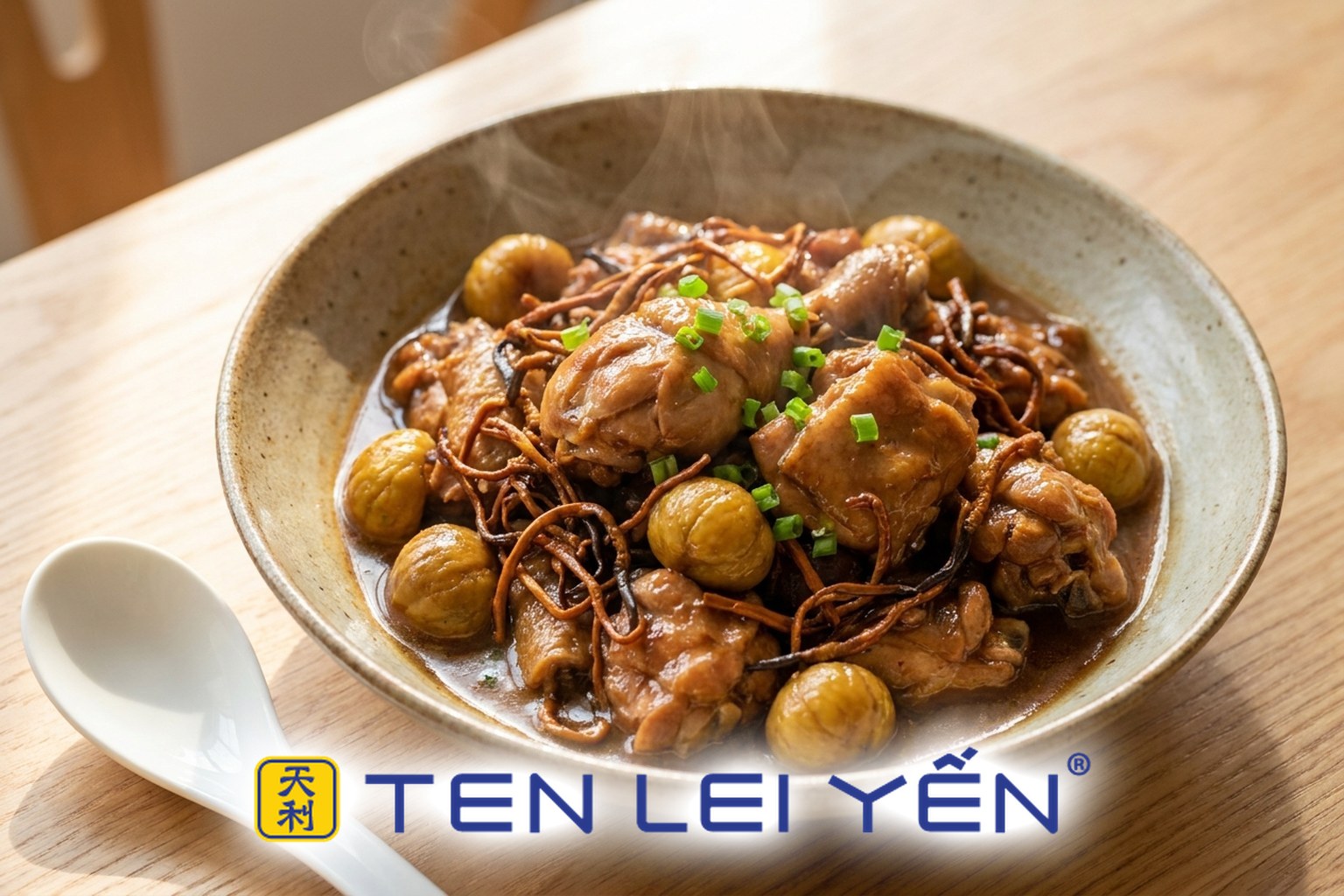
This braise pairs bone-in chicken pieces with peeled chestnuts and wild Cordyceps sinensis, simmered low and slow in a soy-based broth with ginger and aromatics until the chicken is tender and the chestnuts turn soft and sweet. It takes about 45 minutes of active cooking plus a slow simmer, and serves 4.
- Chestnuts and wild Cordyceps sinensis both go into the pot from the early simmer so their flavors carry through the broth.
- Browning the chicken and lightly pan-searing the chestnuts first keeps both from falling apart during the long braise.
- Ginger, scallion, and Shaoxing wine are the core aromatics — genuine cooking ingredients in this savory dish, not decorative.
- Late summer into early autumn is peak season for fresh chestnuts, making this a natural seasonal braise.
- The dish serves 4 and takes about 20 minutes prep plus roughly 45–60 minutes of simmering.
What You'll Need
Ingredients
- 1.5 lb (700 g) bone-in chicken thighs and drumsticks, cut into pieces
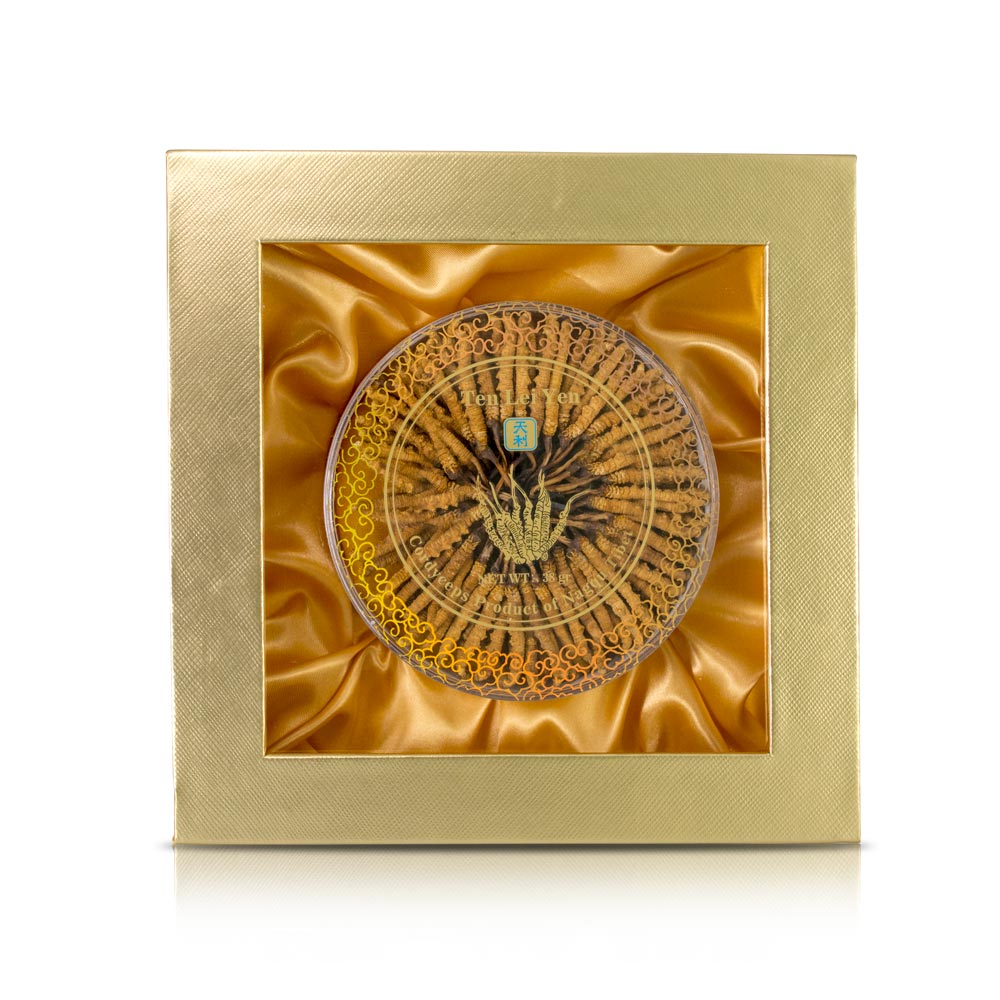
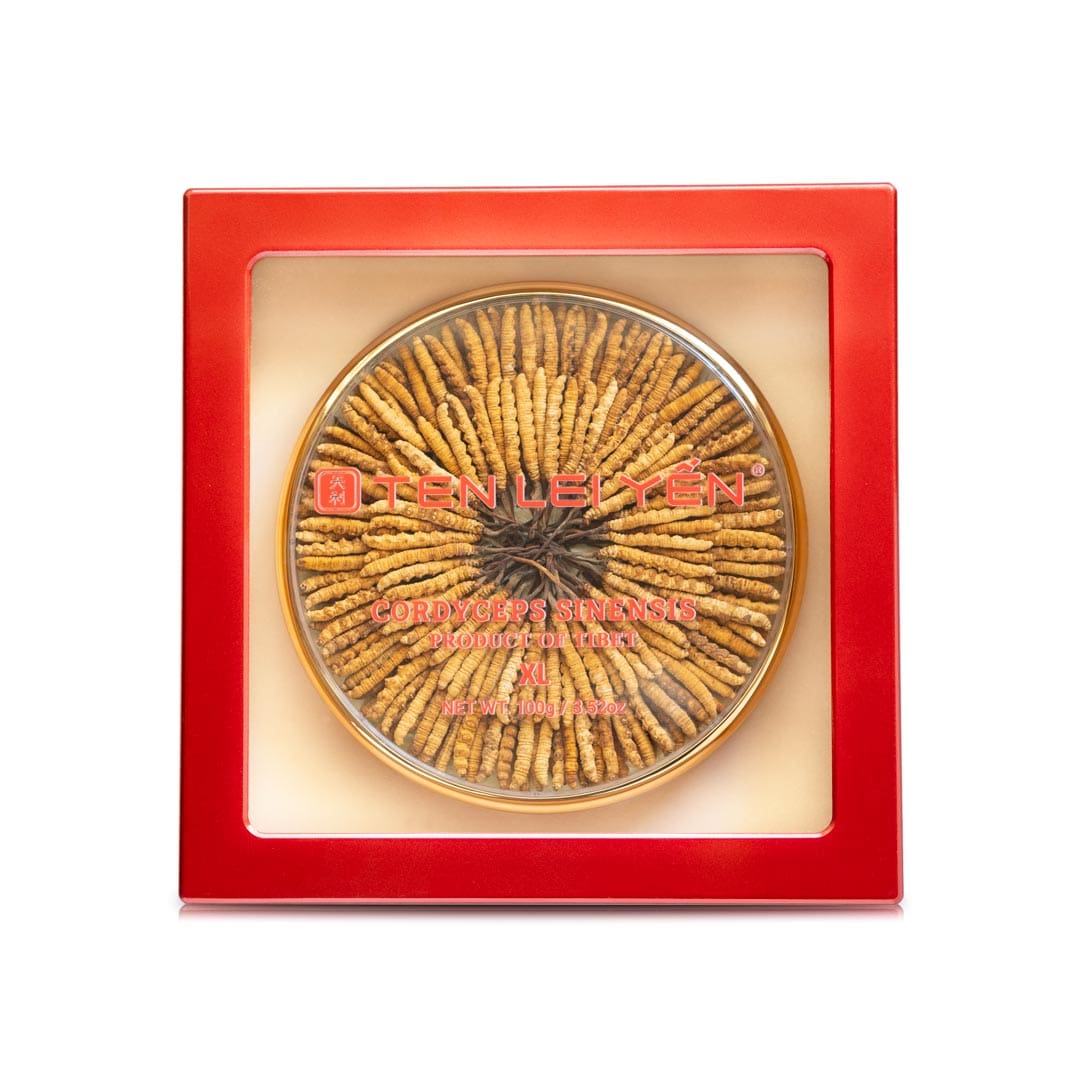
- 10–12 whole wild Cordyceps sinensis pieces, rinsed
- 10 oz (280 g) fresh chestnuts, peeled
- 4 slices fresh ginger
- 2 scallions, cut into 2-inch lengths
- 2 cloves garlic, smashed
- 2 tbsp light soy sauce
- 1 tbsp dark soy sauce
- 2 tbsp Shaoxing wine
- 1 tsp sugar
- 1.5 cups (360 ml) chicken broth or water
- 1 tbsp neutral oil
- White porcelain spoon, for serving
How to Make Cordyceps and Chestnut Braised Chicken
Step 1: Brown the Chicken
Heat the oil in a heavy pot or Dutch oven over medium-high heat. Add the chicken pieces skin-side down and sear until golden, about 4–5 minutes per side. Remove and set aside, leaving the rendered fat in the pot.
Step 2: Build the Aromatics
Add the ginger, scallion, and garlic to the same pot and stir for about 30 seconds, until fragrant. Return the chicken to the pot.
Step 3: Add Liquid and Simmer
Pour in the Shaoxing wine, light soy sauce, dark soy sauce, sugar, and broth. Bring to a simmer, cover, and cook on low heat for 20 minutes.
Step 4: Add Chestnuts and Cordyceps
Add the chestnuts and wild Cordyceps sinensis pieces to the pot. Cover and continue simmering on low for another 20–25 minutes, until the chicken is fork-tender, the chestnuts are soft enough to break apart gently, and the sauce has reduced to a rich, glossy consistency.
Step 5: Reduce and Serve
If the sauce is still thin, uncover for the final 5 minutes and raise the heat slightly to reduce it. Spoon the chicken, chestnuts, and cordyceps into a serving dish with plenty of sauce, using a white porcelain spoon to portion the broth over each serving.
Tips for the Best Braise
- Fresh chestnuts are in season from late summer into autumn; if using vacuum-packed cooked chestnuts, add them in the final 10 minutes only, since they are already soft.
- Wild Cordyceps sinensis holds its shape through long simmering, so it can go in earlier than more delicate ingredients.
- Bone-in chicken thighs hold up better than breast meat over a long braise and stay juicier.
- Leftover sauce can be reduced further and spooned over steamed rice.
Explore Ten Lei Yen's wild Cordyceps sinensis for this recipe, or see our cultivated cordyceps collection for other preparations.


Frequently Asked Questions
Can I use dried chestnuts instead of fresh?
Yes. Soak dried chestnuts in warm water for at least 2 hours before use, then add them at the same point as fresh chestnuts in the recipe.
Can I substitute Cordyceps militaris for wild Cordyceps sinensis in this recipe?
You can, but adjust timing — Cordyceps militaris softens faster than wild Cordyceps sinensis and should be added about 20 minutes later than the wild sinensis in this recipe to avoid overcooking.
How do I know the chicken is fully cooked?
The chicken is done when it easily pulls away from the bone and the juices run clear. Bone-in pieces typically need at least 40 minutes of total simmering time.
Can this dish be made ahead?
Yes. The flavor deepens overnight in the refrigerator. Reheat gently over low heat, adding a splash of water or broth if the sauce has thickened too much.