By Alina @ TLY
Cordyceps militaris and "cordyceps flower" are the same product under two different names — cordyceps flower is simply the common market name (from the Chinese 虫草花) for cultivated Cordyceps militaris. Wild Cordyceps sinensis is a separate species entirely, not a different name for the same thing. The naming gets confusing because sellers use these terms inconsistently, sometimes on the same listing.
- "Cordyceps flower" and "Cordyceps militaris" refer to the same cultivated species — one is a common trade name, the other is the scientific name.
- Wild Cordyceps sinensis is a genuinely different species, not another name for militaris or cordyceps flower.
- Sellers are not consistent: some list "cordyceps flower," some list "cordyceps militaris," and a few use "cordyceps" alone for either species — read the fine print.
- Appearance is the fastest check: orange finger-like clusters are militaris/cordyceps flower; a tan caterpillar body with one dark stalk is wild sinensis.
- Price is a strong clue — wild sinensis costs far more than cultivated cordyceps flower/militaris because of how each is produced.

What Do Sellers Mean by "Cordyceps Flower"?
"Cordyceps flower" is a direct translation of 虫草花 (chóng cǎo huā), a name used across Chinese and Southeast Asian markets for Cordyceps militaris — the bright orange, finger-like fungus grown indoors on grain substrate. The "flower" in the name refers to the fanned, cluster shape of the stalks, not to an actual flower or plant. Listings that say "cordyceps flower," "虫草花," "chong cao hua," or "cordyceps militaris" are, in practice, describing the same cultivated product.
Is Cordyceps Militaris the Same Product as Cordyceps Flower?
Yes. Cordyceps militaris is the scientific species name; cordyceps flower is the everyday market name for that same species. There is no biological difference between a bag labeled "cordyceps flower" and one labeled "Cordyceps militaris" — both should be the same orange, cultivated stalks. The inconsistency comes from sellers choosing different labels for the same item, not from two different products. Where confusion can genuinely creep in is when a seller uses the word "cordyceps" alone with no species name or Chinese characters attached — in that case, the photo and price are the only way to tell what is actually being sold.
Where Does Wild Cordyceps Sinensis Fit In?
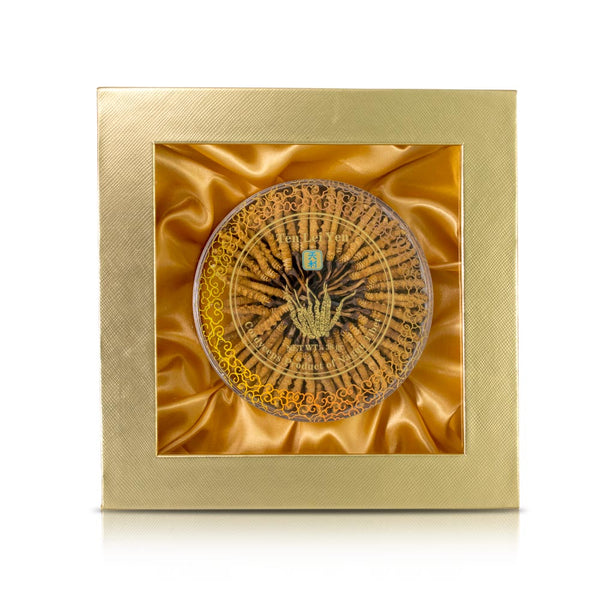
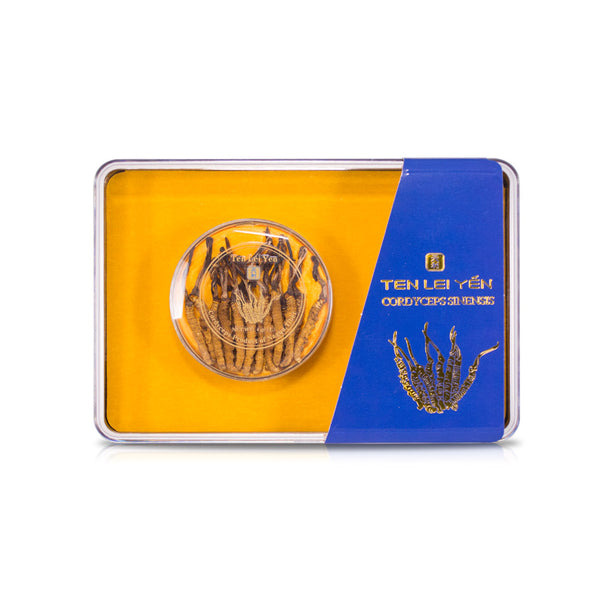
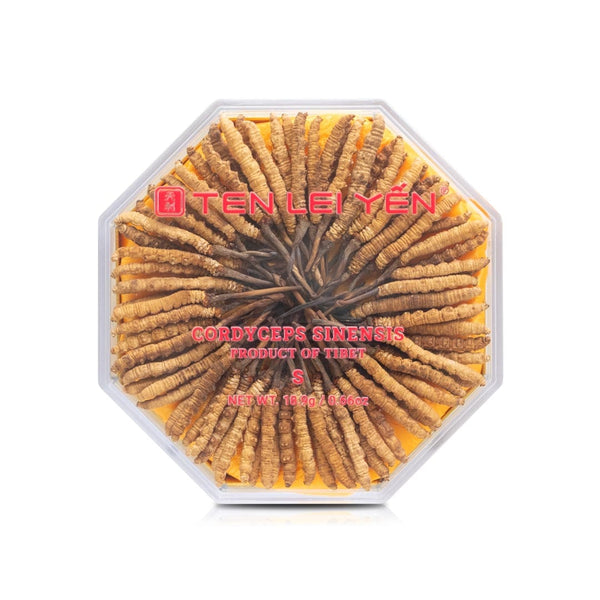
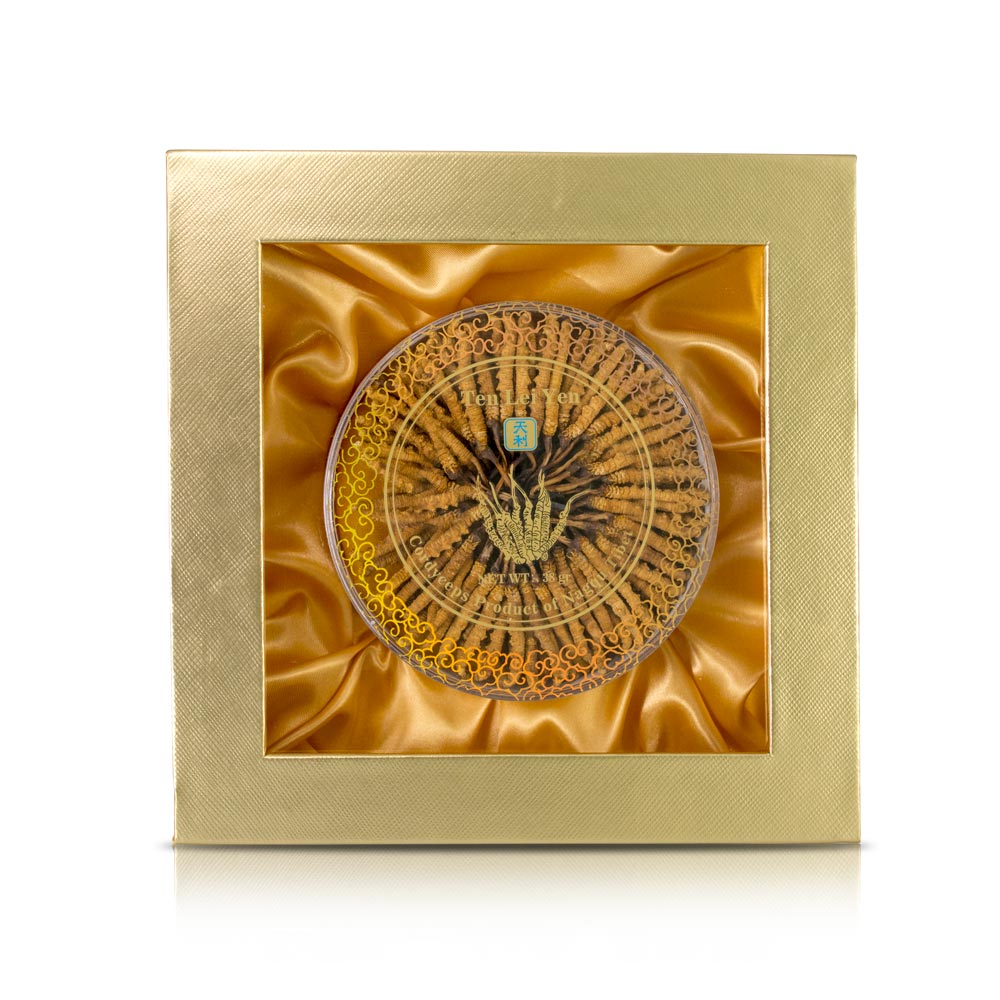
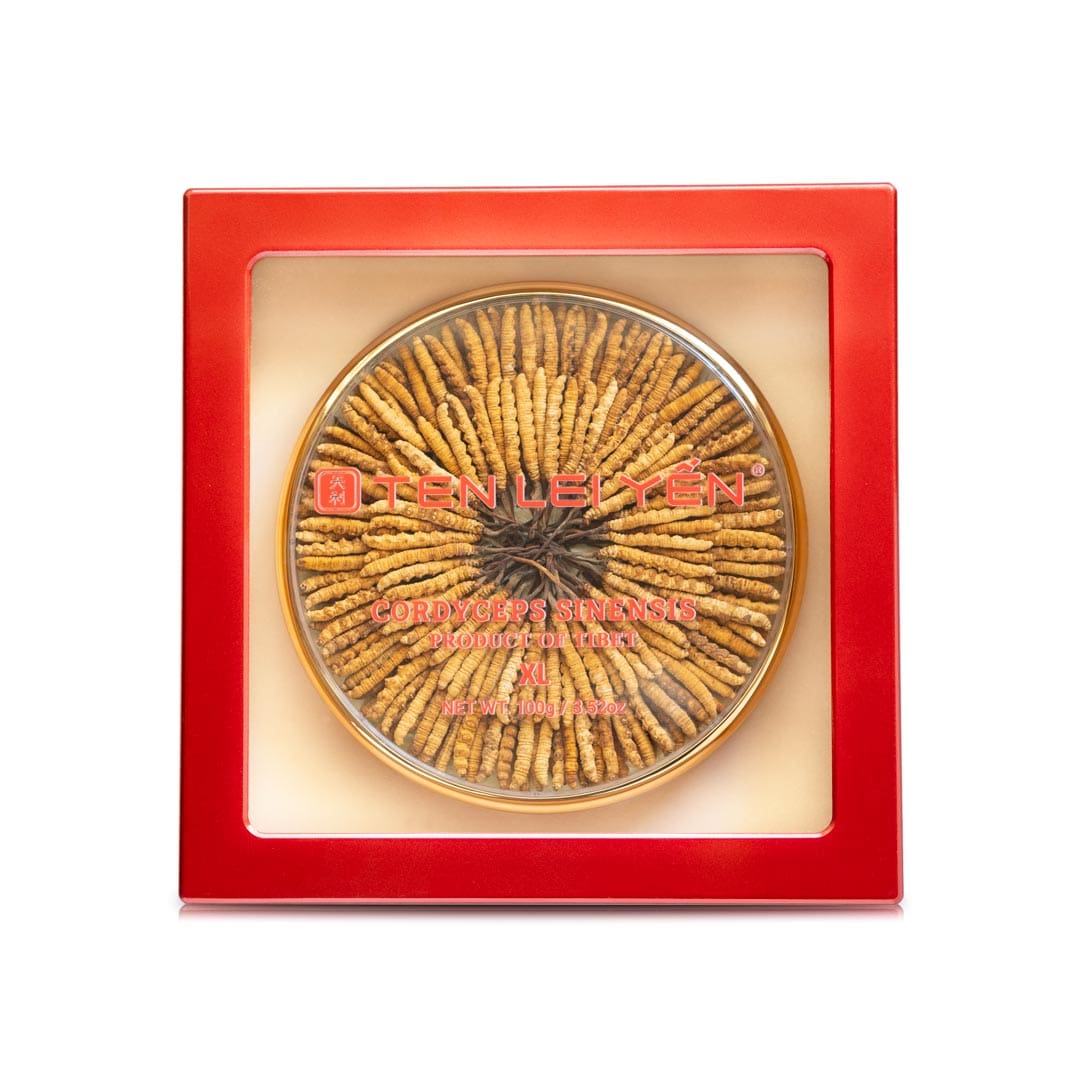
Wild Cordyceps sinensis is not a naming variant of militaris or cordyceps flower — it is a different species, full stop. Sinensis develops on ghost moth larvae at high altitude and is hand-foraged; the result is a tan-to-golden caterpillar body with a single slender dark stalk growing from the head. It does not come in clusters and it is never orange. If a listing shows all-orange finger-like stalks and calls itself "wild cordyceps," treat that as a labeling problem, not a species one — genuine wild sinensis always shows the caterpillar-and-stalk shape.
Cordyceps Militaris vs Cordyceps Flower vs Wild Cordyceps Sinensis
| Term | Appearance | Usually Labeled As | Interchangeable Name? |
|---|---|---|---|
| Cordyceps militaris | Slender orange, finger-like stalks in clusters | "Cordyceps militaris," "cultivated cordyceps" | Yes — same product as cordyceps flower |
| Cordyceps flower (虫草花) | Identical orange clusters | "Cordyceps flower," "虫草花," "chong cao hua" | Yes — market name for Cordyceps militaris |
| Wild Cordyceps sinensis | Tan caterpillar body with one dark stalk | "Wild cordyceps," "Cordyceps sinensis" | No — a separate species, not interchangeable with the other two |
How to Read a Listing Before You Buy
Because terminology varies by seller, the label alone is not always enough. A few checks make the naming clear in seconds:
- Look at the photo first. Orange clusters mean cultivated militaris/cordyceps flower; a tan caterpillar-and-stalk piece means wild sinensis.
- Check for the Chinese characters 虫草花 — this specifically points to militaris, never to wild sinensis.
- Compare price. Cultivated cordyceps flower is grown indoors year-round and priced accordingly; wild sinensis is hand-foraged and priced much higher.
- If a listing uses "cordyceps" with no species name, no photo, and a price far below typical wild-sinensis rates, assume it is cultivated militaris/cordyceps flower rather than wild sinensis.
For a full breakdown of how the two species differ in cooking and price, see our related article, The Difference Between Cordyceps Sinensis and Militaris, Explained. Browse Ten Lei Yen's wild Cordyceps sinensis and cultivated cordyceps collections to see labeling in practice.