Blogs

Double-Boiled Wild Cordyceps and Chicken Soup, the Traditional Way
A classic double-boiled soup with whole wild cordyceps, chicken, red dates, and ginger, using the same gentle method used for bird's nest.
Learn more
What Does Cordyceps Taste Like? A Sensory Guide for First-Time Buyers
Curious about cordyceps but unsure what to expect? This sensory guide breaks down the flavor, aroma, and texture of cultivated cordyceps — and explains why its subtlety is actually its strength in the kitchen.
Learn more
How to Cook Cordyceps Militaris: Techniques, Temperature & Pairings
A practical kitchen guide to preparing Cordyceps militaris — from soaking dried fruitbodies to choosing between stir-fry, infusion, and steam — with flavor pairings for summer cooking.
Learn more
What Is Cultivated Cordyceps, and How Is It Grown?
Cultivated cordyceps is farm-grown Cordyceps sinensis in the familiar caterpillar-and-stalk form — produced outdoors on mountain plots or indoors on substrate. Here is how it differs from wild, how it is grown, and how to use it in everyday cooking.
Learn more
What Is Cordyceps Militaris, and Why Does It Look Different from Wild Cordyceps?
Cordyceps militaris — the bright-orange dried stalks sold as cordyceps flower (虫草花) — is a different species from wild Cordyceps sinensis. It grows indoors on grain substrates, looks nothing like the caterpillar-and-stalk form of sinensis, and is used in soups and broths across East Asian cooking.
Learn more
Cordyceps Militaris vs Cordyceps Sinensis: What Is the Difference?
Cordyceps sinensis is the wild Tibetan caterpillar form; militaris is the orange farmed mushroom. Ten Lei Yen in Westminster, CA explains looks, cooking and price.
Learn more
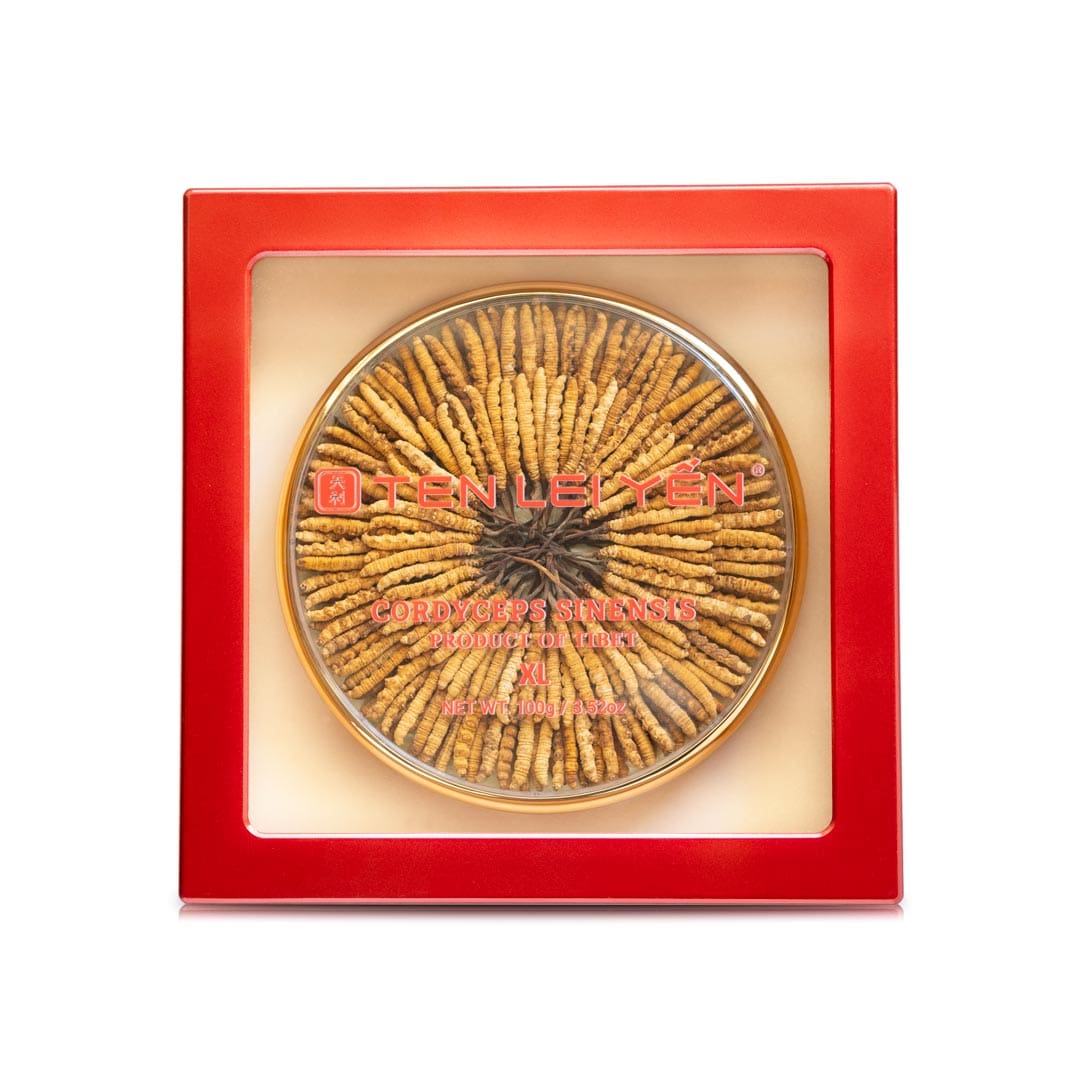
How to Use Whole Wild Cordyceps: Amounts, Timing, and Reuse
A beginner’s guide to whole wild Cordyceps sinensis in the kitchen — how many pieces to use per pot, when to add them for best flavor, how to get a second steep from each piece, and which culinary ingredients pair naturally.
Learn more