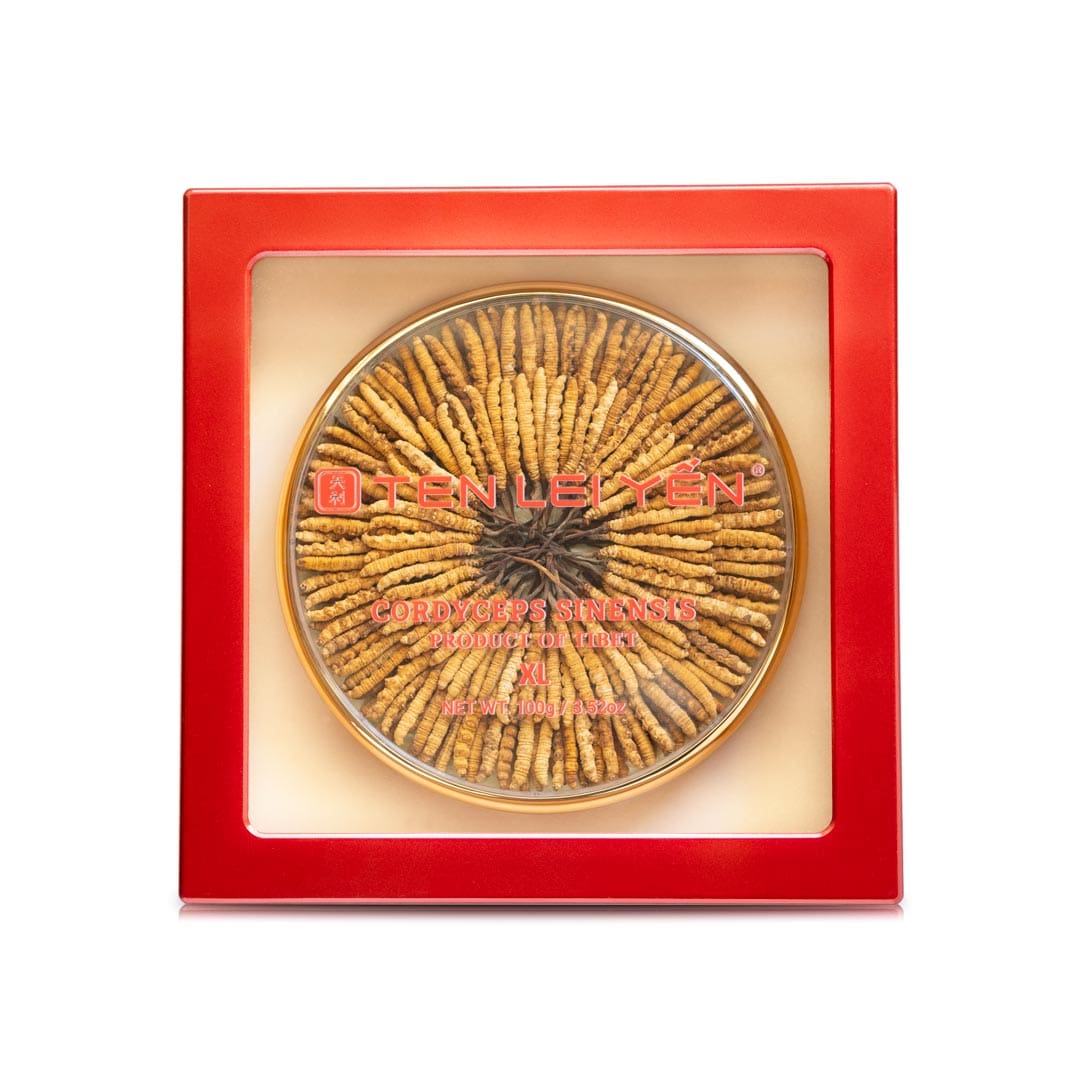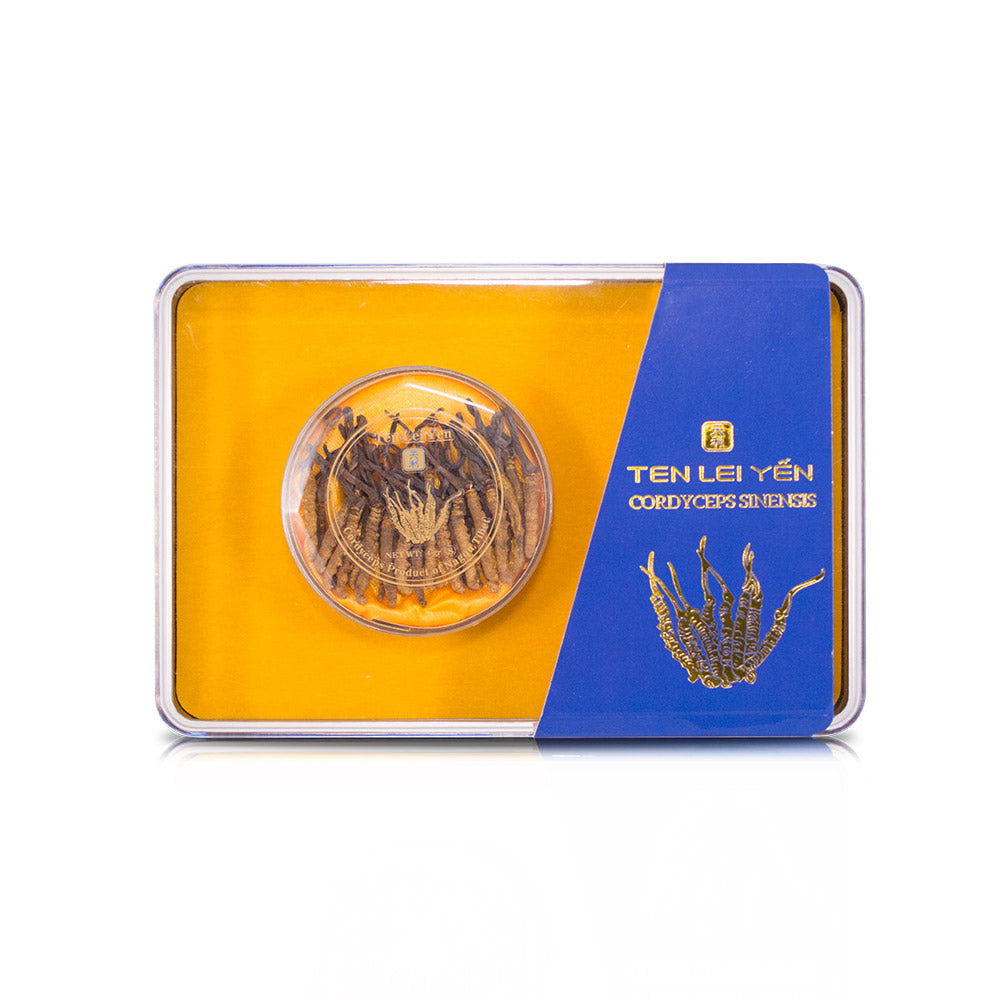
Whole wild Cordyceps sinensis is an ingredient that rewards patience — put too few in or add them at the wrong time, and you’ll miss what they bring to a slow broth. Here is everything a first-time cook needs to know about amounts, timing, and getting a second use out of each piece.
- Rinse each piece gently under cool water before use.
- Use 6–10 whole pieces per pot; scale up for larger batches.
- Add them to the pot from the start for a long slow braise or simmer.
- After cooking, the softened pieces can be steeped a second time in hot water.
Before You Start: Rinsing
Wild cordyceps are harvested by hand at high elevation and dried, so a quick rinse removes surface dust. Place the pieces in a fine mesh strainer and run cool water over them for 20–30 seconds. Pat dry or use immediately — no soaking needed before adding to a soup pot.
How Many to Use
A standard amount is 6–10 whole pieces per pot (roughly 1.5–2.5 liters of liquid). The pieces are dense, so more is not always better — a moderate amount gives the broth a clean, savory depth without overwhelming other flavors. If you are cooking for a large group or making a very rich stock, scale to 12–15 pieces.
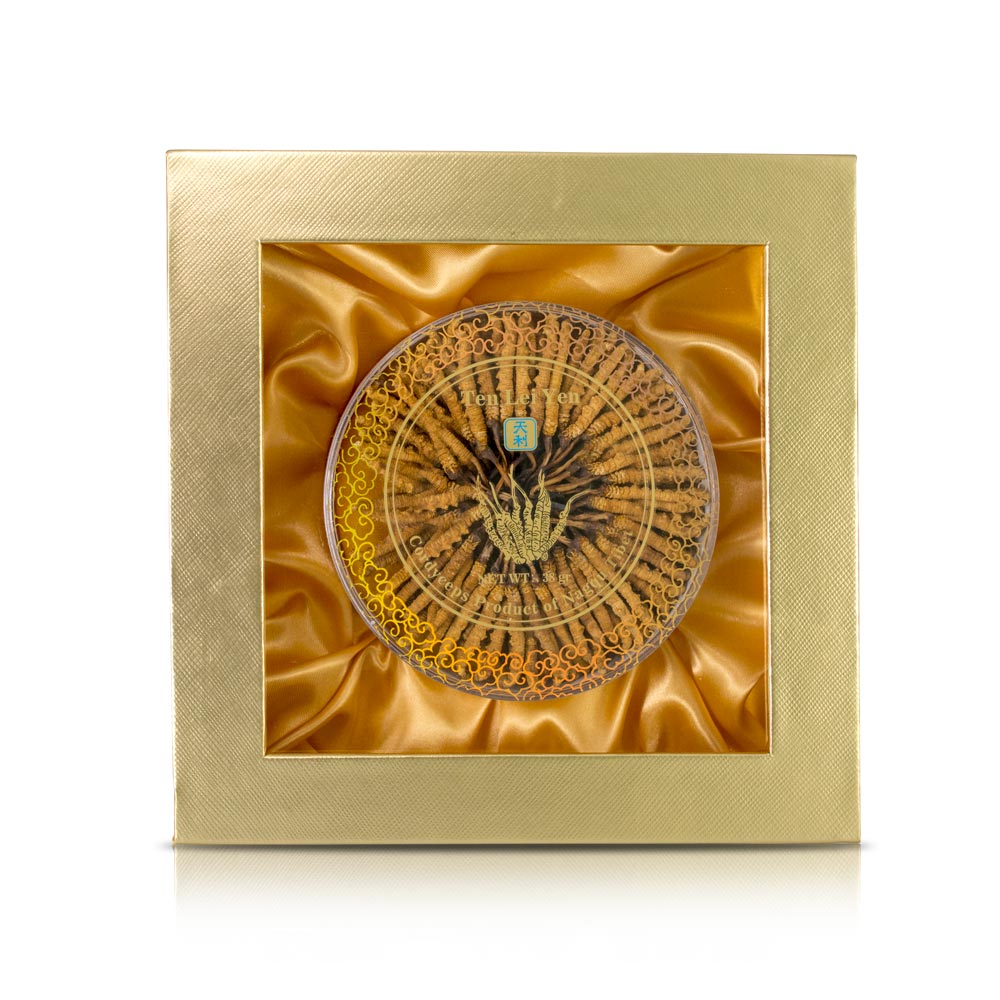
Ten Lei Yen’s wild cordyceps come in a range of grades, all harvested from Tibetan plateau grasslands. Browse the wild cordyceps collection to find the right quantity for your cooking.
When to Add Them
Add whole cordyceps at the beginning of cooking. Unlike delicate greens or starches, they need extended exposure to heat to fully release their savory character into the broth. For a slow-simmered chicken or duck soup, this means they go in at the same time as the meat and aromatics — then the pot cooks undisturbed for 2–4 hours over low heat.
If you are using a clay pot or a pressure cooker, the approach is the same: cordyceps from the start, slow and low (or a shorter pressure-cooked equivalent).

What They Look Like After Cooking
Once cooked, the caterpillar body softens and the texture changes — the exterior becomes tender while the internal structure stays recognizable. The pieces do not dissolve. You can eat them along with the broth, or set them aside to reuse.
Getting a Second Use: the Follow-Up Steep
After the first cook, the cordyceps still hold enough character for a secondary steep. Remove them from the soup, let them cool, then place in a small pot or teapot with 400–600 ml of water. Bring to a gentle simmer for 20–30 minutes. The result is a lightly flavored clear liquid — closer to a simple broth or tea than the full-bodied soup from the first use. Many cooks in East Asia do this as a matter of course; it is a practical way to extend the value of an ingredient harvested by hand at altitude.
Culinary Pairings
Whole cordyceps pair naturally with ingredients that share a slow-cooking profile:
- Poultry: chicken, duck, or squab — the most common pairing in Chinese home cooking and Cantonese restaurant cuisine.
- Pork spare ribs or lean pork: used in lighter Cantonese soups alongside jujube dates and goji berries.
- Goji berries and dried jujube: both complement the savory notes and add natural sweetness to a long-simmered broth.
- Dried shiitake mushrooms: deepen the umami character when used alongside cordyceps in a mixed broth.
For a complete cordyceps soup recipe, see the Ten Lei Yen cordyceps chicken soup recipe and the cordyceps duck soup guide. For anyone who prefers a non-soup format, the cordyceps infuser bottle offers a simpler daily use method.
Storage Before and After Use
Store unused cordyceps in an airtight container away from moisture and direct light. Once you have used pieces for the primary cook and the secondary steep, they have given what they have to give — discard them after the second use.
Frequently Asked Questions
What if I only have a short time to cook?
A pressure cooker shortens the time significantly. Add the cordyceps at the start and pressure cook for 25–35 minutes. The result will be less complex than a 3-hour simmer, but still a complete dish.
Where can I buy whole wild cordyceps in Australia?
Ten Lei Yen ships whole wild cordyceps Australia-wide. See the wild cordyceps collection for current grades and sizes.