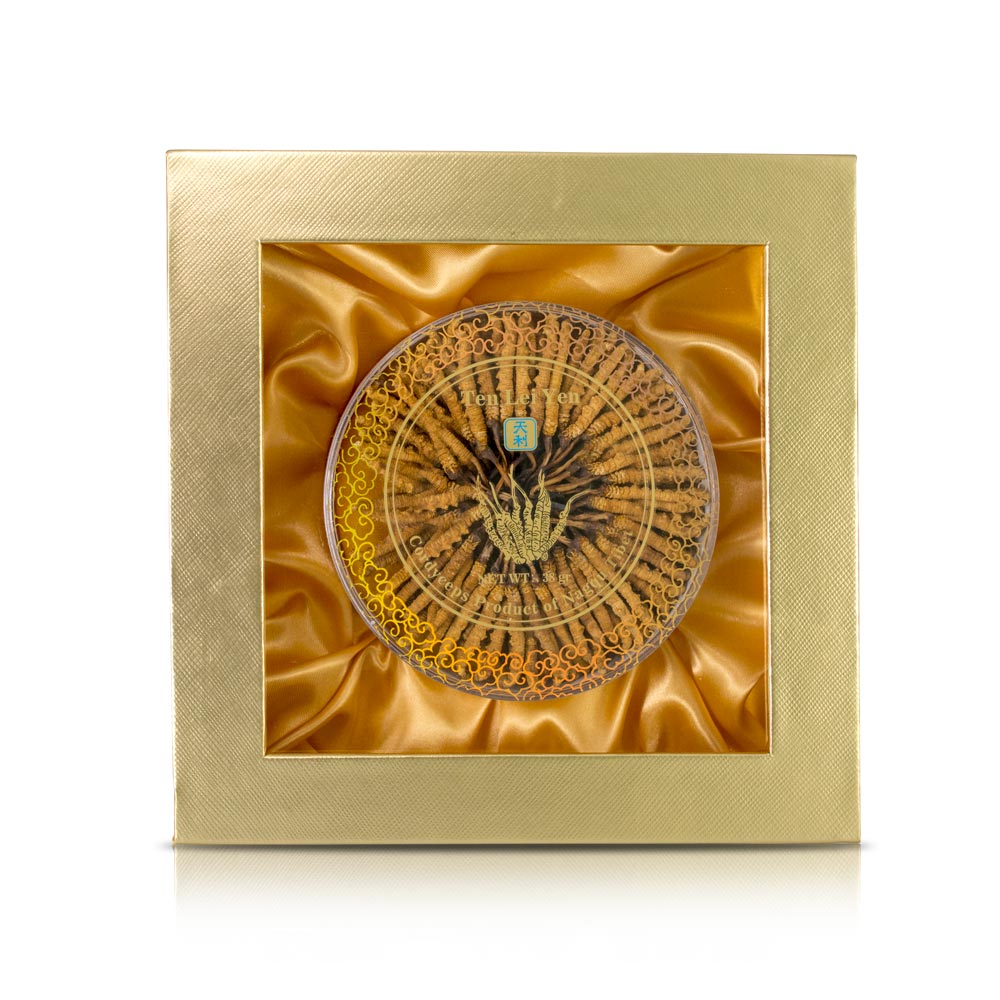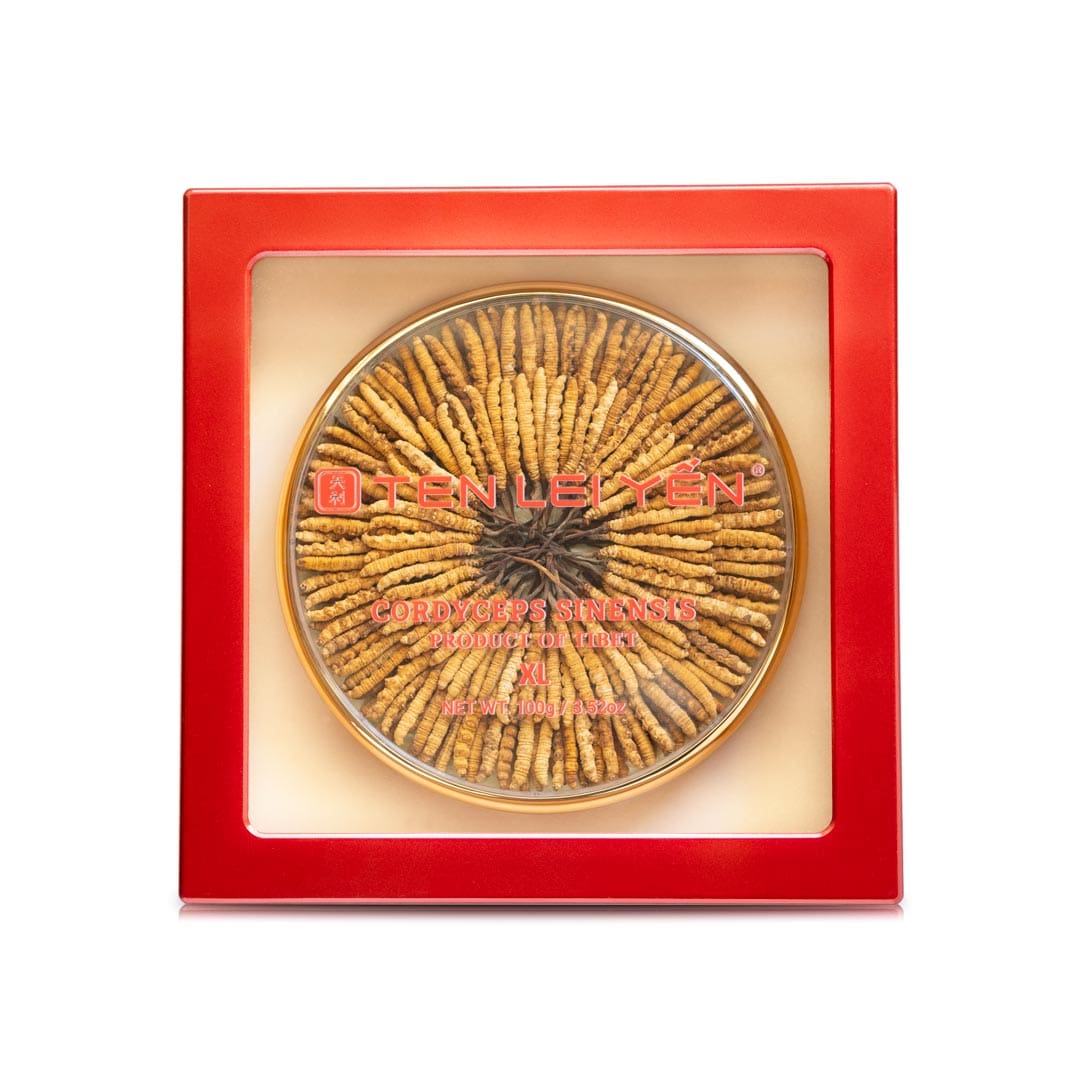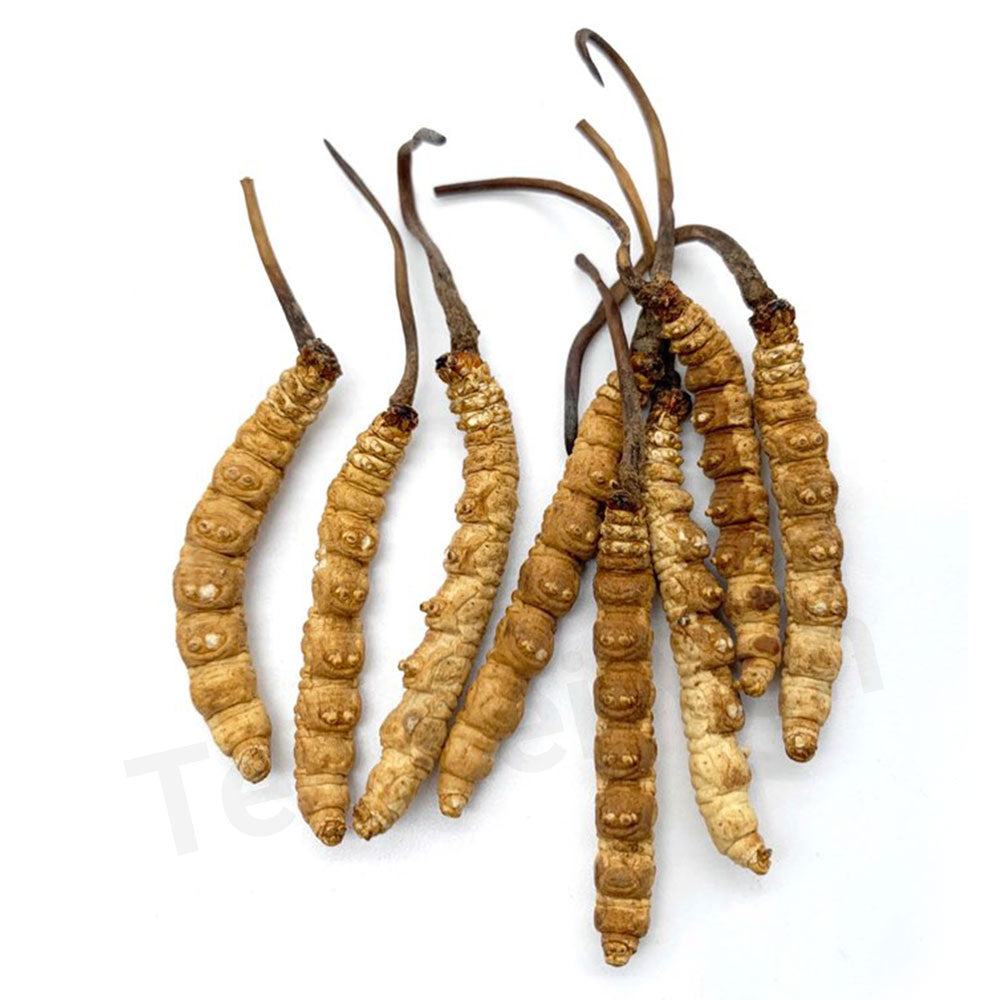
Cultivated cordyceps is Cordyceps sinensis produced under controlled conditions — outdoor mountain plots or indoor facilities — rather than hand-harvested from the wild Tibetan plateau. The dried pieces look nearly identical to their wild counterpart, with the same caterpillar-and-stalk form, but they reach the market at much larger scale and a lower price point than true wild cordyceps.
- Cultivated cordyceps is farm-grown on outdoor plots or indoor substrates, not wild-harvested
- The caterpillar-and-stalk form looks nearly the same as wild; differences are origin and price
- Semi-wild (outdoor) and indoor versions are distinct product categories
- All types share the same culinary use: soups, broths, and slow-cooked stews
Wild vs. Cultivated: What Is the Difference?
Wild Cordyceps Sinensis
Wild cordyceps is hand-collected at elevations of 3,500–5,000 metres on the Tibetan and Himalayan highlands. Harvesters search in early spring for the thin dried stalk emerging from frozen soil, then carefully extract the caterpillar body beneath. The short harvest season, extreme altitude, and entirely manual collection are what make wild cordyceps so scarce and expensive.
Semi-Wild Cordyceps
Semi-wild (outdoor-cultivated) cordyceps is produced by seeding caterpillar larvae with Cordyceps spores on mountain farmland, then letting them develop under conditions close to the wild habitat — similar climate, soil, and altitude. The finished dried piece has the same caterpillar-and-stalk appearance as wild cordyceps but is produced at larger volumes, making it far more consistent in supply and accessible for regular use.
Indoor and Substrate Cultivation
A third category is grown entirely indoors on grain or nutrient substrates, without a caterpillar host. This method typically produces Cordyceps militaris — the bright orange finger-like clusters sold as cordyceps flower (虫草花) — which is a different species from Cordyceps sinensis and looks quite different in the bowl. The two are separate ingredients, and their prices reflect that difference.

How Cultivated Cordyceps Is Grown
The Host and the Growing Process
For sinensis-type cultivation, caterpillar larvae serve as the host organism. Farmers seed the larvae with Cordyceps fungal spores in a controlled or semi-controlled environment and allow the fungus to grow through a multi-month cycle. The finished piece — caterpillar body at the base, a slender dark stalk emerging from the head — is structurally the same as a piece harvested in the wild.
For militaris-type indoor cultivation, no caterpillar host is required. The fungus grows directly on trays filled with grain or nutrient broth, producing the dense orange-stalk clusters used in soups throughout East Asian cooking. Because militaris cultivation is done indoors year-round at lower altitudes, it is far more abundant and affordable than either wild or semi-wild sinensis.
Why Growing Conditions Matter
Cordyceps sinensis is genuinely difficult to grow outside its native climate. The fungus needs cold temperatures, high humidity, and specific seasonal cues to develop properly. Semi-wild farms operate in high-mountain areas to replicate those conditions, and the grow cycle spans several months per batch — limiting annual output even on managed farmland. This supply constraint is why semi-wild sinensis, though less expensive than wild, still commands a premium over fully indoor-cultivated products.
Culinary Use and When to Choose Cultivated
Semi-wild and cultivated sinensis cordyceps are used the same way in the kitchen as wild: rinsed briefly under cool water, then added to soups, broths, and slow-cooked stews. A common guideline is 6–10 pieces per pot for 2–4 servings. The dried pieces hold their structure well through long cooking, making them suited to both clear broth soups and heartier congee.
For everyday cooking, semi-wild or cultivated cordyceps is a practical, consistent choice. Wild cordyceps tends to be reserved for occasions where the highest visual grade and verified wild provenance matter — formal gifting, occasions where grade is part of the presentation, or when you want the full depth of flavour that comes from true high-altitude wild harvest.
Explore Ten Lei Yen's cultivated cordyceps collection and wild Cordyceps sinensis. For a daily light-infusion format, the cordyceps infuser bottle works well with either grade.