By Alina @ TLY
A piece of dried fish maw can cost anywhere from around $20 to well over $200 for the same weight, and the gap almost never comes down to marketing. It comes down to five concrete factors: species, size and thickness, whole-vs-cut form, drying quality, and age. Together these can explain a 5-10x price difference between two pieces that look similar at a glance.

Key Takeaways
- Species is the single biggest price driver — large, slow-growing fish yield maw worth far more than maw from small, common species.
- Bigger, thicker pieces cost more per gram: they take longer to grow, dry, and expand more fully when soaked.
- A whole, intact piece is worth more than the same weight in cut or broken fragments.
- Even, well-dried maw with no dark spots or off smell holds a premium over poorly dried stock, regardless of species.
- Careful, well-tracked sourcing and storage add a smaller but real premium on top of species and size.
What Actually Drives Fish Maw Price?
Fish maw is the dried swim bladder of large fish. Pricing follows the same logic as most dried seafood: rarity of the source fish, physical size of the usable piece, and how much skill went into cleaning and drying it correctly.
Species: Why the Fish Matters Most
Maw from large, slow-growing species such as croaker forms bigger, thicker, denser sheets, and those species are scarcer relative to demand. Maw from smaller, faster-growing, more common fish is thinner and more plentiful, so it sits lower on the price scale even when a piece looks visually similar to an untrained eye.
Size and Thickness: Why Bigger Costs More Per Gram
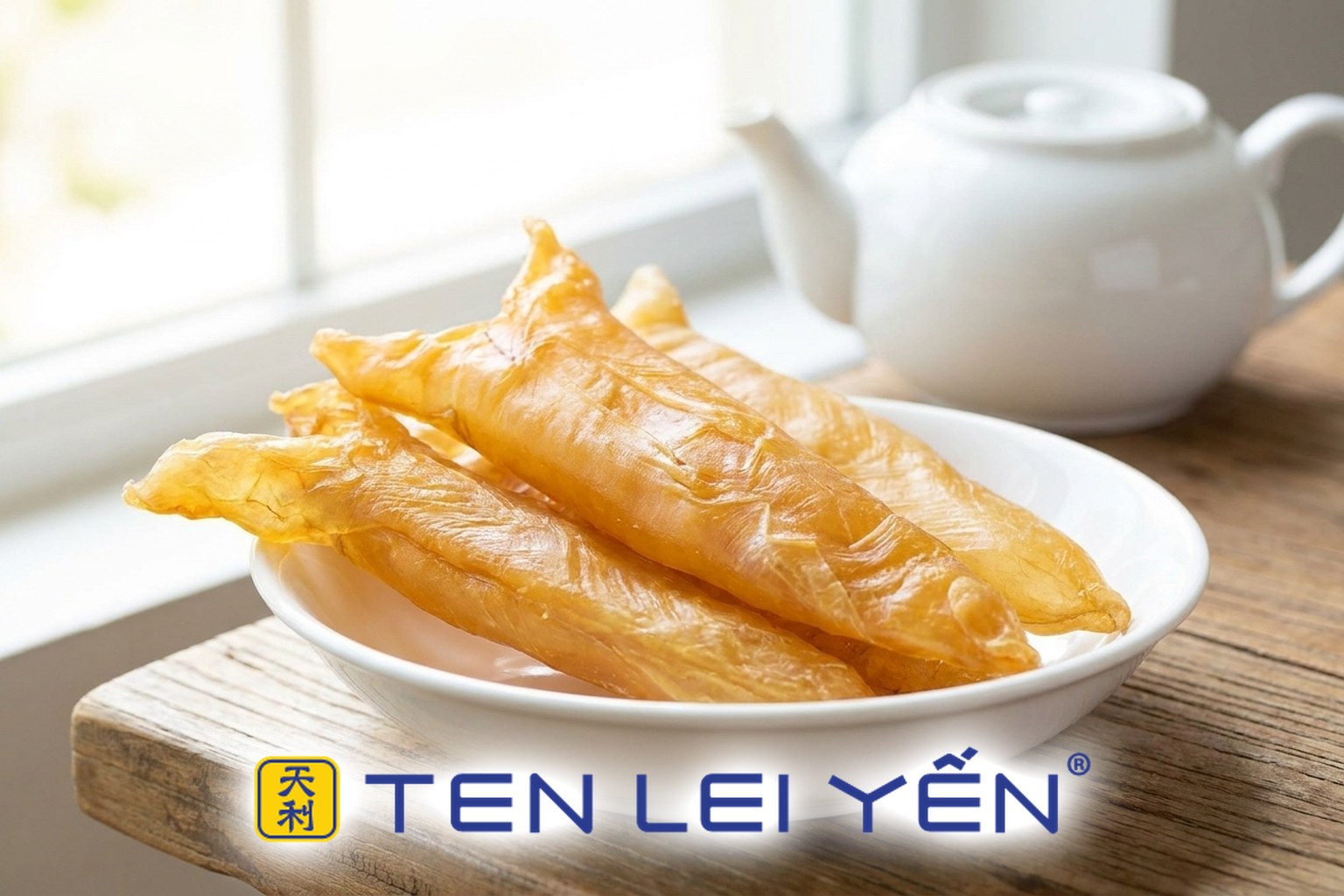
Larger, thicker pieces are rarer than small, thin ones, so they carry a premium beyond simple weight. A thick piece also expands more dramatically when soaked and holds its shape better in slow cooking. Thickness is the fastest visual cue: held to the light, a dense sheet reads darker and more solid than a thin one.
Whole Piece vs. Cut or Broken: What Intactness Is Worth
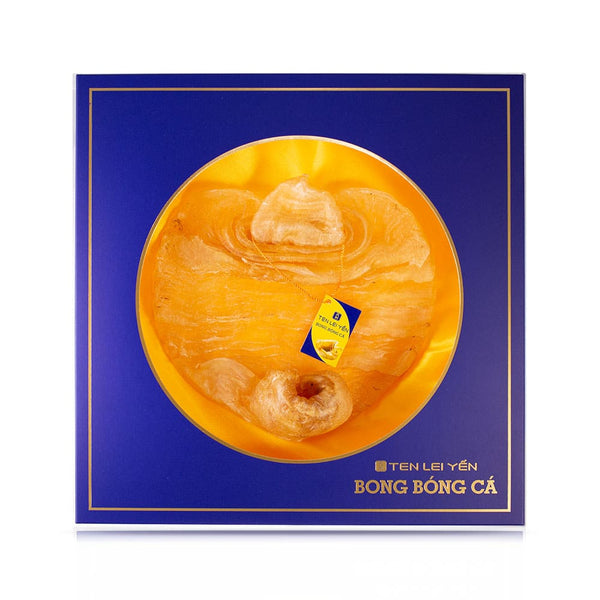
A whole, uncut piece is worth more than the same weight broken into fragments, because whole pieces are harder to source and easier to portion for presentation. Cut pieces are not lower quality by definition, but they are priced lower, and mixed broken bags are a common way sellers offer a lower price point without changing species or size grade.
Drying Quality: The Factor Buyers Often Miss
Well-dried maw has an even, light-to-golden color, no dark patches, and no sour smell. Poorly dried maw can look similar in a photo but often smells off, rehydrates unevenly, or falls apart during cooking. Because drying quality is harder to fake than size, careful drying earns a real, if smaller, premium on top of species and size.
Price-Driving Factors at a Glance
| Factor | Moves Price Up | Moves Price Down |
|---|---|---|
| Species | Large, slow-growing species (e.g. croaker) | Small, common, fast-growing species |
| Size / thickness | Large, thick, dense sheets | Small, thin, papery pieces |
| Whole vs. cut | Whole, intact piece | Cut, broken, or mixed fragments |
| Drying quality | Even color, no dark spots, clean smell | Uneven color, dark patches, sour smell |
| Age / storage | Properly aged and stored by a careful source | Unclear origin or careless storage |

What About Color, Thickness, and Smell When Buying?
Once you understand why prices vary, the next question is how to judge a specific piece in front of you. We cover the hands-on selection cues — color, thickness, and smell — in our guide How to Choose Good Fish Maw: Color, Thickness, and Smell. Deciding between a tube-shaped and a flat piece for a specific dish? See Tube vs Flat Fish Maw.

Frequently Asked Questions
Does thicker fish maw always mean better quality?
No. A thick piece from a common species can still sell for less than a thinner piece from a rarer, larger species, so thickness should be weighed alongside species, drying quality, and whole-vs-cut form.
Can I tell drying quality just from a photo?
Only partly. Drying quality is easier to judge in person: an even, firm texture and a clean smell rather than anything sour or rancid.
Ready to compare pieces yourself? Browse our seafood collection, or look closely at the Fish Maw Tube, 213g and Fish Maw Flat, 213g to see thickness and form side by side.