By Alina @ TLY
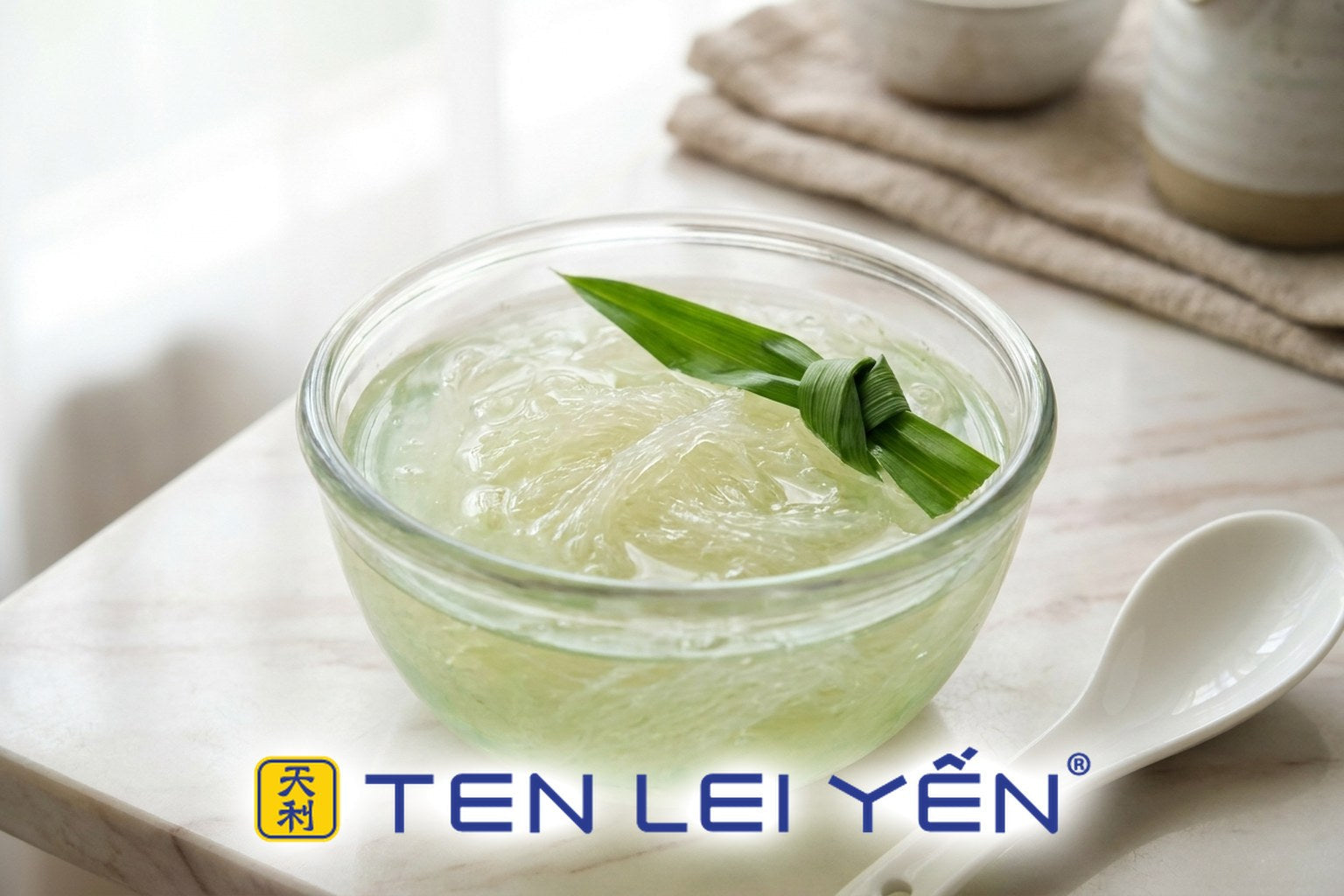
Pandan turns a bowl of bird's nest a soft jade green and gives it a grassy, vanilla-like fragrance — no health claim needed, it's simply what the leaf does. Steep pandan leaves in the water before double-boiling, and both the color and aroma carry straight through to the finished bowl.
Key Takeaways
- Pandan leaves are used here purely for aroma, color, and taste — steeped or double-boiled with the nest, never a health ingredient.
- Soak dry nest 4-6 hours or overnight before cooking; each dry piece typically runs 8-14 grams.
- Double-boil for about 40 minutes; soaked nest expands to roughly 3-4 times its dry size.
- Sweeten with rock sugar for a classic finish, or swap in monk fruit for a no-added-sugar version.
- Cooked nest keeps 3-5 days refrigerated; unopened dry nest keeps 2-3 years in a cool, dry place.

What You'll Need
- 1 whole dry edible bird's nest (about 8-14 grams)
- 4-5 fresh or freeze-dried pandan leaves, rinsed and tied in a loose knot
- 3 cups water
- Rock sugar to taste, or a monk fruit sweetener for a no-added-sugar version
How to Soak the Nest
Place the dry nest in a bowl of room-temperature water and soak for 4-6 hours, or leave it overnight in the refrigerator. Once softened, gently separate the strands by hand and pick out any fine feathers or debris. A whole dry piece expands to roughly 3-4 times its original size once fully soaked.
Steeping the Pandan
Bring the water to a light simmer with the knotted pandan leaves in it for about 10 minutes, letting the color and fragrance release into the liquid, then remove the leaves before adding the nest. Steeping the leaves first — rather than dropping them in raw at the end — is what gives the broth its even jade tint and rounds out the aroma.
Double-Boiling the Nest
Set the soaked nest into a heatproof bowl, pour the pandan-infused water over it, and cover. Place the bowl inside a larger pot of simmering water — this is the double-boil method, which cooks the nest gently with indirect heat instead of a hard direct boil. Double-boil for about 40 minutes, until the strands are tender and translucent. Stir in rock sugar to taste in the final few minutes, or a monk fruit sweetener if you're keeping this sugar-free; monk fruit is used here strictly as a sugar substitute for taste, not for any added benefit.

Serving and Storing
Ladle into small bowls and serve warm, with a fresh pandan leaf knot on top for aroma as it's spooned. Leftovers keep 3-5 days in the refrigerator in a sealed container; reheat gently rather than boiling hard, to protect the texture. Unopened dry nest keeps 2-3 years stored in a cool, dry place away from direct light.
A Note on the Monk Fruit Option
If you prefer a no-added-sugar version, swap the rock sugar for a monk fruit sweetener at the same stage. This is a straightforward taste and sugar-content swap — monk fruit doesn't change the texture of the nest or the pandan flavor, it simply replaces added sugar.
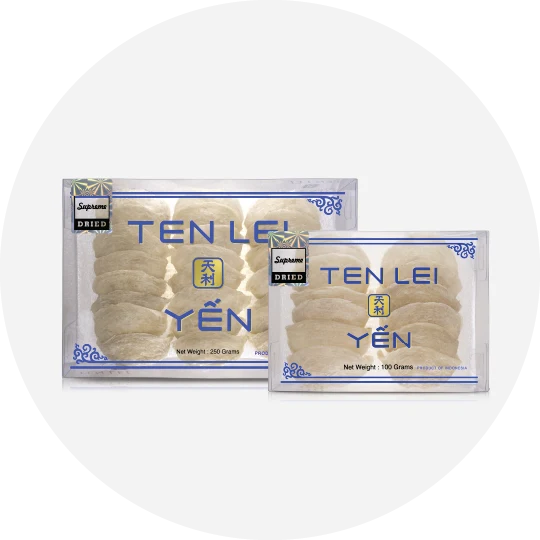
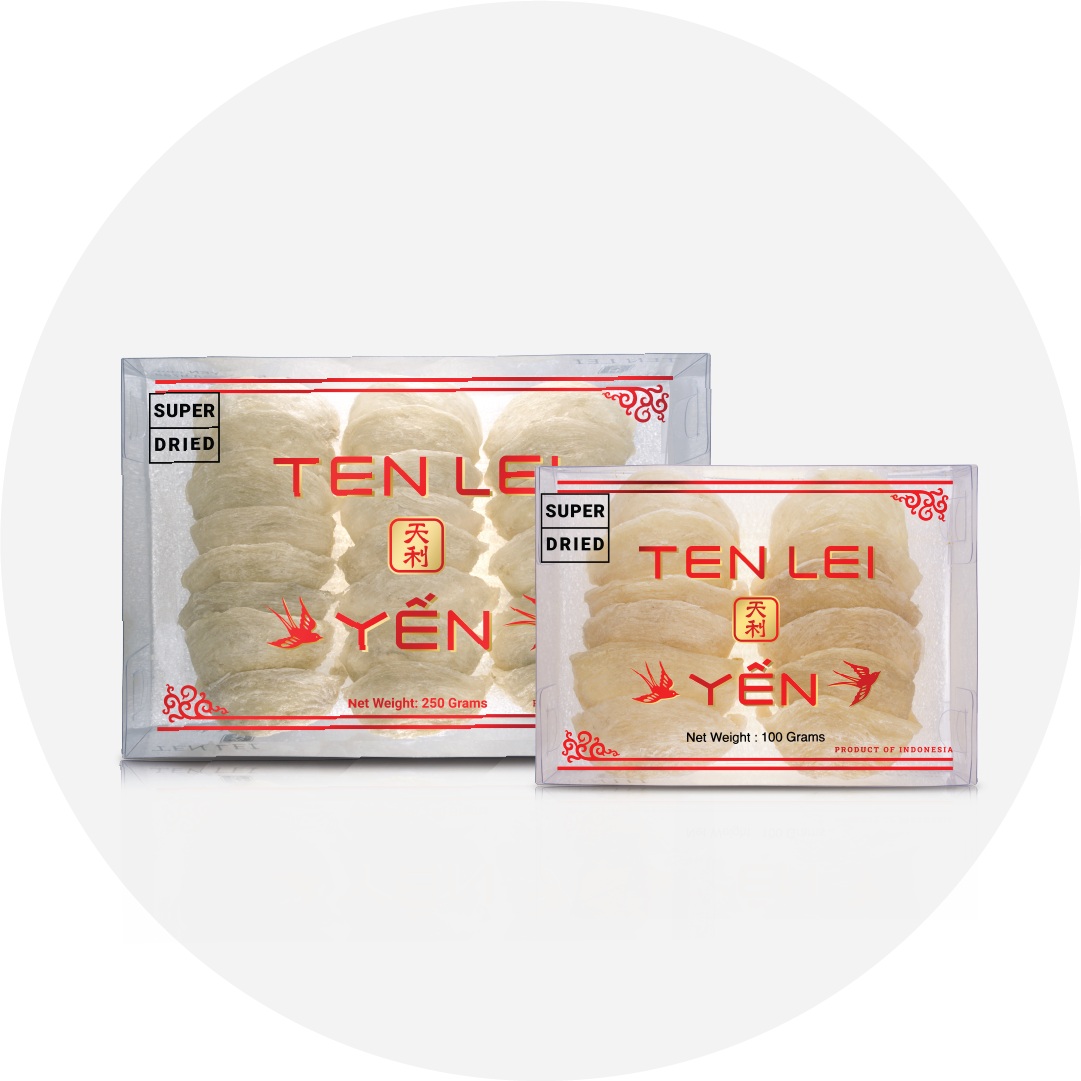
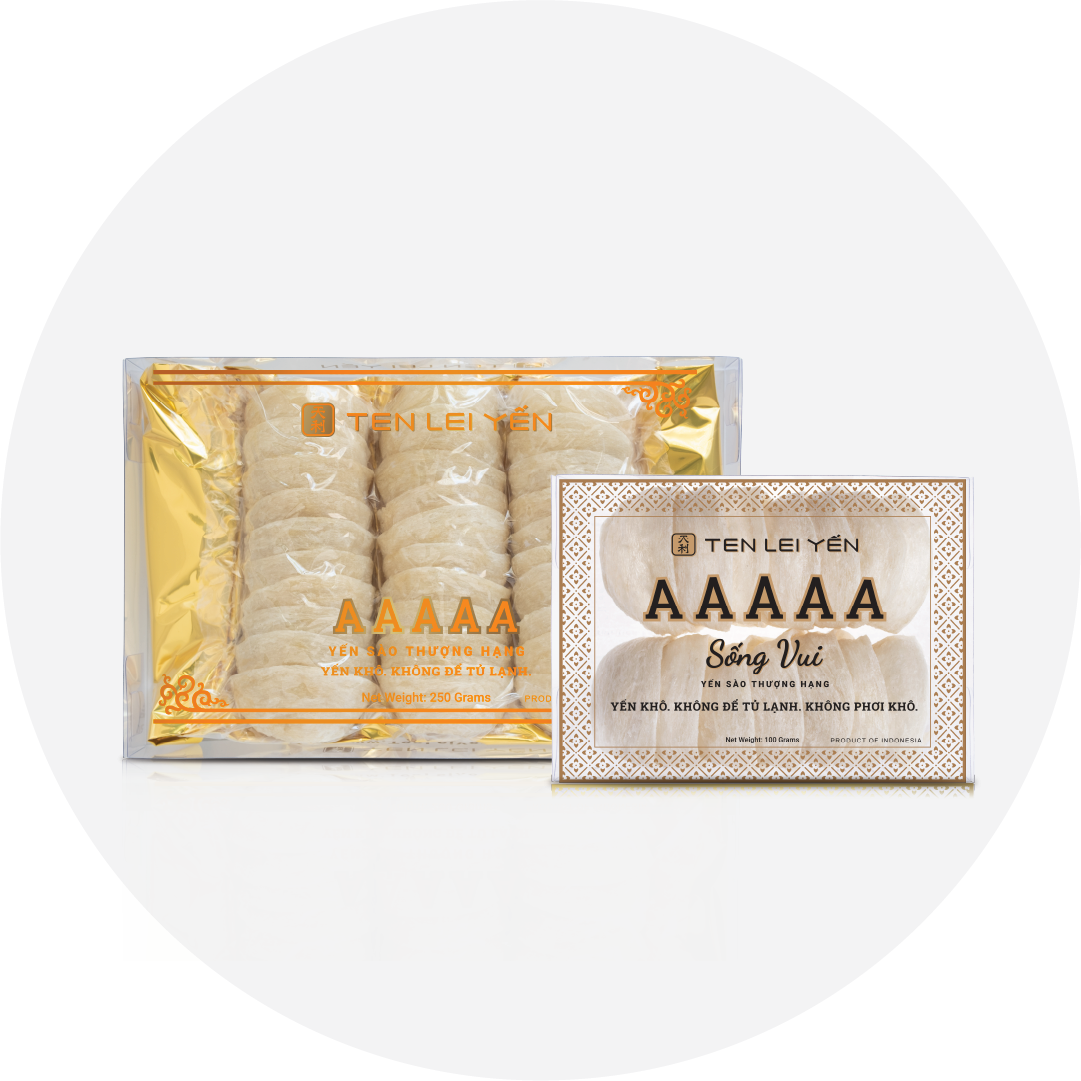
See also our related reading on bird's nest grades and browse our current selections: Blue Label, Red Label, TLY 5A, and Specialty Nest.
Frequently Asked Questions
Can I use fresh pandan leaves instead of freeze-dried?
Yes. Fresh or freeze-dried pandan leaves both work; freeze-dried leaves are convenient to keep on hand and rehydrate as they steep in the hot water.