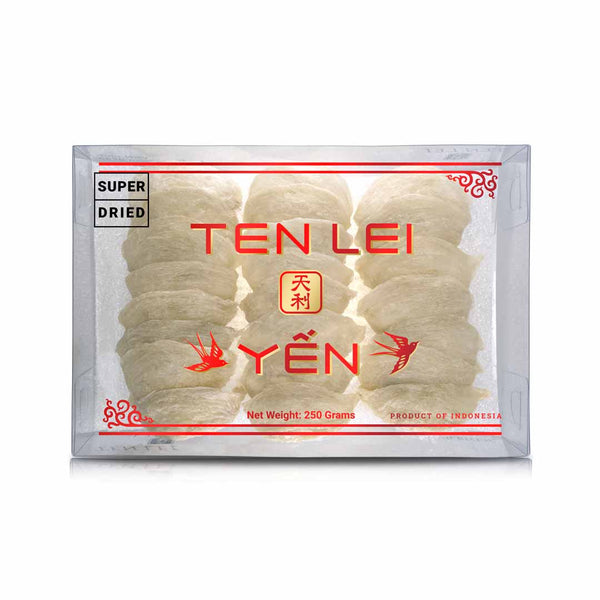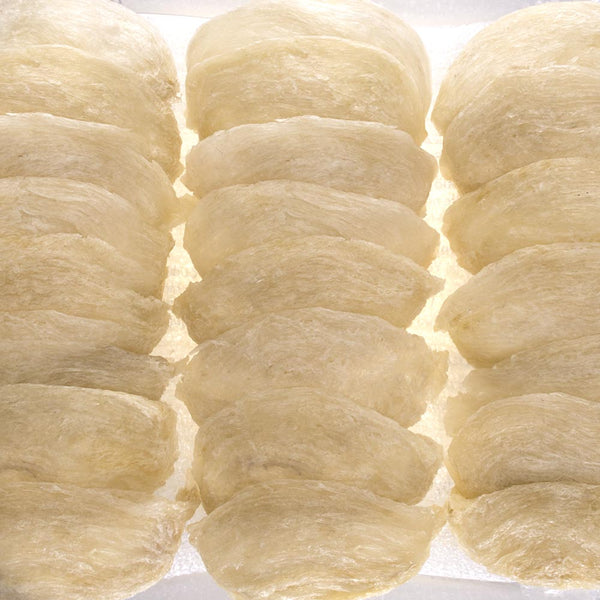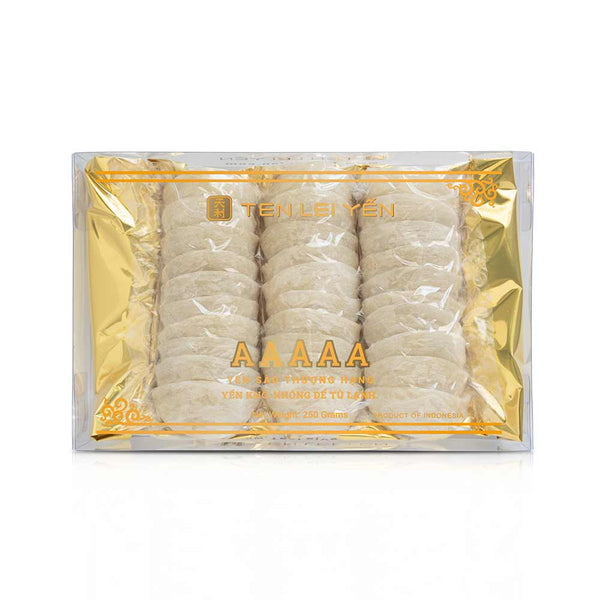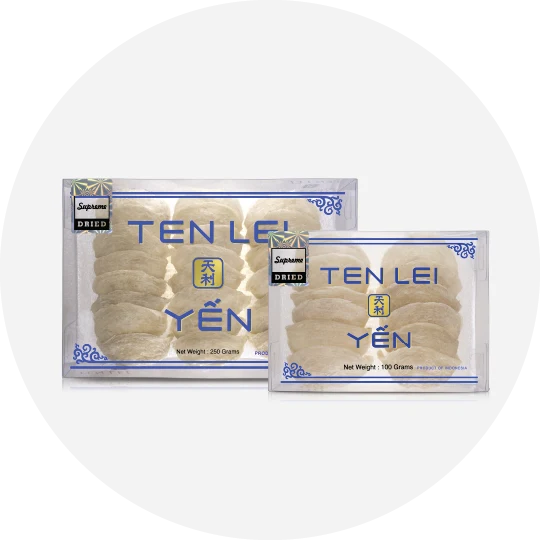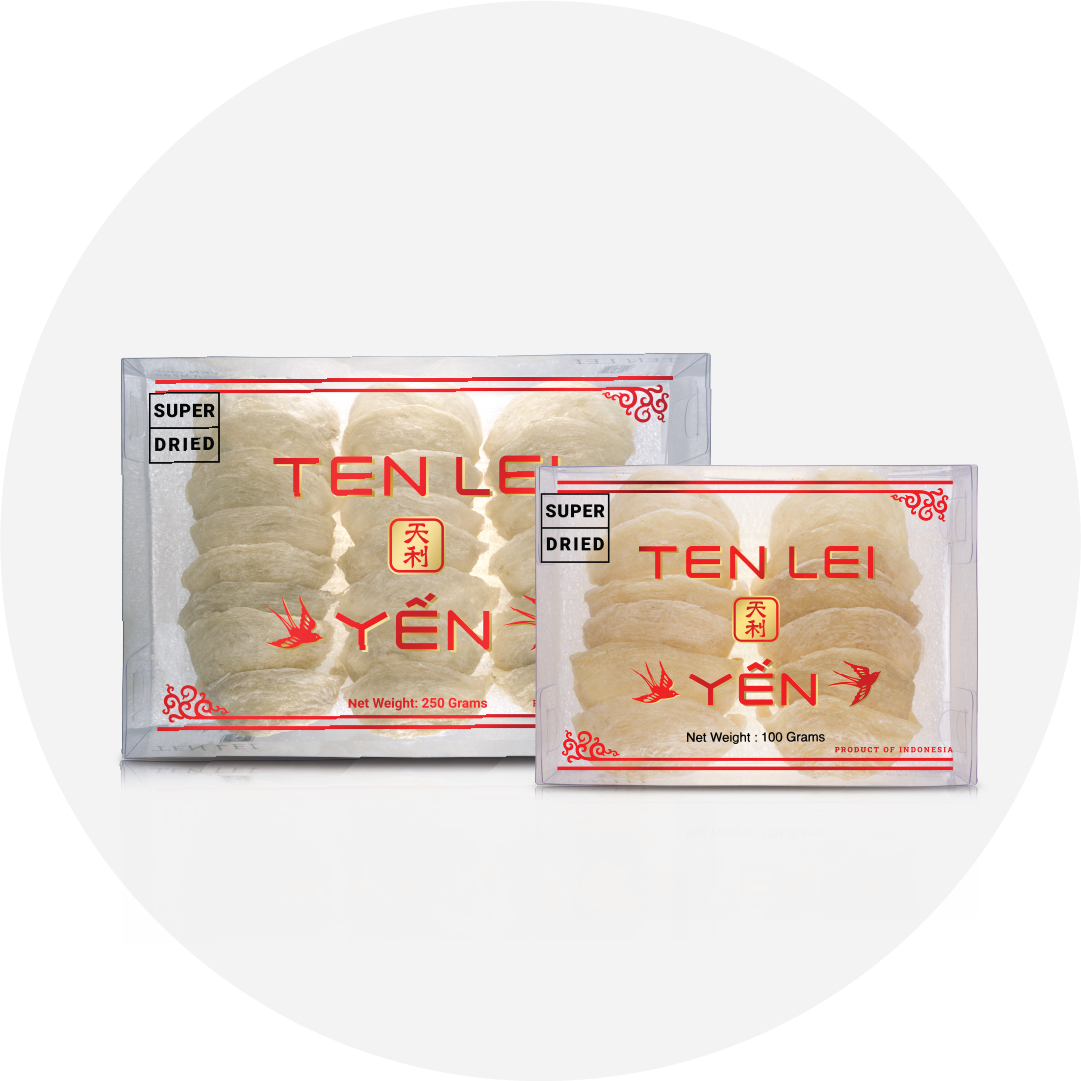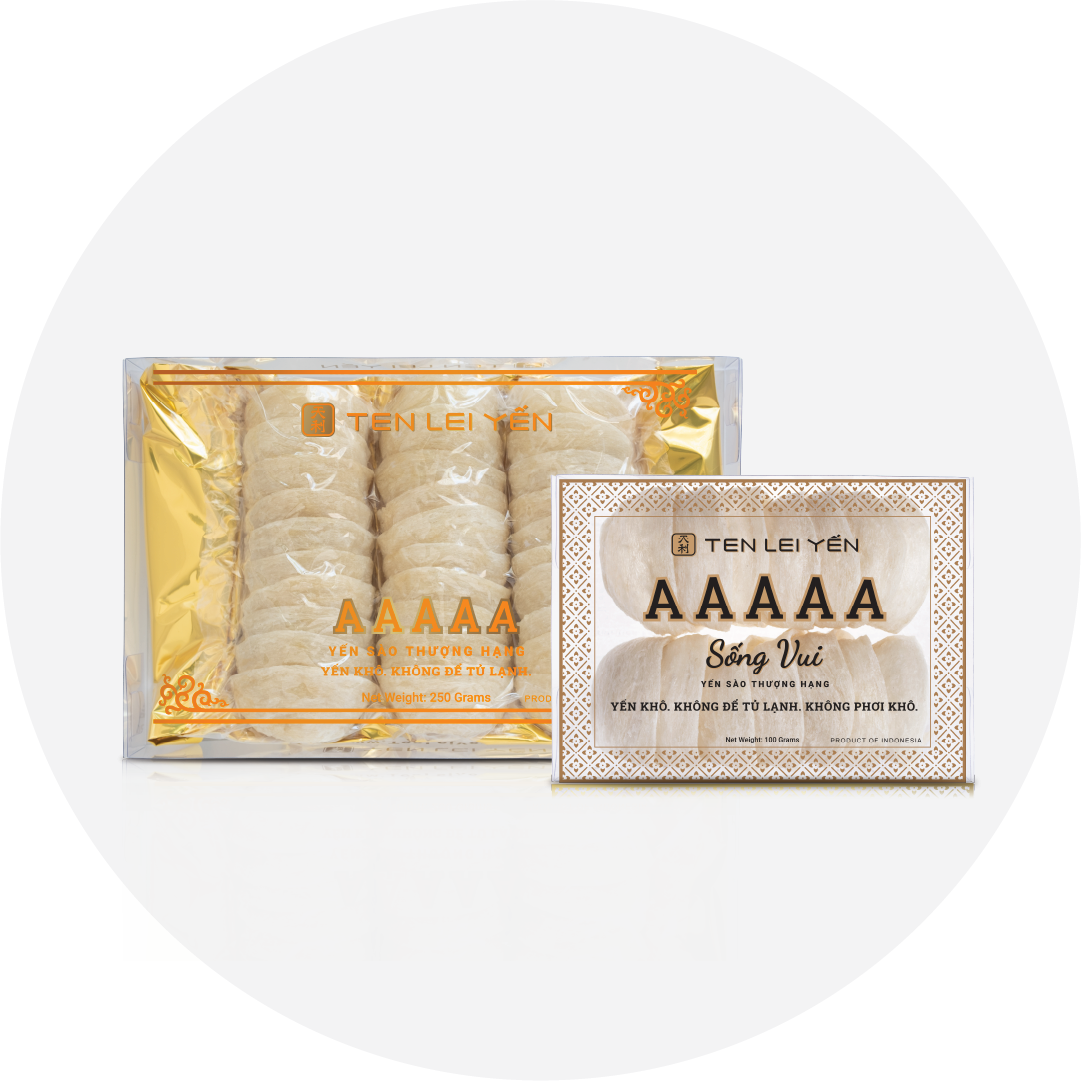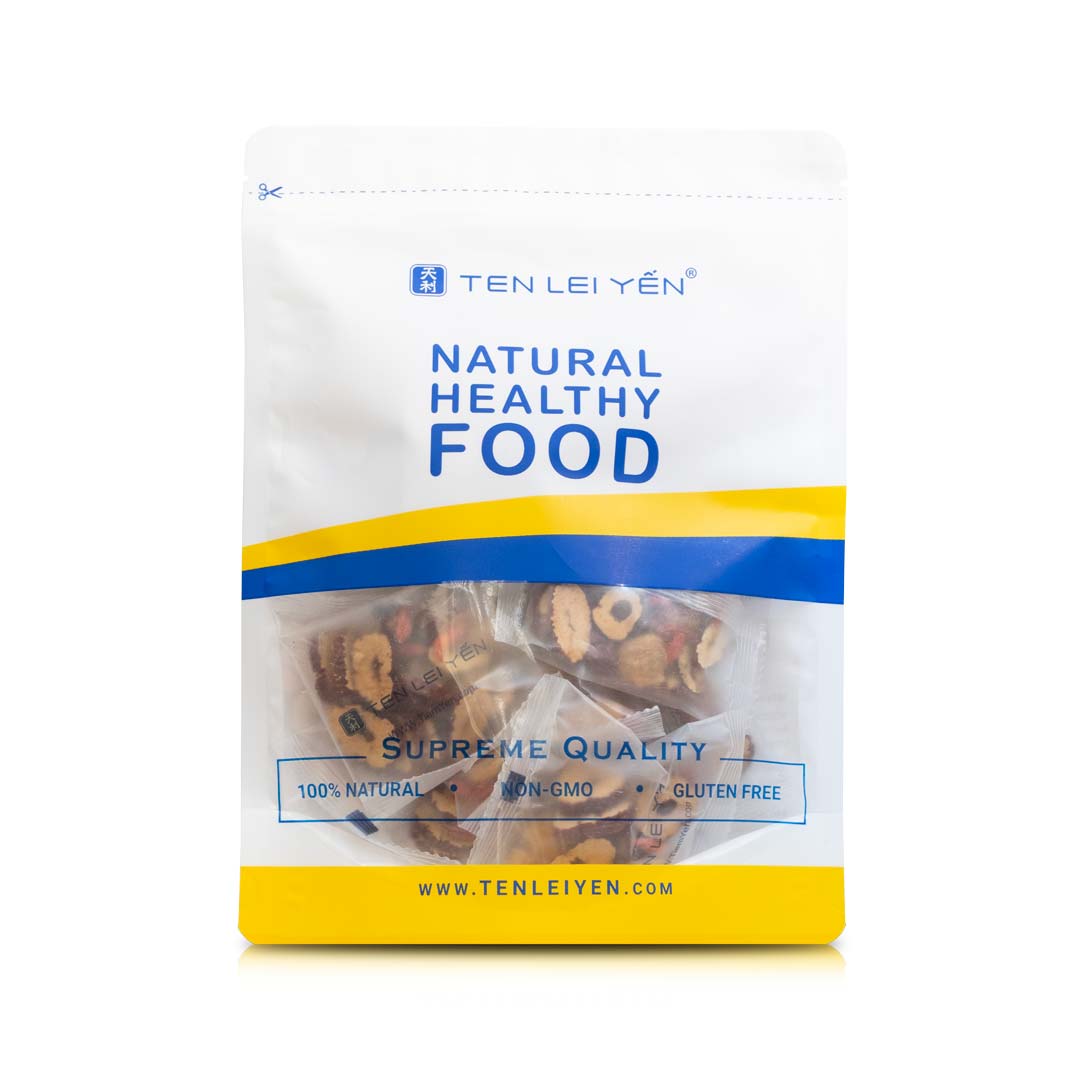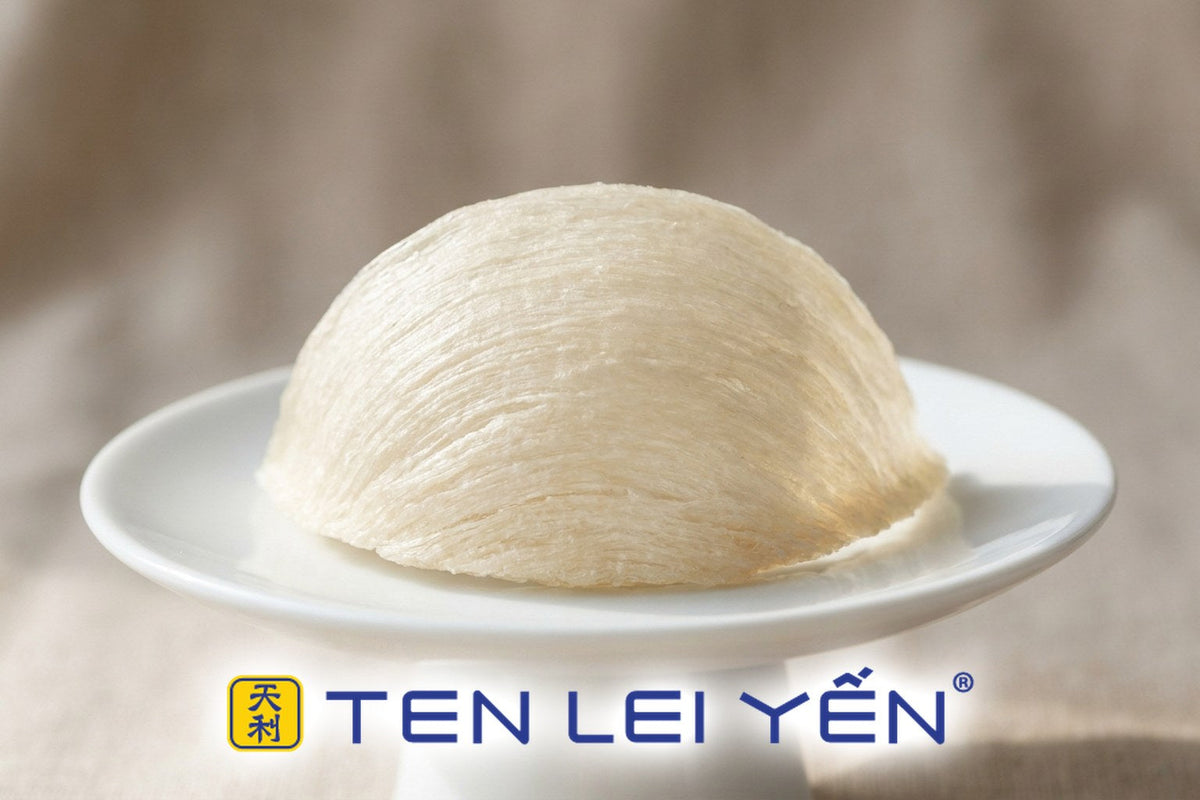
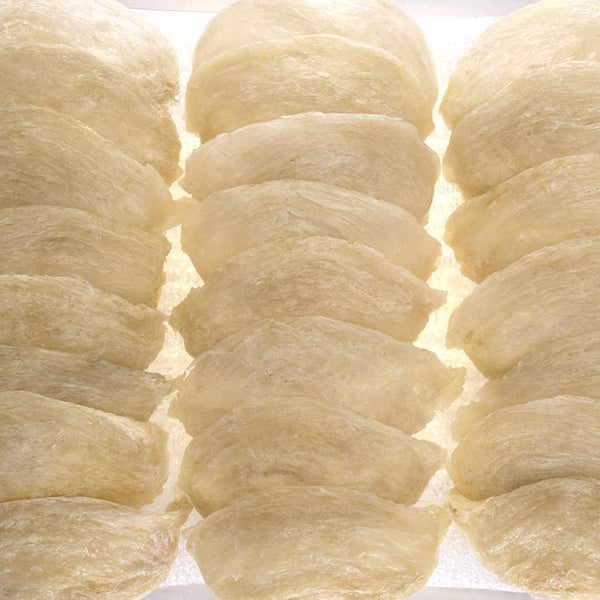
Kali and Timur are Indonesian regional names — short for Kalimantan and the eastern (timur) part of the archipelago — and on a Ten Lei Yen box they tell you where that batch of nest was sourced within Indonesia. A region name signals origin and lets you compare batches from the same house area over time; it does not by itself guarantee a different flavour or texture from the plain Blue Label Supreme, and it is honest to say so plainly rather than overstate the distinction.
- Kali is short for Kalimantan; Timur means "east" in Indonesian, referring to the eastern part of the source region.
- Both are Indonesian regional designations — Ten Lei Yen sources exclusively from Indonesia.
- A region name on the box tells you where a batch was sourced and supports traceability and consistency, not a guaranteed flavour difference.
- Blue Label Supreme, without a region name, is the same house-nest category without a stated sub-region.
- Region naming is a sourcing detail worth knowing, not a claim about quality tiers — grade (Blue, Red, 5A) still governs that.
Alina @ TLY


Regular price
$800
Sale price
$725
What "Kali" and "Timur" Mean
"Kali" is shorthand for Kalimantan, the Indonesian portion of the island of Borneo. "Timur" is the Indonesian word for "east," used here to indicate the eastern part of a sourcing region rather than naming a single town or facility. Both are geographic, not brand, labels — they describe where within Indonesia that batch of nest was collected and processed, the same way a coffee bag might name a growing region rather than a specific farm.
Why a Region Name Appears on the Box
Bird's nest houses — the structures where swiftlets build and where nests are collected — vary by location: local climate, humidity, and building conditions all differ from one part of Indonesia to another. Naming the region on the box is a traceability and consistency signal: it tells a buyer which sourcing area a batch came from, which matters if you are comparing boxes over multiple purchases or simply want to know more about where your nest originates. It is the same instinct behind naming a coffee's growing region or a tea's estate — useful context, sourced honestly.
What a Region Name Does and Does Not Guarantee
Here is the honest limit of what a region name tells you: it identifies a sourcing area, and it supports Ten Lei Yen tracking that area's output consistently over time. What it does not do is guarantee that every Kali batch tastes or looks meaningfully different from every Timur batch, or from the plain Blue Label Supreme. House conditions influence individual nests more than a broad regional label can capture on its own, and the visible, verifiable differences between boxes come primarily from grade — Blue Label, Red Label, or 5A — not from the region name. If a precise, guaranteed distinction between Kali and Timur nest cannot be stated with confidence, the honest approach is not to invent one.
How Kali and Timur Sit Beside Blue Label Supreme
Blue Label Supreme, sold without a region name, is the same broad house-nest category as Blue Label Kali and Blue Label Timur, just without a stated sub-region on the label. All three are Indonesian, all three sit in the Blue Label grade tier, and all three are priced and graded on the same standards. Choosing between them comes down to whether you want the added sourcing detail a region name provides, not a difference in what tier of nest you are buying.
Reading the Box With This in Mind
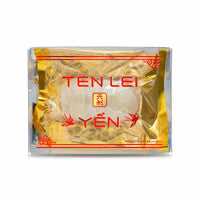
When you see "Kali" or "Timur" printed on a Blue Label box, read it as a sourcing note, not a quality claim layered on top of the grade. It tells you Indonesia, and it tells you roughly which part of Indonesia. Treat the grade label — Blue Label, Red Label, or 5A — as the figure that actually governs what you are paying for and what to expect in the bowl.
Related reading: Cave-Harvested vs House-Farmed Bird's Nest, How to Read an Edible Bird's Nest Label, and Bird's Nest Grades Explained. Browse the Blue Label collection.

 or
 or