By Alina @ TLY
Yes, cordyceps is legal in the United States: you can buy it, own it and cook with it, and at Ten Lei Yen in Westminster (Little Saigon) we sell it as a food ingredient. The headlines about cordyceps being "banned" in places like the UK and India are about two different things, how a product may be sold in one country and who may dig it up in another, and neither one reaches a US shop counter.
Are cordyceps legal in the United States?
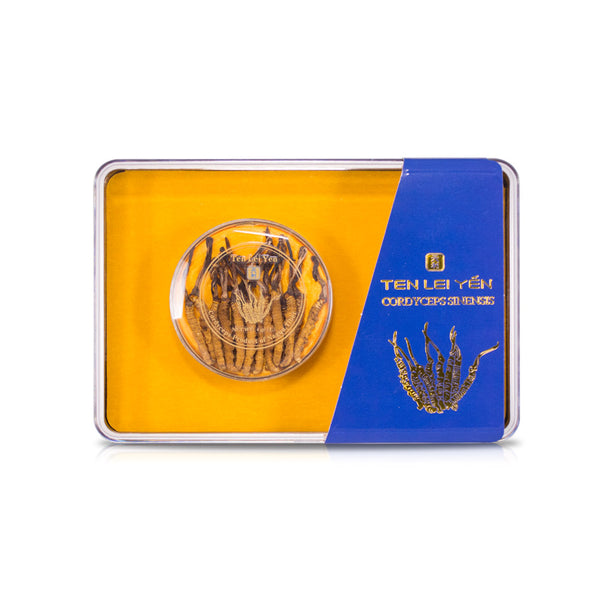
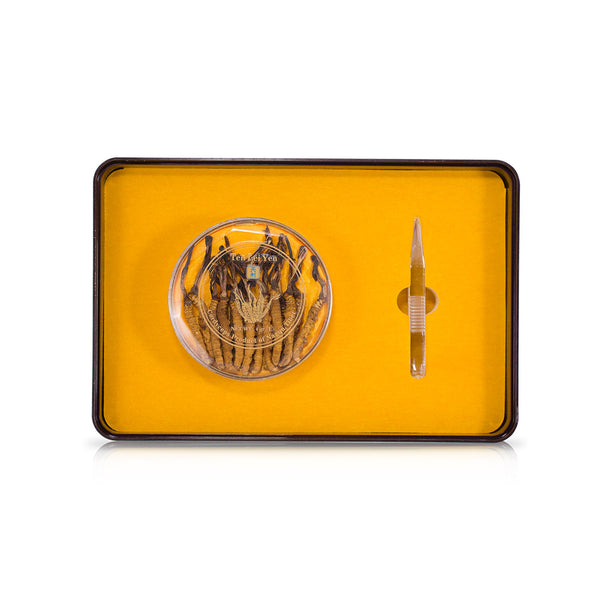
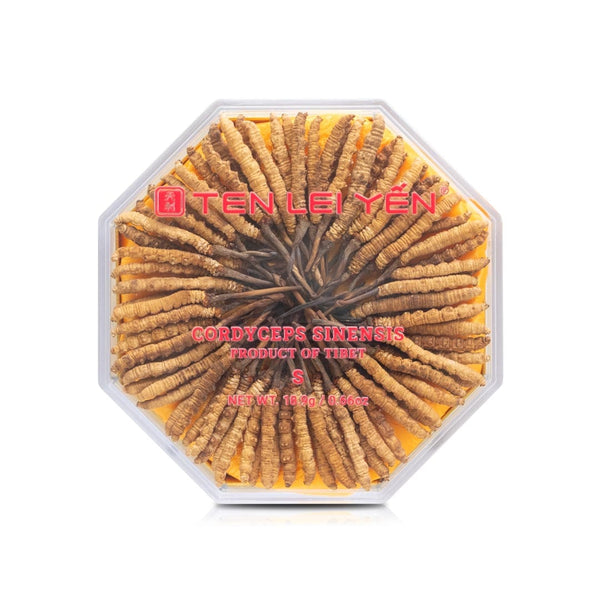
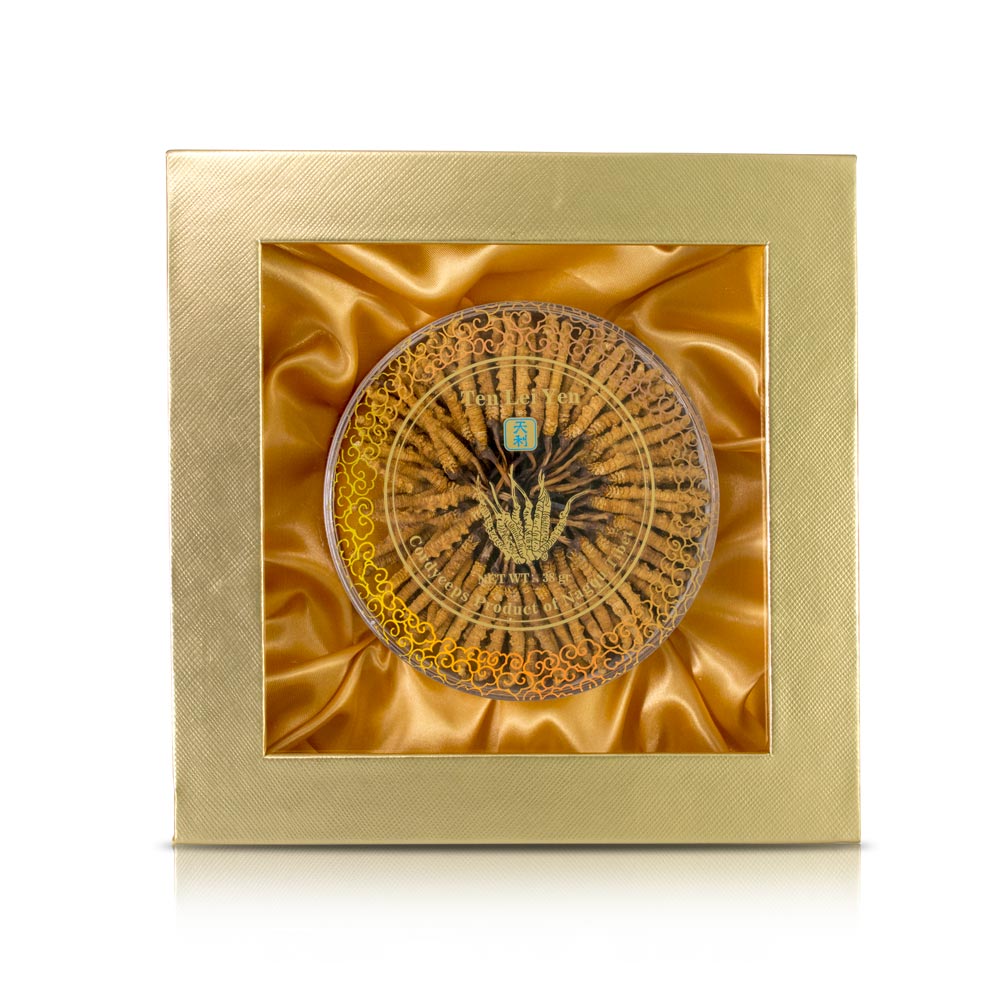
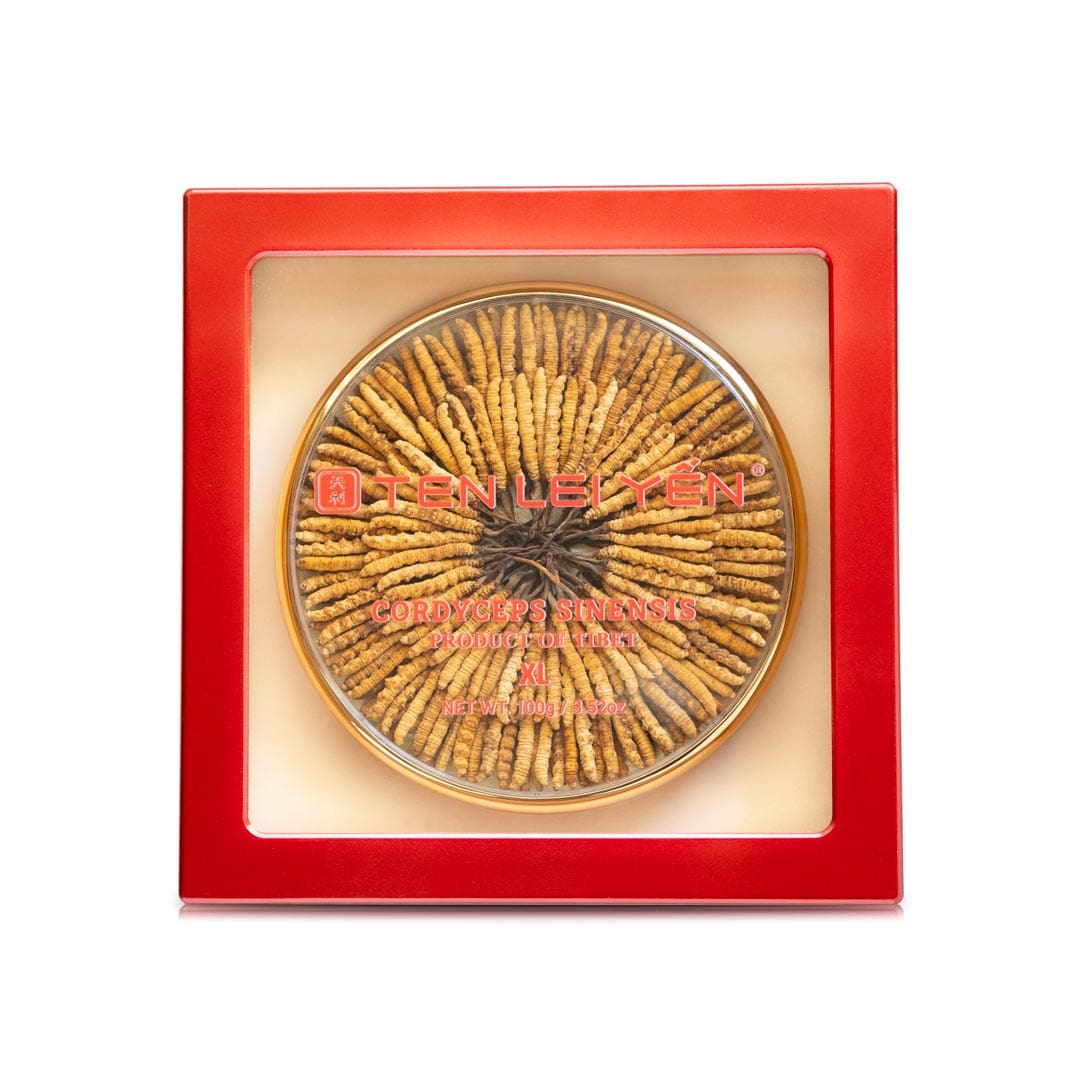
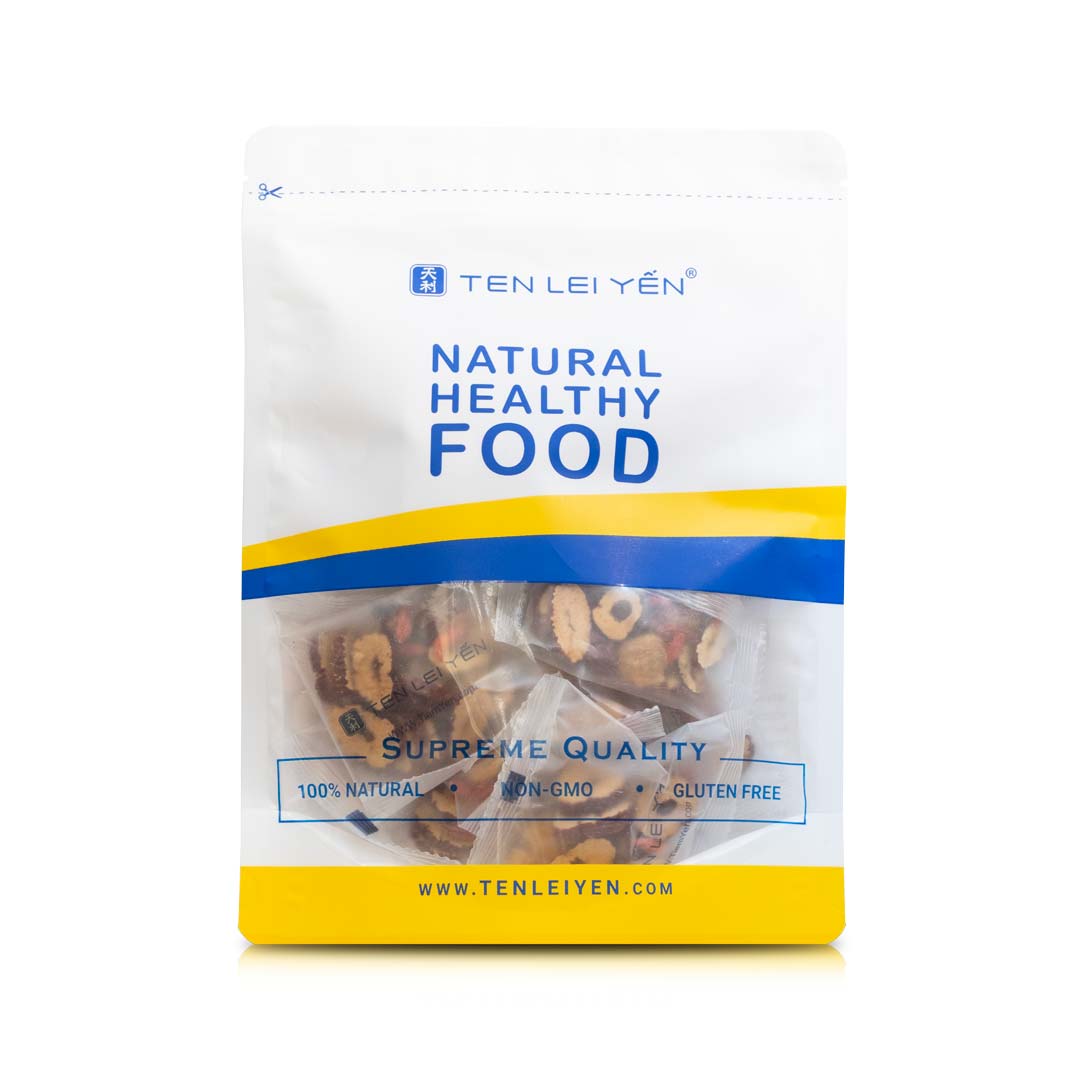
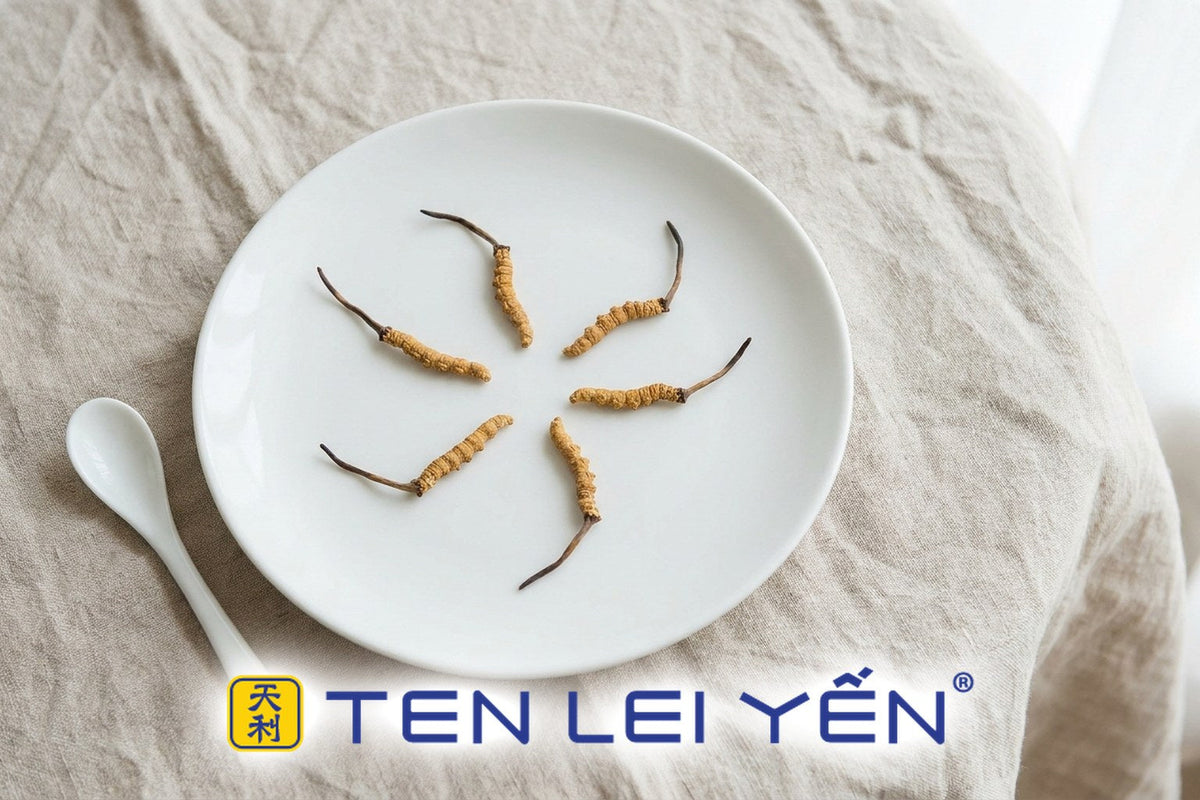
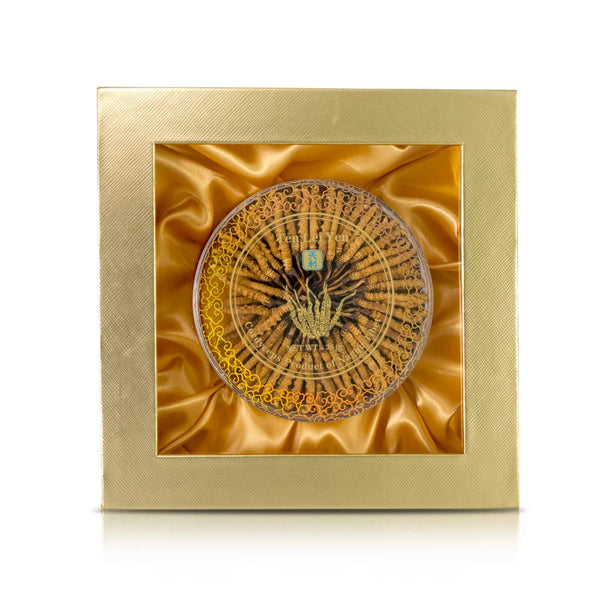
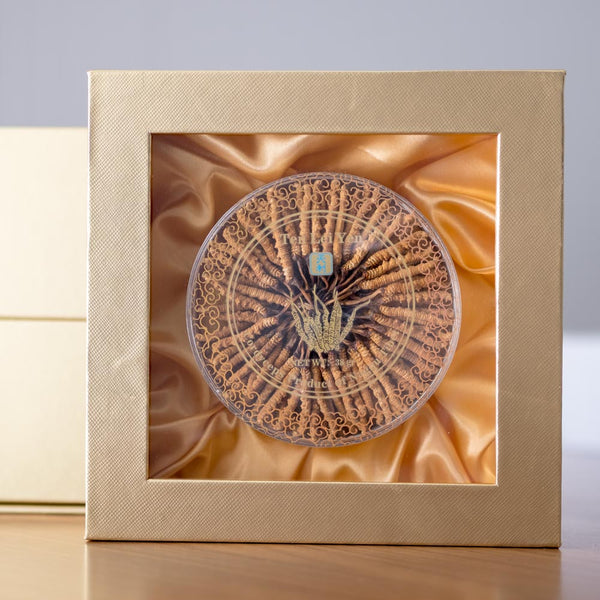
As far as we know, nothing in US law makes it illegal to buy or own cordyceps, whether that's the whole wild caterpillar-and-stalk piece from Nagqu, Tibet, or the orange cordyceps militaris we sell by the bag. It isn't listed under CITES, the international treaty that controls trade in protected species, and it isn't on any list of forbidden foods that we know of. Shipping it from one state to another is ordinary domestic trade, and we send orders nationwide from tenleiyen.com. We're a shop, not lawyers, so please take this as general information rather than legal advice.
Why do people say cordyceps is banned in the UK?
Because reports in late 2025 said some British sellers had been told to pull cordyceps products from sale, and the news travelled fast. The rule behind it is the UK's novel food law. A food counts as novel if it wasn't eaten to any significant degree in the UK or EU before 15 May 1997, and a novel food has to be authorised before anyone can put it on the market in Great Britain. The reports we found name Cordyceps militaris specifically, and they describe a question of consumption history and paperwork, not a finding that the mushroom is unsafe. Authorisation is costly, which is why small British producers are pushing back. Separate advertising rules also limit what a seller may say about any food there.
So "banned" really means "can't be sold in Britain as a food until it's authorised". The rule is about selling, and nothing we read suggests anything about simply owning a piece. We couldn't find a clear UK ruling on wild Cordyceps sinensis either way, so we won't guess about that one.
Is cordyceps militaris illegal anywhere else?
Not that we've found, though it's the species regulators ask the most questions about. As of 2025, trade press reported that the European Union's novel food catalogue treats Cordyceps militaris, both fruiting body and mycelium, as novel. We couldn't open the catalogue entry ourselves, so please check it directly rather than relying on us. That is a sales-approval label for companies selling into those markets, not a ban on the species. If you live outside the US, food import and labelling rules vary from country to country, so check with your own food authority before you order from abroad.
Why is cordyceps banned in India?
As far as we found, it isn't banned as a food. What India restricts is the digging. Wild Ophiocordyceps sinensis grows in high Himalayan meadows in states like Uttarakhand and Sikkim, where it brings village families a seasonal income and where heavy picking has worried conservationists; the IUCN rates the species Vulnerable. Sikkim introduced harvesting rules in 2016, and Uttarakhand declared it a non-timber forest product in 2018, with guidelines on where collecting is allowed, who has to register and how stock is declared. The rules differ from state to state.
Harvesting or trading outside those rules is a punishable offence, and Indian news reports often boil all of that down to the single word "banned". It's a forest-management rule about wild picking in Indian mountains. Our wild cordyceps comes from Nagqu in Tibet, and the Indian rules have nothing to do with a US retailer.
What about carrying cordyceps through customs?
That's a travel question more than a legality one, and the sensible answer matches what we tell customers about bird's nest. Buy it from a US shop and there's nothing for you to worry about, because it has already arrived as a commercial import. If you're flying home with dried food from another country, declare it on the customs form and let the officer decide, and don't mail yourself a parcel from abroad and hope for the best. We explain the reasoning in our guide to bringing bird's nest into the United States, and the same common sense applies to any dried ingredient.
What does "sold as food" mean at our counter?
It means we talk about cordyceps the way a grocer would: where it was picked, how big the pieces are, how dry they are, how to rinse them and what goes in the pot. We don't make claims about what it does for anyone, and that's deliberate, because regulators in several countries care far more about what a seller says than about the ingredient itself. If you'd like to see the two species we've been talking about side by side, our piece on militaris versus sinensis does it, and where wild cordyceps comes from covers the Tibetan plateau. Rules change, so for anything you're planning to import or resell, check with the authorities in your own country.
 or