By Alina @ TLY
Edible bird's nest is built by swiftlets, not swallows. The two species behind almost all of it are the edible-nest swiftlet (Aerodramus fuciphagus), which makes the white nests, and the black-nest swiftlet (Aerodramus maximus), and neither is a swallow, even though the word "swallow" has been stuck to their nests for centuries. At Ten Lei Yen in Westminster's Little Saigon we hear this at the counter every week, usually from someone whose grandmother always called it swallow's nest.
Why does everyone say swallow?
Mostly because of one Chinese character. The Chinese name for the nest, 燕窩 (yànwō), translates literally as swallow's nest, because 燕 is the everyday character for swallow, though it is understood to mean the swiftlet's nest. Vietnamese carries the same character over as "yến", which is why we say yến sào for the nest and chim yến for the swiftlet. English followed the literal translation, and "swallow" stuck.
The scientists got caught out too. When the edible-nest swiftlet was first described in 1812 from a specimen collected in Java, it was filed under Hirundo, which is the swallow genus. It was moved out later, once people looked closer at what the bird actually was.
So what makes a swiftlet different from a swallow?
They aren't relatives. Swallows are songbirds, in the family Hirundinidae. Swiftlets belong to the swift family, Apodidae, and swifts are more closely related to hummingbirds than to any swallow. They look alike because they live alike, both catching insects on the wing, which is what biologists call convergent evolution.
You can tell them apart by how they rest. A swallow will happily perch on a wire or a branch. A swift almost never does; it clings to rock or walls instead. And while a swallow builds its nest from mud, a swift glues its nest together with saliva. That last difference is the whole reason one bird's nest ends up in a bowl and the other doesn't.
Which swiftlets make the nest people eat?
Two species do most of the work. The edible-nest swiftlet, also called the white-nest swiftlet, ranges across Southeast Asia: the Malay Peninsula, Sumatra, Borneo, Java, the Philippines and nearby islands. The black-nest swiftlet is a close relative, with well-known colonies in the Niah Caves of Borneo. A few other swiftlet relatives have had their nests collected locally too, but these two are the ones the trade is built around.
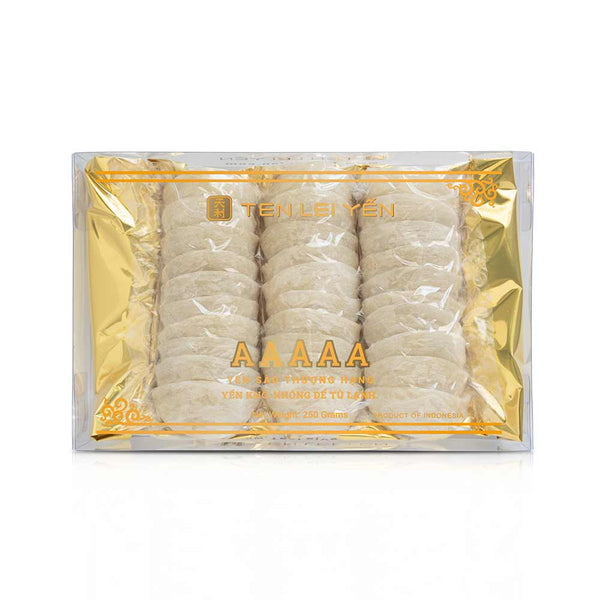
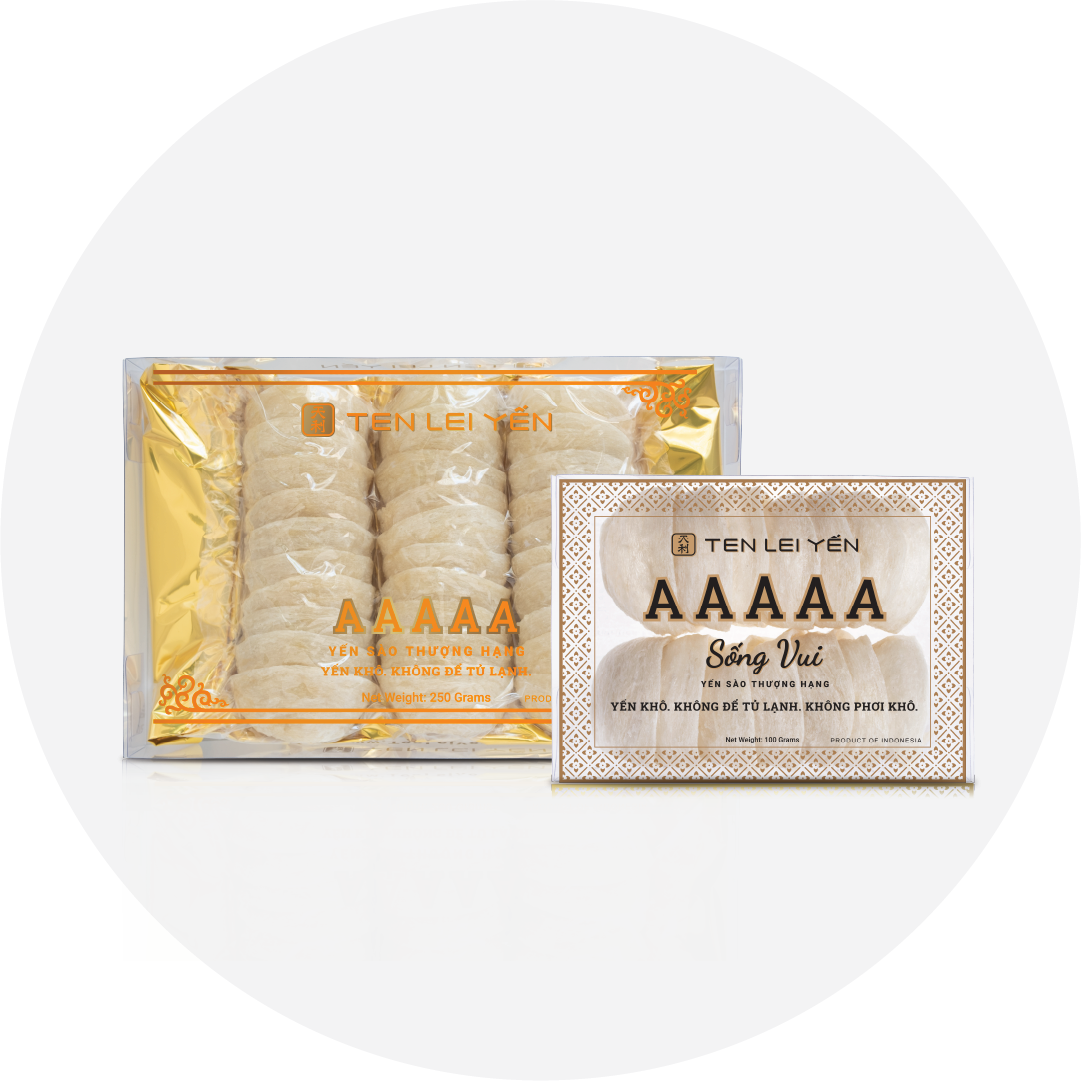
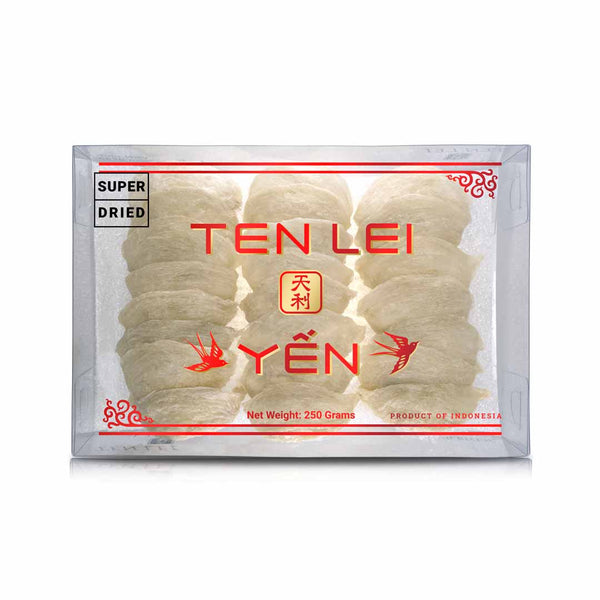
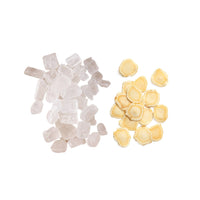
In Vietnam, the swiftlets of Khánh Hòa, home to the country's largest colony, belong to a subspecies called Germain's swiftlet, which some taxonomists treat as part of the same species. The white and golden bird's nest we sell comes from swiftlet houses in Indonesia. We can tell you where it was harvested and how it was cleaned; we won't claim to know the exact subspecies of every nest in a box, and you should be a little wary of anyone who does.
Why aren't most birds' nests edible?
Because most birds build with whatever is lying around: twigs, grass, moss, mud, feathers, bits of string. A robin's nest is dried grass and mud. A swallow's is a cup of mud pellets. Nobody cooks those, and nobody would want to. Even among swifts, many species glue ordinary sticks together with a dab of saliva, and the result is still a stick nest.
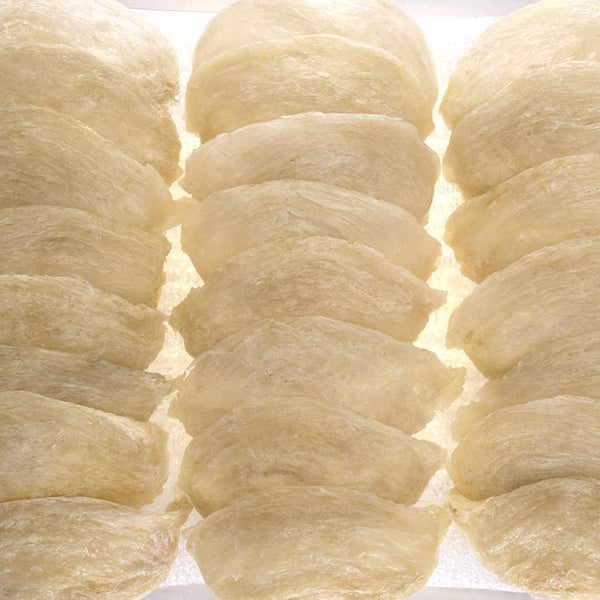
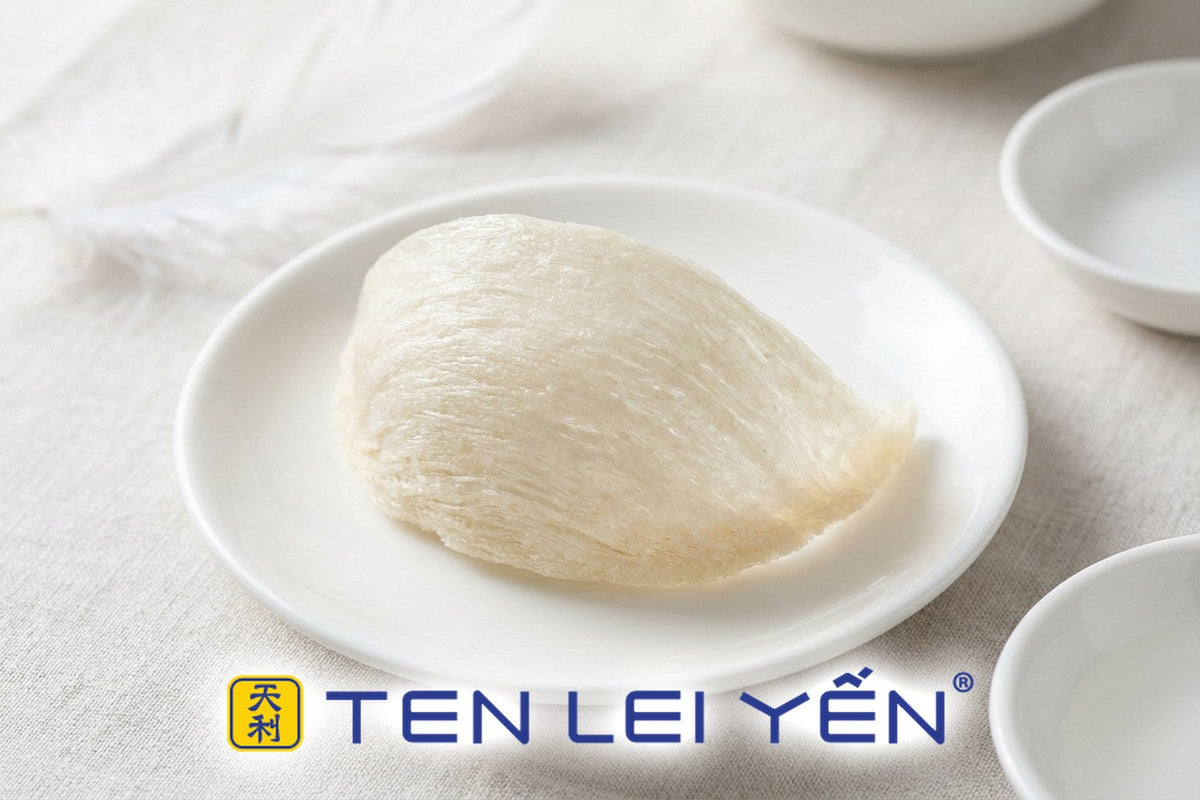
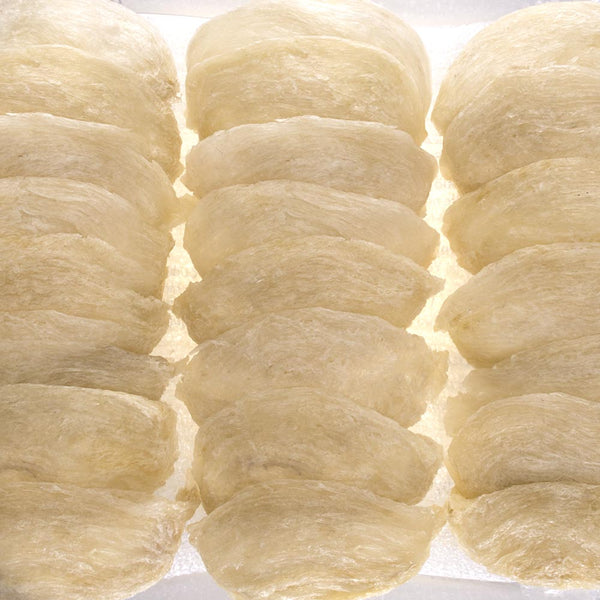
The edible nest is different because the swiftlet builds it from almost nothing but its own saliva, laid down in fine strands that harden in the air into a pale, translucent cup. That is why it can be cleaned, dried, soaked and cooked, and why the cleaned nest has no twigs or mud in it to begin with. The little feathers that do get caught in the strands are what hand-cleaning is for.
What does this change when you buy?
Not much, honestly, except that you can stop worrying if an older label or a relative says swallow. Edible nest is edible nest whatever the bird gets called on the box. What matters more is where the nest was built and how it was cleaned, and our guides to cave nest versus house nest and to white, golden and red nest cover those questions. If you ever wonder whether what you've been sold is the real thing, this checklist for telling real nest from fake is the place to start.

 or
 or