Edible bird's nest is built entirely from the hardened saliva of swiftlets. But you will see two terms while shopping: cave nest and house nest. Both come from the same kind of bird; the difference is where the nest is built and harvested. That single fact explains most of the differences you will notice in color, cleanliness, shape, and price.
Key takeaways
- Cave nest is harvested from natural limestone caves; house nest is collected from purpose-built swiftlet houses.
- Cave nest is often darker and more irregular, with more feathers and mineral staining; house nest is usually lighter, cleaner, and more uniform.
- Both are genuine bird's nest. Darker color comes from the environment, not from “blood.”
- For clean white strands and consistent quality, most modern premium white nest is house nest.

Cave nest
Cave nest is built by swiftlets on the walls and ceilings of natural limestone caves, often high on cliffs near the sea. Harvesting it is difficult and, in some places, seasonal and tightly managed, which historically made cave nest rare and highly prized. Because the caves are humid and rich in minerals, cave nest tends to be thicker and sturdier, but also darker, more irregular in shape, and carrying more feathers, shell fragments, and mineral staining. It usually needs more careful cleaning before cooking.
House nest
House nest, sometimes called farmed or ranched nest, is collected from purpose-built “swiftlet houses” — concrete or timber buildings that mimic a cave and invite wild swiftlets to nest indoors. The birds still come and go freely and feed themselves in the wild; only the nesting site is managed. The cleaner, more controlled environment produces nests that are typically lighter and whiter, cleaner, and more uniform in shape, with a steadier year-round supply. Most of the bright white nest sold today is house nest.
What about color?
A darker nest is not automatically “better,” and a very white nest is not automatically bleached. Color largely reflects the environment and minerals a nest was exposed to while it formed. So-called red nest gets its tone from its surroundings over time, not from blood. Judge a nest by how clean it is, how tightly its strands are woven, and how it behaves when soaked and cooked — not by color alone.
Which should you choose?
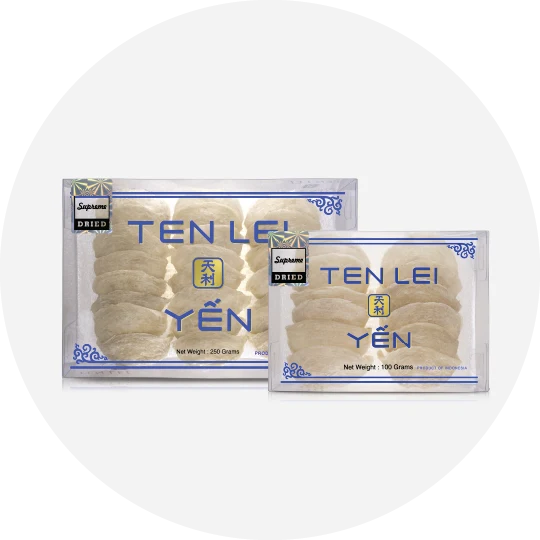
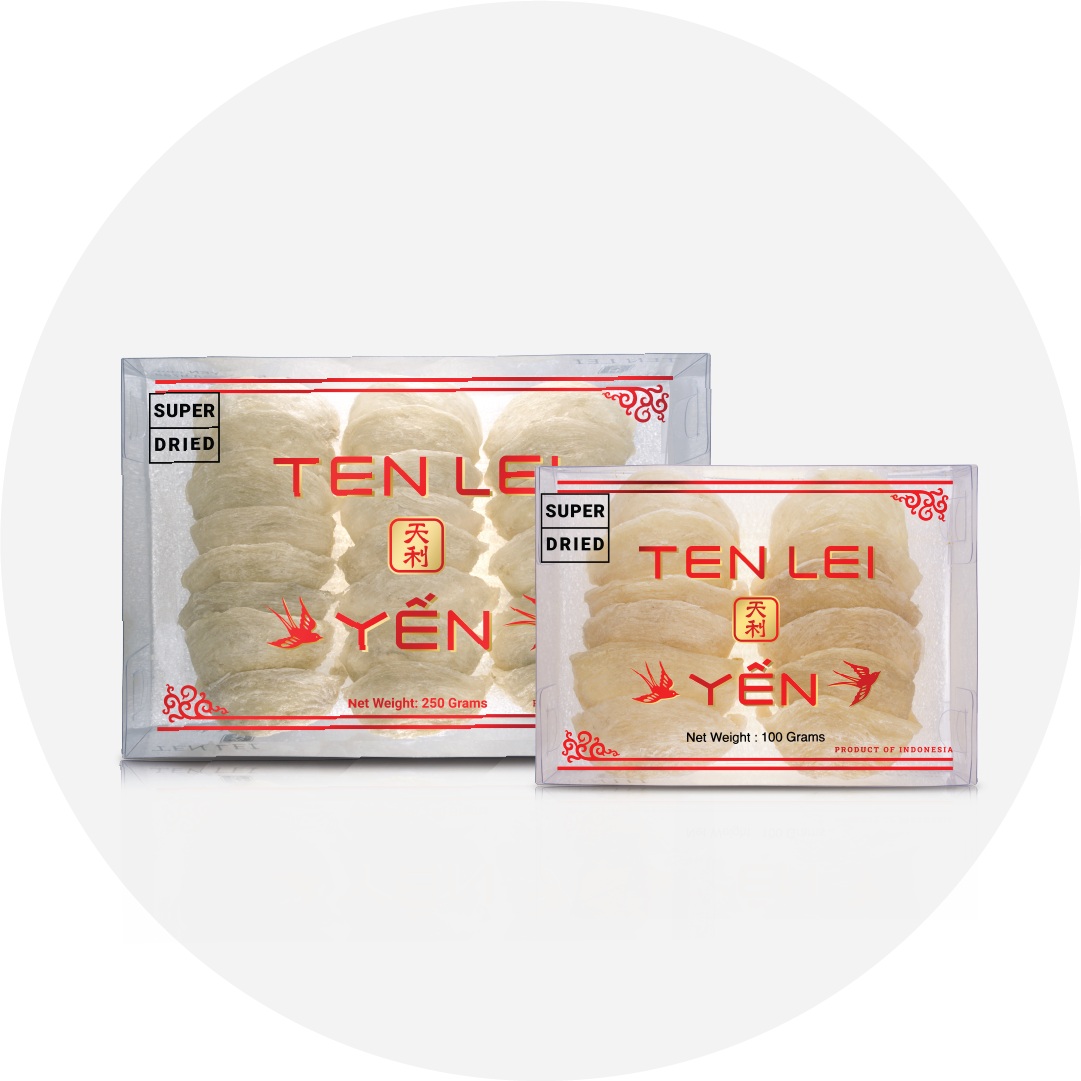
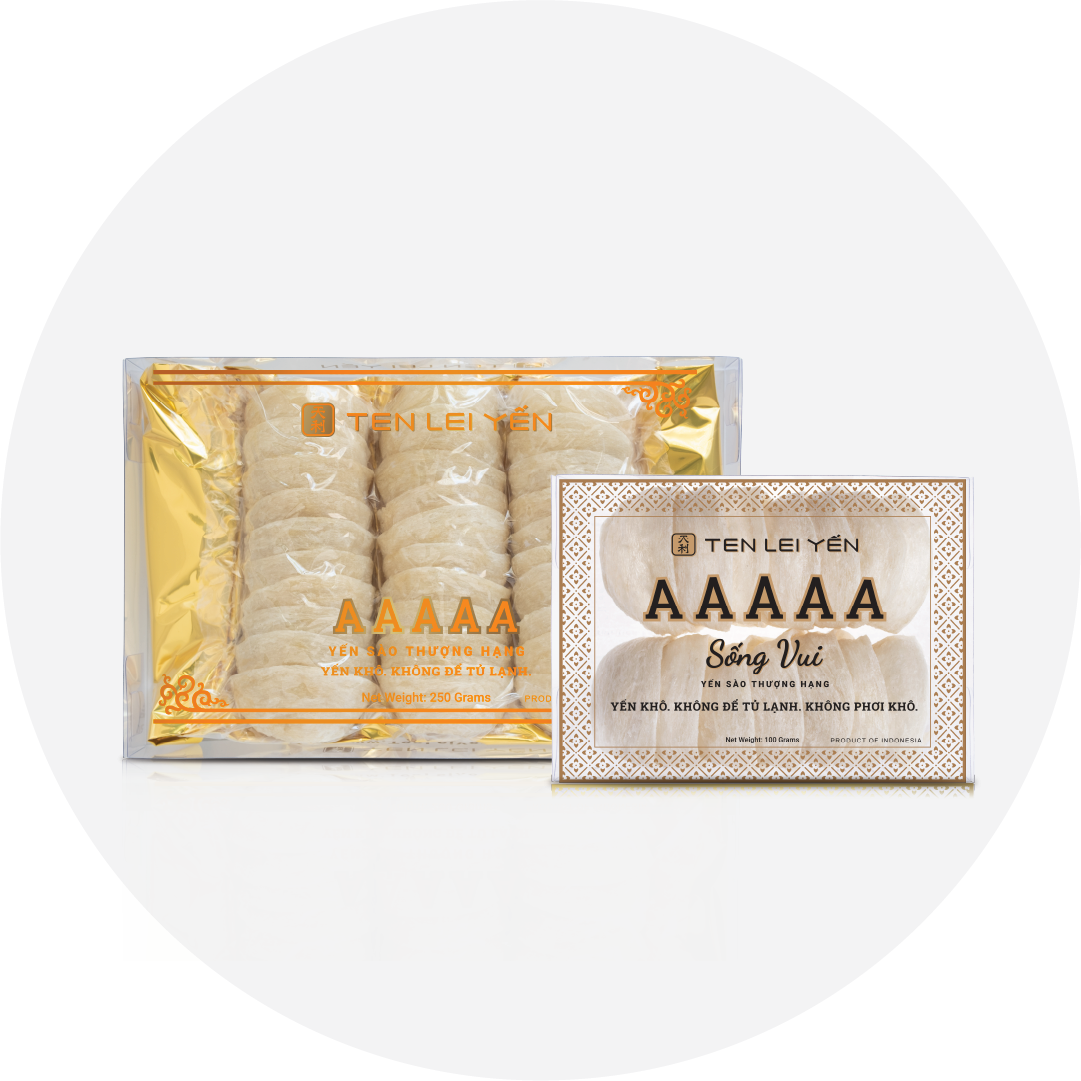
If you want clean, pale strands, consistent quality, and easy preparation, house nest is the practical choice, and it is what most premium white nest is today. Cave nest appeals to buyers who value its rarity and rugged character and do not mind extra cleaning. Ten Lei Yen focuses on premium white house nest, graded and sorted for cleanliness and strand quality. To see how color and grade fit together, read our white vs golden vs red guide, or browse Blue Label, Red Label, and our specialty nest.
Frequently asked questions
Why is cave nest usually more expensive?
Cave nest is harder to reach and harvest, and supply is limited, which tends to raise its price. Cleaning it also takes more work because it collects more feathers and mineral matter.