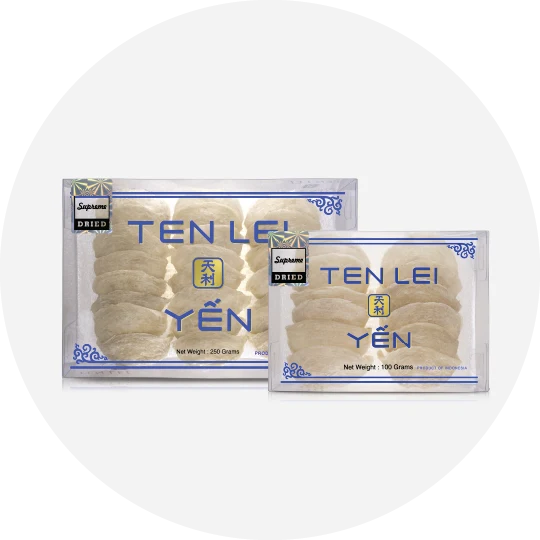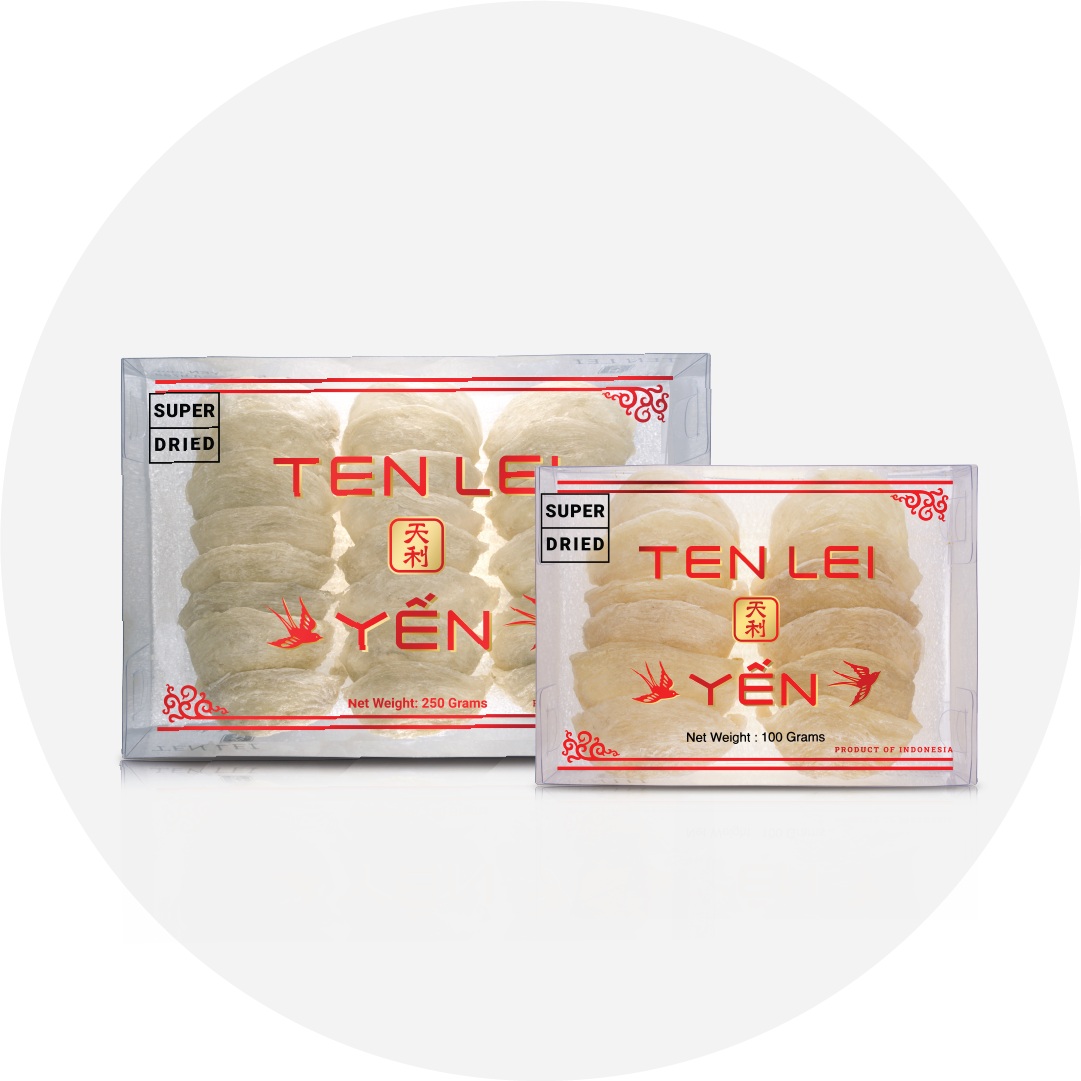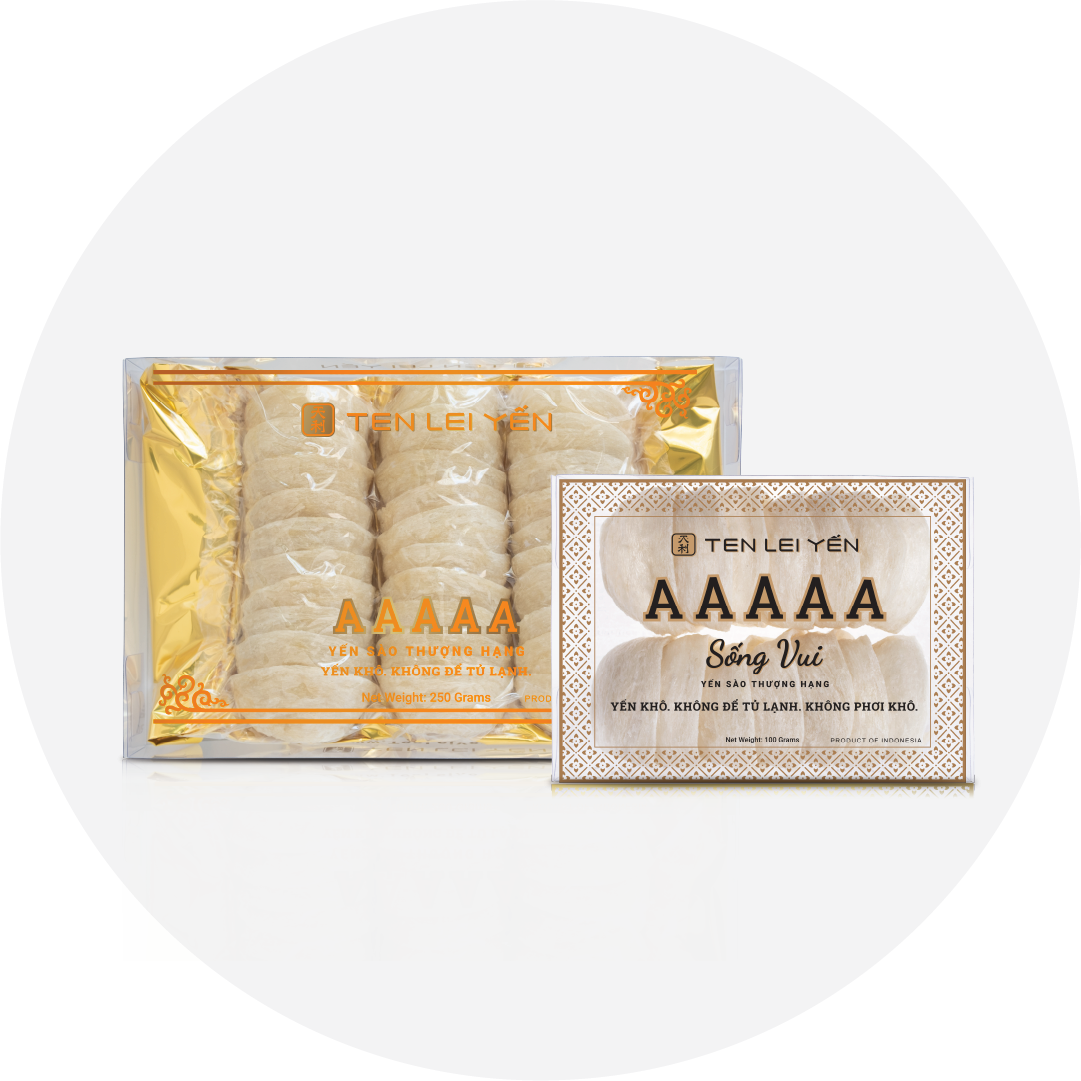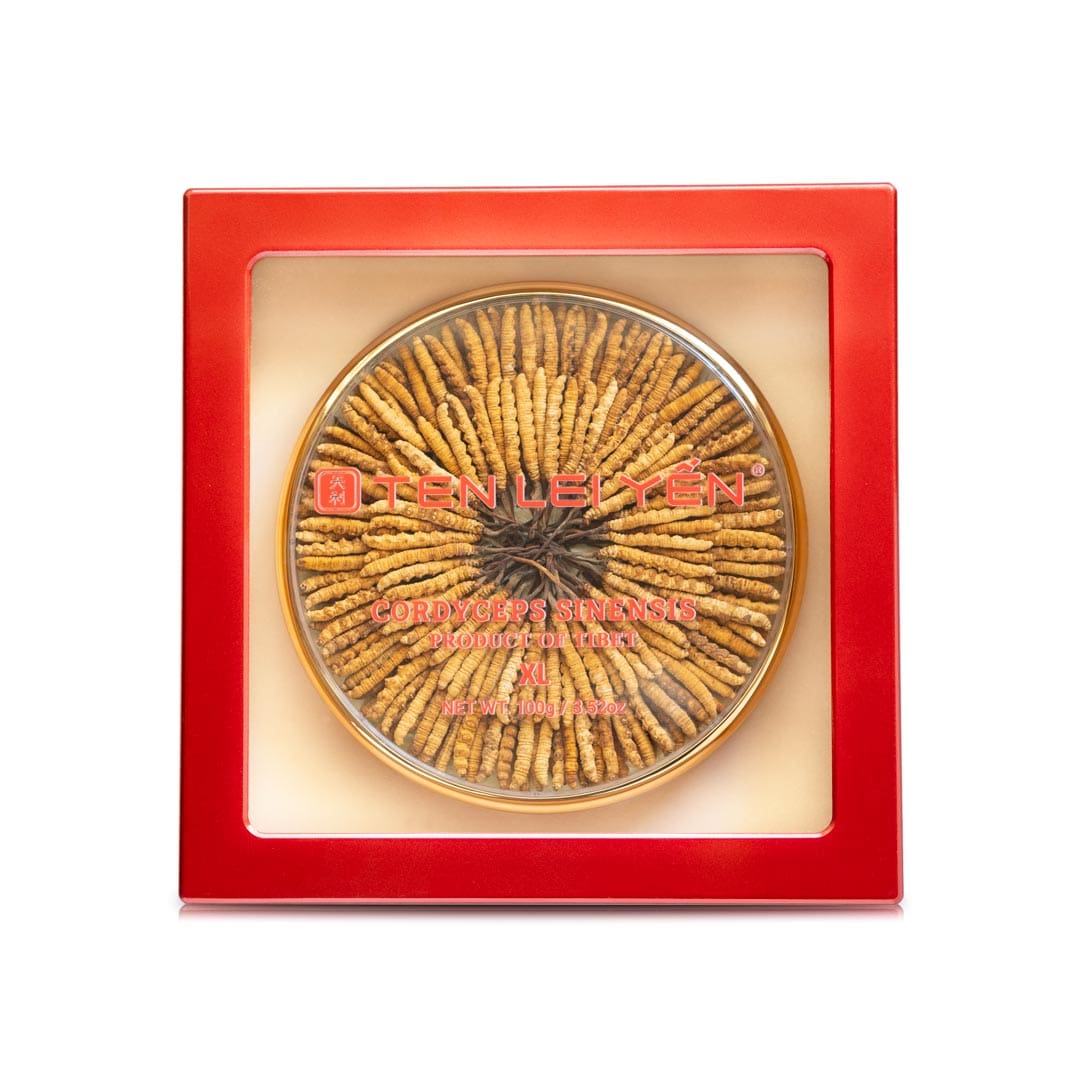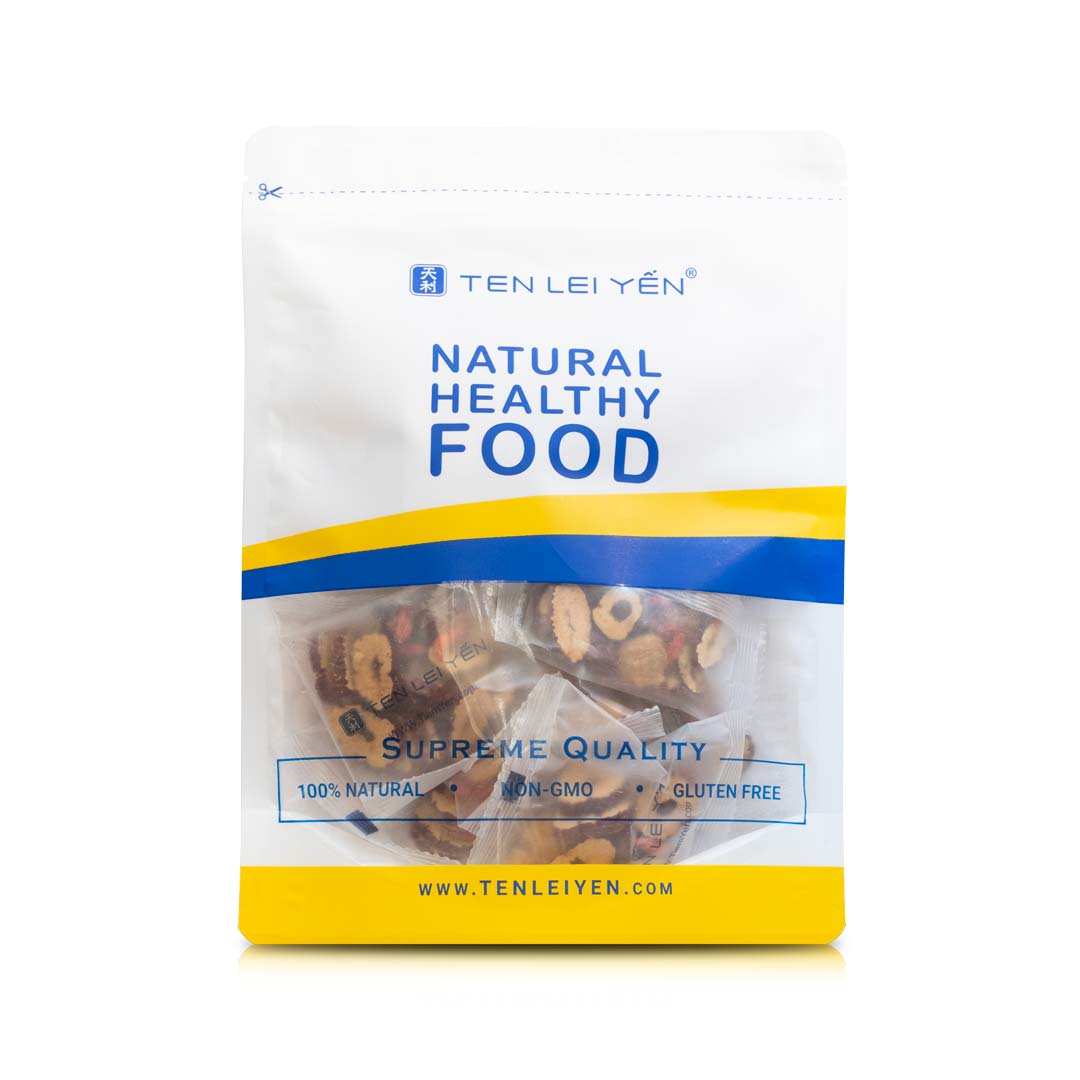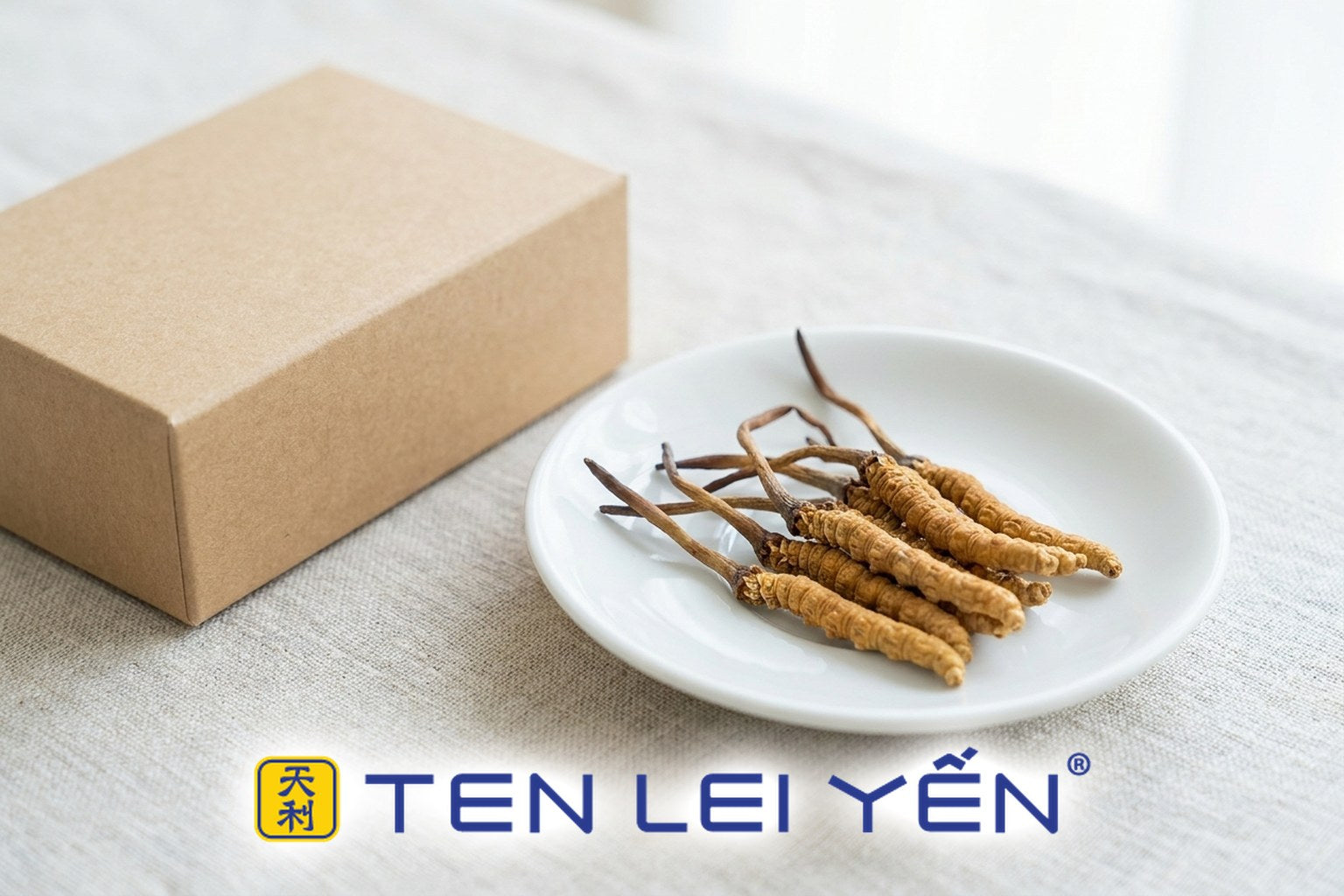
Cordyceps varies enormously in type, source, and price, and a lot of that is decided by what is printed on the package. A clear, honest label should tell you six things at a glance: the species, whether it is wild or cultivated, the origin, the grade or size, the net weight, and the form. Here is how to read each one.
Key takeaways
- Species is the most important line: Cordyceps sinensis (wild caterpillar fungus) is very different from Cordyceps militaris (the cultivated orange flower).
- Look for wild vs cultivated, a named origin, a grade or size, and a clear net weight in grams.
- Note the form: whole pieces, flower, powder, or a blend — powders should still state species and grade.
- Honest labels describe what the product is, not what it will do for you.

1. Species
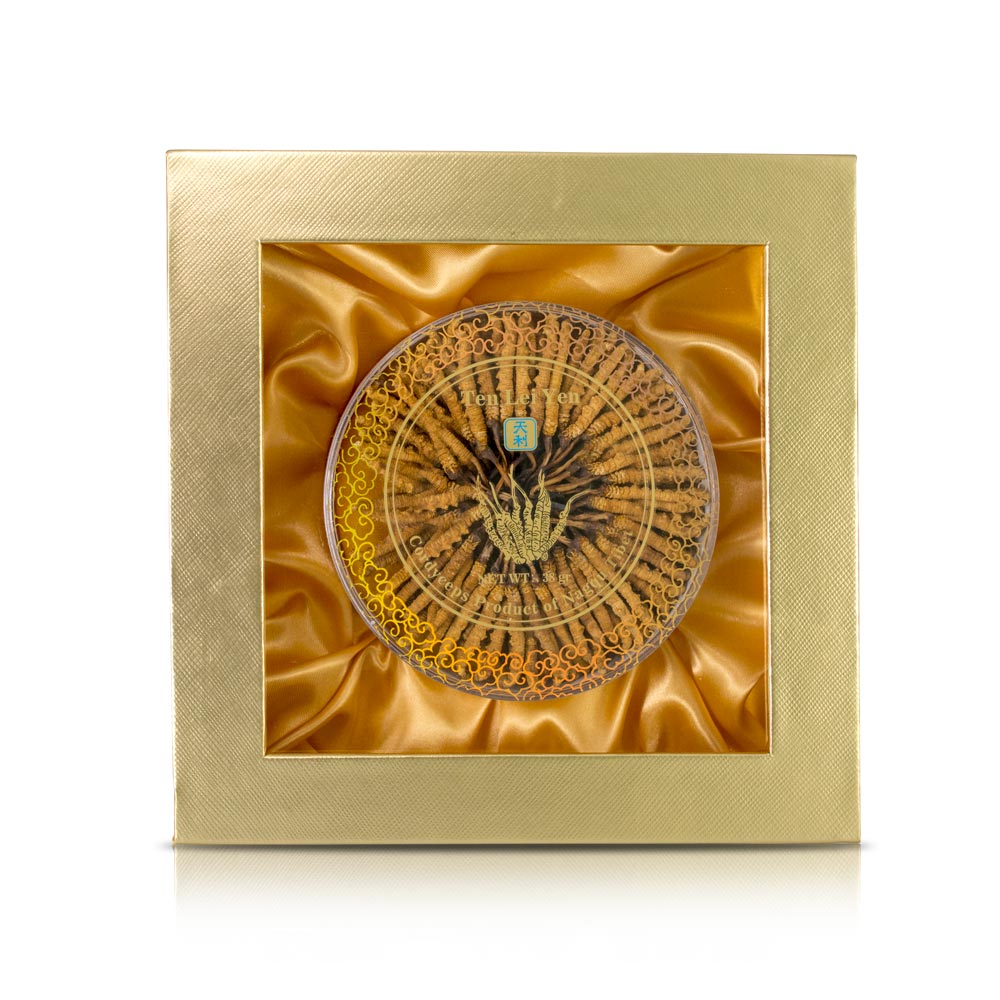
This is the line that matters most. Cordyceps sinensis (also written Ophiocordyceps sinensis) is the wild, high-altitude type: a tan-golden, caterpillar-shaped body with a single slender darker stalk. Cordyceps militaris is cultivated and looks completely different — short, bright orange club-shaped stalks, often sold as "cordyceps flower." A label that just says "cordyceps" with no species is not telling you what you are buying.
2. Wild vs cultivated
Wild sinensis is hand-collected from the Himalayan plateau and is rare and costly. Militaris is grown, which makes it far more affordable and consistent. Both are real cordyceps; the honest question is simply that the label matches the price. A "wild" claim at a cultivated price is a reason to ask questions.
3. Origin
For wild sinensis, origin is a genuine quality signal — regions of the Tibetan plateau such as Nagqu are known for prized wild cordyceps. A specific, named origin is more meaningful than a vague "Himalayan" with no detail.
4. Grade or size
Whole cordyceps is often graded by size, commonly expressed as pieces per gram: fewer, larger pieces per gram usually means a higher grade. If a label gives no size or grade at all, you cannot compare value fairly.
5. Net weight and form
Cordyceps sells by the gram, so a clear net weight (for example, 4 g, 19 g, 38 g) is essential. Note the form, too — whole pieces, flower, powder, or a blend. Powders and blends are convenient, but a good label still states the species and grade that went into them rather than hiding it.
6. What a label should not lean on
An honest cordyceps label describes the product — species, source, grade, weight — rather than making promises about what it will do. If packaging leans heavily on dramatic promises but stays vague about species and origin, that imbalance is itself worth noting.
The quick checklist
Before you buy, confirm the label shows: species (sinensis or militaris), wild or cultivated, a named origin, a grade or size, a net weight in grams, and the form. Ten Lei Yen lists these details on our wild cordyceps and cultivated cordyceps, and you can read more background in our cordyceps buying guide.
Frequently asked questions
Is cultivated cordyceps a lesser product?
No, it is simply different. Cultivated militaris flower is consistent and affordable and is popular for everyday cooking, while wild sinensis is rare and reserved for special preparations.