Few ingredients in the world of functional fungi attract as much curiosity, and as much confusing marketing, as Cordyceps sinensis. Prices for the wild form can rival precious metals by weight, and the descriptions attached to commercial products range from carefully accurate to wildly overstated. This guide sets aside the hype and focuses on what the ingredient is, what is myth, and how to shop wisely.
Key takeaways
- Cordyceps sinensis is a fungus that grows on moth larvae in high-altitude Himalayan regions; it is now classified scientifically as Ophiocordyceps sinensis.
- Most products on the market are cultivated (often a related species, Cordyceps militaris), not the rare wild-harvested form.
- Marketing language is frequently exaggerated; the published research is far more limited and preliminary than advertisements imply.
- Authenticity, grading, and adulteration are the practical things to check before you pay.

What Cordyceps sinensis actually is
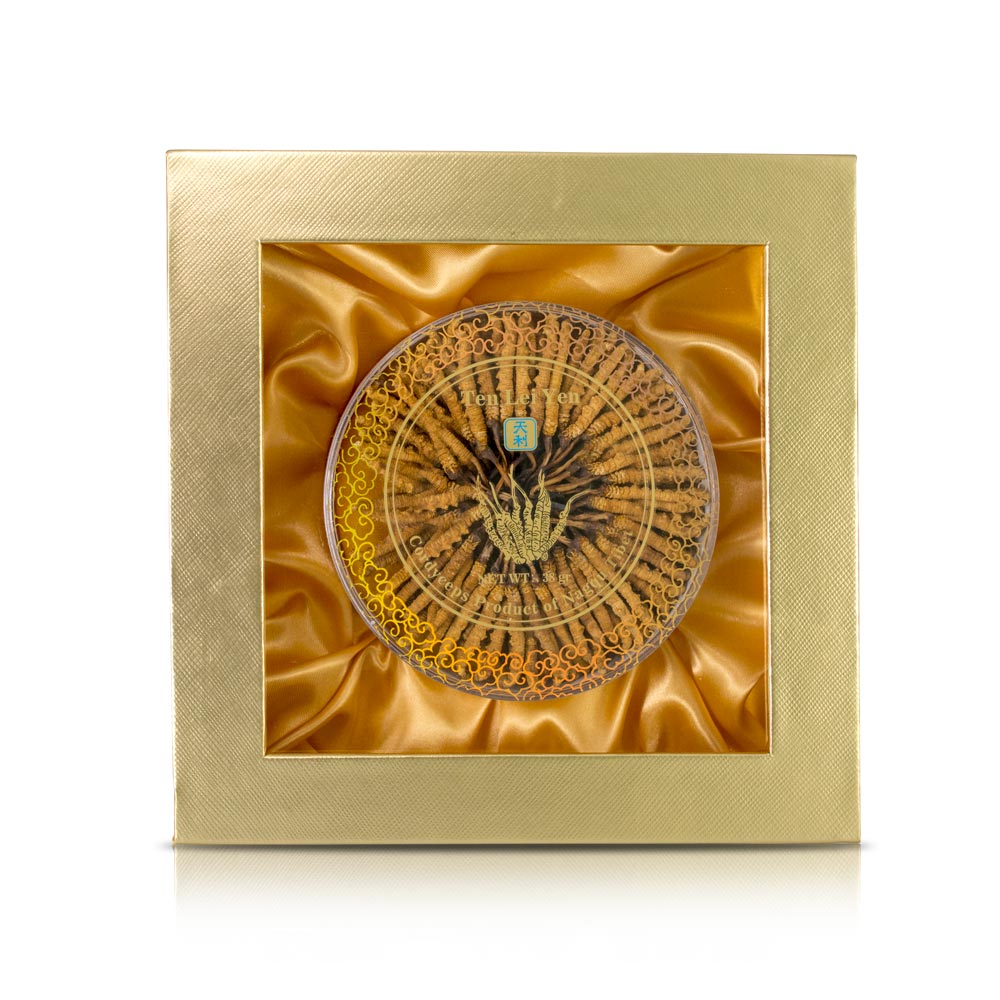
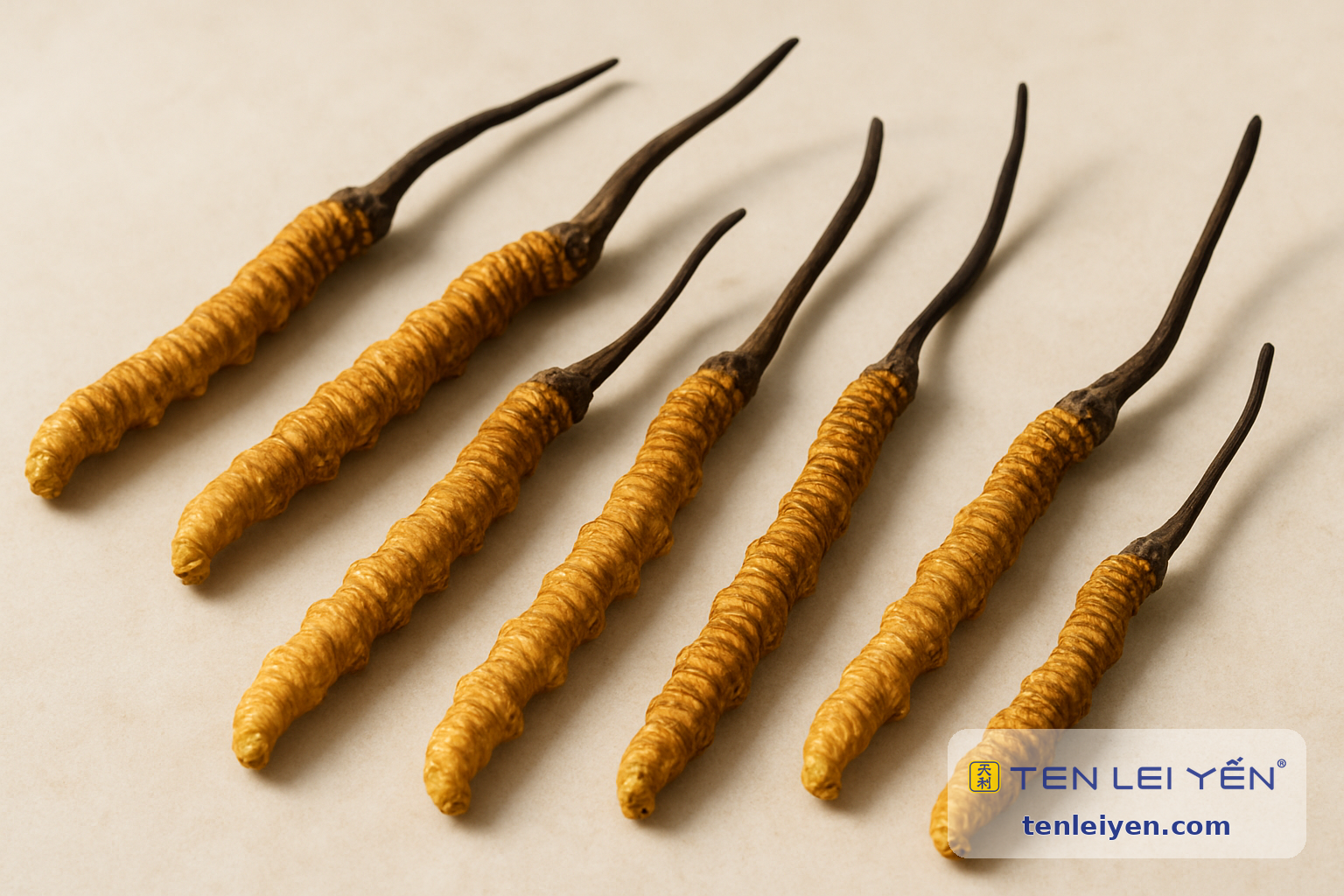
Cordyceps sinensis is an insect-associated fungus that grows on the larvae of ghost moths in the high-altitude meadows of Nagqu, Tibet, typically between 3,000 and 5,000 meters above sea level. In Tibetan it is called yartsa gunbu, often translated as "winter worm, summer grass." The name describes its life cycle: the fungus colonizes a caterpillar underground over winter, and in summer a slender fruiting body emerges from the host's head. What is collected and sold is the combined caterpillar-and-fungus structure.
Because the wild form is difficult to harvest and limited in supply, the overwhelming majority of products available today are cultivated indoors. Cultivated material is frequently Cordyceps militaris, a related orange-colored species grown on a substrate rather than on insect hosts, or a mycelium grown by fermentation. These are legitimate products, but they are not the wild "caterpillar fungus," and they should not be priced or described as if they were.
Wild versus cultivated
Wild-harvested
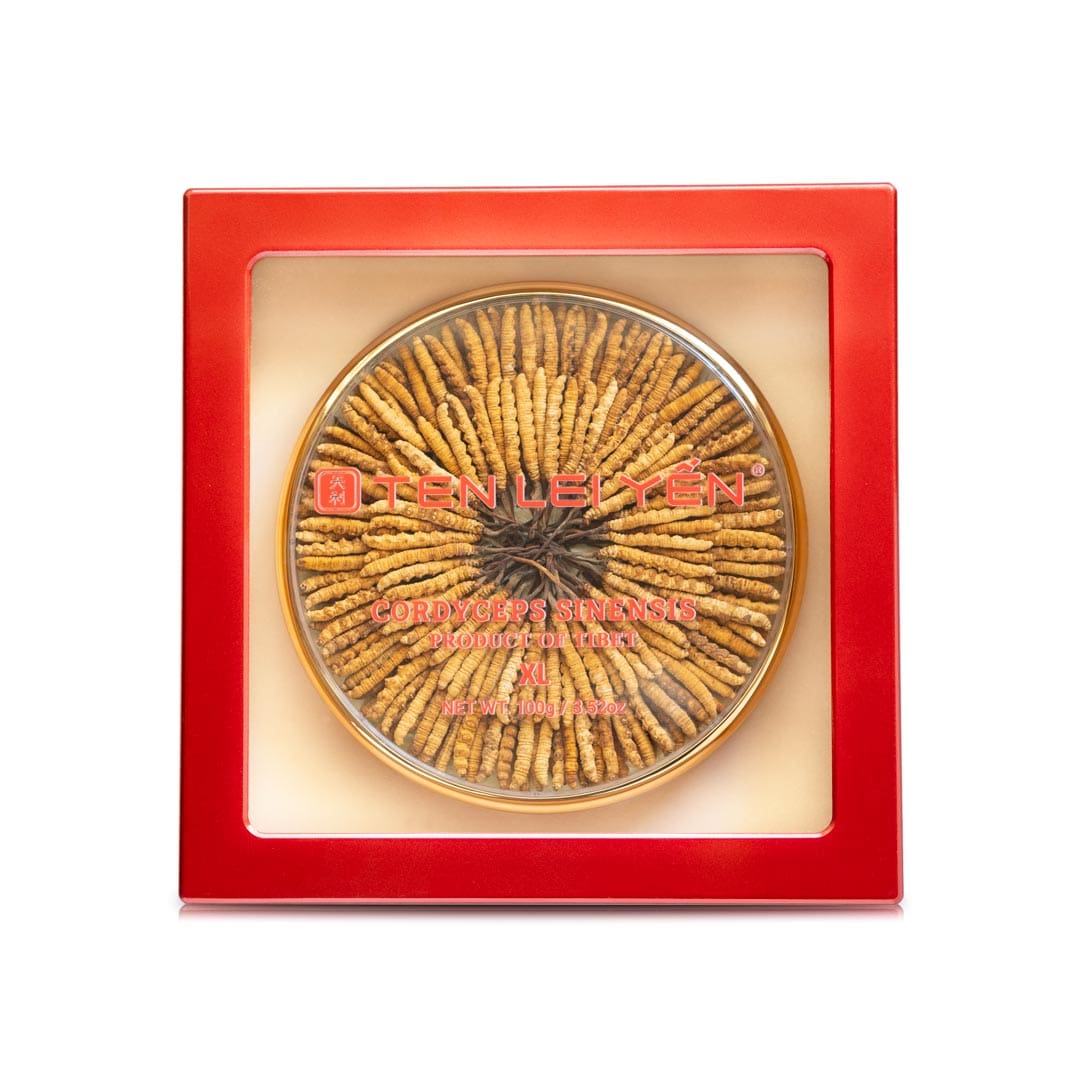
Wild Cordyceps sinensis is the traditional collected form: an intact specimen with a visible larva and an attached fruiting body. It is scarce, seasonal, and expensive, which is exactly why it is a frequent target for imitation and adulteration. If you are buying this form, you can review the wild range here: wild Cordyceps.
Cultivated
Cultivated Cordyceps is produced under controlled conditions and is far more affordable and consistent in appearance. It is usually sold as whole fruiting bodies, powder, or capsules. For the cultivated range, see cultivated Cordyceps. The most important point for a buyer is simply that the label is honest about which one it is.
Common myths and marketing exaggerations
A useful way to read any Cordyceps listing is to separate what the evidence does establish from what it does not. The evidence reliably establishes what the organism is, where it grows, its biology, and how to distinguish authentic from adulterated material. It does not establish the sweeping outcome claims that often appear in marketing. Several recurring myths are worth flagging:
- "Wild and cultivated are interchangeable." They are different products with very different supply, appearance, and price. Treat any listing that blurs the two with caution.
- "Higher price always means higher quality." Price tracks scarcity and grade, not necessarily authenticity. Expensive product can still be adulterated.
- Dramatic nicknames and outcome promises. Sensational nicknames and specific result claims are marketing devices, not descriptions supported by the limited published research. The honest framing is that strong human evidence is sparse and preliminary.
In short, it is fair to say that popular claims about Cordyceps are often overstated or unproven. A trustworthy seller describes the product, its origin, and its grade rather than promising results.
How to identify authentic versus adulterated product
Adulteration is common precisely because the wild form is valuable. When inspecting wild-form specimens, look for:
- Intact structure. A genuine specimen has a recognizable larva connected to a single slender fruiting body. Be wary of pieces that look glued, reassembled, or unusually uniform.
- Inserted material. A known fraud is inserting wire, sticks, or heavy powder into the larva to raise weight. Unusual heaviness or visible foreign material is a warning sign.
- Look-alike species. Other fungi and even molded shapes are sometimes sold as Cordyceps sinensis. Color, segmentation of the larva, and overall form help distinguish them.
- Origin and documentation. Sellers who can state the source region and form, and who do not lean on extravagant promises, are generally more reliable.
Grading and what to look for
Wild Cordyceps is commonly graded by size and condition: larger, intact, undamaged specimens command higher grades, while smaller, broken, or repaired pieces sit lower. There is no single universal grading authority, so grade descriptions vary between sellers; the practical step is to ask what a given grade means and to compare specimens directly. For cultivated product, consistency, cleanliness, and clear labeling of species and form matter more than size.
What to pay in 2026
Wild Cordyceps sinensis remains one of the most expensive natural commodities by weight, with prices driven by grade, harvest yield, and region of origin; top grades can reach figures comparable to precious metals per gram. Cultivated Cordyceps costs a small fraction of that. Use price as a sanity check rather than a quality guarantee: a wild-grade price attached to material that looks cultivated, or a cultivated price for something sold as rare wild specimens, are both reasons to ask more questions before buying.
Frequently asked questions
Why is wild Cordyceps so expensive?
It grows only in specific high-altitude regions, is harvested by hand over a short season, and is limited in supply. That scarcity, combined with grading, sets the price.
Written by Ten Lei Yen.