Edible bird's nest is a traditional cooked delicacy that many families enjoy together. If you are wondering whether and when to include it in a child's meals, here is a clear, food-first guide. These are general culinary and parenting notes only, and decisions about a child's diet are personal ones best made with your own pediatrician.
Key takeaways
- Edible bird's nest is a food, not a remedy. Treat it like any other new dish you introduce to a child.
- As a matter of common practice, families usually wait until after infancy and toddlerhood before offering it as a regular food.
- Serve it well-cooked and soft, in small portions, lightly sweetened or unsweetened.
- Introduce it carefully the first time, watching for any allergic reaction.
- Talk to your child's pediatrician about what is right for your family.

At what age do families usually introduce it?
This is a culinary and parental-choice question rather than a medical prescription, and customs vary from family to family. As a general pattern, parents tend to hold off during the early months and the weaning stage, when babies are first getting used to simple foods such as vegetables, fish, and meat.
Infancy and the weaning stage
During the earliest months and through weaning, most families keep meals simple and introduce single, easy foods one at a time. Edible bird's nest is usually not part of this stage.
Older toddlers and young children
Many families choose to introduce edible bird's nest only once a child is comfortably eating a variety of regular table foods. As with any new food, start small and see how the child responds before making it a routine part of meals.
How to prepare and serve it for children
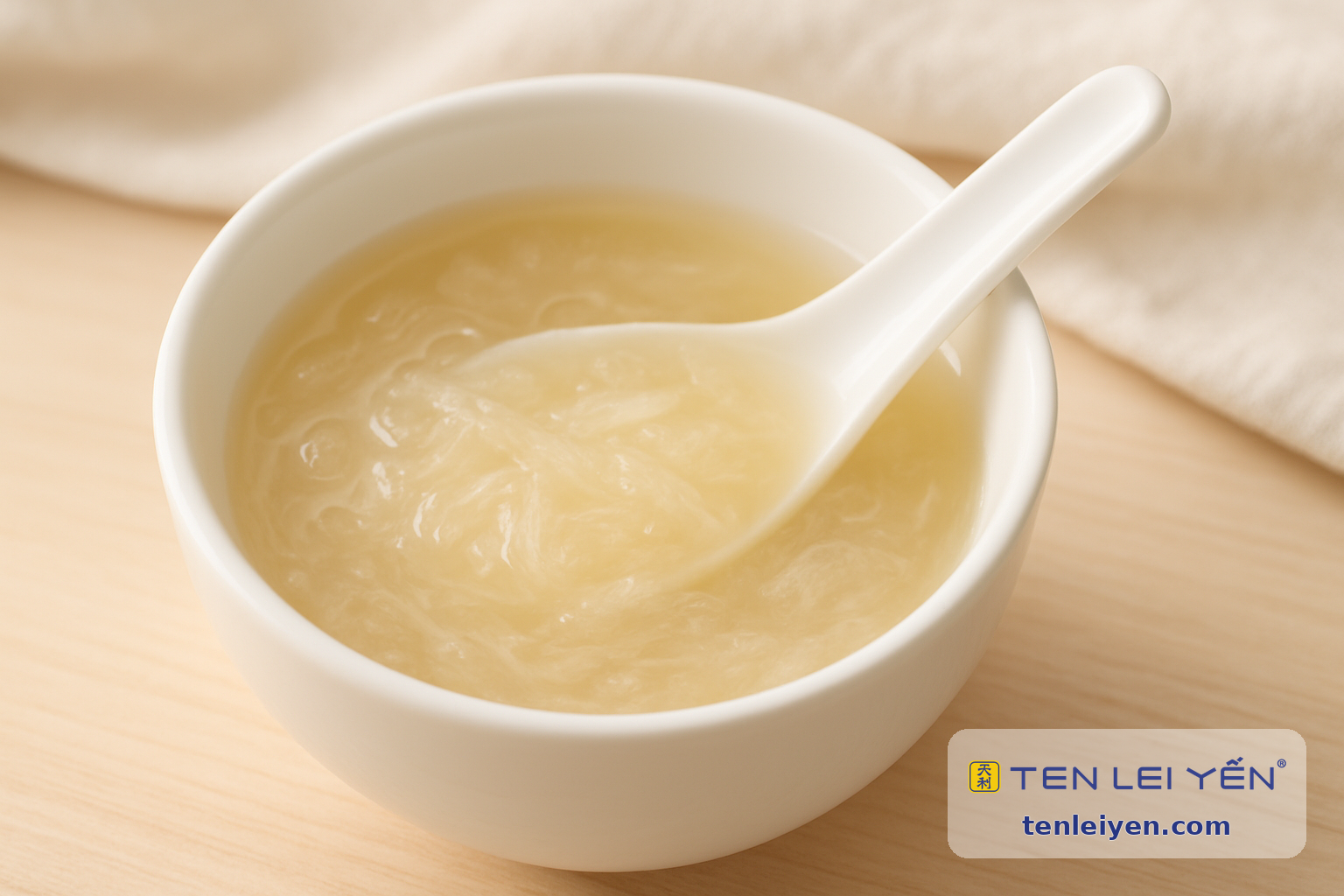
- Cook it thoroughly. Prepare edible bird's nest until it is fully cooked and has a soft, tender texture that is easy for a young child to eat.
- Keep it plain or only lightly sweetened. Many parents prefer to serve it unsweetened or with just a touch of sweetness rather than heavily sugared.
- Use small portions. Offer a small amount, especially at first, and serve it as one part of a varied diet.
- Serve it at a safe temperature and in a form appropriate to the child's age and chewing ability.
Allergy caution
Like many foods, edible bird's nest can be an allergen for some people. When offering it to a child for the first time, give only a very small amount and watch closely for any signs of a reaction, such as swelling of the lips or eyes, throat tightness, or difficulty breathing. If your child has a known food allergy, or if any reaction occurs, stop and speak with your pediatrician. When in doubt, check with a medical professional before offering it.
Frequently asked questions
How much should a child have?
There is no one rule. Many parents simply offer a small portion as part of a varied diet. For individual guidance, ask your pediatrician.
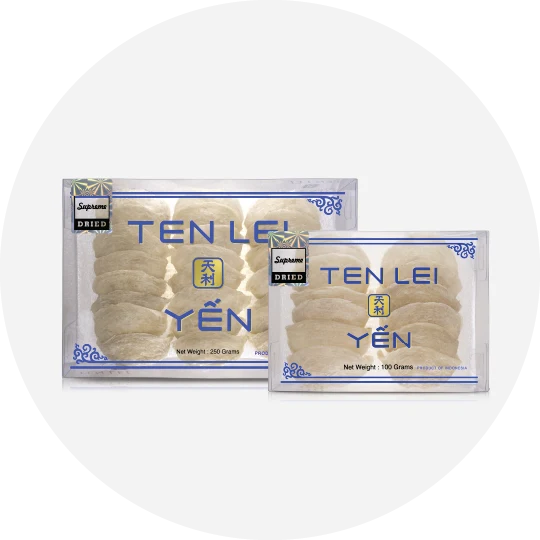
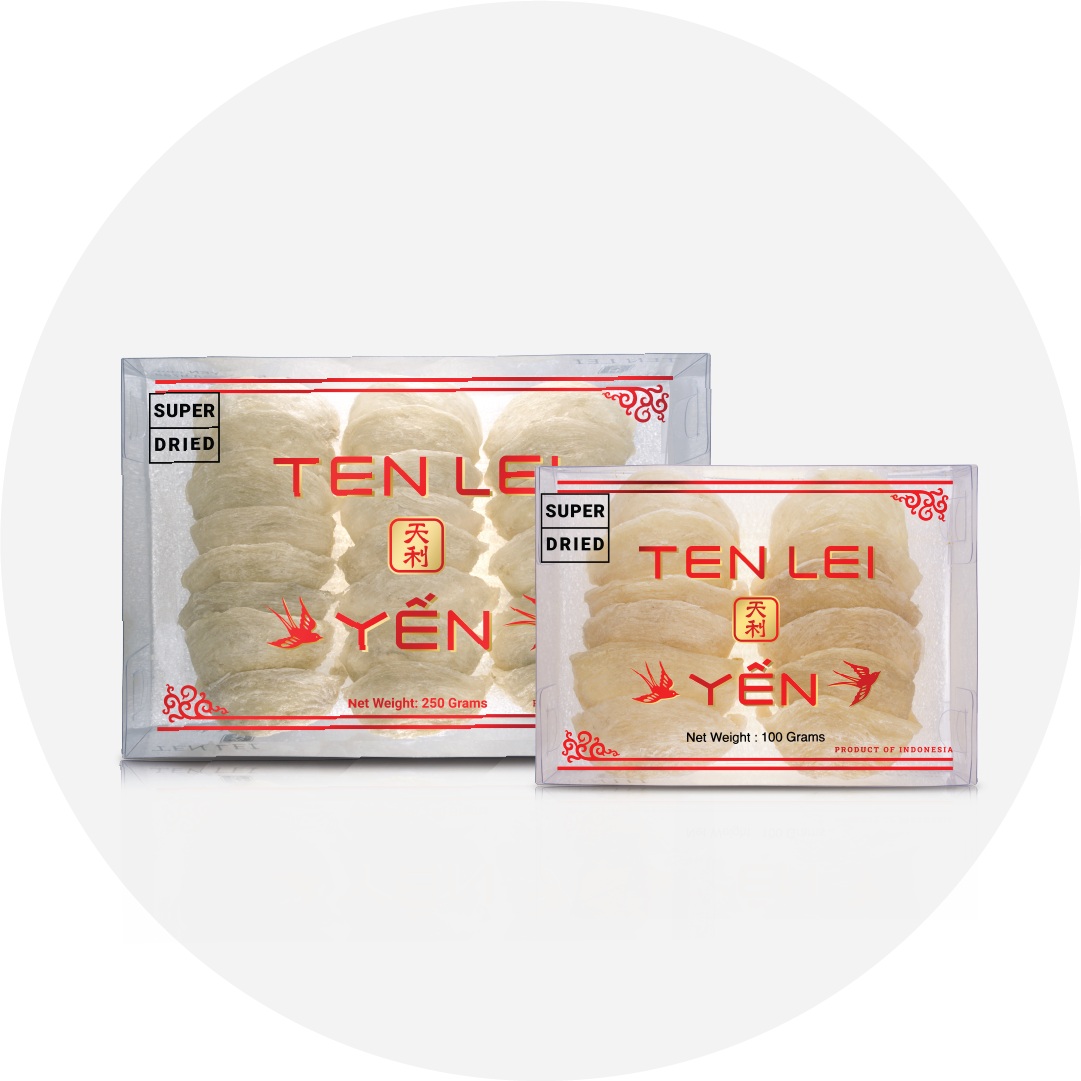
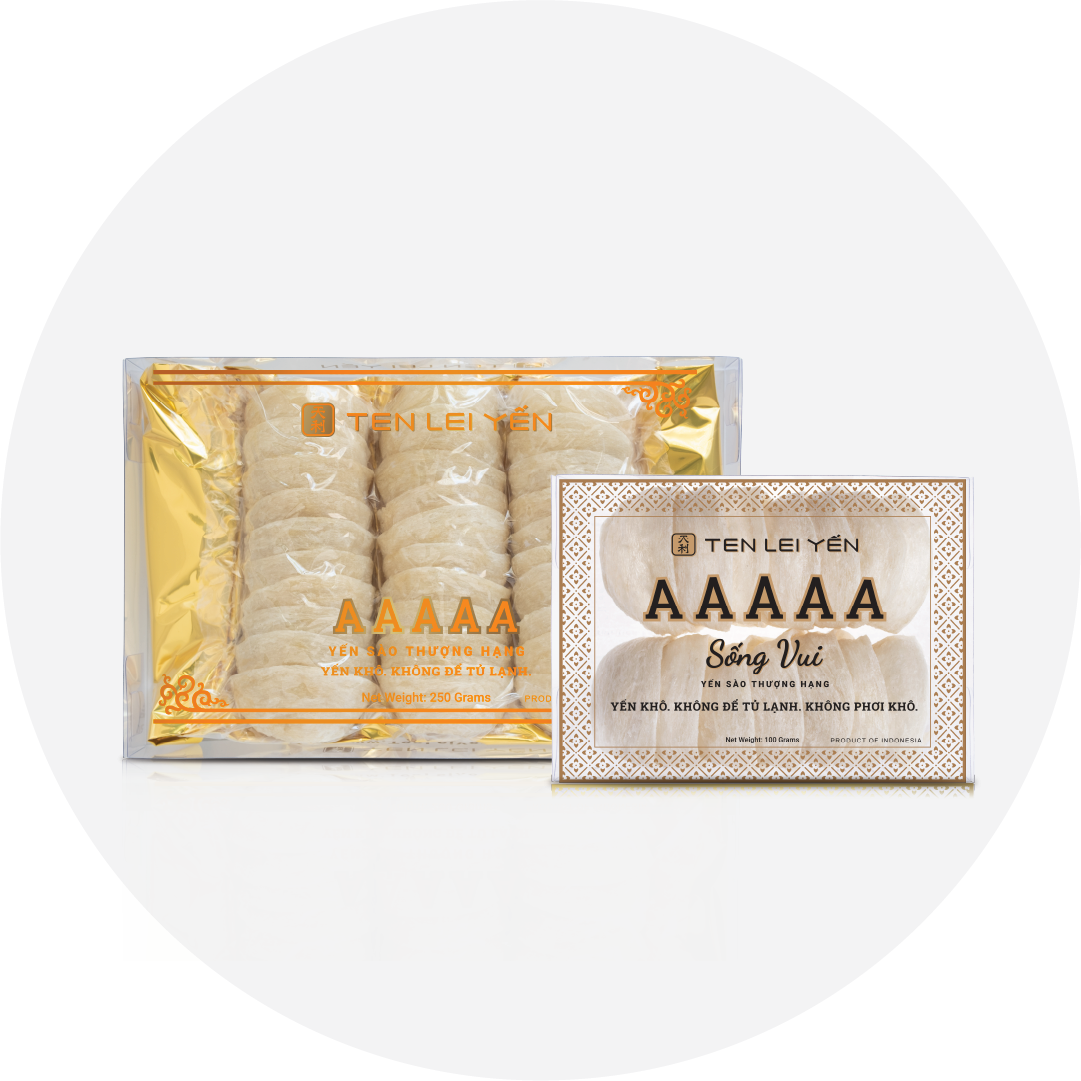
If you would like to explore our edible bird's nest selection, you can browse the Blue Label collection and the Red Label collection.
This article is general information about a food and how families typically prepare and introduce it. It is not medical or dietary advice. For decisions about your own child's diet, please consult your pediatrician.
Ten Lei Yen