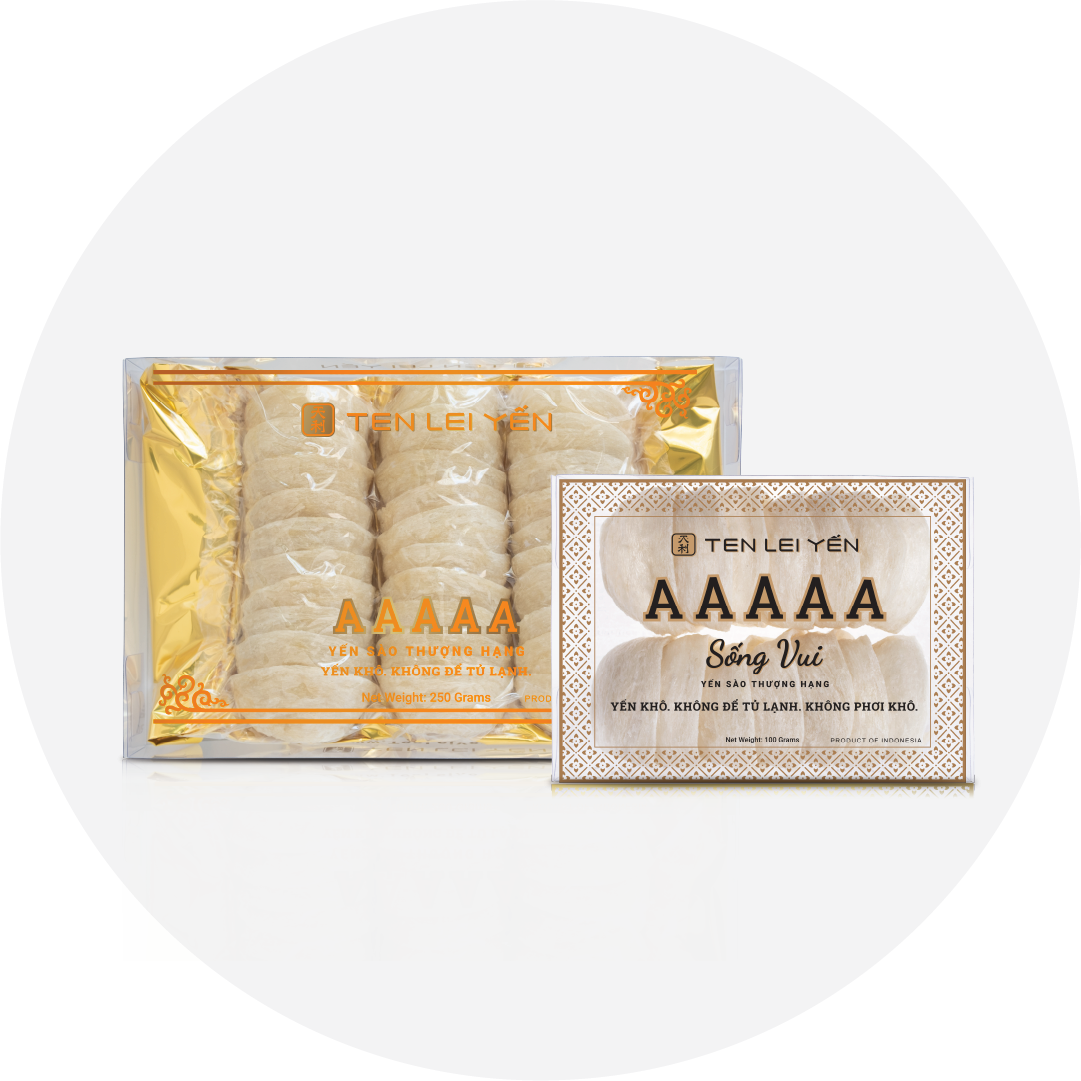
Indonesian edible bird's nest has a very mild, almost neutral taste on its own. It is not chosen for a strong or bold flavour. The defining quality is its smooth, gelatinous, jelly-like texture once cooked, which feels soft with a gentle, slightly chewy bite, a little like delicate glass noodles or a light pudding.

Regular price
$800
Sale price
$725
Key takeaways
- The raw nest tastes subtle and clean, with a faint hint of egg white and a very light oceanic note.
- Cooked nest has a silky, jelly-like texture with soft, separate strands.
- Lighter, whiter grades taste cleaner and more neutral; darker, reddish grades carry a slightly deeper, more mineral note.
- The nest readily absorbs whatever it is cooked with, so the seasoning shapes most of the flavour you taste.
- Soak 4 to 6 hours or overnight, then double-boil; white nest typically needs about 40 minutes.

What Indonesian edible bird's nest is
Edible bird's nest is the cup-shaped nest built by swiftlets from their own salivary strands. Indonesian house-farmed nests are among the most common on the market and are often described as clean, smooth and silky, with relatively few feathers or impurities. Because the strands are fine and even, the natural mild character comes through clearly once the nest is rinsed and cooked.
What it tastes and smells like
On its own, the aroma is light and clean rather than fishy or pungent. Most people notice a faint egg-white quality and a subtle, lightly oceanic or briny note, with a whisper of something faintly earthy. The flavour is understated, so first-time tasters often say it is far milder than they expected.
Texture when cooked
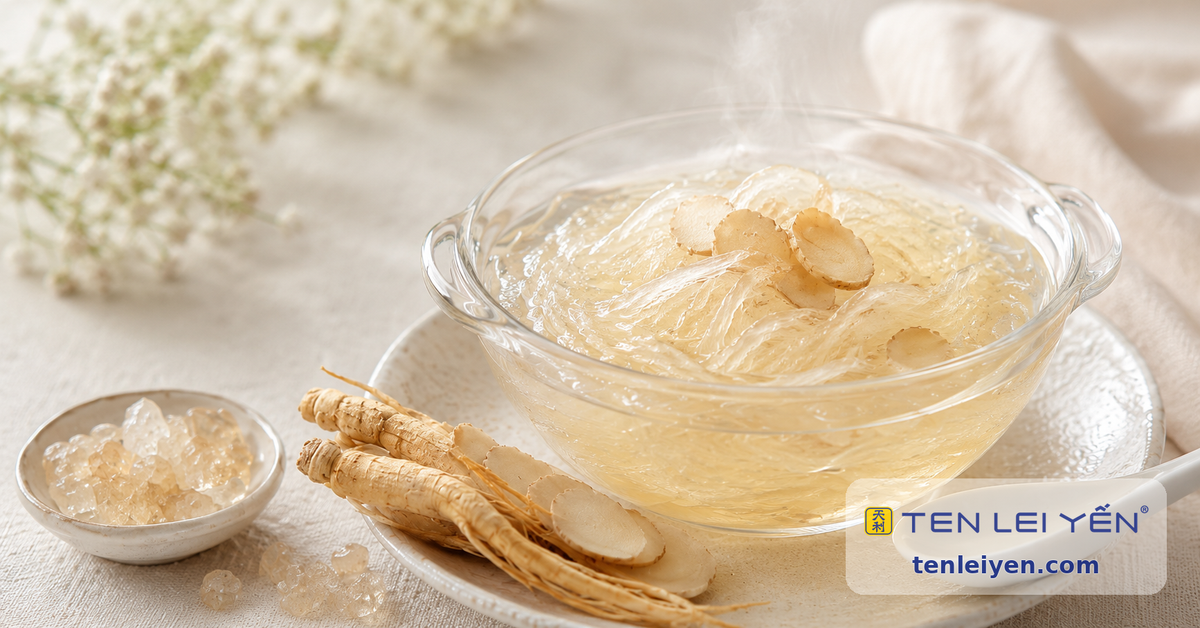
Texture is the main event. Properly soaked and gently cooked nest turns translucent and slippery, separating into soft strands suspended in liquid. The mouthfeel is smooth and supple with a gentle spring, never rubbery when cooked correctly.
How taste compares by grade and colour
Flavour shifts a little with grade and colour. Cleaner, whiter nests tend to taste the most neutral and delicate. Golden and reddish nests generally carry a slightly more pronounced, mineral-leaning note, though the difference is modest and still subtle overall. You can explore lighter grades in our Blue Label collection and deeper-toned grades in our Red Label collection.
How the flavour changes with cooking
Because the nest is so mild, the taste you experience depends largely on how it is prepared:
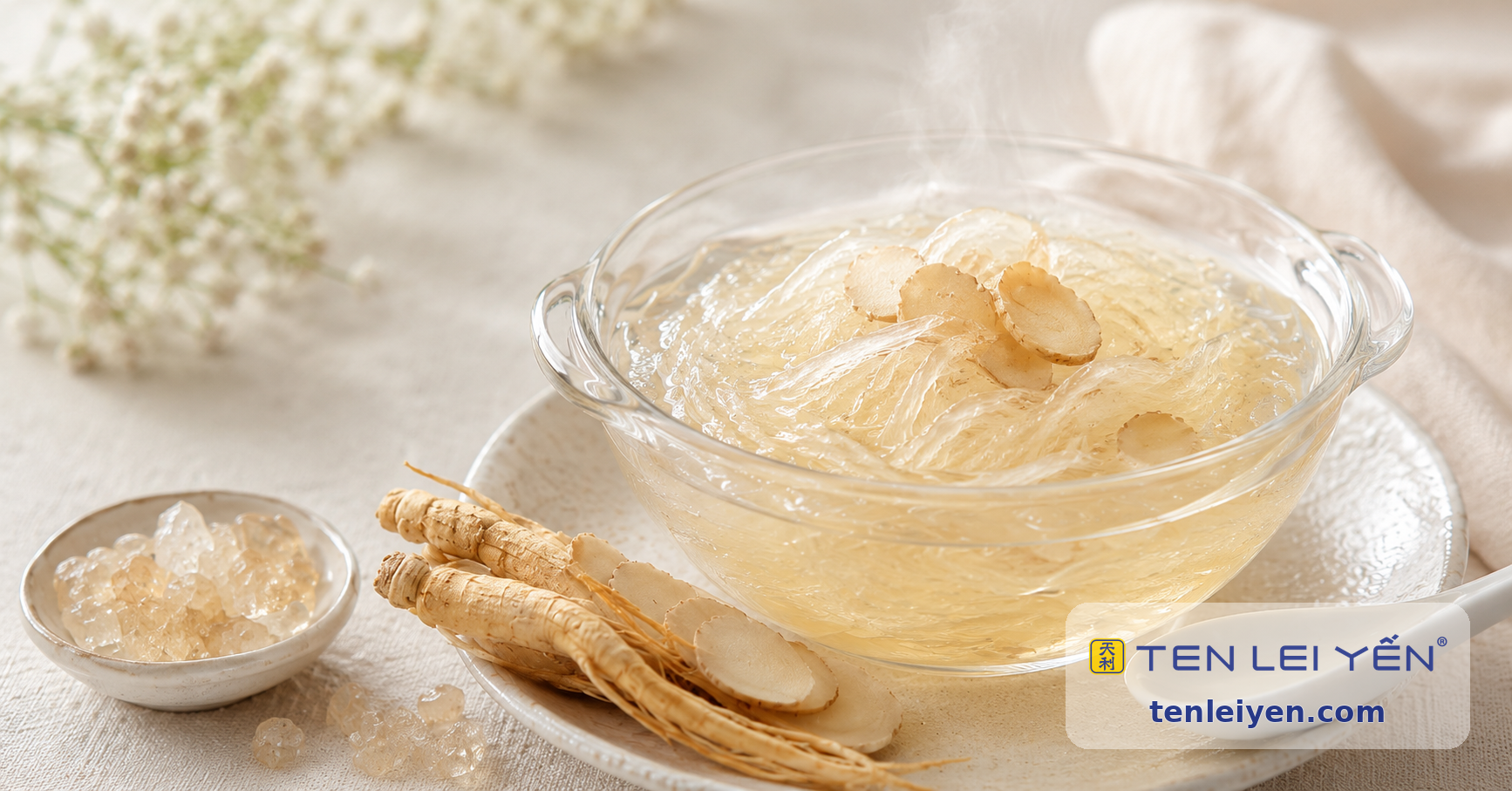
- Sweet style (the most popular): simmered with rock sugar and a little ginseng for a light, gently sweet result with a clean finish.
- Savoury style (common in many Indonesian homes): cooked in a clear chicken broth with herbs, picking up a mild, eggy-savoury character while staying delicate.
In both cases the nest adds body and a smooth mouthfeel rather than competing with the other ingredients.
How to prepare it at home
- Soak the dried nest in cool water for 4 to 6 hours, or overnight, until the strands loosen and expand.
- Gently rinse and lift away any stray feathers or fragments.
- Double-boil over simmering water. White nest is usually tender after about 40 minutes; denser grades may take a little longer.
- Add rock sugar, ginseng or broth near the end of cooking to keep the texture light.