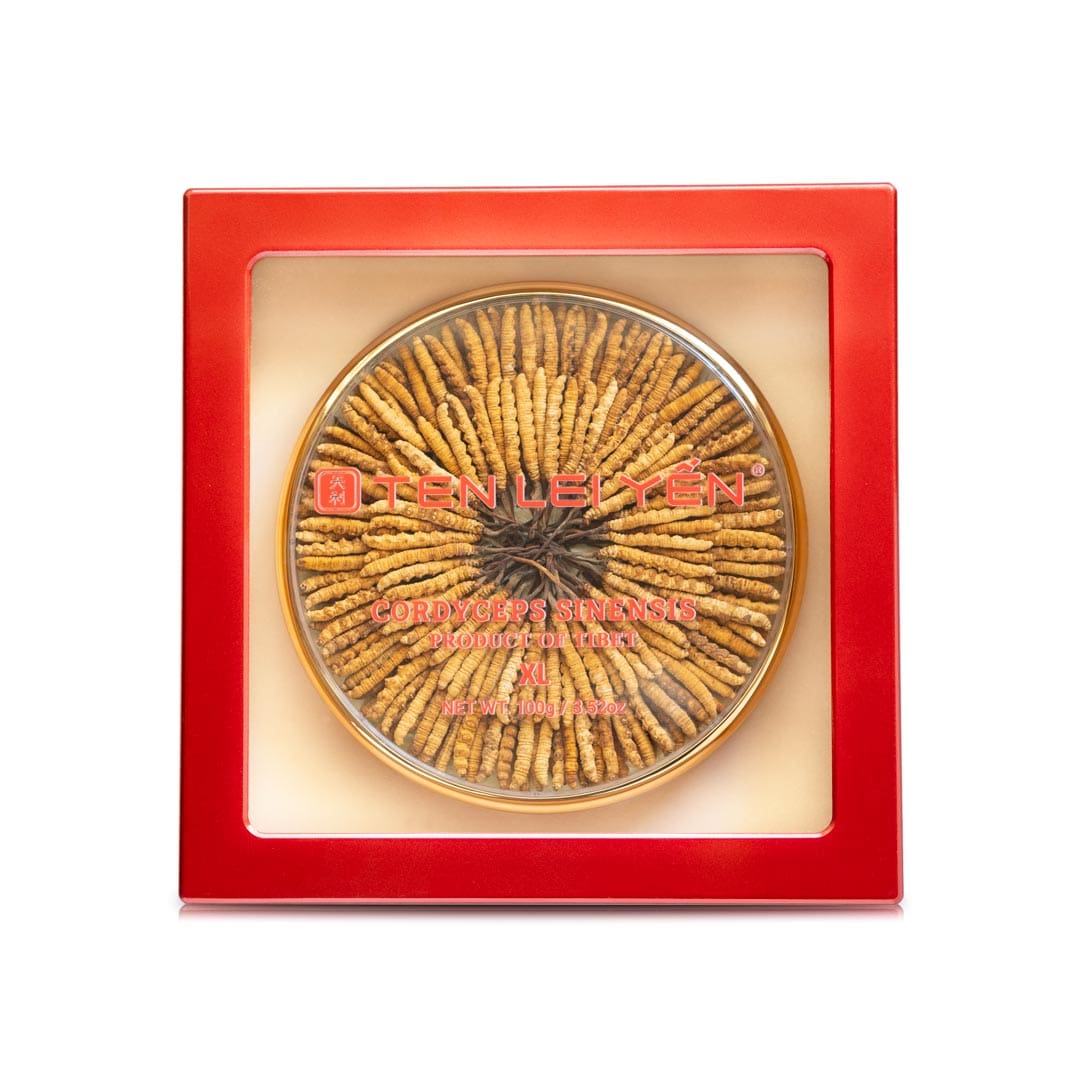
Before you buy cordyceps online, check six things: the species (wild sinensis or cultivated militaris), whether it is wild or cultivated, the origin, the net weight in grams, the size and cleanliness, and how transparent the seller is. Cordyceps is sold by weight and varies widely in form and price, so a clear listing tells you what you are actually paying for. Here is a practical checklist.
Key takeaways
- Know the species: wild Cordyceps sinensis (caterpillar and stalk) versus cultivated cordyceps militaris (orange, finger-like).
- Check the origin — premium wild sinensis often comes from the Tibetan Plateau, such as Nagqu.
- Cordyceps is sold by the gram; compare price per gram, not just the sticker price.
- Look for net dry weight, piece size or count, and cleanliness described clearly.
- Favor sellers who show real photos, label the species and origin honestly, and post a clear return policy.

1. Species: wild sinensis or cultivated militaris
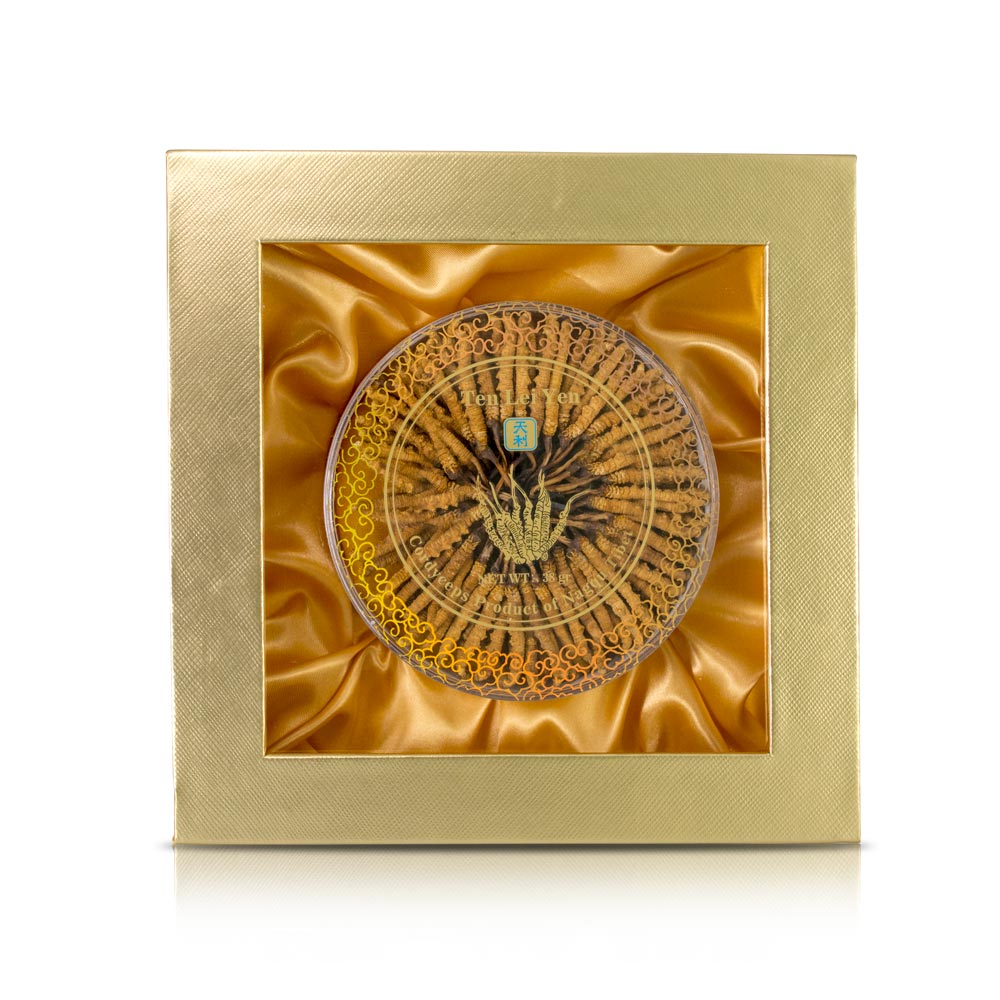
These are two different products. Wild Cordyceps sinensis is the caterpillar-and-stalk form from high mountain plateaus and sits at the premium end. Cordyceps militaris is cultivated on a grain substrate and looks like bright orange, finger-like stalks; it is more affordable and common in everyday cooking. A good listing states clearly which one you are buying. If you want the difference, see sinensis vs militaris explained.
2. Wild vs cultivated, and origin
Wild cordyceps is hand-collected in a narrow season and geography, which is why it costs more. For wild sinensis, origin matters — the Tibetan Plateau region of Nagqu is especially sought after. Cultivated militaris is grown indoors year-round. Look for the origin to be named rather than left vague.
3. Net weight, size, and cleanliness
Because cordyceps is sold by weight, the net dry weight in grams is the key number. Listings often also give a size or a rough pieces-per-gram count — larger, more intact pieces usually cost more per gram. Check that the pieces are described as clean and whole, not broken or full of soil.
4. Compare price per gram
To compare two listings fairly, divide the price by the grams. A larger package can look expensive but cost less per gram, and a small package can be the opposite. Our guide to comparing cordyceps value by the gram, the piece, and the box walks through this.
5. Seller transparency
Trust the listing that tells you the most. Look for:
- Real photos of the actual product, not only stock images.
- The species and origin stated plainly.
- Net weight, grade or size, and cleanliness described.
- A clear return and refund policy.
For more, see what an honest cordyceps label should tell you and wild cordyceps grades.
Ready to shop? Browse Wild Cordyceps and Cultivated Cordyceps.
Frequently asked questions
Is wild or cultivated cordyceps better to buy?
Neither is simply "better." Wild sinensis is the premium, hand-collected form; cultivated militaris is more affordable and easy to cook with. Choose based on your budget and use.