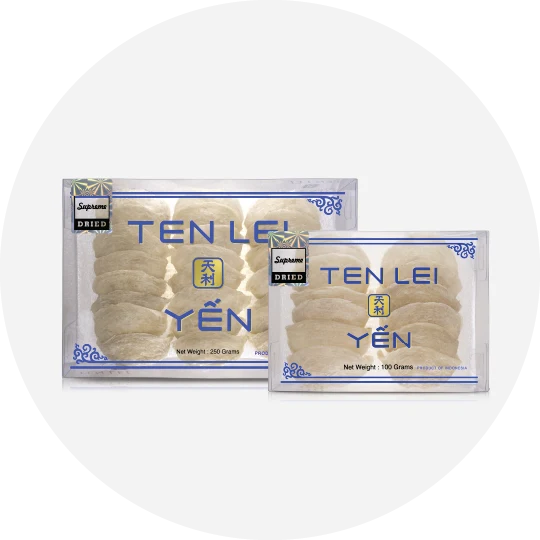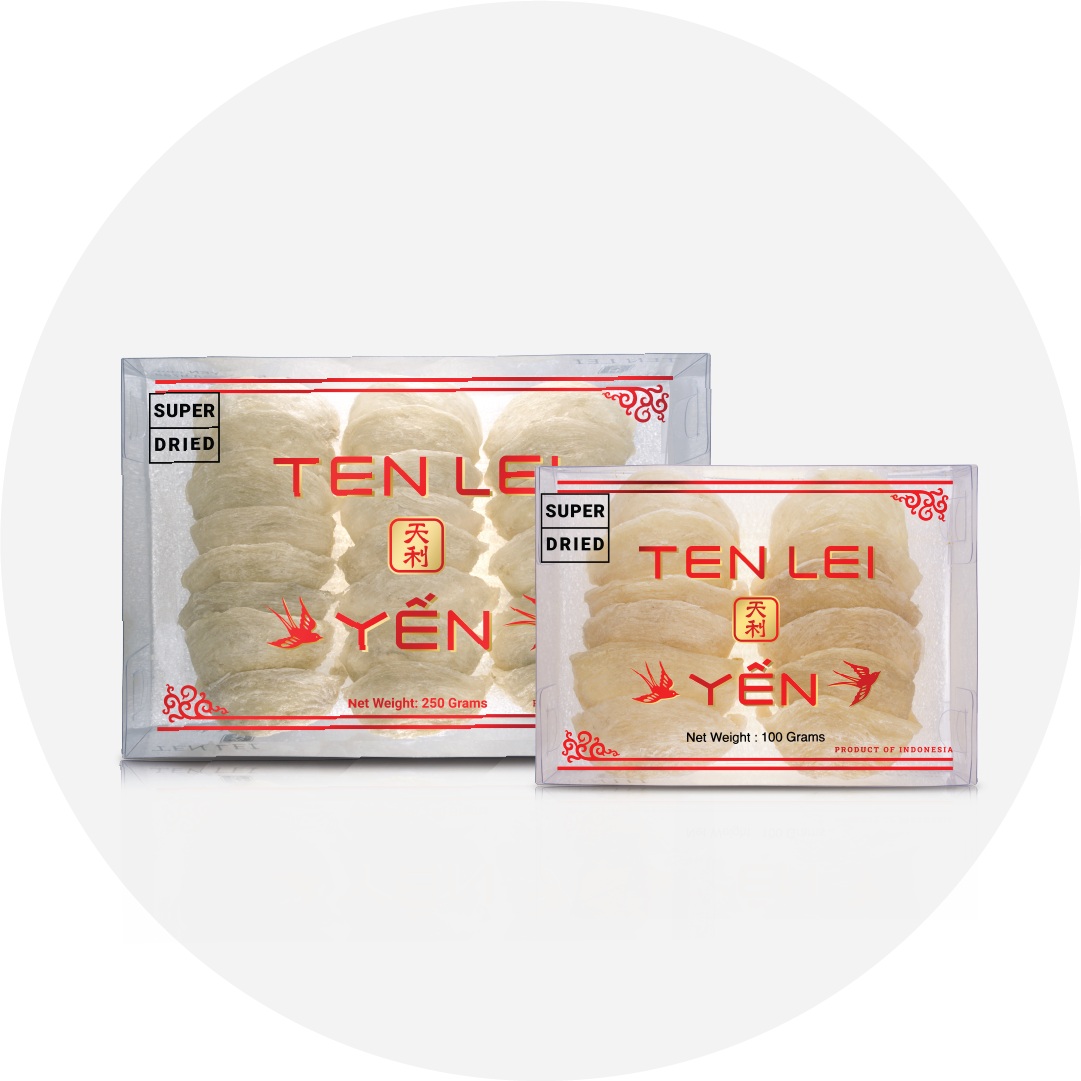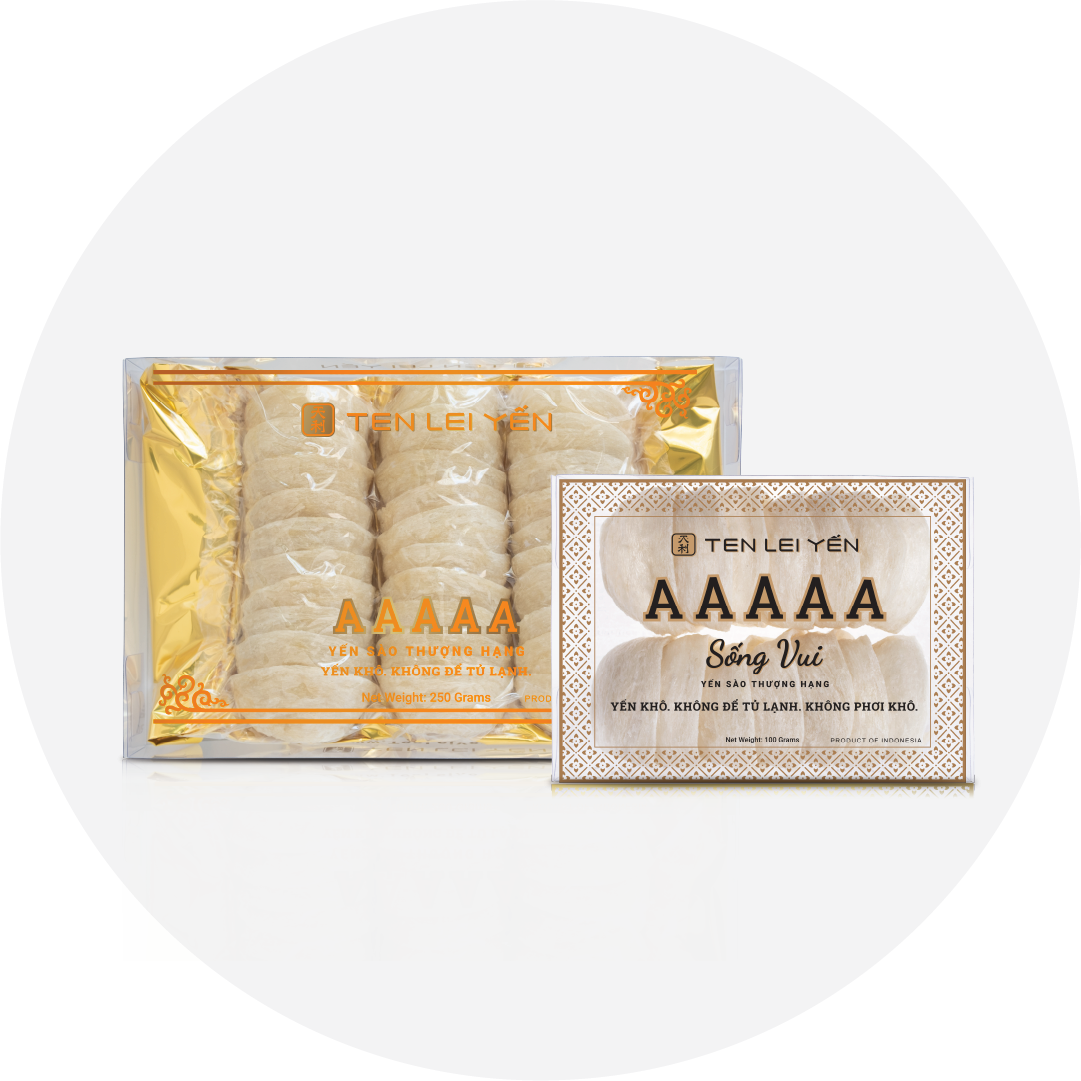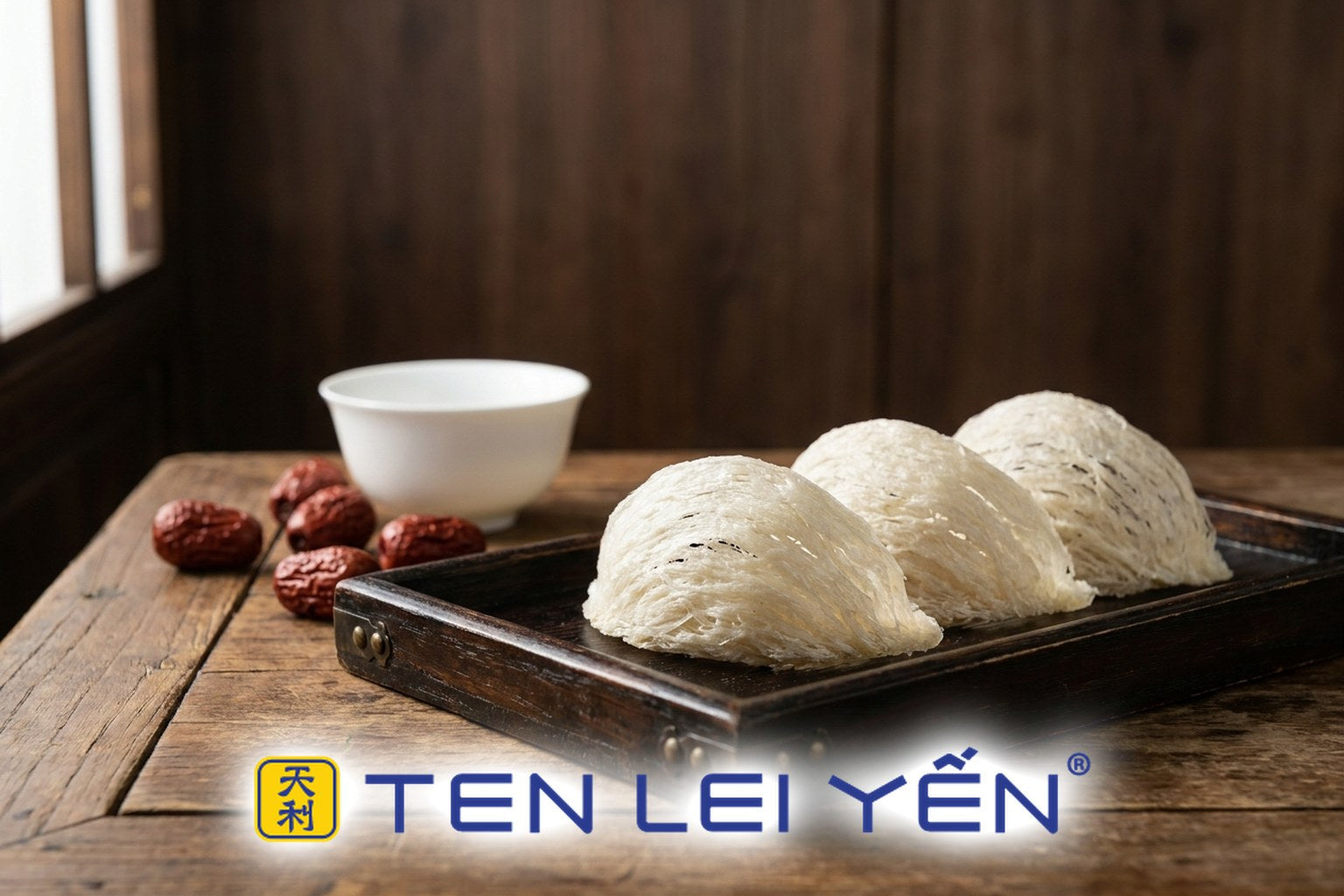
Edible bird's nest has been treasured for centuries because it was rare, difficult to gather, and reserved for the most important tables. Built by swiftlets from strands of their own hardened saliva, cleaned by hand, and available only in small quantities, it became a symbol of status, hospitality, and careful craft, a reputation it still carries today.
Key takeaways
- Bird's nest earned its prestige through rarity and labor, not marketing.
- It was long served at banquets, celebrations, and formal gatherings as a sign of respect for guests.
- Its value comes from the difficulty of harvesting and cleaning each nest by hand.
- Today it remains a refined gift, chosen for its heritage, texture, and quality tiers.

A delicacy defined by rarity
Swiftlets build their nests high on cave walls and, later, inside purpose-built houses. Each nest is small, and a swiftlet builds only a limited number each year. Gathering them safely, often from tall cave ceilings, was demanding and sometimes dangerous work. Because supply was always limited and the effort was high, bird's nest was costly from the start and available mainly to those who could afford a luxury.
A dish for celebrations and honored guests
Across East and Southeast Asia, bird's nest became a centerpiece of formal dining. Serving it signaled that no expense had been spared and that guests were held in high regard. It appeared at weddings, New Year gatherings, and banquets, often prepared simply, double-boiled with rock sugar so its delicate texture could be appreciated on its own. Offering bird's nest was, and still is, a gesture of hospitality and respect.
Prized for craft, not only scarcity
Part of the prestige comes from what happens after harvest. Raw nests contain fine feathers and natural bits that must be soaked and picked out strand by strand, patient handwork that can take hours per nest. A clean, whole, well-formed nest reflects skilled preparation, which is why grading and presentation matter so much in the trade. For how the pieces themselves vary, see our guide to nest cups, boats, and strips.
Why it is still prized today
Modern buyers value bird's nest for the same reasons: limited supply, hand-cleaning, and a light, silky texture that carries flavors like ginseng, red dates, and rock sugar beautifully. It remains a considered gift for milestones and holidays, chosen in tiers from everyday to premium. Explore our 5A white nest, Red Label, and Blue Label Supreme selections to see the range.