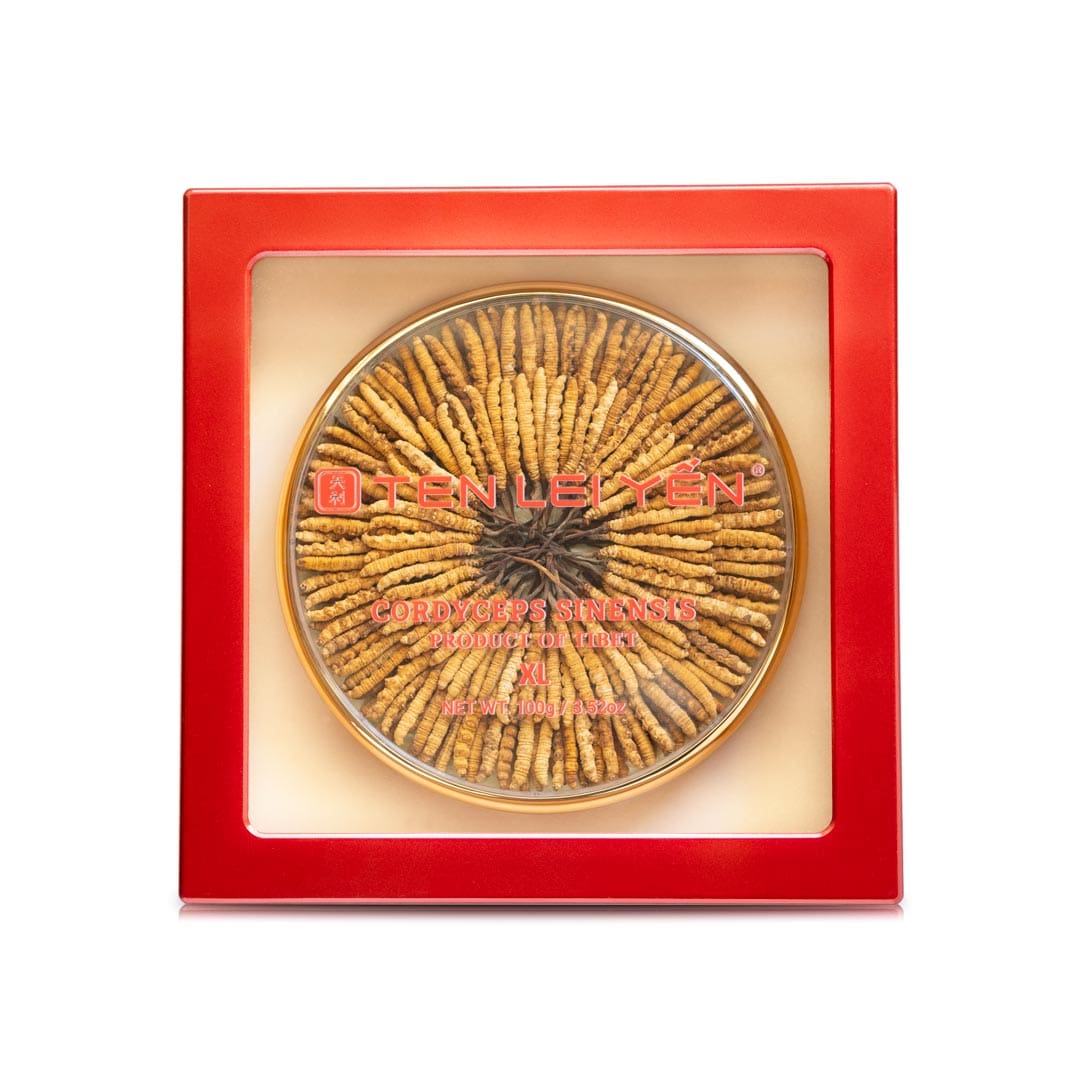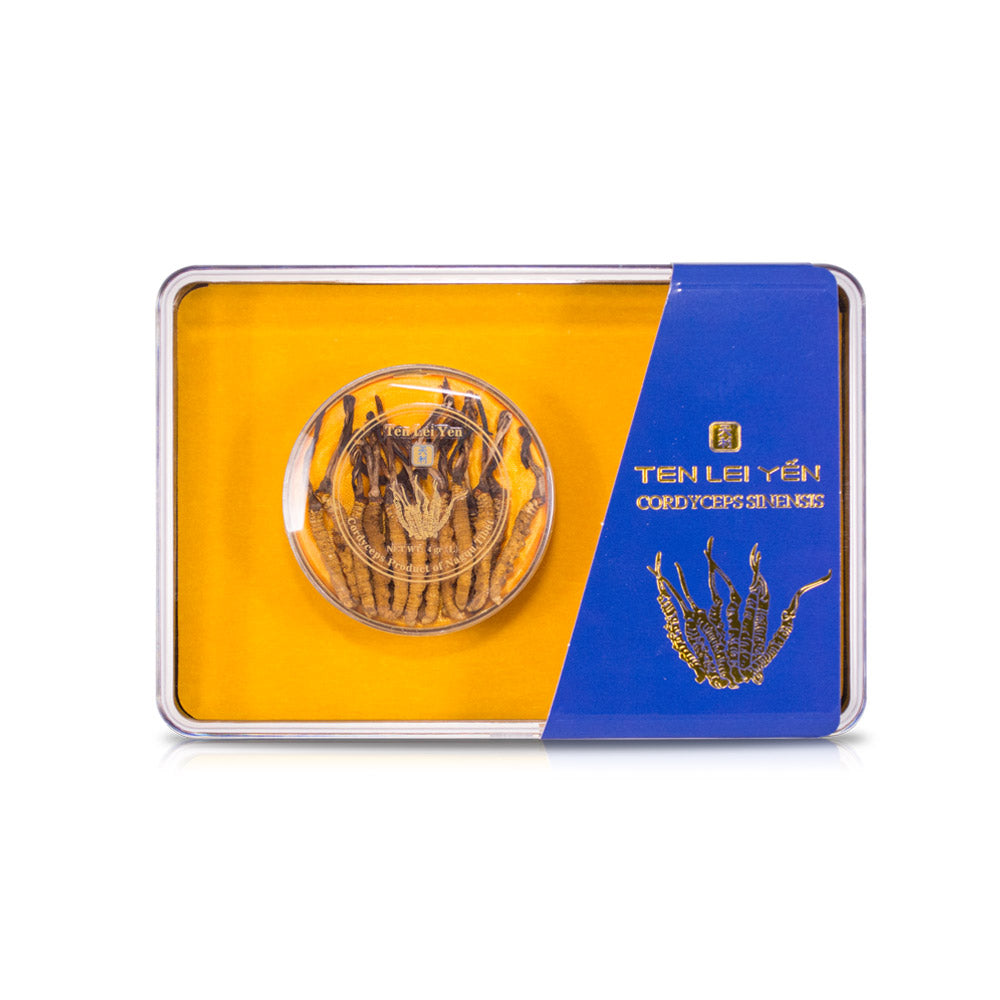
Whole, intact wild cordyceps costs more than broken pieces of the same size and origin, but broken cordyceps is often the smarter buy for everyday cooking. If you have seen the same wild cordyceps offered as whole and as broken at different prices, here is what intactness actually changes, and when to choose each.
Key takeaways
- Whole cordyceps has the caterpillar body and stalk fully attached and unbroken.
- Broken cordyceps is the same species and origin, just in fragments.
- Whole pieces cost more, mostly for appearance and gifting; broken pieces offer better value per gram.
- For soups, teas, and powders, broken cordyceps works just as well.
What whole and broken mean
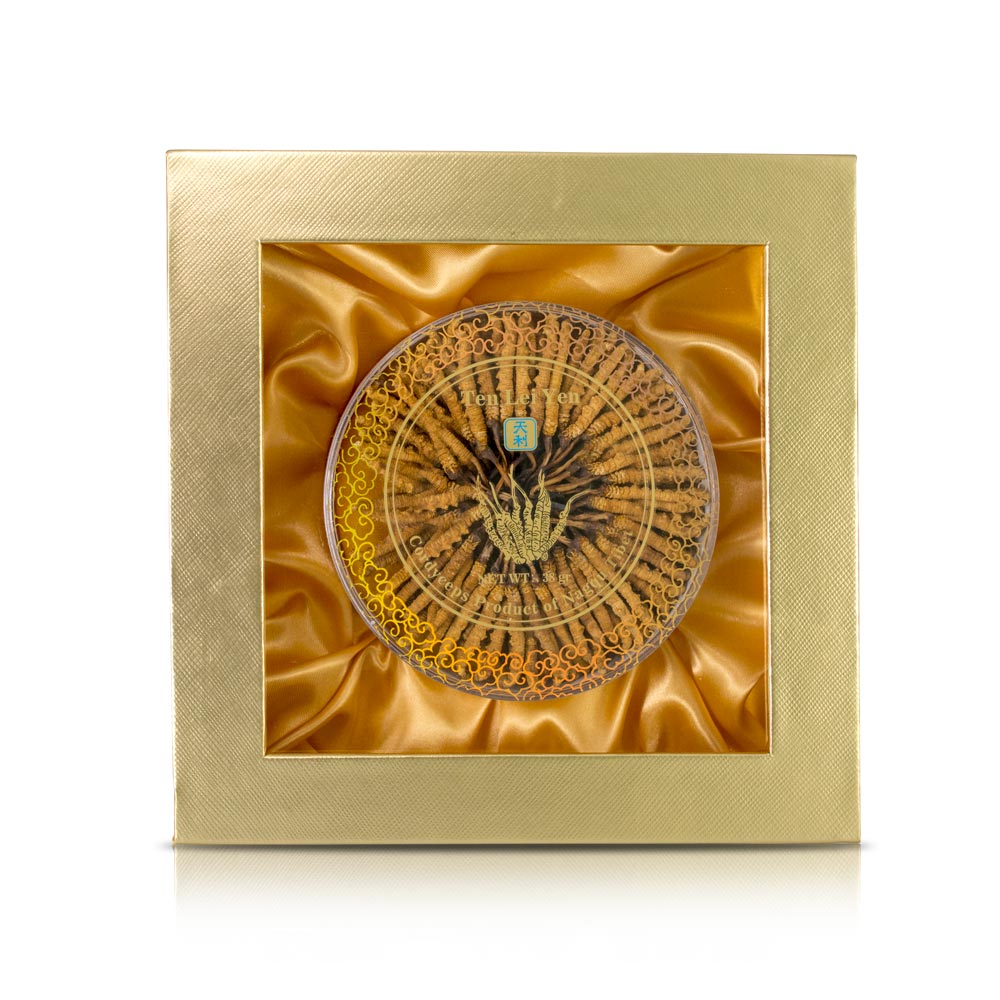
Whole wild cordyceps is a complete specimen: the plump caterpillar body and its single stalk still joined, with nothing snapped off. Broken cordyceps is the same wild cordyceps, often the same grade, size, and origin, that has fragmented into pieces, with bodies and stalks separated or cracked. Breakage happens naturally during digging, drying, sorting, and shipping; it is not a sign of a different or lower-quality product.
Why whole pieces cost more
The premium on whole cordyceps is mostly about presentation and grading. Intact specimens are easier to grade and count, look impressive in a case or gift box, and let a buyer inspect each piece. Because appearance carries a premium in this market, whole pieces of a given size command a higher price than broken pieces of the same size and origin.

When broken cordyceps is the better buy
If you plan to cook the cordyceps, whether a double-boiled soup, a broth, a tea, or ground into powder, the pieces end up simmered or broken down anyway, so intactness makes little practical difference. In those cases broken cordyceps usually gives you more grams for your money at the same grade. Buy whole when appearance matters: gifting, display, or when you want to inspect and hand-select each piece.
How to compare fairly
Compare whole and broken only within the same size and origin, and on a price-per-gram basis. A large-size broken lot can be a better value than a smaller whole one. Check that broken cordyceps is still clean and clearly wild sinensis, showing the caterpillar body plus stalk even if they are separated. For how size and origin set the grade, see how wild cordyceps is graded. Ten Lei Yen offers whole wild cordyceps from Nagqu, Tibet, and cultivated cordyceps; see current cordyceps offers.
By Alina @ TLY