By Alina @ TLY
Wild Cordyceps sinensis is graded mainly by size, measured as the number of pieces (roots) it takes to make one gram or 500 grams. Fewer, larger pieces per gram means a higher grade. Graders also look at whether pieces are whole and intact with the stalk attached, the color and firmness of the body, overall cleanliness, and the growing region. Together these factors decide the size grade you see on a label and the price a piece commands.
Key takeaways
- Size is the headline grade. Fewer pieces per gram (or per 500 g) means larger pieces and a higher grade.
- Whole beats broken. Intact pieces with the caterpillar body and stalk still joined are graded above snapped or fragmented ones.
- Look for a plump, tan-golden, firm body rather than shriveled or damp pieces.
- Clean pieces carry minimal soil and have nothing inserted to add weight.
- Region matters. Pieces from the high Tibetan Plateau, such as Nagqu, are especially prized.
The main grading factors
Size: pieces per gram
The most common way to grade and price wild cordyceps is by counting how many pieces make up a set weight, usually one gram or 500 grams. A batch that needs only two pieces to reach a gram is made of large, heavy individual pieces; a batch that needs four or five smaller pieces to reach the same gram sits in a lower size grade. On packaging you may see this written as a count per 500 g, for example "around 900 pieces" versus "around 2,000 pieces" — the lower the count, the larger each piece.
Whole and intact
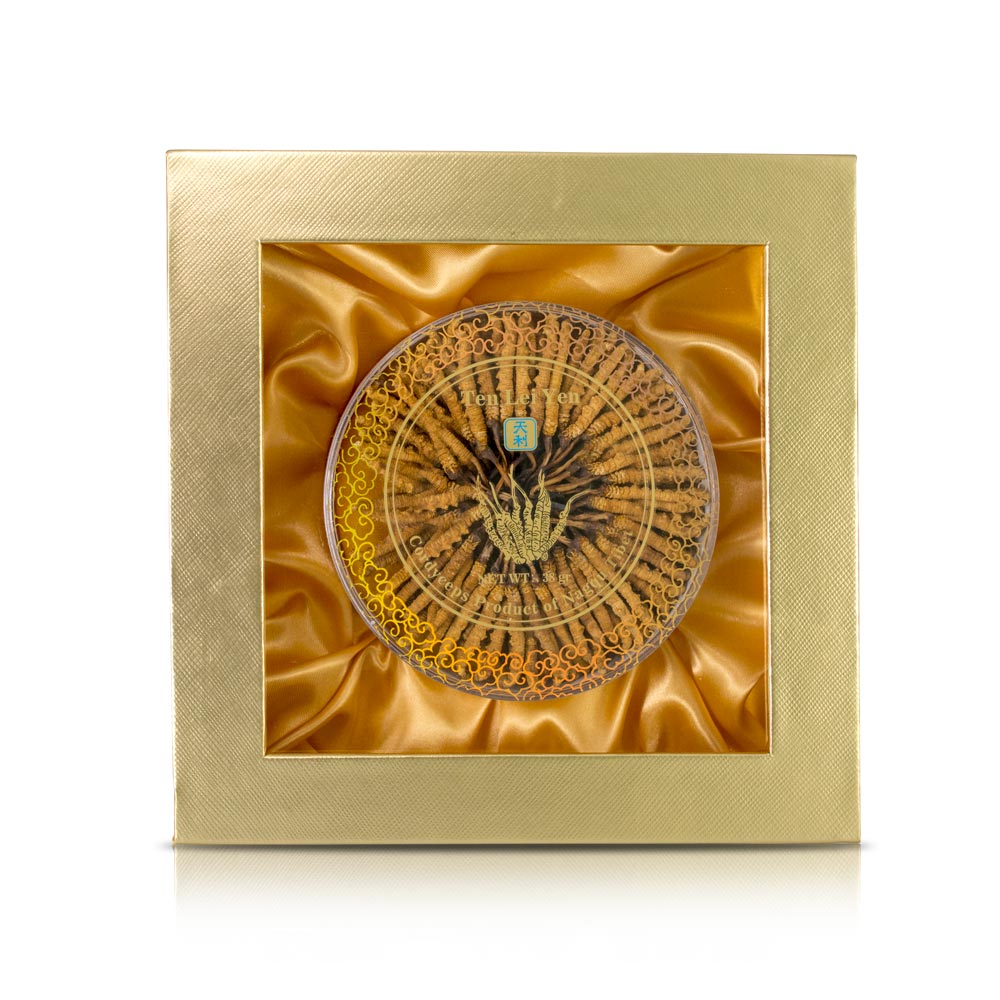
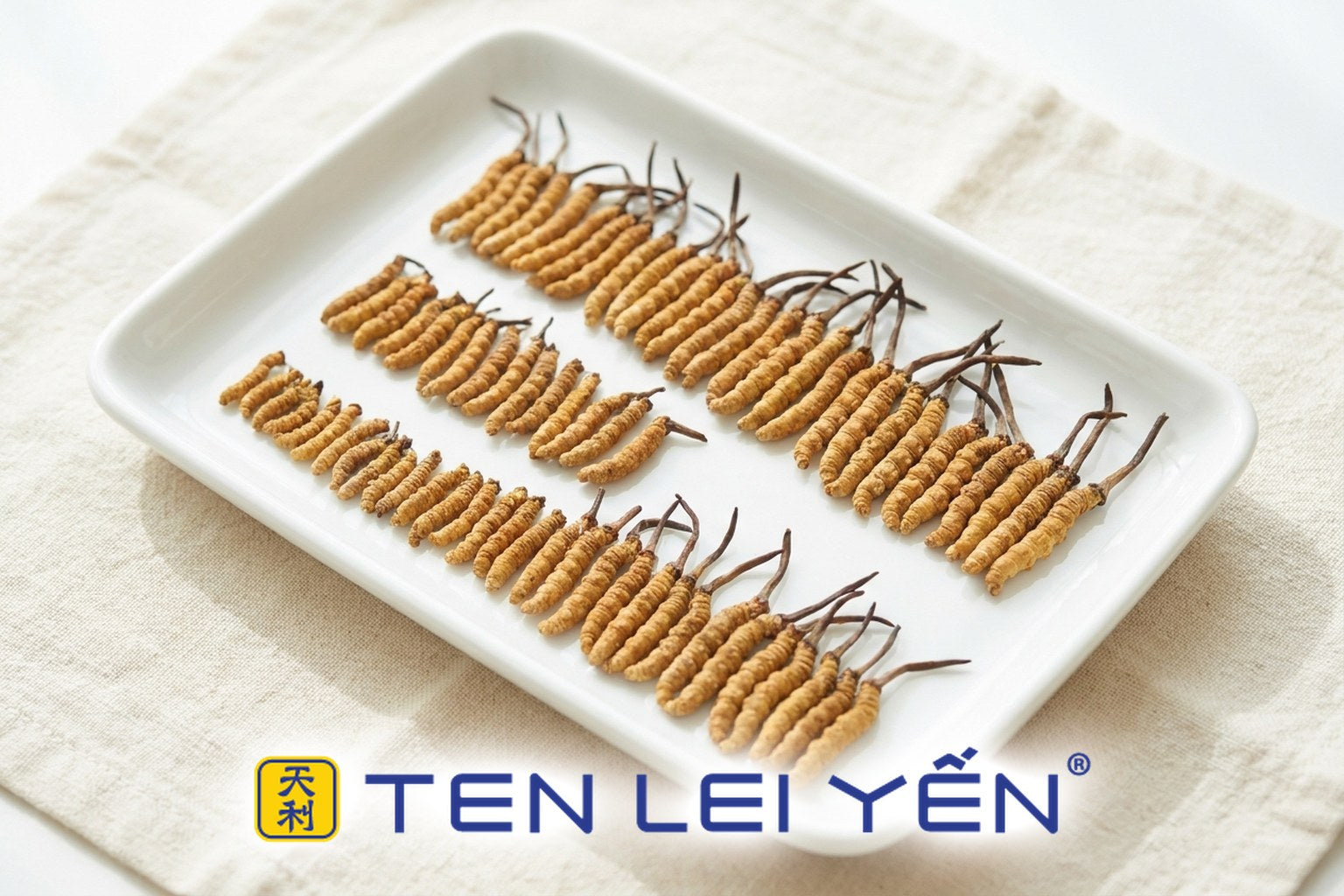
A complete piece has the segmented caterpillar body with a single slender stalk still attached at the head. Whole, unbroken pieces are graded higher than pieces that are snapped, headless, or missing the stalk. Breakage happens during harvest and handling, so intactness is one of the clearest signs of careful sorting.
Color and firmness
Graders favor a plump, tan-golden body that is dry and firm to the touch. Pieces that look shriveled, overly dark, or feel damp are sorted downward. Firmness also reflects proper drying, which keeps pieces stable in storage.

Cleanliness and authenticity
Higher grades carry only a light dusting of soil rather than caked-on dirt. Buyers also check that nothing has been inserted into a piece to add weight, a practice that clean, honestly graded cordyceps avoids. A piece that feels unexpectedly heavy or dense for its size is worth a closer look.
Region
Wild cordyceps grows across high-altitude meadows of the Tibetan Plateau and neighboring ranges. Pieces from certain areas, most famously Nagqu, are especially sought after and are often labeled by origin. Region is frequently listed alongside the size count on a grade description.
How to read a size grade when buying
When comparing options, start with the pieces-per-gram or pieces-per-500-g figure: a lower count points to larger pieces. Then confirm the pieces are whole with stalks attached, check for a firm tan-golden body, and note the stated region. Reading these details together tells you far more than a single label word like "premium." You can browse graded options in our wild cordyceps collection.
Why bigger pieces cost more
Large, whole, clean pieces are simply less common in any harvest, so they sit at the top of the size ladder and cost more per gram. Smaller pieces are more plentiful and more affordable, which is why many buyers choose a size grade to match their budget and use. If you prefer a steadier supply or a lower price point, cultivated cordyceps is graded and sold separately.
How Ten Lei Yen offers graded sizes
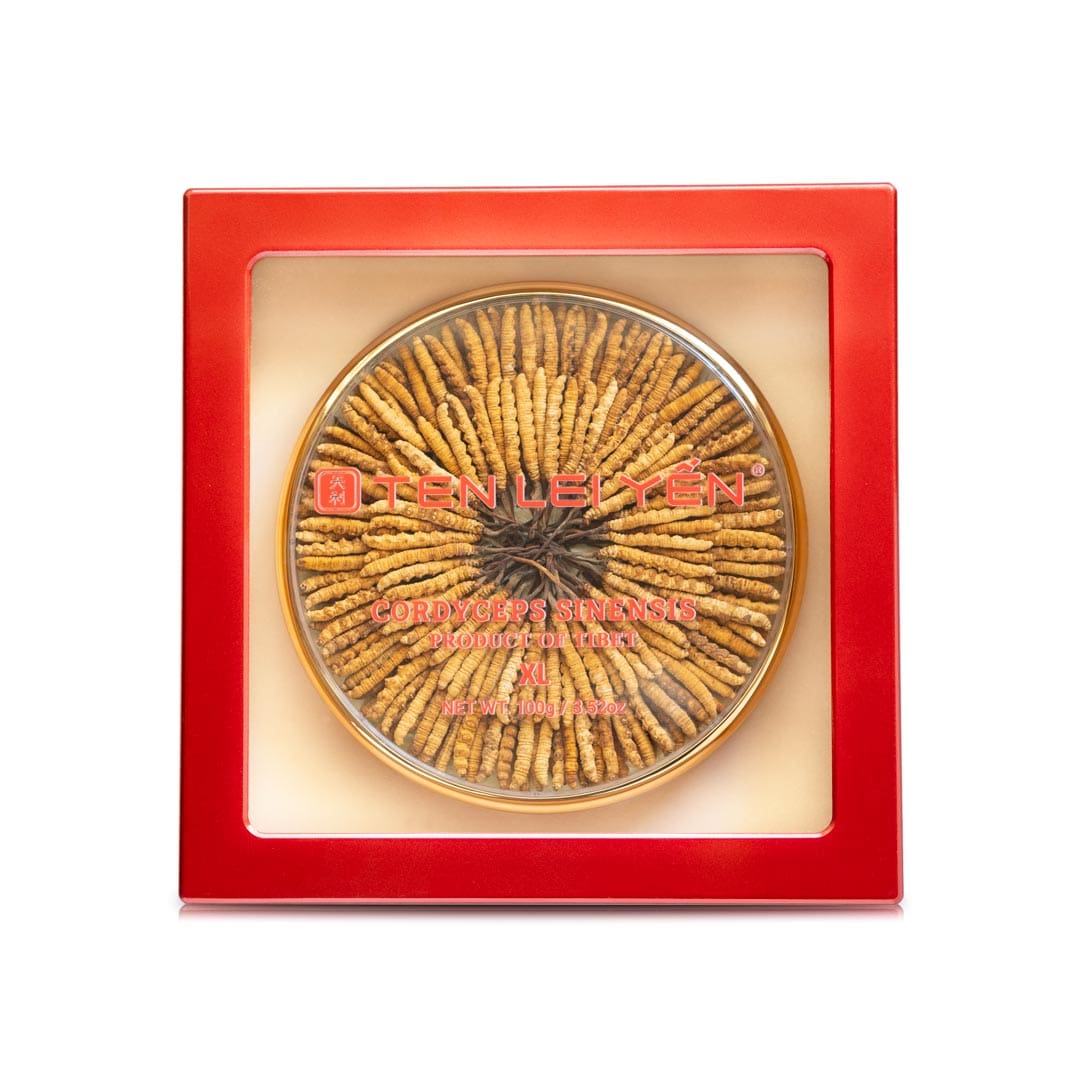
We sort wild cordyceps into clear size grades, typically from small through large and extra-large, so you can choose the count and piece size that suit you. Each grade is selected for whole, intact pieces, a firm tan-golden body, and clean presentation. Look out for seasonal value on our cordyceps promotions page.