By Alina @ TLY
Edible bird's nest is built by swiftlets - chiefly the edible-nest (white-nest) swiftlet - from strands of their own hardened saliva, and the nest Ten Lei Yen sells comes from Indonesia, the world's largest producer. Indonesian nest is gathered across several island regions, including Java, Kalimantan (Borneo), Sulawesi, and Sumatra. Nests form in two very different settings: natural caves and purpose-built "swiftlet houses." Where a nest is gathered, and in which environment, shapes its appearance, cleanliness, and price.
Key takeaways
- Bird's nest is made by swiftlets from their own hardened saliva, not from twigs, leaves, or plant material.
- Indonesia is the world's largest producing country, and it is where Ten Lei Yen sources its nest.
- Production is spread across Indonesian islands such as Java, Kalimantan (Borneo), Sulawesi, and Sumatra.
- The two nest environments are natural caves ("cave nests") and purpose-built swiftlet houses ("house nests").
- Region and environment influence color, strand tightness, cleanliness, and grade.
- Ten Lei Yen sources by grade, so each label reflects a consistent shape, color, and cleanliness.
What is bird's nest, and which bird makes it?
Edible bird's nest is the cupped nest of small swiftlets native to Southeast Asia, most importantly the edible-nest (or white-nest) swiftlet. Instead of gathering twigs, these birds secrete fine threads of saliva from glands under the tongue. The saliva hardens in the air into a shallow, half-cup shape of tightly woven strands anchored to a wall or ceiling. Once carefully cleaned and dried, that structure is the raw bird's nest that reaches buyers.
Where does bird's nest come from? Indonesia's producing regions
Indonesia is the world's largest producer of edible bird's nest, accounting for the majority of global supply. Its thousands of islands, long coastlines, and year-round tropical climate suit swiftlets well, and production is spread across several regions rather than one.
Java
Java is one of Indonesia's longest-established nest regions. Its coastal towns are home to many swiftlet houses, and its limestone coast has been a source of cave nest for generations. Many cleaning and grading workshops also operate on the island.
Kalimantan (Borneo)
Kalimantan, the Indonesian part of Borneo, has both large limestone cave systems and a fast-growing number of swiftlet houses. Its forests and rivers support the abundant flying insects that swiftlets feed on.
Sulawesi
Sulawesi's long coastlines and karst hills support both house nests and cave nests, and the island is a steady contributor to Indonesian supply.
Sumatra
Sumatra, particularly along its eastern coast, has a large and well-developed swiftlet-house industry, making it one of the country's most important sources of house nest.
Why Indonesia?
Swiftlets thrive in warm, humid, coastal tropics. Indonesia's steady heat, high humidity, and abundant flying insects give the birds year-round conditions to feed and build. Limestone coastlines and karst hills full of caves, together with coastal towns where swiftlet houses are built, provide both the natural cliffs and the man-made buildings that swiftlets will colonize.

Cave nests vs. house nests
Cave nests form on the walls of natural caves and limestone caverns. They are harvested by hand, often from height, and can carry more natural mineral color and a firmer texture. House nests form inside purpose-built swiftlet houses - concrete or timber buildings, usually near the coast, that play recorded swiftlet calls to attract wild birds which come and go freely. Because the interior is more sheltered, house nests are often cleaner and more uniform in shape. Indonesia produces both.
How region and environment affect grade and price
Color, strand tightness, cup shape, and how much cleaning a nest needs all vary by region and setting. Cleaner, more intact, tightly woven nests reach higher grades and prices, while nests that need heavier cleaning or have more breakage sit lower on the scale. This is why the same swiftlet species can yield a wide range of products, even within one country.
How Ten Lei Yen sources graded nest
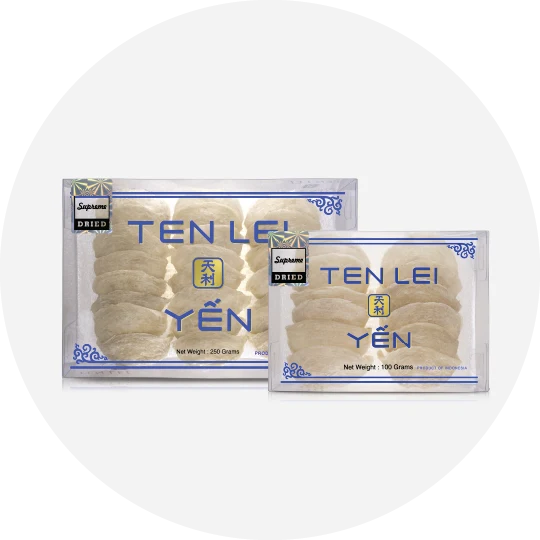
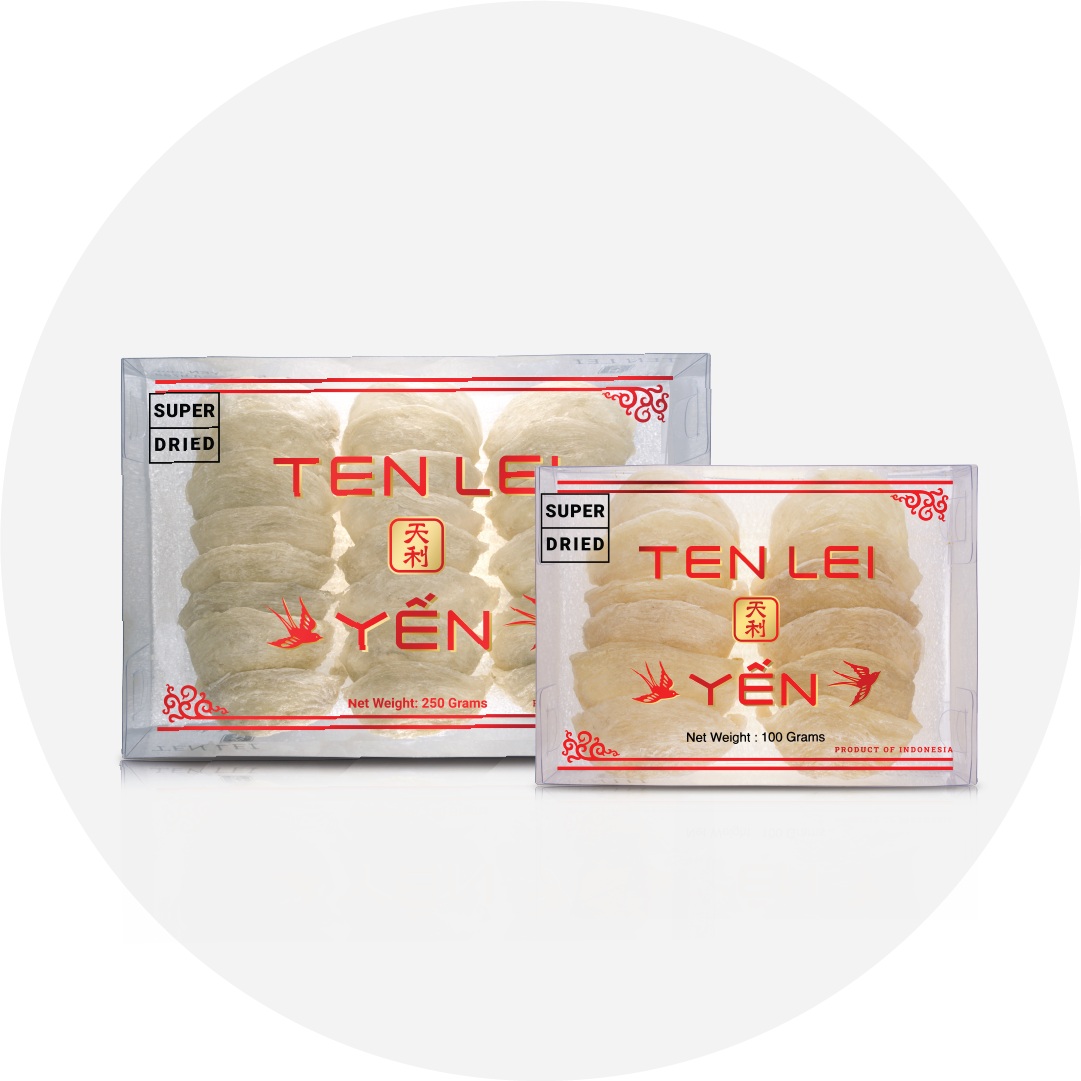
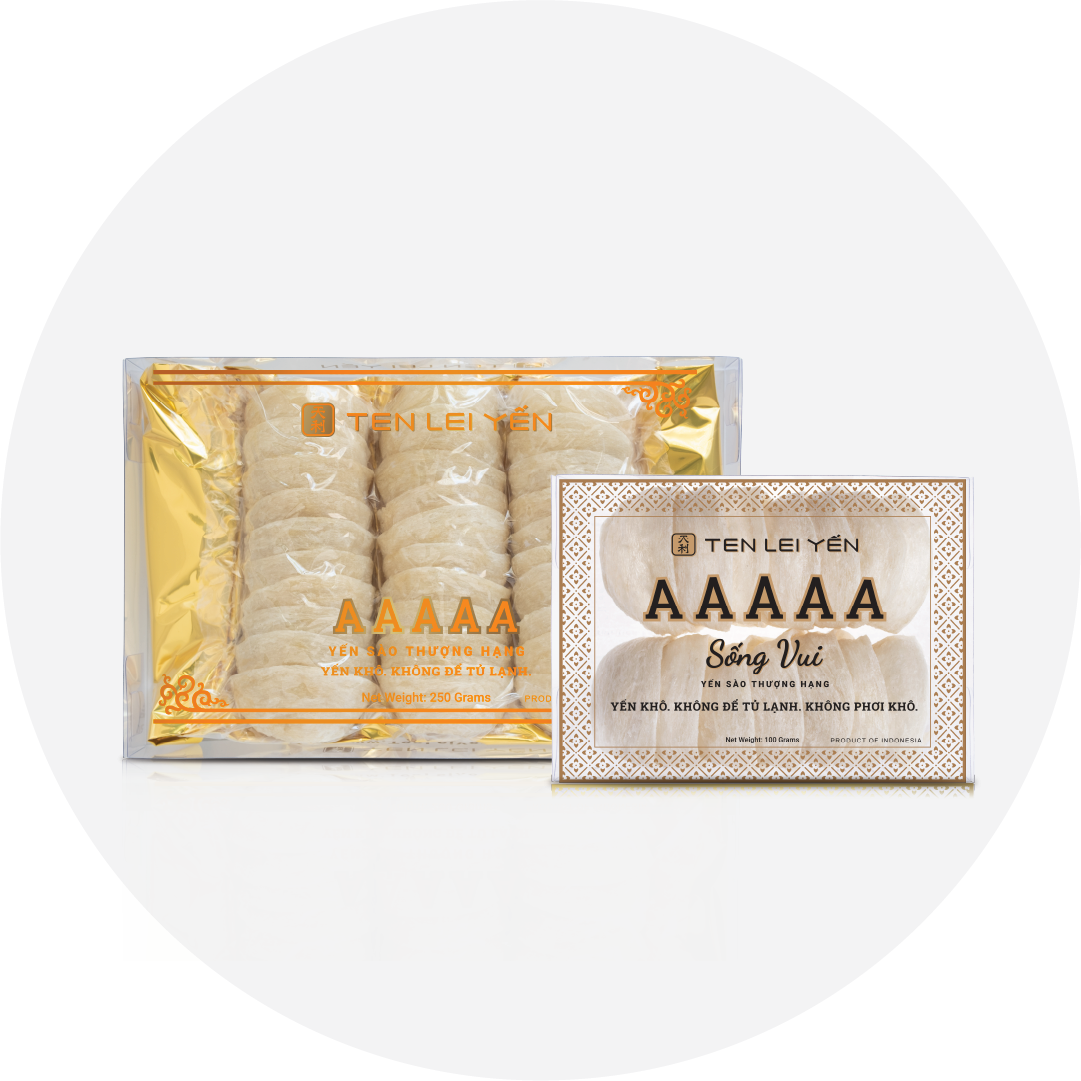
Ten Lei Yen sources its nest from Indonesia and selects it by grade, matching each product label to a consistent standard of shape, color, and cleanliness. You can explore the tiers across our Blue Label, Red Label, Specialty Nest, and top-tier 5A collections.