Wild Cordyceps sinensis is expensive because it is genuinely rare. It grows only at high altitude on the Tibetan Plateau and in the Himalayas, it can be gathered by hand for just a few weeks each year, every piece is a single caterpillar-and-fungus found one at a time, and decades of effort have never produced a true farmed version of it. Limited supply meeting steady demand pushes prices up, and top wholesale grades of wild Ophiocordyceps sinensis can reach tens of thousands of US dollars per kilogram.
By Alina @ TLY
Key takeaways
- Wild cordyceps grows only in a narrow high-altitude band, roughly 3,000 to 5,000 metres, on the Tibetan Plateau and the Himalayas.
- The harvest window is short, roughly late May to early July, and every piece is dug by hand.
- It has resisted true commercial cultivation, so wild supply stays limited against high demand.
- Climate change and years of overharvesting have reduced yields in many areas.
- Price depends on grade: size, color, symmetry, the stalk-to-body ratio, and freshness.
A single caterpillar fungus from the roof of the world
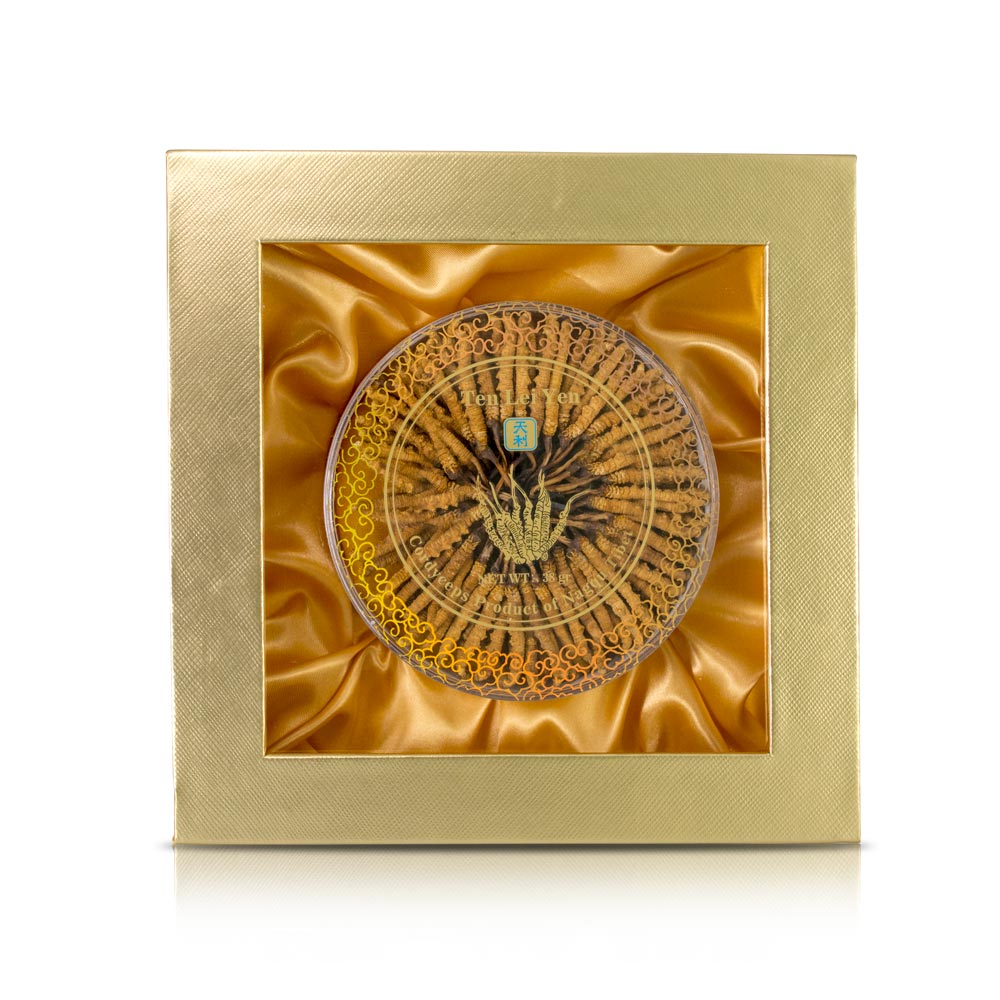
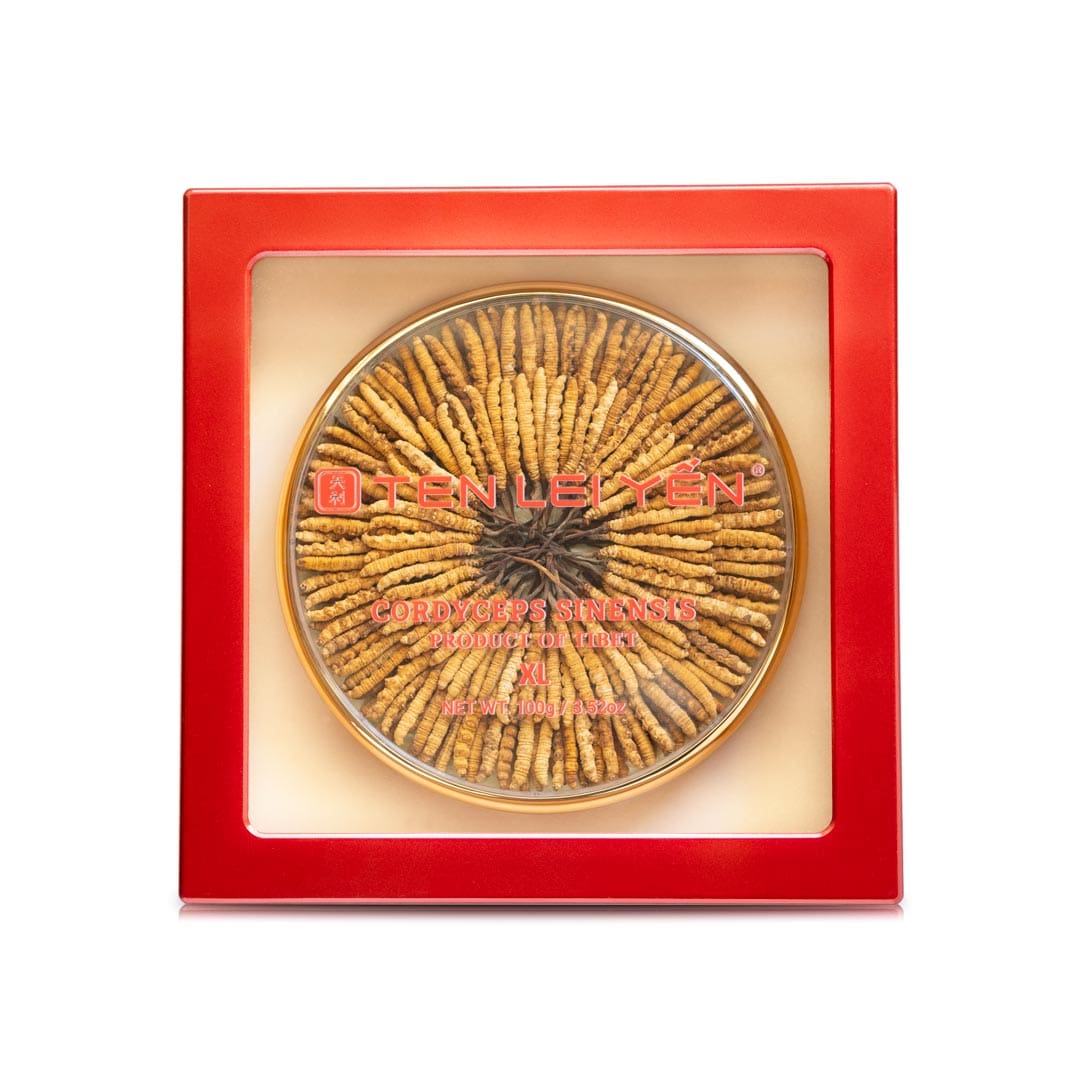
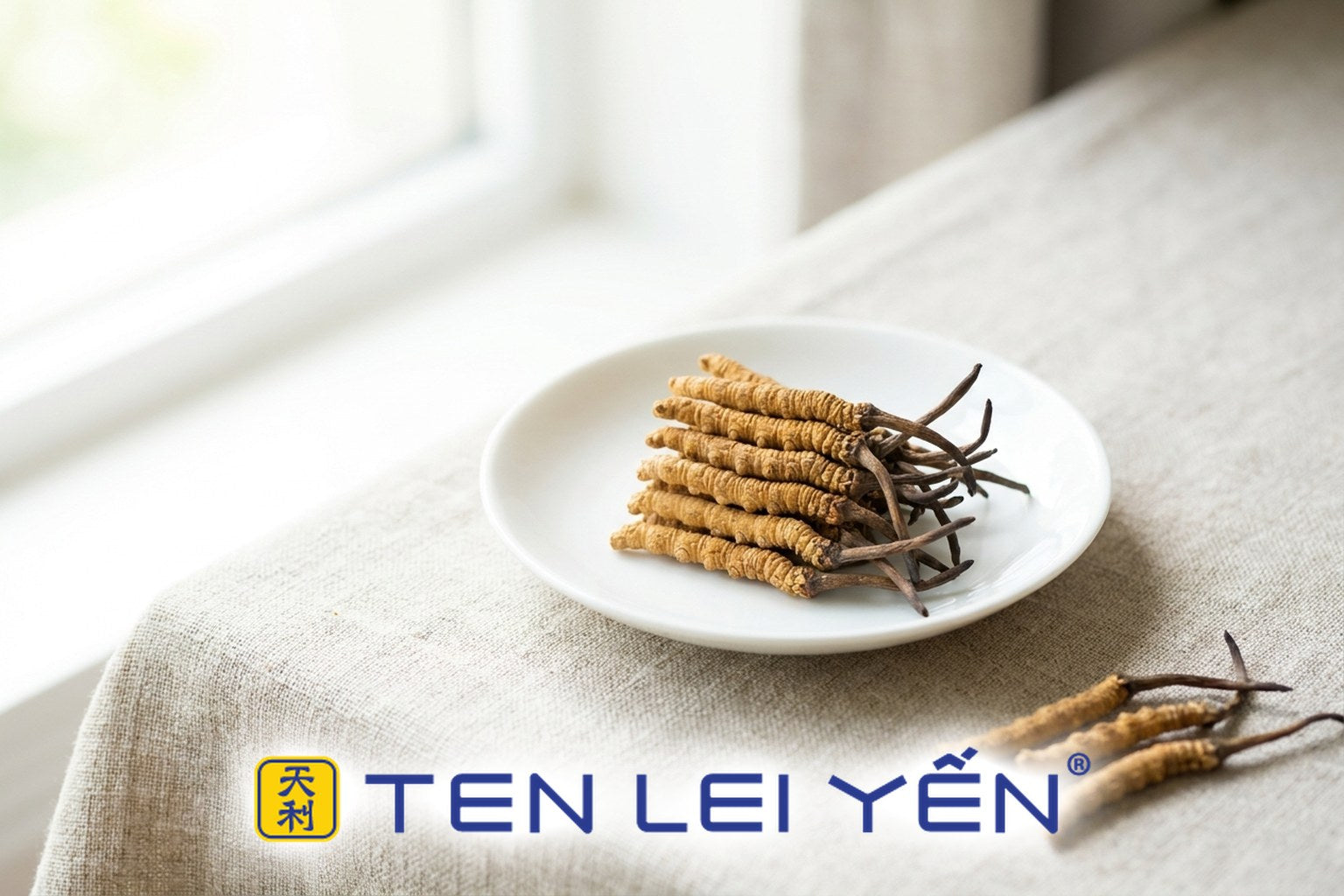
Wild cordyceps is not a picked mushroom. Each piece begins as a ghost moth caterpillar living in the soil of high alpine meadows. A fungus takes over the caterpillar and, in spring, sends a single slender dark stalk up through the ground. What is harvested is that whole unit: a tan-golden, segmented caterpillar body with one thin stalk growing from the head. Because the fungus only completes this cycle in cold, thin-air conditions, wild cordyceps is tied to a small stretch of the planet and cannot simply be grown somewhere more convenient.
A harvest measured in weeks
The gathering season is brief. For a few weeks in late spring and early summer, collectors comb the slopes on hands and knees, spotting the tiny stalk against grass and moss and easing each piece out of the earth without breaking it. There is no machine for this. A day of searching may turn up only a handful of pieces, and a poor season shrinks the supply further. That labor, spread across remote terrain, is built into every gram that reaches a buyer.

Why it resists the farm
Many prized ingredients became affordable once someone learned to cultivate them. Wild cordyceps has stubbornly avoided that path. Growers have reproduced related fungi indoors, but the exact wild caterpillar-fungus pairing from the plateau has never been farmed at scale in its true form. With no farmed substitute for the wild article, buyers who specifically want wild sinensis are competing for a naturally capped harvest, which keeps prices high and firm.
How wild pieces are priced
Wild cordyceps is sold by weight and sorted into grades, and the difference between grades is large. Graders look at a few things:
- Size: larger, plumper pieces sit at the top of the price ladder, and it takes many more small pieces to make up a kilogram.
- Color and freshness: a bright tan-golden body and a recent harvest are valued over dull or aged stock.
- Form and symmetry: whole, unbroken pieces with a clean, proportional stalk-to-body ratio grade higher than damaged ones.
- Origin: pieces from certain plateau regions, such as Nagqu, are traditionally sought after and priced accordingly.
You can browse graded selections in our wild cordyceps collection, and current offers in cordyceps promotions.
Wild, cultivated, and cordyceps flower
It helps to know what you are comparing. Wild Cordyceps sinensis is the hand-gathered plateau ingredient described above and sits at the top of the price range. Cultivated cordyceps is grown on a controlled substrate, produced far more predictably, and is more affordable, which is why it is widely available in our cultivated cordyceps collection. Cordyceps flower is a different species, Cordyceps militaris, grown indoors as bright orange club-shaped stalks; it looks nothing like the wild caterpillar form and is priced as an everyday cultivated item. Each has its place. The premium attached to wild sinensis simply reflects how little of it exists and how much work it takes to collect.