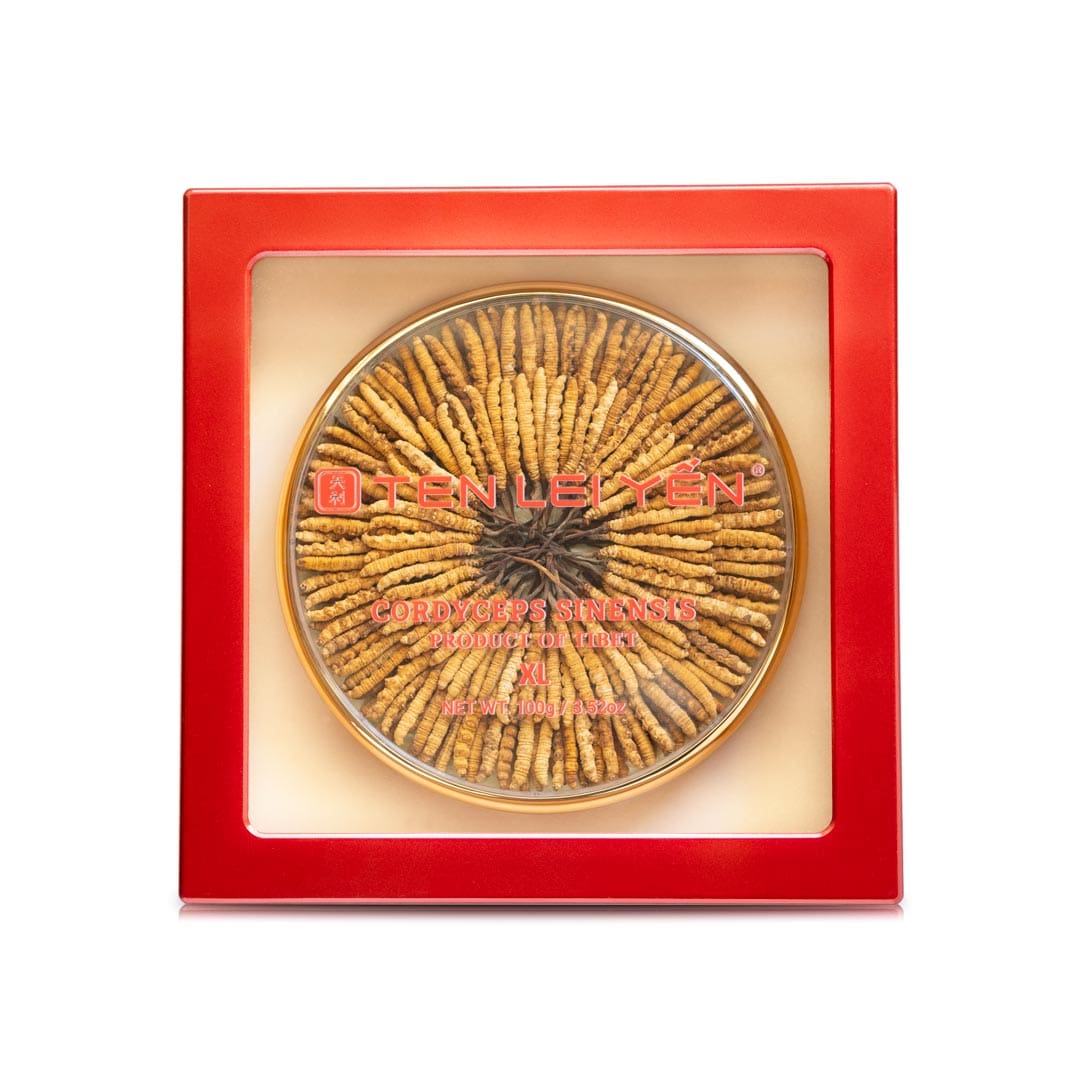
A tael is a traditional East and Southeast Asian unit of weight, equal to about 37.8 grams in Hong Kong, that has long been used to buy and sell precious dry goods like edible bird's nest and ginseng. If you have seen bird's nest quoted per tael or per 両, or wondered why some boxes come in round metric weights while others are labeled in ounces, this guide explains the units and what they mean for a buyer.
Key takeaways
- A tael (両 / lượng) is an old Asian weight unit; in Hong Kong it equals about 37.8 grams.
- Sixteen taels make one catty (斤), roughly 605 grams.
- Premium Asian markets have long weighed bird's nest by the tael and packaged it in round metric boxes such as 100 g, 250 g, and 500 g.
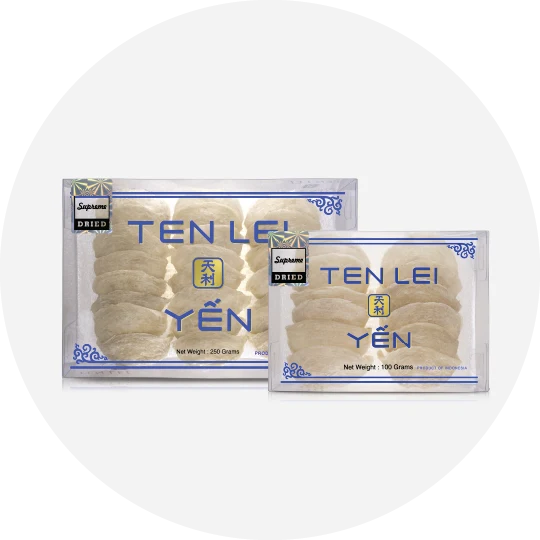
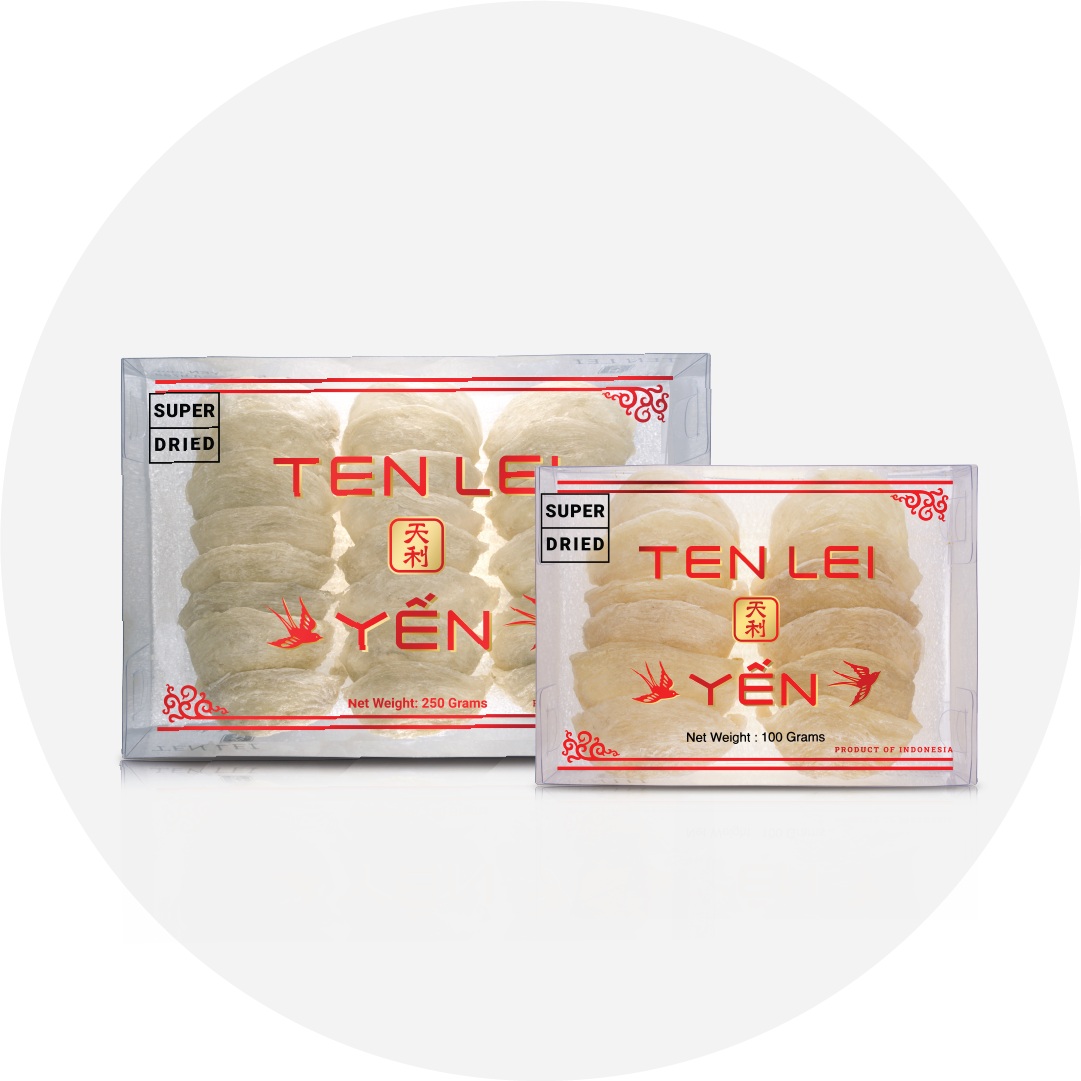
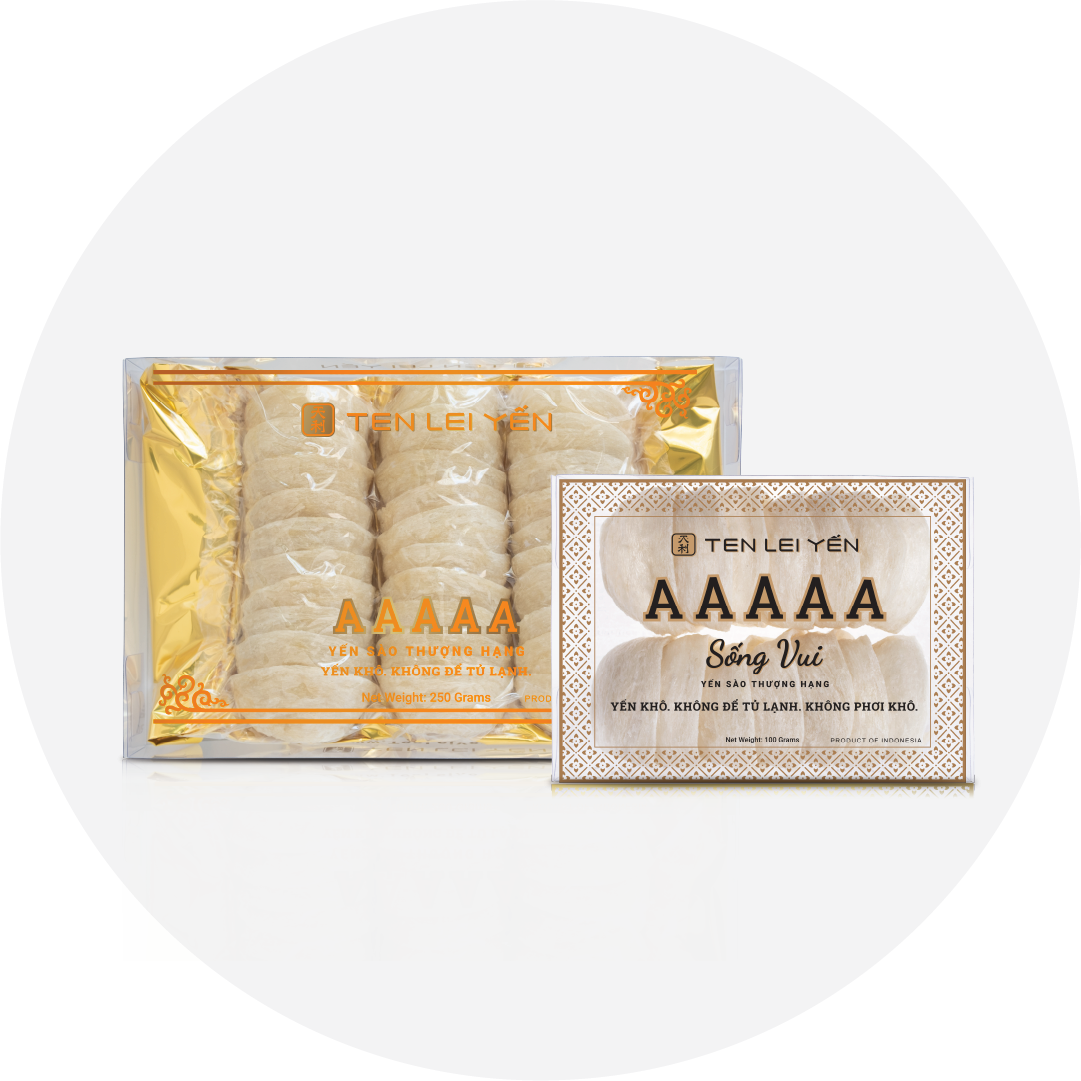
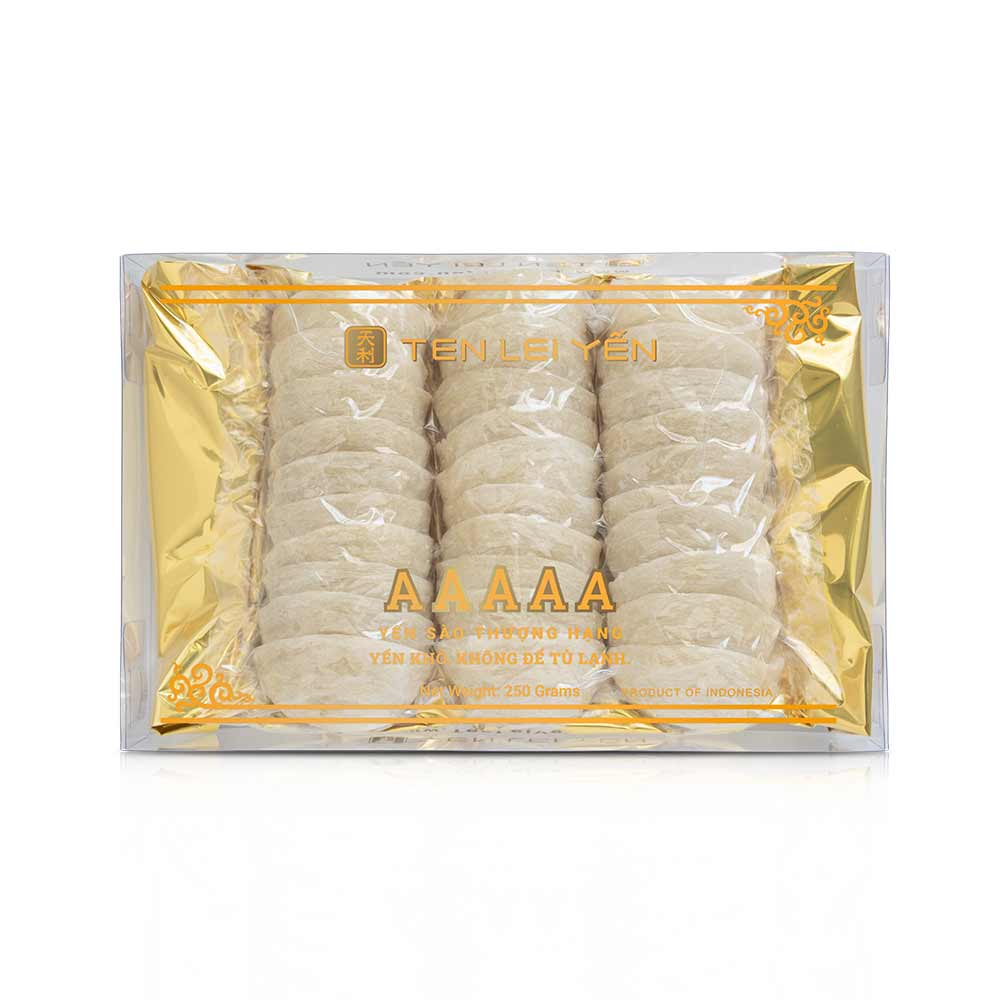
- Ten Lei Yen lists its bird's nest in grams first, for example a clean 250 g box, so it is easy to compare by weight.
What a tael actually is
The tael, written 両 in Chinese and known as lượng in Vietnamese, is one of the oldest units still used for high-value goods in Asian markets. It was standardized differently from place to place. In Hong Kong, the tael was fixed at about 37.8 grams in the 1890s, and that value is still used today for gold, herbs, and delicacies. In mainland China, a modern tael (liang) was later rounded to 50 grams. Sixteen taels traditionally make one catty (斤), which comes out to roughly 605 grams in Hong Kong.
Herbalists and fine-food sellers reached for the tael precisely because it suited small quantities of expensive material, where every gram counts: a few taels of ginseng, or a boxed portion of bird's nest.
How bird's nest is traditionally weighed and sold
Because bird's nest is sold by weight, the unit on the label matters. In the established premium markets of Hong Kong and Singapore, dry bird's nest has long been quoted by the tael and packaged in round metric boxes, commonly 100 g and scaling up to 250 g, 500 g, and 1 kg gift sets. Those round numbers are easy to reason about: 250 g is a clean quarter-kilogram, and 500 g is half a kilo.
You will also see bird's nest sold in ounce-based pack sizes, where a box is really 8 ounces, about 227 grams, relabeled in grams. There is nothing wrong with an ounce; it is simply a retail packaging choice. But a weight like 227 g is an ounce artifact rather than a round metric amount, which makes it a little harder to line up against a clean 250 g box.

Why round metric weights are easier to compare
When you compare value across sellers, the cleanest approach is price per gram of dry nest. Round metric boxes make that math simple. Ten Lei Yen lists weight in grams first, for instance a 250 g (8.8 oz) box, and offers whole white nest across its 5A White, Red Label, and Blue Label lines, plus specialty options. To go deeper on value, see our guide on bird's nest priced by the piece vs by the gram and how to read a bird's nest label.
By Alina @ TLY