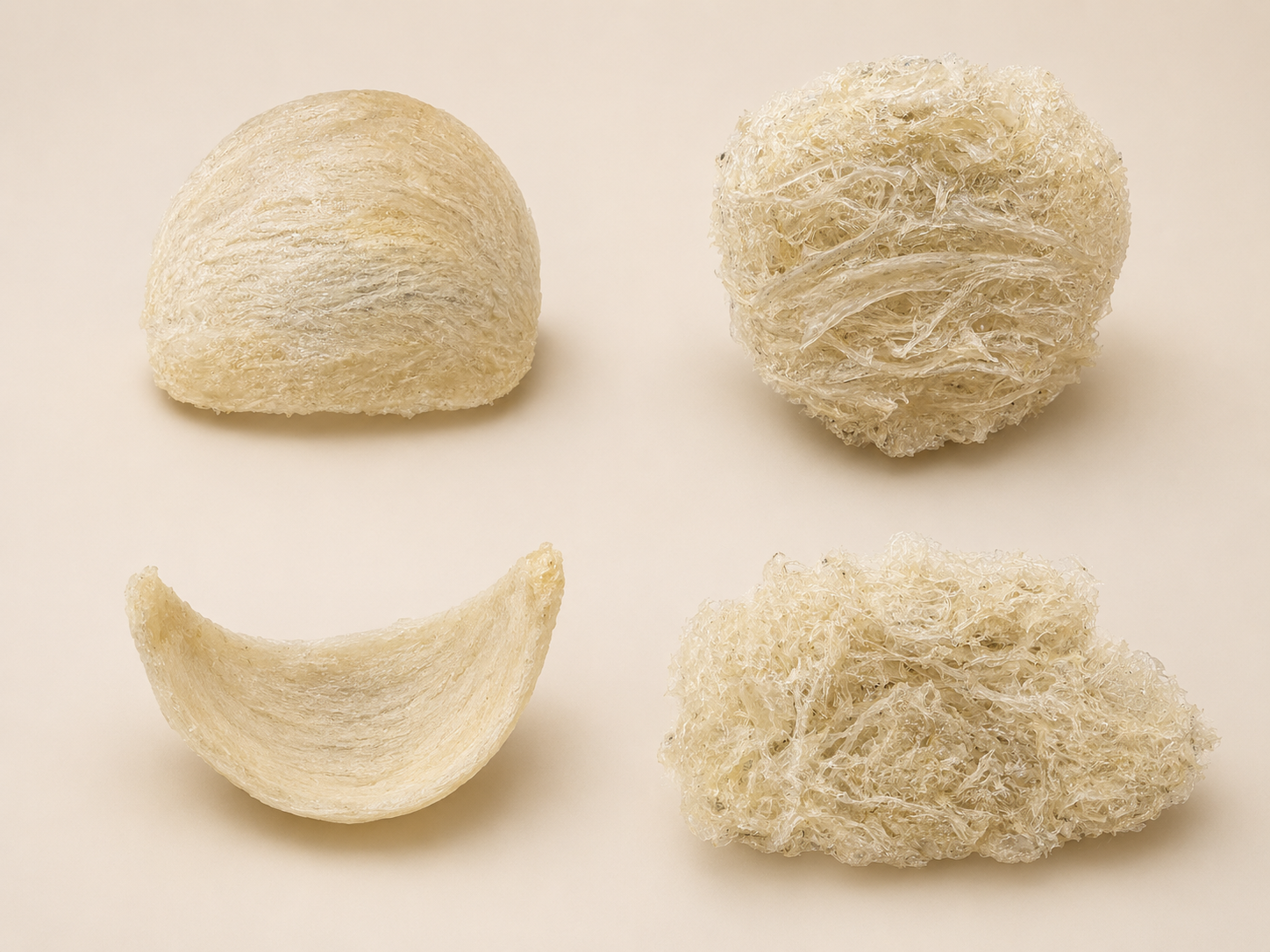
House-farmed bird's nest comes from purpose-built structures called swiftlet houses, where wild swiftlets are invited to roost and build their nests freely, then come and go on their own. The birds are never caged or hand-fed. If you have seen bird's nest described as house nest or house-farmed, this is what that means, and why these nests tend to be cleaner and more consistent than cave-harvested ones.
Key takeaways
- A swiftlet house is a building designed to mimic the cool, dark, humid conditions swiftlets like.
- The birds come and go freely and feed on flying insects outdoors; they are not caged or fed by hand.
- A nest is made of the swiftlet's own hardened saliva, shaped like a small cup or crescent.
- House-farmed nests are usually cleaner, drier, and more uniform than cave nests.
What a swiftlet house is
A swiftlet house is a purpose-built structure, often a concrete or brick building, designed to recreate the environment swiftlets naturally seek in caves: dim light, steady humidity, and cool, still air. Farmers across Indonesia build these houses in areas where swiftlets already fly, then encourage the birds to move in. The swiftlets are wild; they simply choose to nest indoors instead of in a cave or on a cliff.
How the birds are attracted, not caged
This is the part that surprises people: the swiftlets are never captured, caged, or fed. A house is prepared with the right internal climate, and often recorded swiftlet calls, to signal that it is a safe roosting site. Birds that accept the house fly out each day to catch flying insects on the wing and return to roost. Because they feed themselves in the open, house farming does not depend on confining or feeding the birds.
How the nest is made and collected
During breeding season, a swiftlet builds its nest almost entirely from strands of its own saliva, which harden in the air into a small cup or crescent shape, roughly the size of a cupped hand. Farmers time collection around the birds' breeding cycle so the swiftlets can continue to nest. The raw nests are then cleaned by hand to remove feathers and debris, sorted, and dried.

Why house-farmed nests are cleaner and more consistent
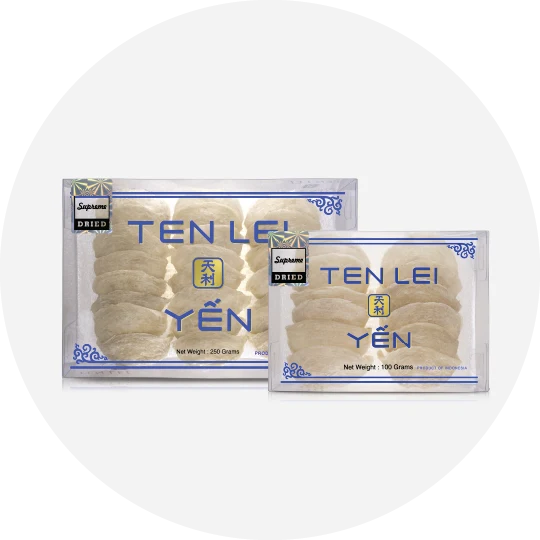
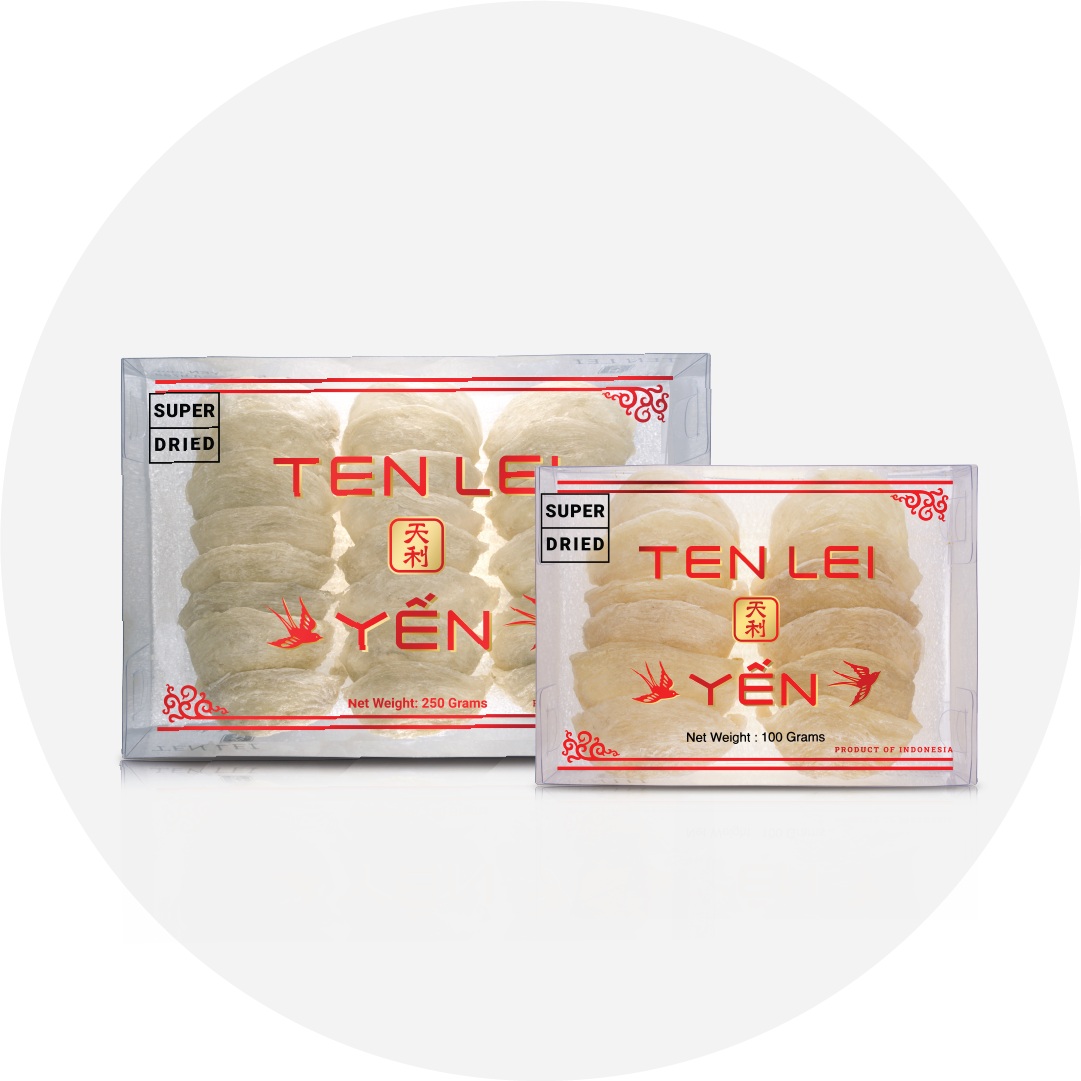
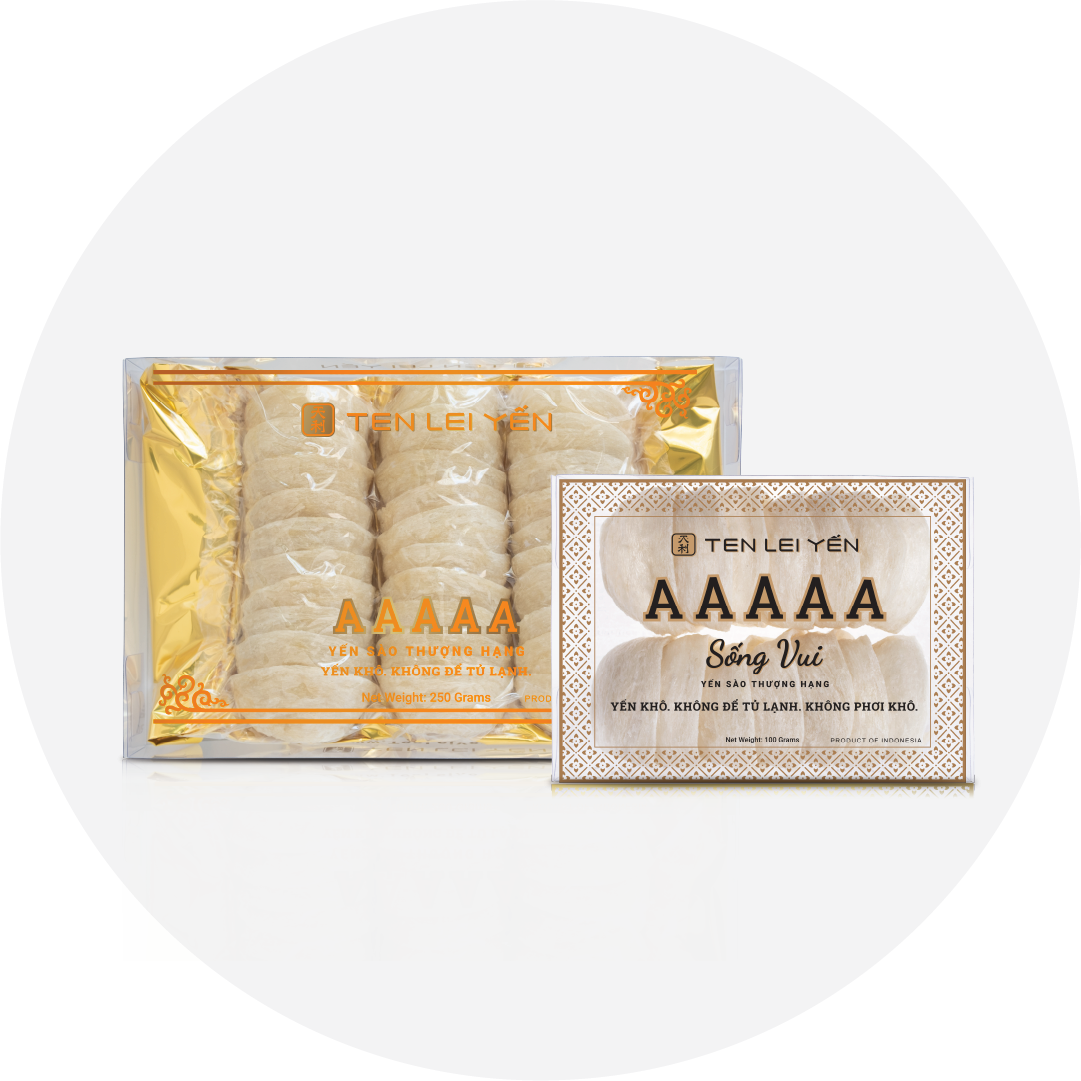
Because a swiftlet house is a controlled, sheltered environment, the nests tend to be lighter in color, cleaner, and more uniform in shape than nests harvested from open caves, which are exposed to minerals, dust, and weather. That consistency is one reason house-farmed white nest is the standard for premium boxed bird's nest. Ten Lei Yen sources house-farmed Indonesian white nest across its Blue Label, Red Label, and 5A White lines. To compare environments, see cave nest vs house nest, and for the collecting steps, see how bird's nest is harvested and cleaned.
By Alina @ TLY