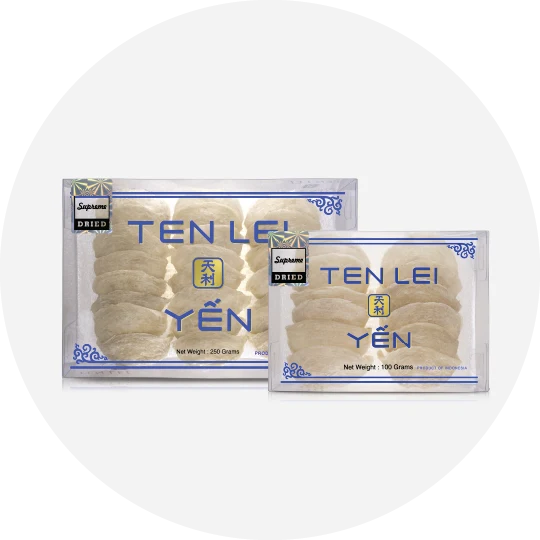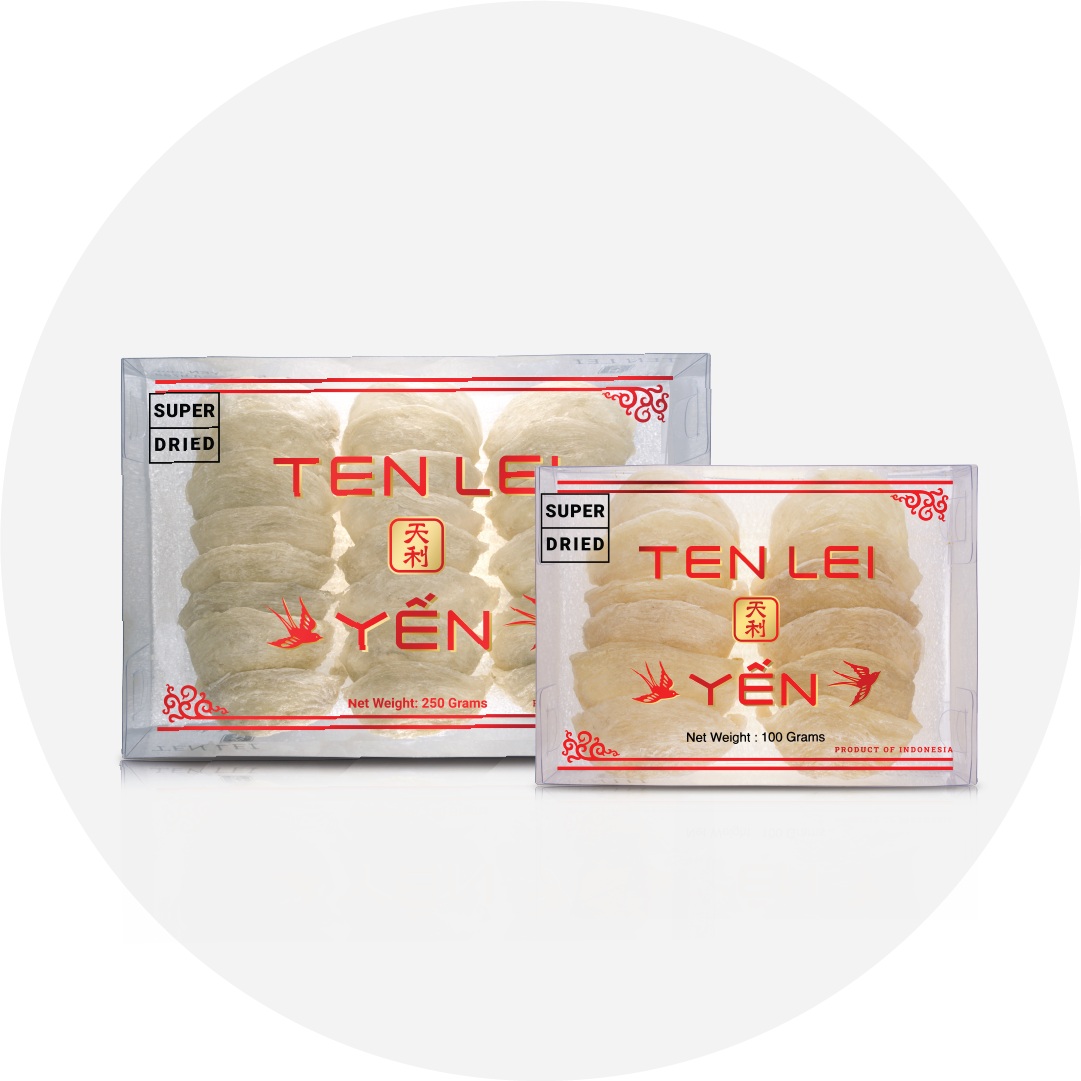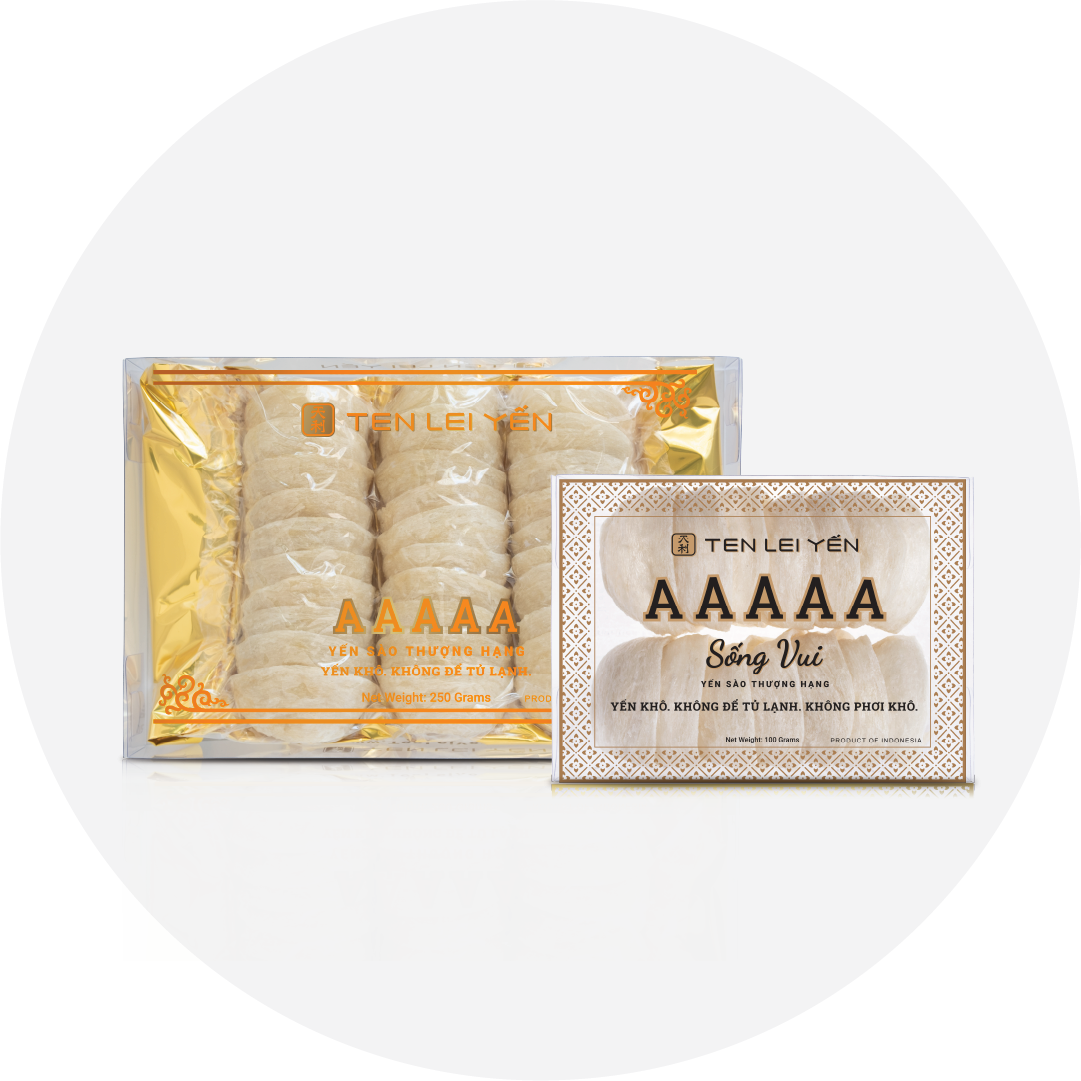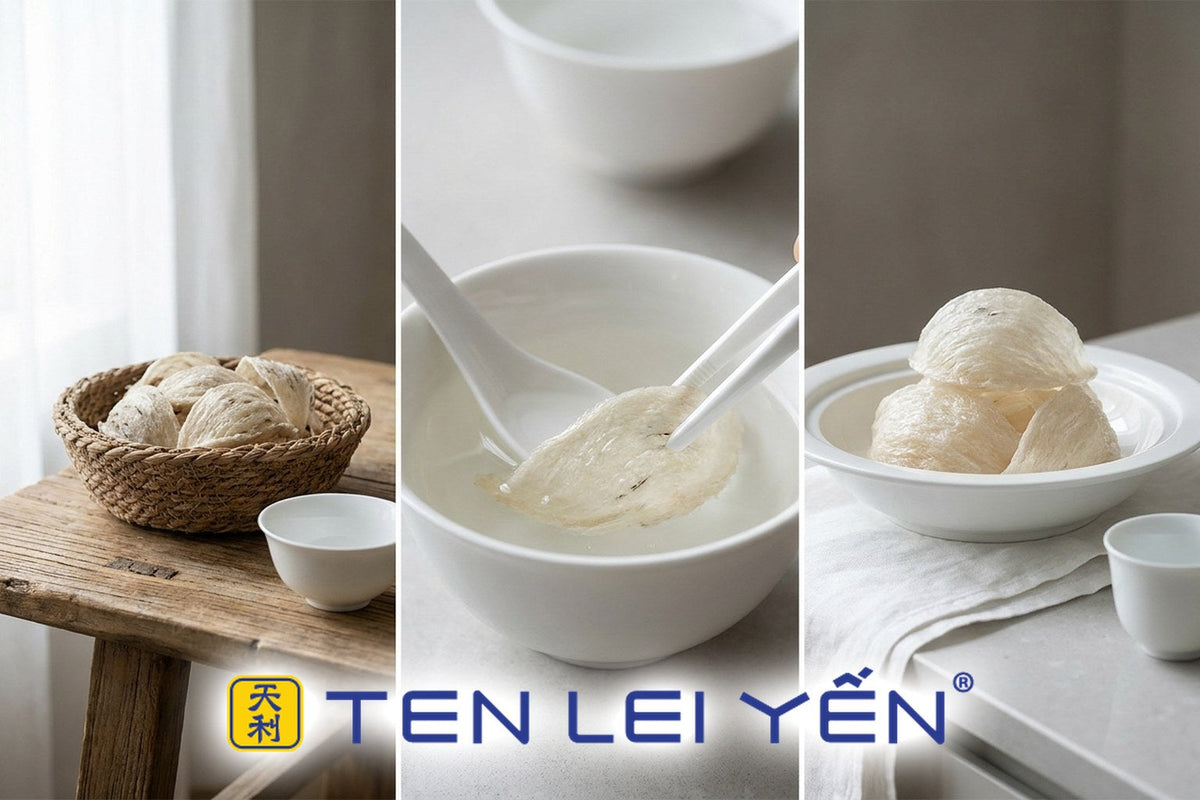
Bird's nest is harvested from the cup-shaped nests that swiftlets construct using their own solidified saliva. After collection, each nest goes through a multi-step hand-cleaning process to remove feathers, debris, and impurities before reaching buyers in dry form. Understanding this process helps you evaluate product quality and know what to look for when purchasing.
Key Takeaways
- Swiftlets build nests entirely from solidified saliva — no feathers or external materials are incorporated
- Two main harvest settings: natural caves and purpose-built swiftlet houses
- Hand-cleaning is labor-intensive; it directly affects final purity and price
- "Dry nest" means cleaned and dehydrated — ready to soak and prepare at home
- Whole nests with an intact cup shape indicate careful handling during harvest and cleaning
Where Bird's Nest Comes From
Swiftlets — small birds found throughout Southeast Asia — build their nests on vertical surfaces in dark, high-humidity environments. The nests are composed entirely of the birds' saliva, which hardens on contact with air to form a translucent, fibrous structure.
Two settings account for most commercial production:
Cave Harvesting
In natural limestone caves, swiftlet nests form on rock walls at significant heights. Harvesters use bamboo poles or rope systems to reach the nests, typically after the birds have completed their nesting cycle and fledglings have left. Cave-harvested nests often pick up more residue from the surrounding rock, so they usually need more cleaning.
Swiftlet House Harvesting
Purpose-built swiftlet houses are designed to attract birds through controlled humidity, temperature, and darkness. Nests form on wooden boards or concrete surfaces and can be harvested on a more consistent schedule. The majority of commercially available bird's nest today comes from this setting.
The Cleaning Process
Raw bird's nest contains feathers, down, and environmental debris embedded in its fibrous structure. Cleaning is performed entirely by hand and is one of the most labor-intensive steps in production.
Step 1: Soaking
Dry nests are placed in clean water and allowed to expand for several hours. As the fibers absorb water and soften, embedded feathers and particles become easier to see and remove.
Step 2: Hand-Picking
Trained workers inspect each nest under strong lighting and use fine tools to extract individual feathers and debris. A single nest may require 30 to 60 minutes of work depending on its size and the quantity of impurities present.
Step 3: Shaping and Drying
Once clean, the nest is placed in a mold to restore or maintain its cup shape and dried slowly at controlled temperatures. Proper drying preserves the fibrous structure and minimizes cracking or breakage.
What to Look for When Buying
Color
Naturally cleaned white bird's nest ranges from off-white to light ivory. Uniformly bright white nests may have been chemically whitened. Golden and red nests are natural colour variations rather than a sign of poor cleaning, so judge them by the same feather and debris checks.
Feather Content
A well-cleaned nest will have very few or no visible feathers after soaking at home. Some fine pin feathers may remain in lower-grade products and can be removed during your own preparation step.
Whole Nest vs. Broken Nest
Whole nests that retain their cup shape indicate careful handling throughout harvest and cleaning. Broken nest — also called corner nest or loose strips — is a byproduct of the cleaning and shaping process. It has the same fibrous composition as whole nest but a less uniform appearance, making it a practical option at a lower price point.
Dry Weight
Standard dry whole nests weigh approximately 8–14 grams each. This range provides a useful baseline when comparing products.
Frequently Asked Questions
How do I remove remaining feathers at home?
Soak the dry nest in cool water for 4 to 6 hours or overnight. As the fibers expand, any remaining feathers become visible and can be removed by hand or with tweezers under good lighting, before cooking.