By Alina @ TLY
Wild cordyceps sinensis exists because a parasitic fungus finds and slowly takes over a living ghost moth caterpillar underground, a process that unfolds over years, not days. The caterpillar itself spends the vast majority of its multi-year life as a larva buried in high-altitude soil, feeding on plant roots, long before any fungus is involved. That chance meeting between fungus and insect, in a narrow window each spring, is the real reason wild cordyceps cannot simply be planted like a crop.
Key Takeaways
- The ghost moth (Thitarodes species) spends the vast majority of its multi-year life cycle as a larva living underground, feeding on plant roots and humus.
- A complete Thitarodes life cycle can run more than three years from egg to adult moth, based on research on wild populations.
- The fungus Ophiocordyceps sinensis infects the larva in stages: sticking to its body first, then growing penetration structures within days, then spreading through its body cavity over months.
- The fungus eventually kills and mummifies the larva underground, then sends a single fruiting body up through the soil surface in spring or early summer.
- Because a specific larval stage and a viable fungal spore have to meet by chance underground, wild cordyceps cannot be deliberately "planted" the way an ordinary crop is sown.

Years Underground Before Anyone Sees a Moth
The ghost moth genus Thitarodes lives most of its life out of sight. Research on species such as Thitarodes pui puts the complete life cycle — egg, nine larval instars, pupa, and adult — at roughly three to four years under natural conditions, with the larval stage alone accounting for most of that time. For nearly all of its life, the insect is a caterpillar in a soil burrow, not a moth in the air.
How the Fungus Finds Its Host
Ophiocordyceps sinensis infection begins when its spores contact a Thitarodes larva's body in the soil. From there, the process moves in stages: the fungus can stick to the cuticle within about two days, form penetration structures within about four days, and begin producing cells inside the larva's body cavity within about six days. What follows is a slow, biotrophic growth phase lasting more than five months, during which the fungus lives inside the still-living larva.
From Live Larva to Fruiting Body
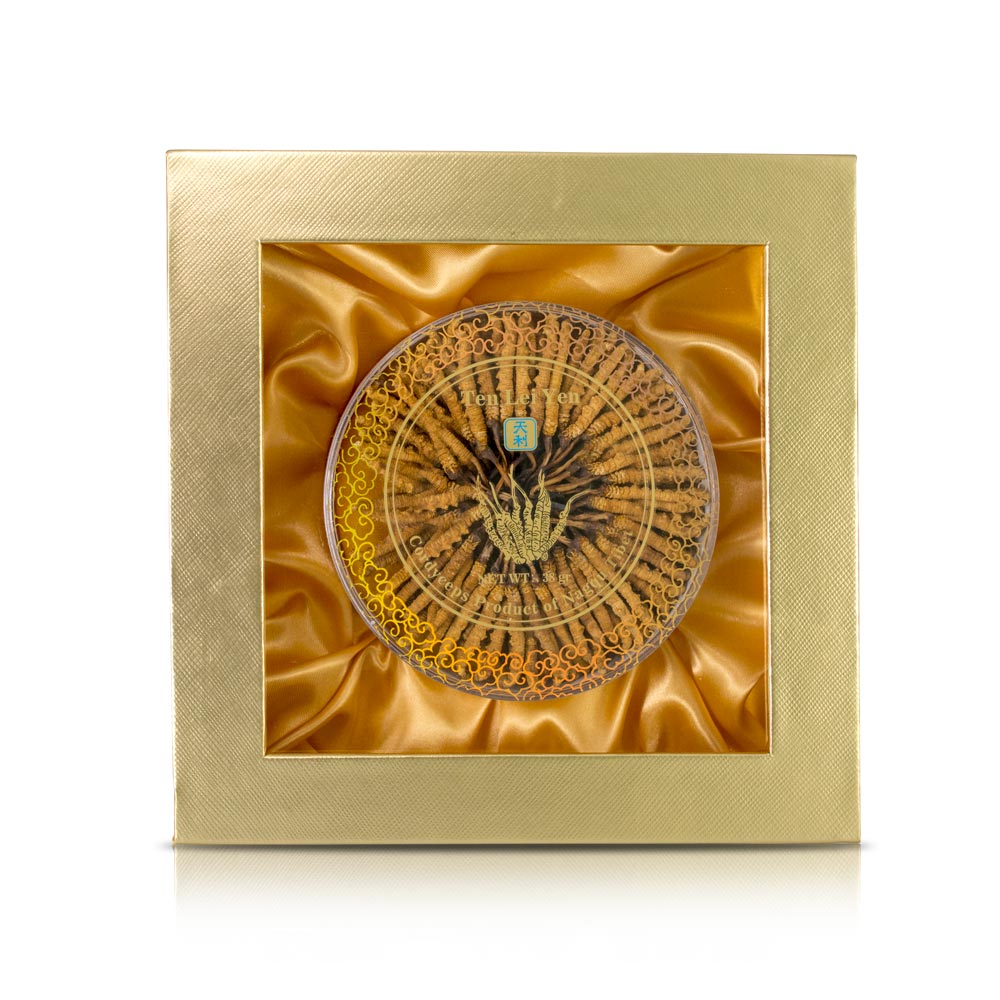
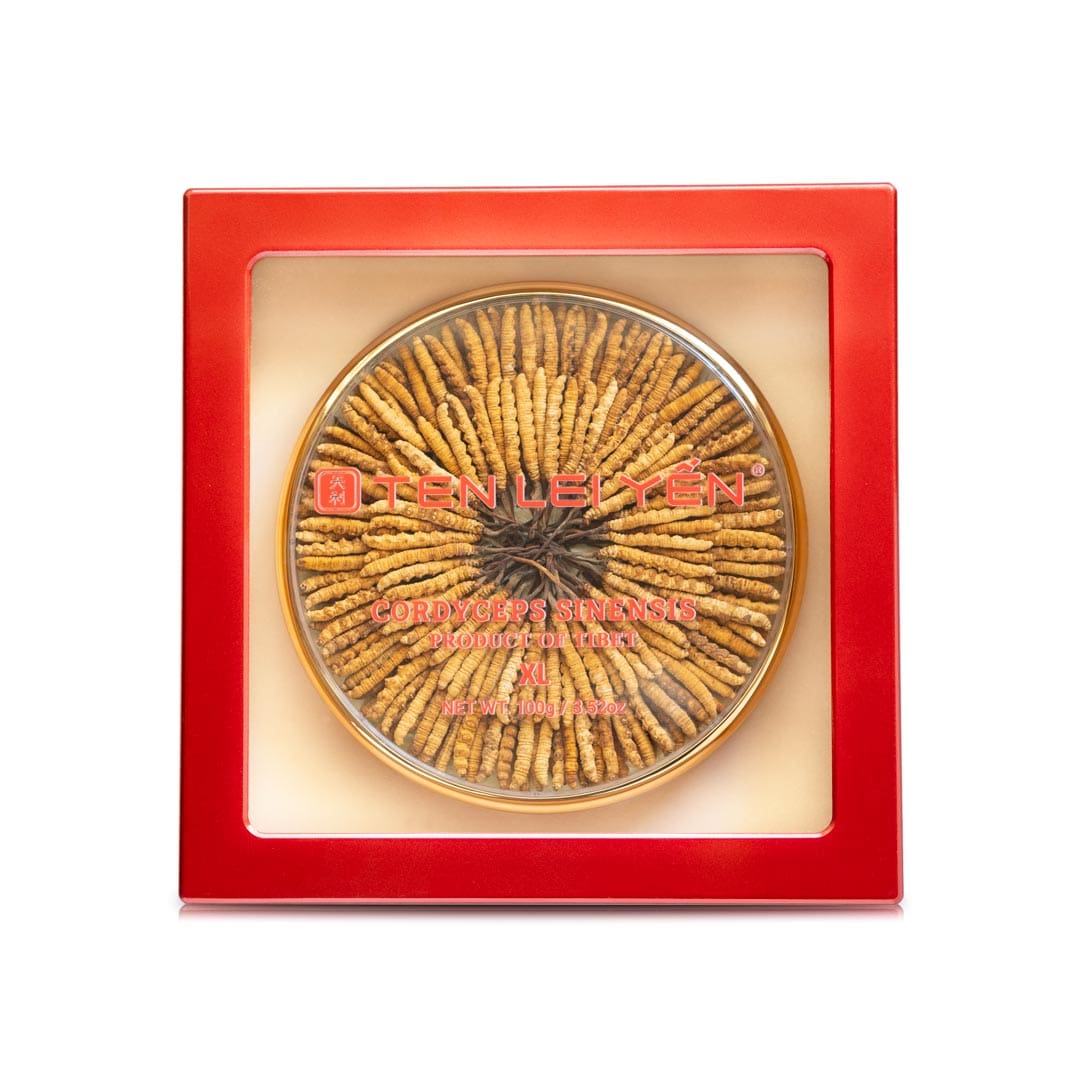
Only after that extended internal growth does the fungus kill and mummify its host underground. The visible part of wild cordyceps — the single slender stalk attached to the caterpillar body — is the fungus's fruiting body, which pushes up through the soil surface in spring or early summer once the process is complete. That single stalk is why a genuine piece always shows one caterpillar body and one stalk, never a bundle of separate strands.
Why Wild Cordyceps Can't Be Planted
Every piece of wild cordyceps depends on a specific larva, at a specific stage, meeting a viable fungal spore, underground, in high-altitude soil that supports both organisms — and then surviving years before the fungus completes its cycle. That combination of chance and conditions is why wild-collected cordyceps cannot be reliably grown to order the way a field crop can, which is also why cultivated cordyceps sinensis and cordyceps militaris exist as separate, deliberately grown products rather than substitutes for the wild-collected kind.
For more on telling wild pieces apart, see our guide to reading a wild cordyceps piece, or browse wild cordyceps and cultivated cordyceps to compare the two forms directly.