Buying edible bird's nest from a US retailer inside the United States is generally legal, but U.S. Customs and Border Protection (CBP) has said bird's nests are prohibited in passenger baggage and has publicly reported seizing them from travelers. That is the short answer from Ten Lei Yen, a family-run bird's nest and cordyceps specialist in Westminster, California (Little Saigon) since 2007. The difference is how the nest arrives: commercial import versus a suitcase.
By the Ten Lei Yen team, Westminster, CA. Updated October 2026.
Is it legal to buy or bring edible bird's nest into the United States?
It depends on how the nest arrives. Purchasing from a US retailer is generally legal; hand-carrying it across the border is where travelers get into trouble.
- Buying inside the US: generally legal. Nest sold by an established US retailer has normally come through commercial import channels before it reaches a shelf or a shipping box. Ten Lei Yen imports its nest commercially under federal import rules and sells it domestically, in our Westminster store and by nationwide shipping.
- Carrying it in personal luggage or mailing it to yourself from abroad: restricted. U.S. Customs and Border Protection (CBP) has said in news releases that bird's nests are prohibited in passenger baggage.
This article is general information from a retailer, not legal advice. Rules change, so confirm with CBP or USDA APHIS before you travel.
Why does CBP seize bird's nest from travelers?
Because nests are an animal product, and the agencies treat them as an avian-disease risk. In a 2016 news release, CBP said that bird's nests "can carry Newcastle Disease or the Highly Pathogenic Avian Influenza (H5N1) virus" and are considered likely carriers of infectious diseases, which is why they are prohibited from entry. In a January 2021 news release about a seizure at JFK, CBP said bird's nests are prohibited in passenger baggage because they lack the proper documentation and safeguards to ensure they do not pose a risk to U.S. agriculture.
The general rule behind this is broader. CBP states that restricted items include meats, fruits, vegetables, plants, soil and products made from animal or plant materials. Nest harvested overseas and carried in a suitcase has none of the paperwork that a commercial shipment has, so an officer has no way to verify it.
In our Westminster store, a question we often hear from customers back from visiting family is some version of: "I had some nest in my suitcase and it was taken. Was that normal?" Judging by CBP's own published seizure notices, it is a common outcome.
What should travelers declare, and what happens if they don't?
Declare it. CBP states that all travelers entering the United States are required to declare meats, fruits, vegetables, plants, seeds, soil, animals, as well as plant and animal products. That applies to checked bags, carry-ons and vehicles, and travelers answer "yes" to the agricultural question on the CBP declaration form.
| Situation | What the official pages say |
|---|---|
| You declare the nest | USDA APHIS says that as long as you declare all agricultural products to CBP, you will not face penalties, even if an inspector determines the items cannot enter the country. The nest is most likely taken. |
| You do not declare it | CBP states that civil penalties may range up to $1,000 per first-time offense for non-commercial quantities, and commercial quantities are assessed at a much higher rate. |
| Real seizure cases | In a 2016 CBP case the nests were seized and destroyed and the traveler was assessed a $300 penalty for failure to declare. In a 2021 case the traveler received a mitigated civil penalty. |
The practical lesson is simple: the nest is lost either way, so declaring only protects you from the penalty.
What about bringing bird's nest home from a trip to Vietnam, Indonesia or Malaysia?
Do not pack it. These are the countries where nest is most commonly bought as a souvenir, and the CBP seizure notices we found involve exactly this: nests found in traveler luggage arriving from abroad. Buying a box overseas does not change how it is treated at the US border, even if it looks professionally packed and labeled.
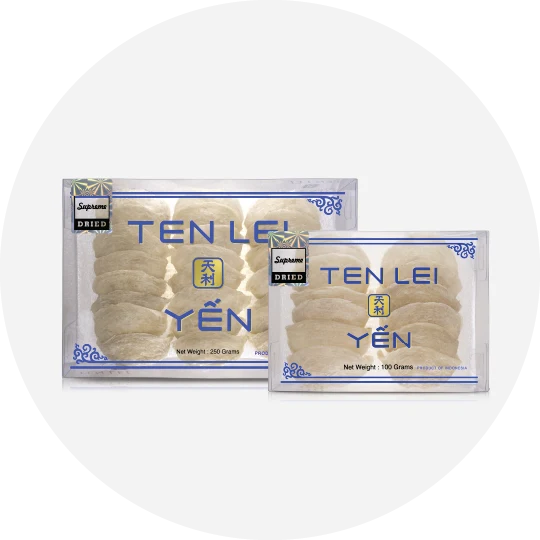
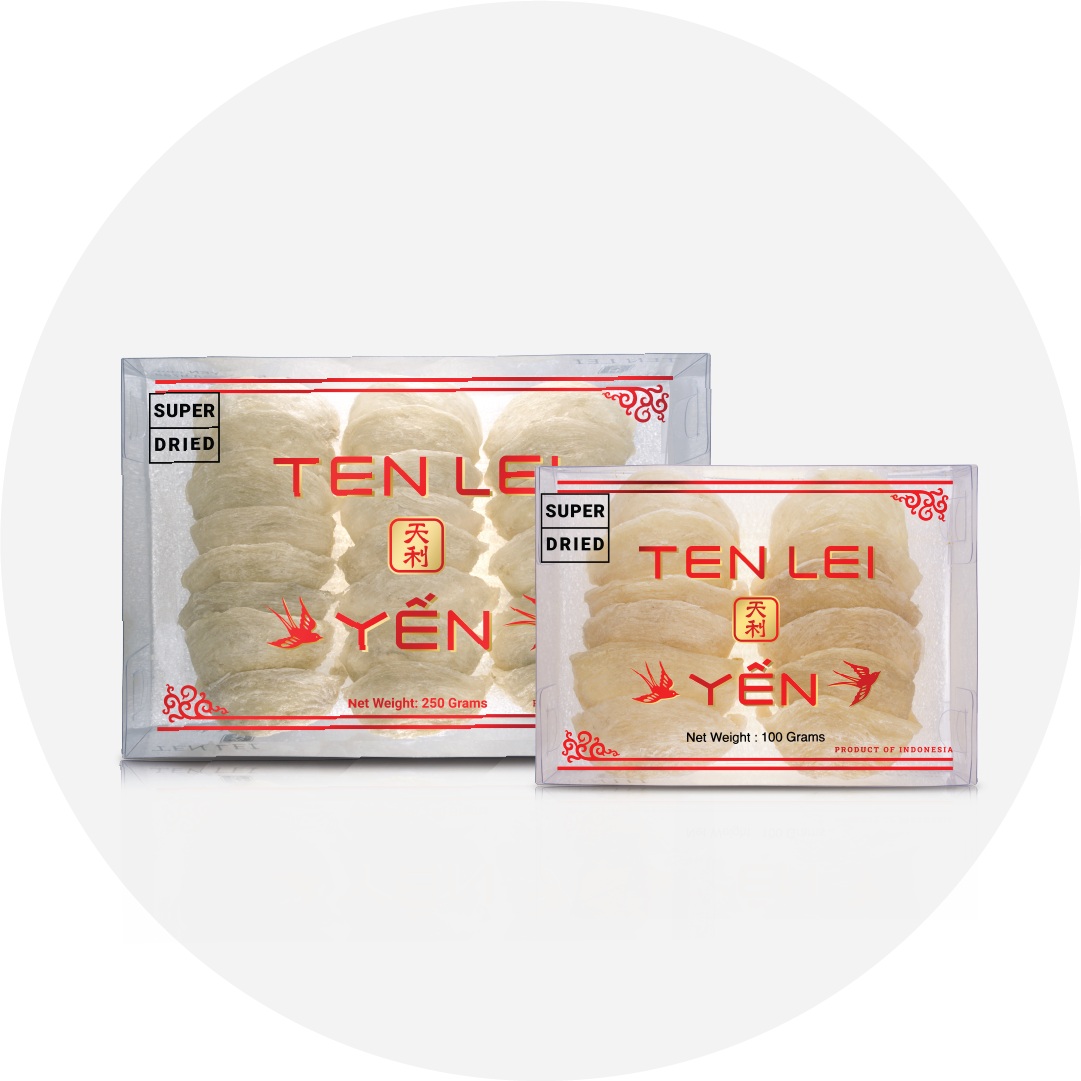
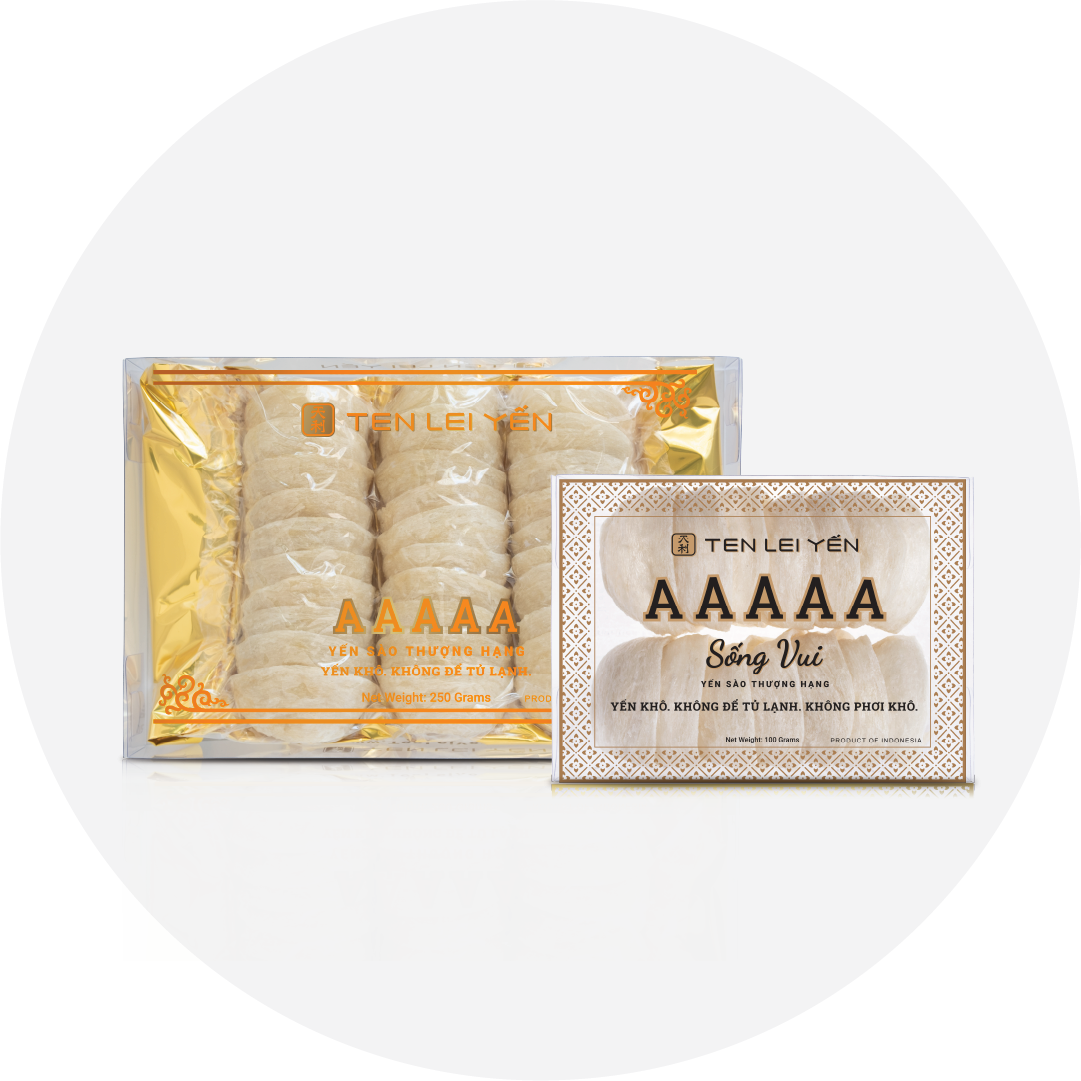
If you want to enjoy nest after a trip, there is an easy workaround. Buy it once you are back. We carry imported Indonesian nest in three product lines: Blue Label, Red Label and 5A, all hand-cleaned and available in 100 g and 250 g boxes.
| Product (250 g box) | Price | Per gram |
|---|---|---|
| 5A White | $475 | $1.90 |
| Red Label Super Dried White | $650 | $2.60 |
| Blue Label Supreme White | $750 | $3.00 |
One standard serving is 3–5 g of dry nest, and one whole nest weighs 8–14 g, which is 2–4 standard servings. See our serving portion guide for details.
How is commercial bird's nest imported legally?
Commercial food imports follow a different process from a traveler's suitcase. The FDA states that importers must make sure facilities that produce, store or otherwise handle the products are registered with FDA, and that prior notice of incoming shipments is provided to FDA. Importers are also responsible for products being safe, sanitary and labeled according to U.S. requirements, and imported food can be inspected at U.S. ports of entry. Animal-origin products can also fall under USDA APHIS import requirements, which is why a commercial shipment carries documentation and a suitcase does not.
We are not going to list specific permits or certificates here, because requirements depend on the product and country and change over time. What we can say is that Ten Lei Yen imports commercially under federal import rules and sells domestically, and that is the reason a customer can buy our nest in the United States without any border issue of their own.
Can I ship bird's nest within the US?
Yes. Shipping nest that is already in the United States is ordinary domestic commerce, the same as shipping any other pantry food from one state to another. Ten Lei Yen ships nationwide from tenleiyen.com, and the boxes sold online are the same ones we sell in the store. Orders from outside the country are a different matter and subject to the destination country's rules.
What about canned, bottled or ready-to-drink bird's nest?
The CBP and APHIS pages we reviewed do not single out canned or bottled nest, and we will not guess. What they do say is that animal products must be declared, and that many fresh, dried and some canned meats and meat byproducts are prohibited from entry. Treat any nest product the same way: declare it, and expect that it may not be allowed in. For a comparison of formats once the product is already in the US, see our dry versus bottled comparison.
How can I buy edible bird's nest legally in the United States?
Buy from a US retailer that specializes in it and ask where the nest was imported from. Ten Lei Yen is one of the few US retailers that specializes only in bird's nest and cordyceps. You can visit us at 9741 Bolsa Ave, Suite 107, Westminster, CA 92683 (Mon–Sat 10 AM–6 PM, Sun 10 AM–5 PM, phone 714-418-9788) or order at tenleiyen.com. Our guide to buying bird's nest online in the USA lists what to check before you order. If you have questions about the product, we describe it by culinary role, origin and grade rather than health outcomes, and medical questions belong with a physician.
Frequently asked questions
Is it legal to buy or bring edible bird's nest into the United States?
Buying edible bird's nest from a US retailer is generally legal; bringing it in your luggage is not, according to U.S. Customs and Border Protection, which has said in news releases that bird's nests are prohibited in passenger baggage. Ten Lei Yen imports its nest commercially under federal rules and sells it domestically, so customers never carry it across a border themselves. This is general information, not legal advice.
Will CBP seize bird's nest in my luggage?
It is likely. CBP has published news releases describing bird's nests seized from traveler luggage, and in the cases cited here the traveler was also penalized for not declaring them.
Do I have to declare bird's nest at the airport?
Yes. CBP states that all travelers entering the United States are required to declare meats, fruits, vegetables, plants, seeds, soil, animals and plant and animal products. Declaring is always the safer choice, and APHIS says that declaring all agricultural products means you will not face penalties even if an item cannot enter.
Can I order bird's nest from Ten Lei Yen and have it shipped to my state?
Yes. Ten Lei Yen ships nationwide from tenleiyen.com. Nest that is already in the United States and sold by a US retailer is ordinary domestic commerce.
Can I mail bird's nest to myself from another country?
This is not advisable. Dried or raw nest sent from abroad can be stopped and seized at the border for the same reasons it is stopped in luggage. Buy it domestically instead, or ask CBP or APHIS before sending anything.
Is canned or bottled bird's nest allowed in luggage?
The official CBP and APHIS pages we reviewed do not address bottled or canned bird's nest specifically, so we make no claim either way. Because animal products are restricted and must be declared, the safe route is to declare it, or to buy ready-to-drink or dried nest from a US retailer after you arrive.
Where can I get a definitive answer for my own trip?
Contact CBP or the USDA APHIS Animal Product Import and Export Team (apie@usda.gov, 301-851-3300) before you travel. We are a retailer, not a regulator, and this article is general information rather than legal advice.
Related reading
- Where to buy edible bird's nest online in the USA
- Bird's nest buying guide
- Bird's nest grades: Blue, Red and 5A
References
- CBP: CBP Finds Bird's Nests in Traveler's Luggage (October 2016)
- CBP: JFK Seized Swine Meat and Bird's Nest (January 2021)
- CBP: Bringing Agricultural Products Into the United States
- CBP: Agricultural Items (international visitors)
- USDA APHIS: Traveling From Another Country
- FDA: Importing Food Products Into the United States
Whether you are stocking up or just curious, Ten Lei Yen welcomes you at our Westminster store or at tenleiyen.com.