First-time cordyceps buyers often pause at the same question: what is this actually going to taste like? The name sounds exotic, the appearance is unfamiliar — dried orange-amber stalks that look unlike anything else in a pantry — and descriptions online tend toward the medicinal rather than the culinary. This guide exists to close that gap.
Here is the honest answer: cultivated cordyceps (Cordyceps militaris, sold as cordyceps flower or 虫草花) has one of the most approachable flavor profiles of any specialty ingredient. It is mild enough that hesitant first-timers are often surprised by how little it announces itself. Understanding exactly what to expect — from the dry package to the finished bowl — removes the uncertainty and lets you cook with confidence.
Two Cordyceps You Will Encounter
The cordyceps category has two distinct products that sometimes cause confusion.
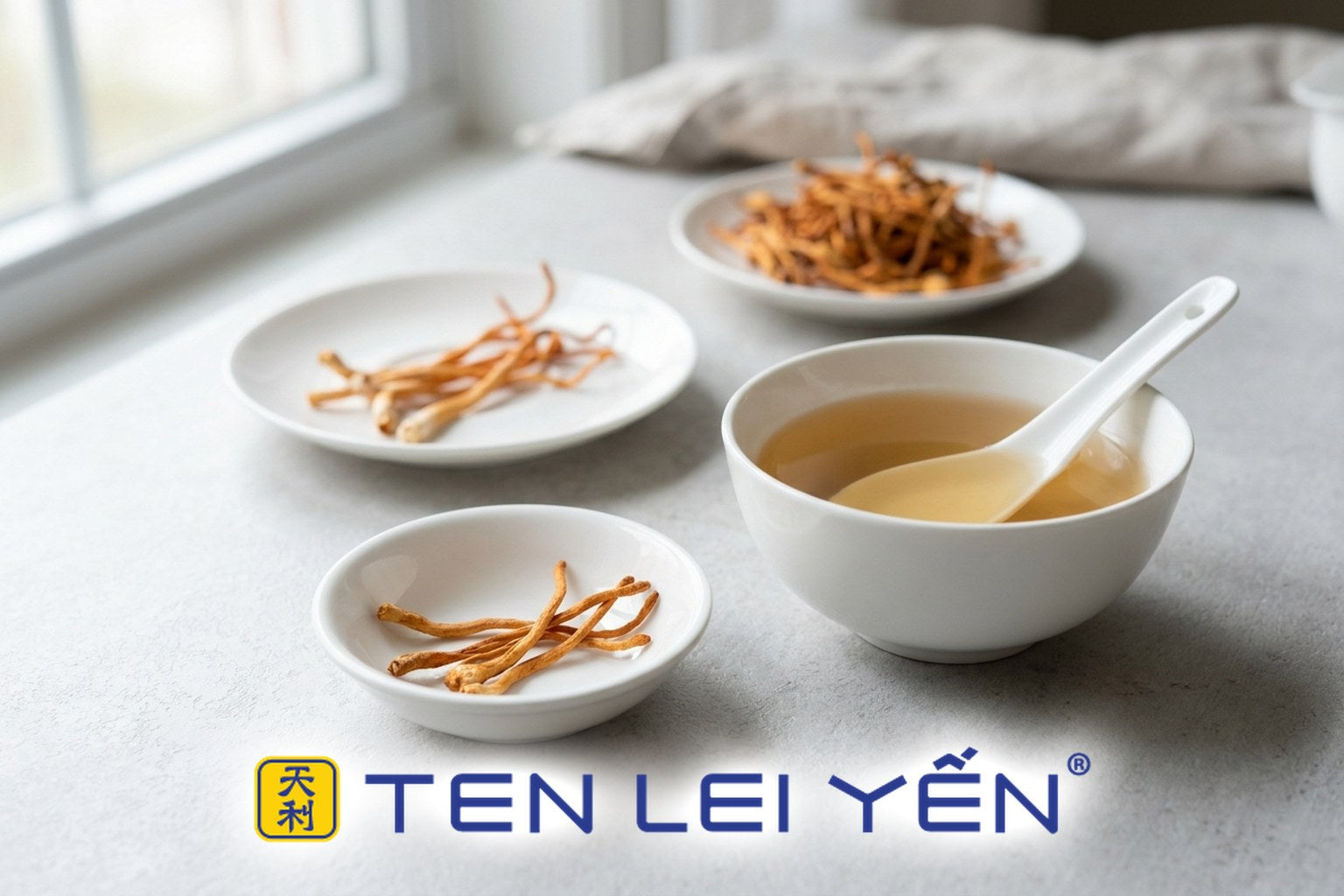
Cultivated cordyceps (Cordyceps militaris) — the bright orange dried stalks known as cordyceps flower — is grown indoors on grain substrates. This is the everyday culinary cordyceps found across East Asian cooking. It is affordable, widely used, and the subject of this flavor guide.
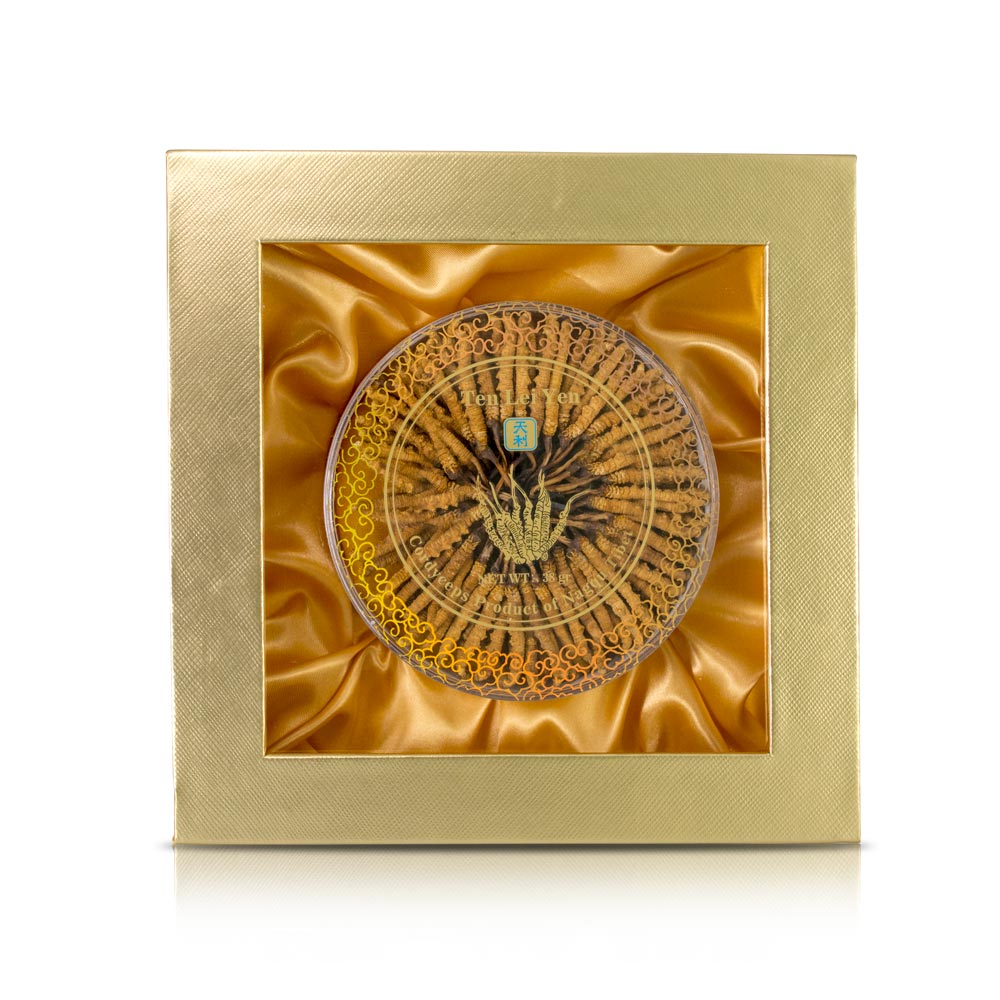
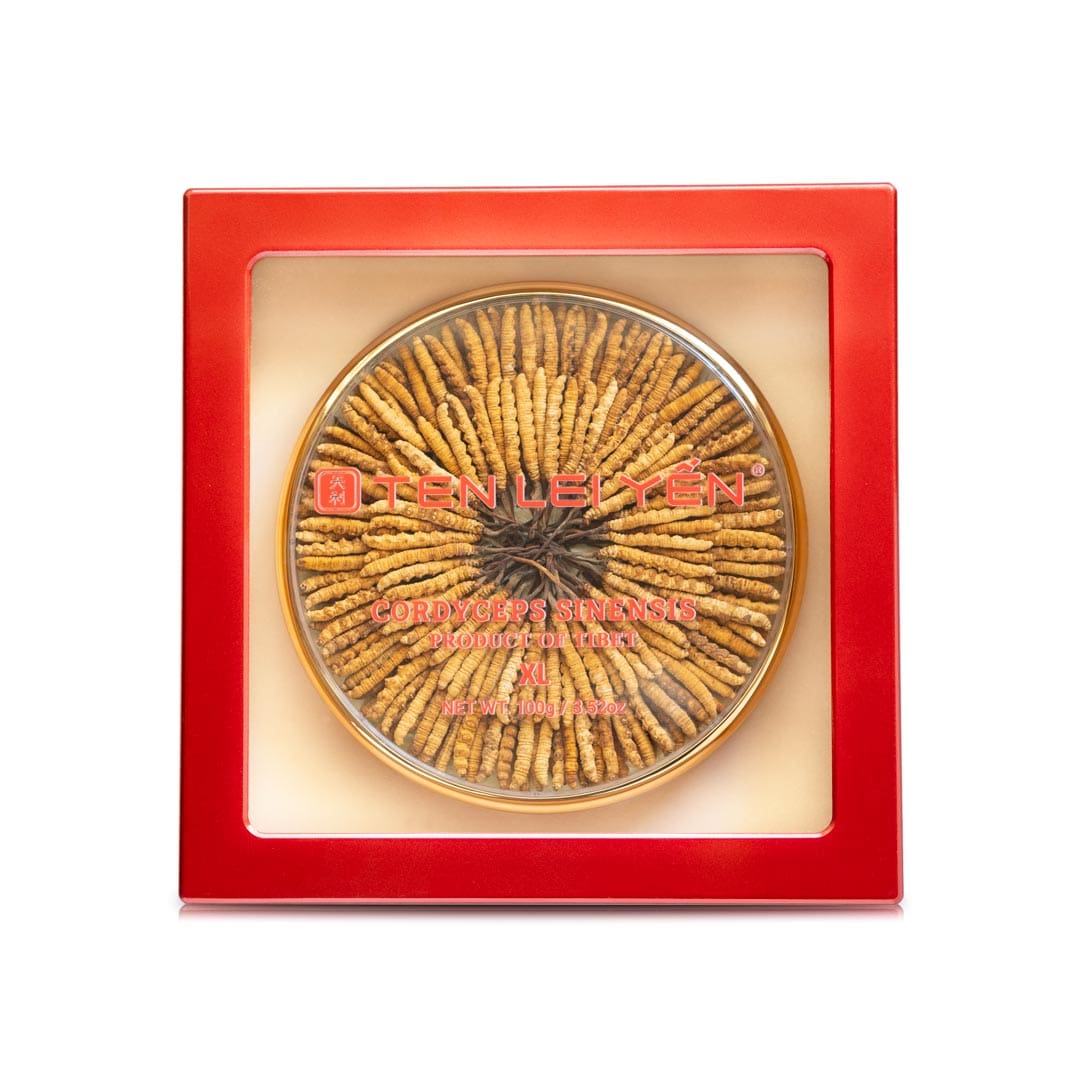
Wild cordyceps sinensis — the caterpillar fungus hand-harvested on the Tibetan Plateau above 3,500 meters — is a separate species. It is rare, expensive, and almost exclusively used in double-boiled soups and tonics rather than everyday cooking. Its flavor character is covered briefly below, but it is a different culinary experience.
Ten Lei Yen carries both. This guide focuses primarily on the cultivated cordyceps, which is what most new customers are cooking with.
Flavor: What Cultivated Cordyceps Actually Tastes Like
The flavor of cultivated cordyceps falls somewhere between a mild mushroom and dried grass — earthy in a very clean, non-pungent way. There is a quiet umami depth to it, but no sharpness, no bitterness, and no medicinal edge.
A useful mental model: imagine a dried shiitake mushroom, then dial the flavor down to about a quarter of its intensity and remove any resinous quality. What remains is a subtle, pleasant earthiness that blends rather than competes with whatever is in the pot.
In practical cooking terms, this means cultivated cordyceps lifts a broth without defining it. It adds a layer that makes the soup taste more complete, more rounded — but no one at the table will necessarily be able to identify the specific ingredient responsible.
Aroma: From the Bag to the Bowl
Straight from the package, dried cordyceps militaris has a faint hay-and-dried-grass scent — a light earthiness that dissipates within a few minutes of exposure to air. Some people detect a very mild nutty note underneath. It is inoffensive and unobtrusive.
During cooking, the aroma softens further. In a simmering broth after 30 to 40 minutes, the cordyceps contribute to the overall depth of the soup aroma rather than adding anything distinctly identifiable. A bowl of chicken soup with cordyceps will smell like a particularly good chicken soup.
Texture After Cooking
This is where cultivated cordyceps genuinely shines as an ingredient. The dried stalks — thin, fibrous, and slightly papery when raw — transform during cooking into something smooth and lightly yielding. After 30 to 45 minutes in a simmering soup, they take on a silky, tender texture similar to enoki mushrooms but slightly more substantial. They are pleasant to eat, not chewy or stringy, and hold their shape well in the bowl.
Unlike many dried ingredients, cordyceps militaris does not become mushy with longer cooking. It remains intact through 60 to 90 minute braises and double-boils, making it a reliable addition to slow-cooked dishes.

Wild Sinensis: A Different Sensory Character
For comparison: wild cordyceps sinensis has an even subtler flavor profile than cultivated militaris. In a double-boiled broth, the wild variety contributes an extremely gentle depth — described by seasoned cooks as an almost imperceptible background note that makes the broth taste more nourishing without changing its fundamental character.
The experience of using wild sinensis is less about flavor and more about working with an ingredient that carries its own history and rarity. The taste is there, but it is not the point in the way that saffron's color is clearly the point. If you are cooking primarily for flavor, cultivated militaris does more for the bowl. If the ingredient itself is part of the experience, wild sinensis is the choice.
How to Get the Best Flavor Results
A few simple techniques extract the most from cultivated cordyceps:
Rinse before using. A quick rinse under cold water removes any surface dust from the drying process. No soaking required.
Add at the start. Unlike delicate herbs added at the end, cordyceps militaris benefits from time in the liquid. Add it when you add your other long-cooking ingredients.
Pair with clean-flavored bases. The ingredient shows best in clear broths — chicken, pork bone, or simple vegetable stock. Heavy spiced bases can obscure its contribution entirely.
Use about 5 to 8 grams per serving. The 18.9g pack provides two to three servings at that range — a practical starting quantity for anyone trying it for the first time.
Frequently Asked Questions
Is cordyceps safe to eat?
Cultivated cordyceps militaris is a food ingredient with a long history of use in East Asian cuisines. It is sold as a culinary ingredient and has been consumed in soups and broths across China, Vietnam, and neighboring countries for generations. If you have specific dietary concerns or health conditions, consult your physician as you would with any new food.
Does cordyceps taste like medicine?
No. Cultivated cordyceps militaris has a mild, earthy, mushroomy flavor — nothing medicinal or bitter. The perception of it as medicine-adjacent comes from its use in traditional tonic preparations, but as a culinary ingredient in soup it tastes like a gentle, pleasant mushroom.
How much should I use in a soup?
For a pot of soup serving two to four people, 5 to 8 grams of dried cordyceps militaris is a common starting range. Ten Lei Yen's 18.9g pack provides a practical quantity for first-timers to cook with two or three times before deciding on preferred amounts.
Can I use cordyceps in non-Asian cooking?
Yes. The mild, earthy flavor and silky texture after cooking make cordyceps militaris an ingredient that works in any clear-broth context. It functions similarly to enoki mushrooms or dried wood ear mushrooms and can be incorporated into broths, risottos, or any slow-cooked dish where mushroom depth is welcome.
What is the difference between cordyceps flower and dried cordyceps?
These are the same thing — cultivated Cordyceps militaris sold under different names depending on the retailer. "Cordyceps flower" (虫草花) is the common Chinese market name; "dried cordyceps" often appears on English-language labels. Both refer to the same dried orange stalks. Wild cordyceps sinensis — the caterpillar fungus — is a separate product, looks completely different, and carries a much higher price.