By Alina @ TLY
Nagqu's high altitude and local growing conditions shape the visible traits of its wild cordyceps — size, color, and firmness. These traits show up in how a piece looks and handles in the kitchen, and they factor into how wild cordyceps is priced and graded.
Key Takeaways
- Nagqu (Tibet) sits at some of the highest altitudes among major wild cordyceps regions, and its pieces are often prized for a plump, well-formed body.
- Altitude, soil, and local climate all influence how a piece develops, which is why origin is listed alongside size grade on most product labels.
- Origin affects price alongside size and grade — it is one factor among several, not the only one.
- None of these differences change how wild cordyceps is prepared in the kitchen; the same double-boiling methods apply across regions.

Why Origin Shows Up in a Piece
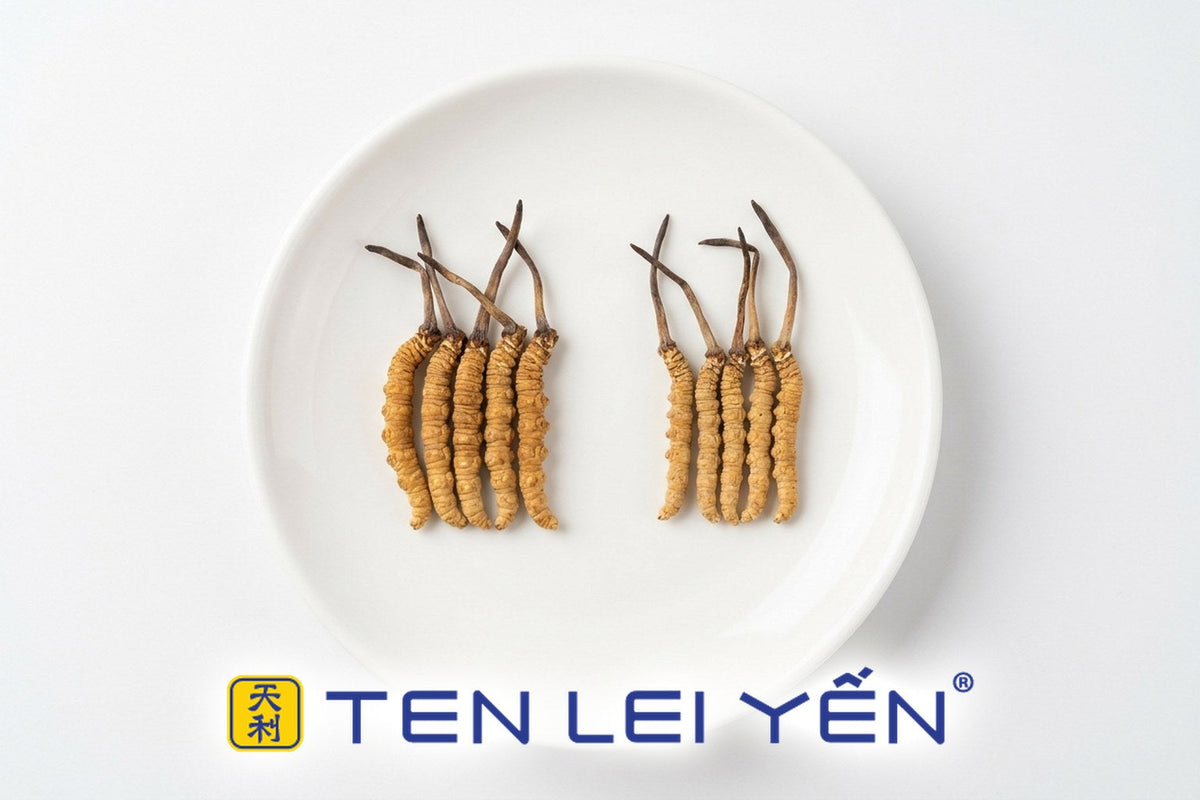
Wild cordyceps grows at high altitude across a band of the Tibetan Plateau and neighboring regions, and conditions vary meaningfully across that range — elevation, soil composition, and the length of the growing season all differ from one area to the next. Because the fungus develops slowly in these conditions, small differences in environment can show up as visible differences in the finished piece: how plump the body is, its color tone, and how firm it feels when handled.
Nagqu (Tibet)
Nagqu is one of the highest-altitude source regions for wild cordyceps, and pieces from this area are commonly associated with a well-filled, plump body shape. This is part of why Nagqu-labeled wild cordyceps often commands a premium within a given size grade — buyers specifically seeking this origin are paying for that combination of altitude and typical body shape, not for a different species or preparation.

Where Ten Lei Yen's Wild Cordyceps Comes From
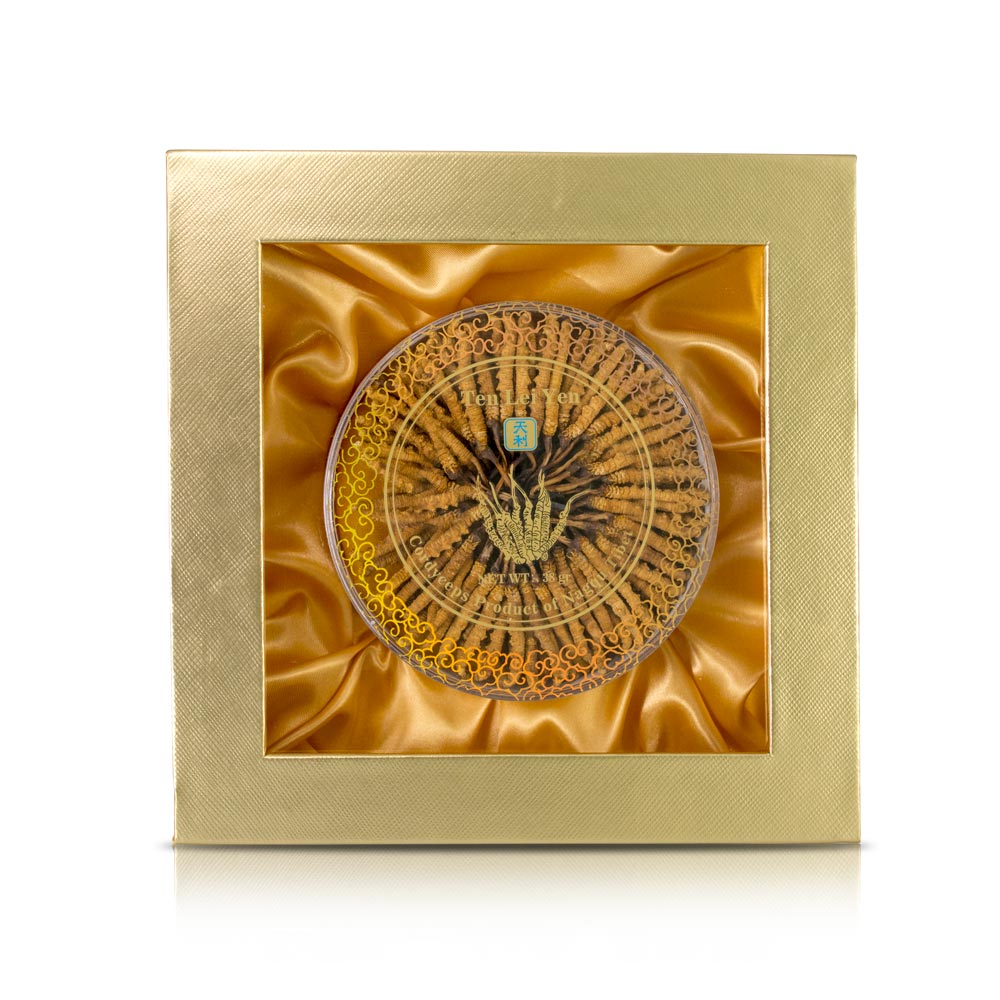
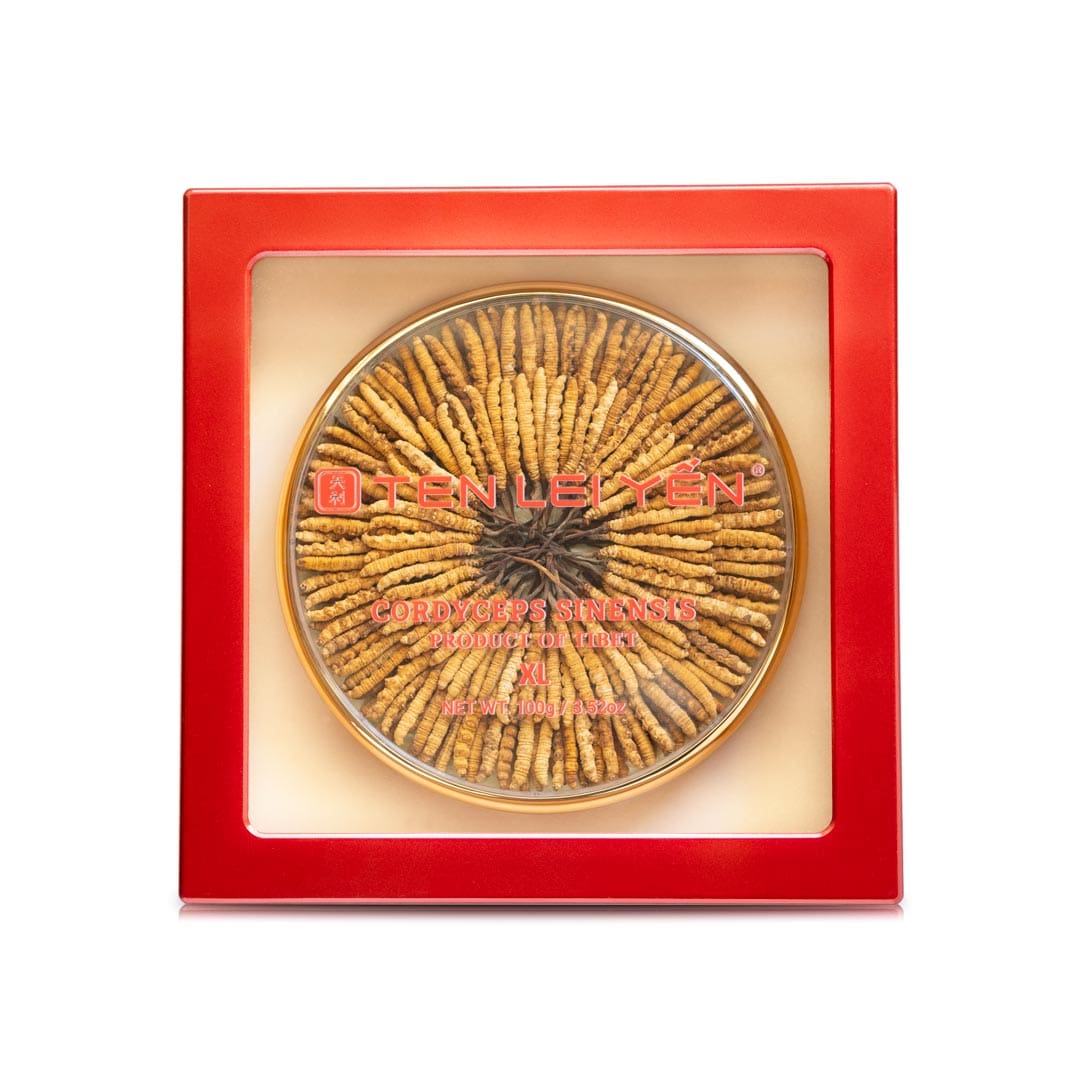
Ten Lei Yen's wild cordyceps is sourced from Nagqu, Tibet. Within that origin, grade and size remain the more direct measures of a given piece's characteristics.
How Origin Fits Into Grading and Pricing
Most wild cordyceps for sale is labeled with both an origin and a size grade, and pricing reflects both factors together rather than either one alone. A smaller piece from a well-regarded origin and a larger piece from a different region can end up priced similarly, depending on how the grading works out. Origin is a useful piece of information for buyers who have a preference, but size grade remains the primary driver of piece count and portioning in a recipe.
For more on how pack sizes relate to piece count, see our guide to why wild cordyceps is sold in 4 g and 8 g packs. Wild cordyceps from Nagqu, Tibet is available in our wild cordyceps collection.
Frequently Asked Questions
Does origin affect how wild cordyceps is cooked?
No — the same double-boiling methods apply regardless of origin; region affects appearance and price, not preparation.
Can I tell the origin of a piece just by looking at it?
Experienced buyers can often make an educated guess from size, color, and shape, but origin is typically confirmed through labeling and sourcing records rather than visual inspection alone.
Does a less common origin mean lower quality?
Not on its own — size grade and overall piece condition are more direct indicators of quality than origin by itself.